
Introduction
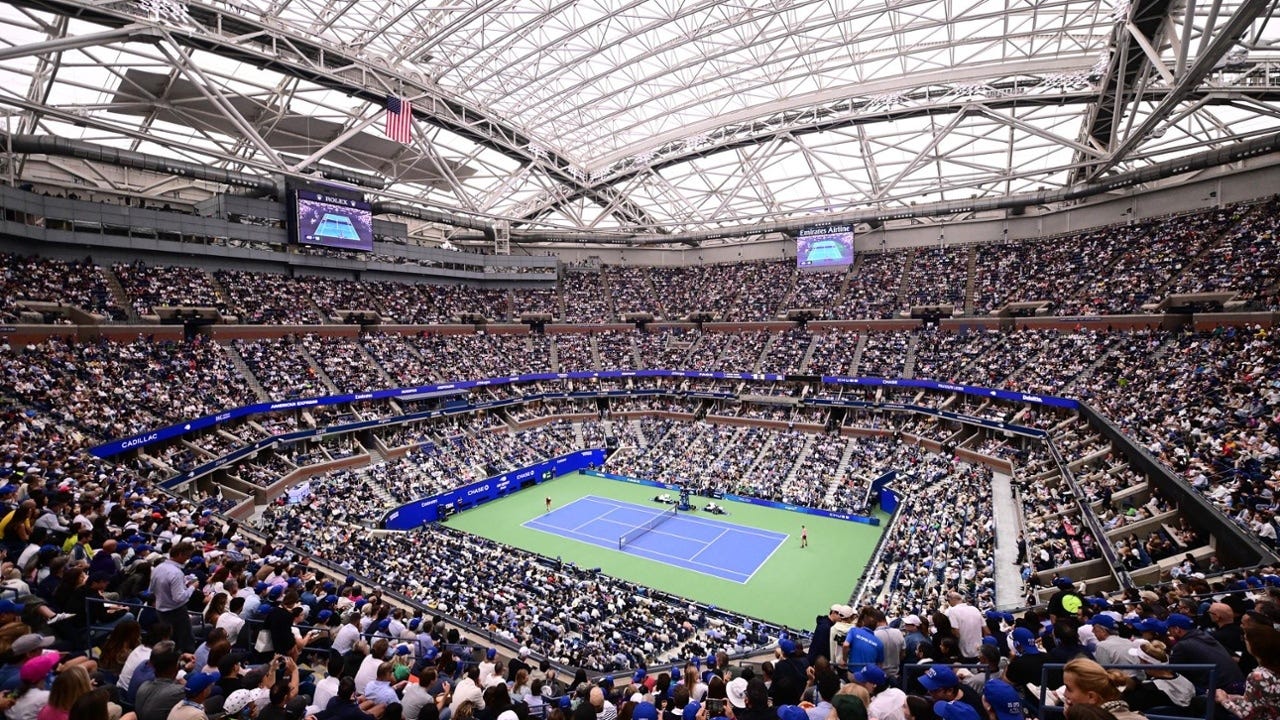
The US Open is the final Grand Slam of the tennis season and arguably the sport’s most energetic major. Played at the USTA Billie Jean King National Tennis Center in Flushing Meadows, New York, it combines elite competition with night sessions, large crowds, entertainment, celebrity culture and continuous technological innovation.
The 2026 tournament, which is starting this weekend, runs through September 13, with the singles main draw beginning August 30. It arrives at an important moment for tennis. Prize money has reached record levels, artificial intelligence is becoming central to the fan experience, and significant upgrades are underway at Arthur Ashe Stadium.
The competition also appears unusually open. Jannik Sinner has withdrawn from the men’s draw, defending champion Carlos Alcaraz is returning from a four-month injury absence, and women’s world No. 1 Aryna Sabalenka enters New York without reaching a final since April.
Beyond the competition, the US Open offers a view into the future of elite tennis. Electronic line calling, artificial intelligence, computer vision, biomechanics, biomarkers and individualized performance platforms are changing how matches are officiated, analyzed, experienced and prepared for.
History of the US Open
The tournament began in 1881 as the U.S. National Championships. The inaugural event featured 26 men competing on grass at the Newport Casino in Rhode Island.
Women’s singles was introduced in 1887, but the tournament did not become fully “open” to both amateur and professional players until 1968. Arthur Ashe won the first men’s championship of the Open era, while Virginia Wade captured the women’s title.
Several developments helped distinguish the US Open from the other Grand Slams:
In 1973, it became the first Grand Slam to award equal prize money to men and women.
In 1975, it became the first major to stage matches under the lights.
In 1978, the tournament moved from Forest Hills to Flushing Meadows.
Arthur Ashe Stadium opened in 1997 and remains the world’s largest tennis stadium.
Blue courts were introduced in 2005 to improve ball visibility.
A retractable roof was added to Arthur Ashe Stadium in 2016.
The renovated Louis Armstrong Stadium opened in 2018.
Electronic line calling eventually replaced line judges across the tournament.
The US Open is also the only major that has been played on three different surfaces. It was contested on grass until 1974, on green clay from 1975 through 1977, and on hard courts after moving to Flushing Meadows in 1978.
Its history reflects a willingness to experiment. Equal prize money, night tennis, tiebreaks, electronic officiating, an expanded mixed-doubles event and AI-powered digital products all demonstrate how the tournament has frequently moved faster than tennis’s more traditional institutions. US Open history
Major Men’s and Women’s Winners
The US Open’s list of champions includes many of the most important players in tennis history.
Major men’s winners
Before the Open era, Richard Sears, William Larned and Bill Tilden each won seven men’s singles championships.
The leading men in the Open era include:
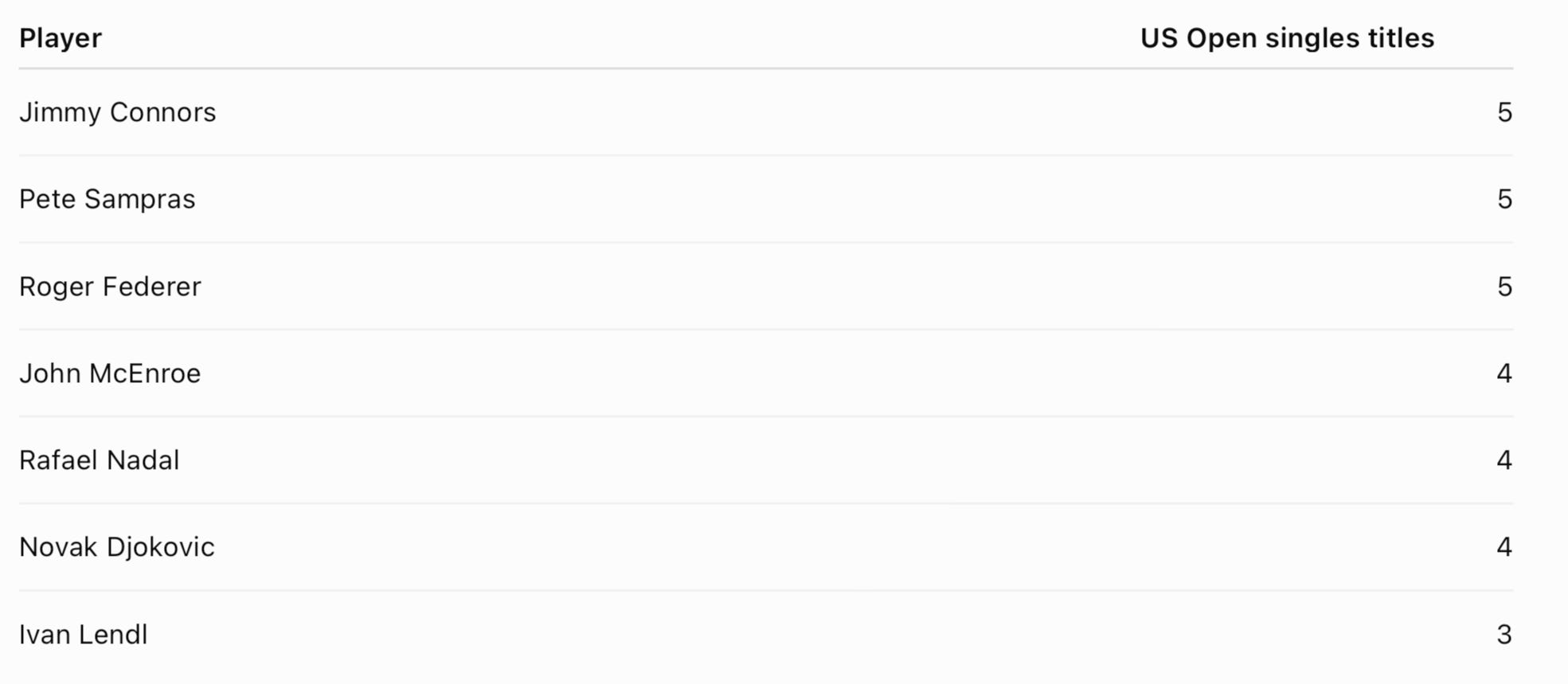
Jimmy Connors is particularly significant because he won the tournament on grass, clay and hard court. Roger Federer remains the only man in the Open era to win five consecutive US Open singles titles, accomplishing the feat from 2004 through 2008.

Picture: Jimmy Connors
Other memorable champions include Andre Agassi, who became the first unseeded man of the Open era to win in 1994, and Andy Roddick, whose 2003 victory remains the most recent Grand Slam singles title by an American man.
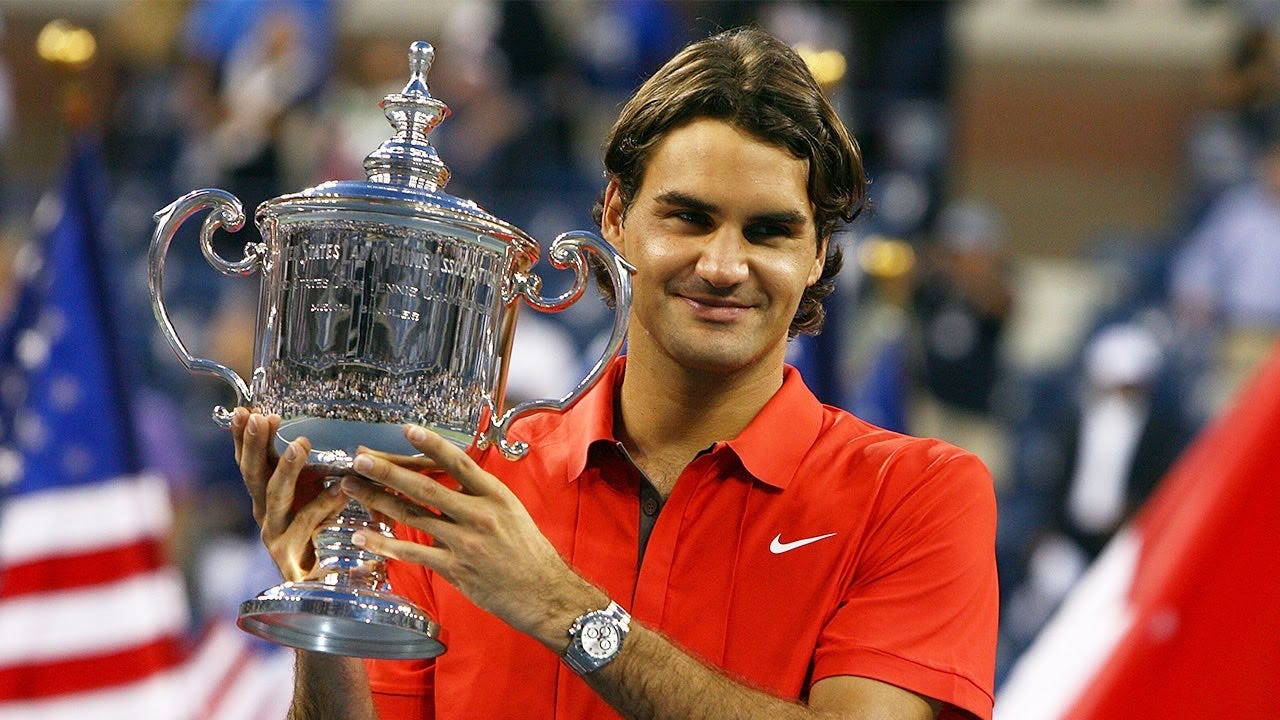
Picture: Roger Federer
Carlos Alcaraz won his second US Open title in 2025 and returns in 2026 as the defending champion.
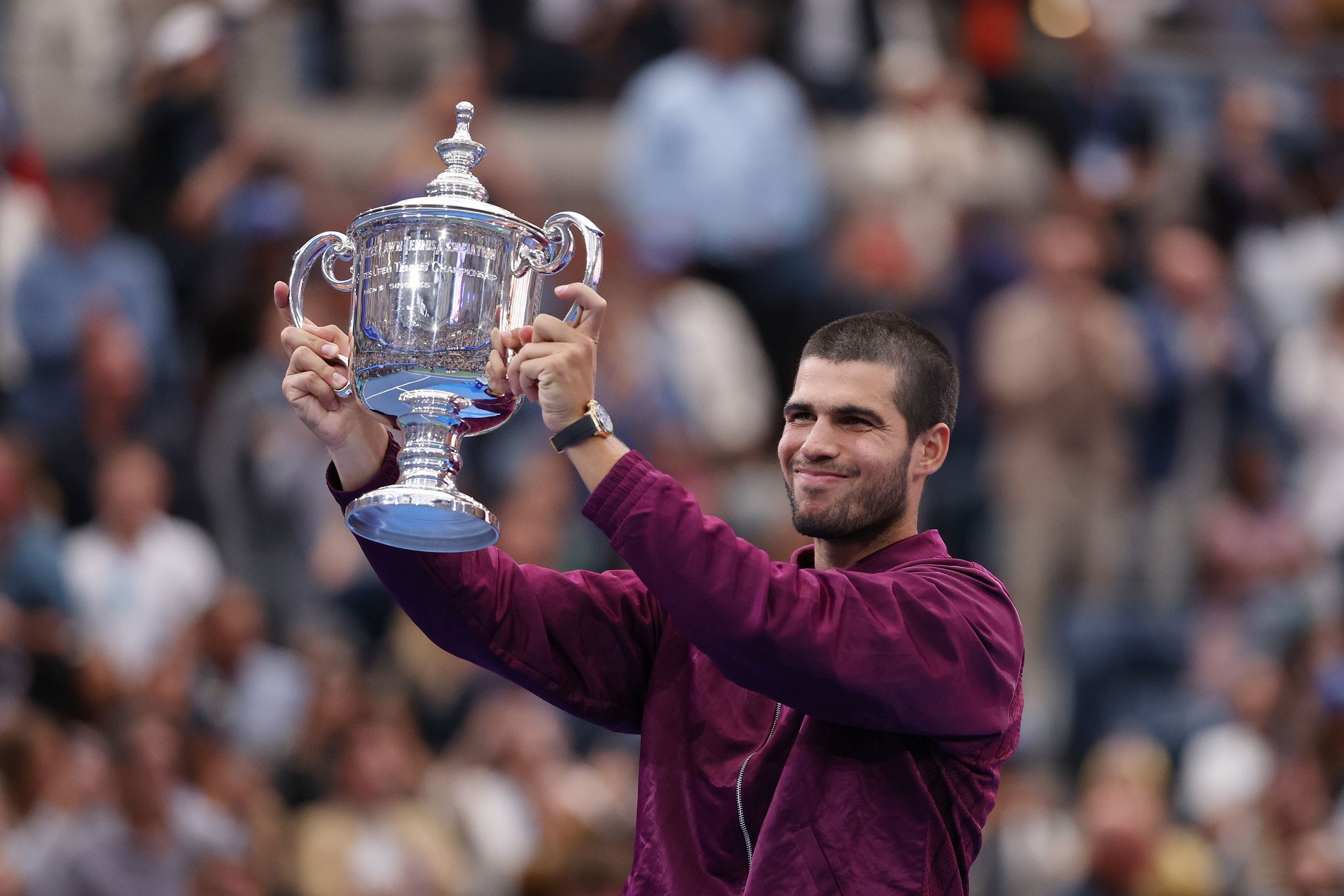
Picture: Carlos Alcaraz
Major women’s winners
Molla Mallory owns the overall women’s record with eight singles championships. Helen Wills Moody won seven.
The leading women in the Open era include:
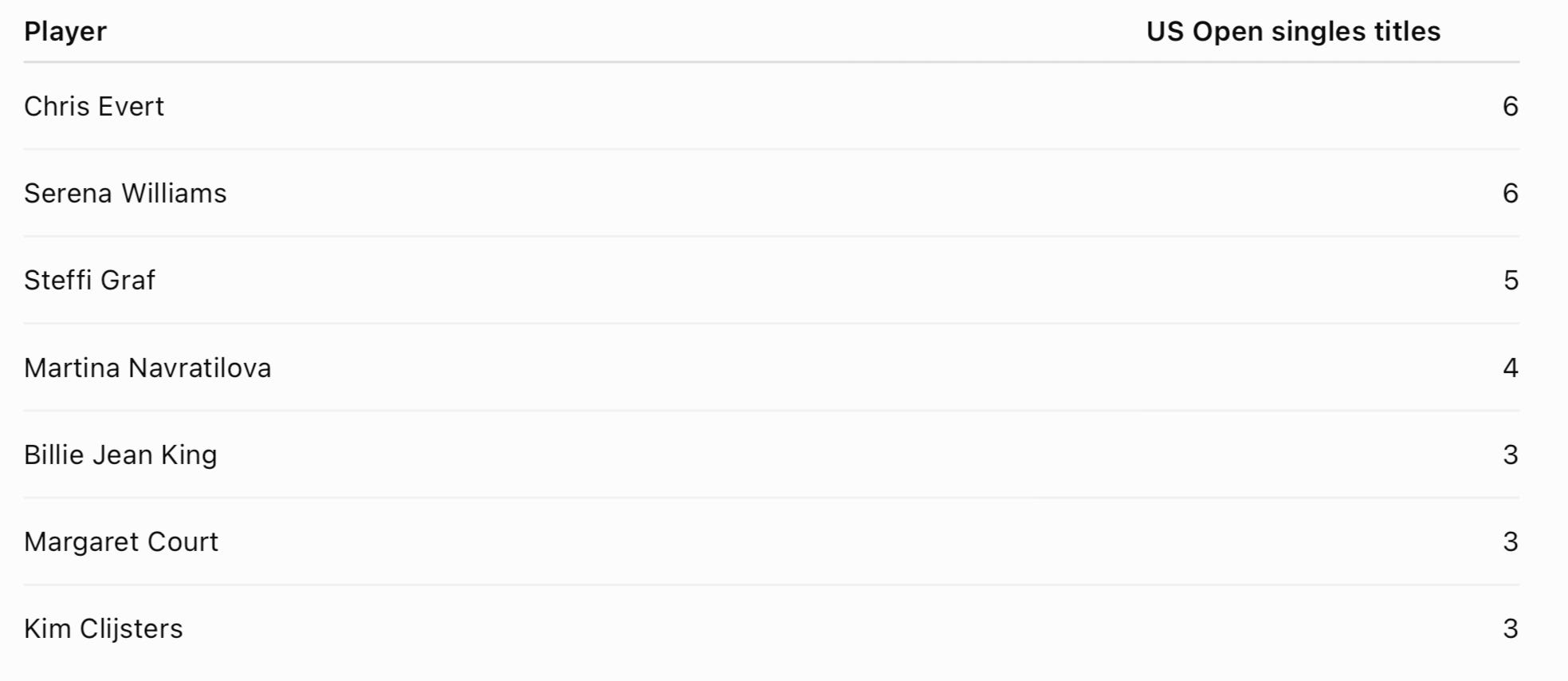
Chris Evert won four consecutive titles from 1975 through 1978, including championships on both clay and hard courts. Serena Williams won her first US Open in 1999 and her sixth in 2014, demonstrating remarkable longevity across different generations.

Picture: Chris Evert
Other influential champions include Althea Gibson, who broke racial barriers in American tennis; Billie Jean King, whose advocacy helped produce equal prize money; Venus Williams, who won consecutive titles in 2000 and 2001; and Coco Gauff, who won in 2023 at age 19.
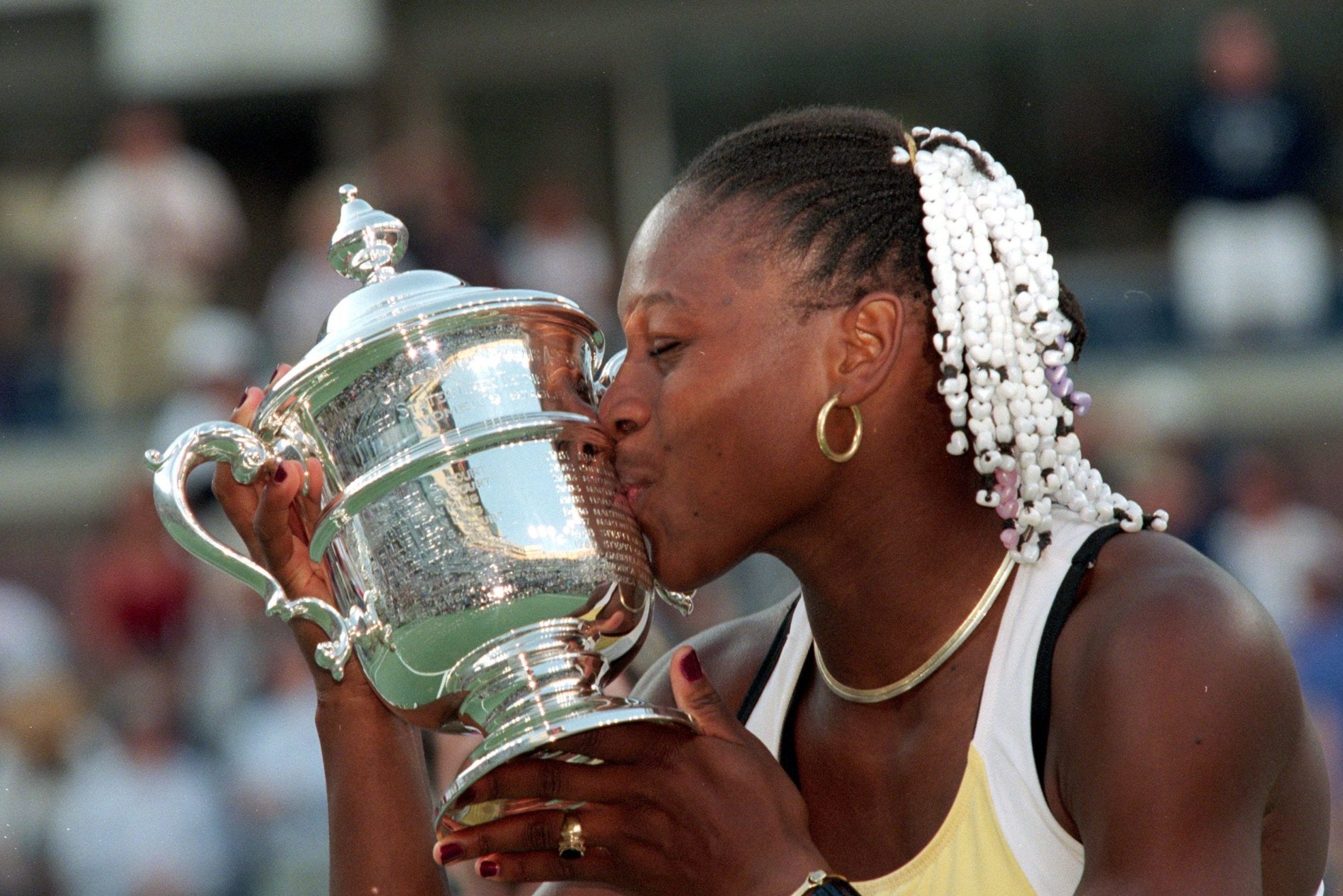
Picture: Serena Williams
Aryna Sabalenka won in 2024 and successfully defended her title in 2025. She is pursuing a third consecutive championship in 2026. US Open championship records
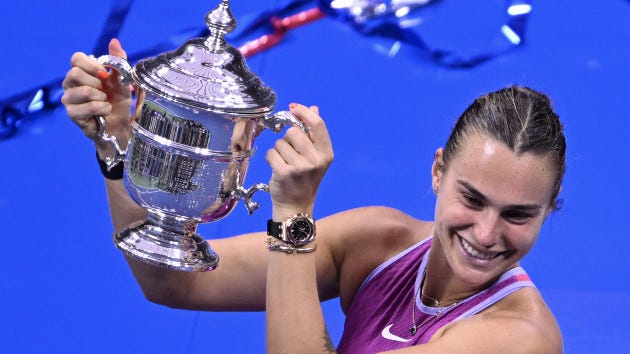
Picture: Aryna Sabalenka
The Economics of the US Open
The US Open has developed into much more than a tennis competition. It is a three-week sports and entertainment platform supported by ticketing, premium hospitality, sponsorship, broadcasting, merchandise, food and beverage sales, and digital engagement.
Attendance and economic impact
The 2025 tournament attracted a record 1,144,562 fans, including approximately 240,000 visitors during Fan Week. The event is broadcast in roughly 290 countries and requires more than 7,000 team members to operate.

The USTA estimates that the US Open generates more than $1.2 billion in annual economic impact for New York City. That spending benefits hotels, restaurants, transportation providers, retailers, temporary workers and tourism businesses throughout the region. USTA Arthur Ashe Stadium investment announcement
The tournament’s economics extend well beyond tickets. In 2025, food and beverage sales increased by 19%. More than 738,000 Honey Deuce cocktails were reportedly sold at $23 each, producing close to $17 million in sales from one signature product.
The tournament also featured 28 official corporate partners, combining long-standing relationships with newer brands seeking access to an affluent, international audience. Boardroom’s 2025 US Open business recap
Record player compensation
The 2026 US Open will distribute $108 million in player compensation, a 20% increase from 2025 and the largest package in tennis history.

The men’s and women’s singles champions will each receive $5.5 million, while players losing in the first round of the main draw will earn $140,000. The increased compensation reflects pressure from players seeking a larger share of Grand Slam revenue and greater participation in decisions involving prize money and player welfare. ATP’s 2026 prize-money announcement
The issue is not simply how much the champions earn. Tennis players generally operate as independent contractors and pay for their travel, coaching, physical therapy, fitness support, nutrition and other professional expenses.
Increasing early-round and qualifying compensation may therefore have a greater effect on the broader player population than simply increasing the champion’s prize.
Infrastructure investment
The USTA is undertaking an $800 million, privately financed transformation of Arthur Ashe Stadium and the National Tennis Center.
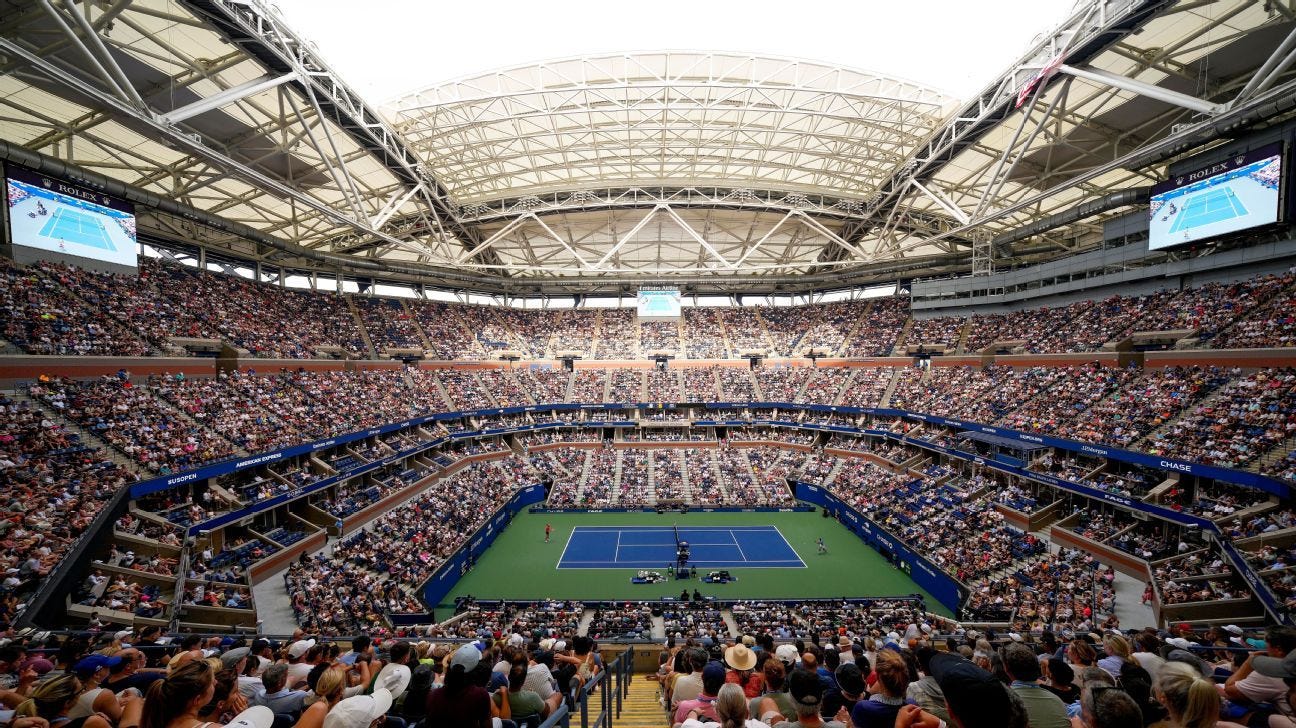
The project includes:
A new $250 million Player Performance Center
Expanded courtside seating
New luxury suites
Enhanced hospitality areas
Larger concourses
Improved retail and food spaces
Additional elevators and escalators
A redesigned main entrance
The complete project is scheduled to open by the 2027 US Open. Combined with the previous renovation completed in 2018, the USTA will have invested nearly $2 billion in the tournament and its venue without using taxpayer funding.
The investment shows where the economics of major sporting events are moving: more premium inventory, improved hospitality, better player facilities and a more seamless experience for both on-site and digital audiences.
The Importance of Technology
Technology influences almost every part of the modern US Open, from officiating and performance analysis to athlete preparation, broadcasting, content production and venue operations.
Electronic line calling
The most visible change has been the replacement of line judges with electronic line calling. Camera-based systems track the ball and determine whether it lands inside or outside the court.
This offers several advantages:
More consistent line decisions
Fewer disputes between players and officials
Faster resolution of close calls
Data that can be used in broadcasts and analysis
Reduced dependence on large teams of line judges
The technology has also changed the role of officials. Match assistants now handle several responsibilities previously performed by line judges, while human officials remain available as backups if the electronic system fails.

Match and tactical analysis
Players and coaches now use video, ball-tracking data and statistical platforms to study:
Serve placement and effectiveness
Return positioning
Rally length and pace
Shot direction and depth
Movement patterns
Performance under pressure
Opponent tendencies by score and court position
Because in-match coaching is now permitted under defined conditions, the ability to translate data into a simple tactical instruction has become increasingly important.
The team with the most data does not necessarily have the advantage. The advantage belongs to the team that can quickly identify what matters and communicate it effectively to the player.
AI-powered fan engagement
IBM and the USTA have worked together since 1992. Their digital platforms now serve more than 14 million fans globally each year.

For the 2026 tournament, the organizations introduced several AI-powered experiences:
Live Updates: A personalized homepage that allows fans to prioritize particular players and matches.
Serve Quality: A new metric that uses limb tracking to assess serve mechanics.
Likelihood to Win: A continuously updated probability model based on current and historical statistics, expert input and match momentum.
Key Moments: An AI-generated explanation of the turning points behind changes in win probability.
Match Chat: A conversational assistant that answers questions using live information, historical data, images and video.
The Serve Quality system tracks 21 points across the player’s body and racket 50 times per second. It is expected to generate approximately 1.2 billion data points during the tournament (Source here)
These tools make matches easier to understand for casual viewers while giving experienced fans access to greater analytical depth.
Biomarkers and individualized performance management
While tournament technology focuses heavily on officiating and fan engagement, players and their private performance teams increasingly use biomarkers to understand what is happening inside the athlete’s body.
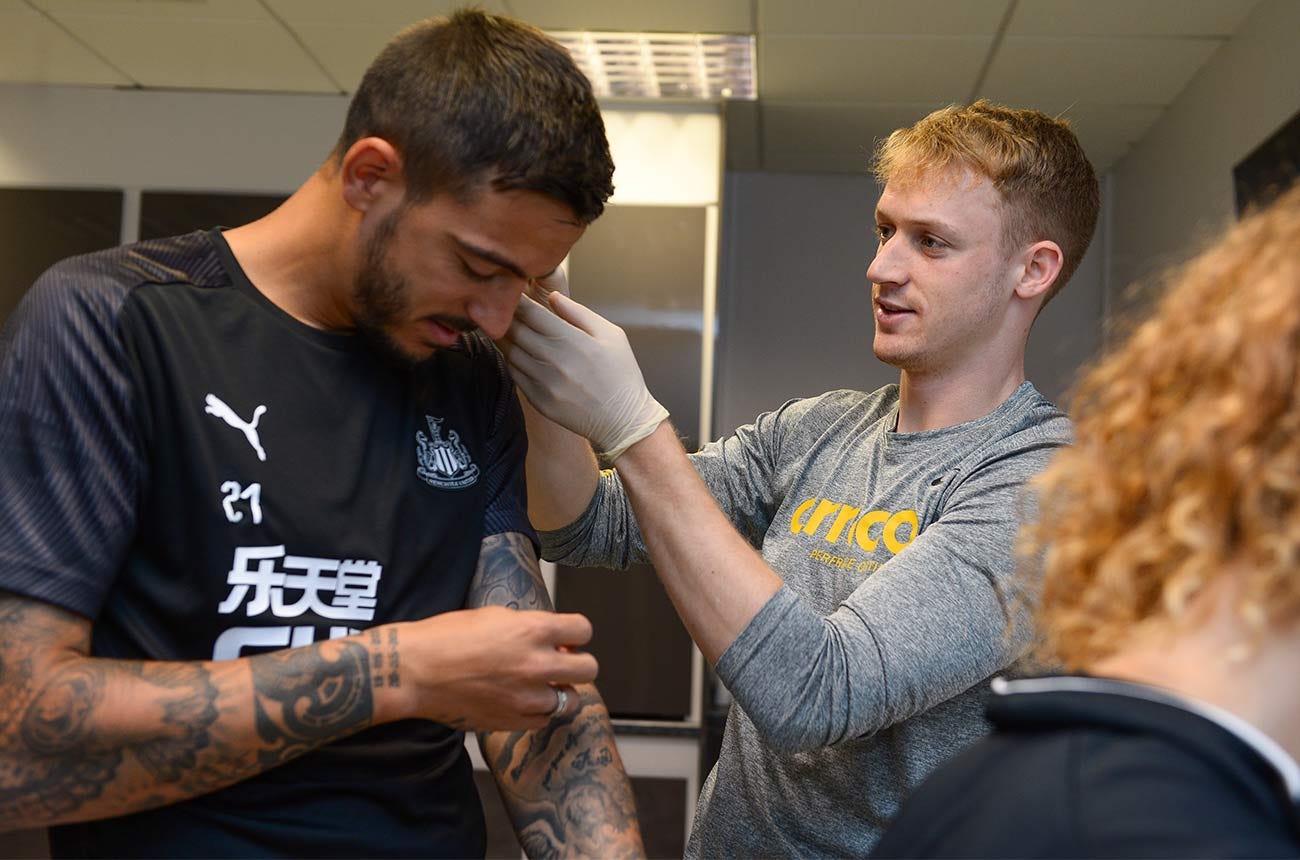
Picture: Orreco
Blood testing and other physiological assessments can provide information related to:
Inflammation and recovery
Immune-system status
Iron and energy availability
Hydration and nutritional requirements
Internal responses to training and competition
Hormonal health and menstrual-cycle considerations
This is particularly relevant at the US Open. Players may compete in extreme heat and humidity, play late into the night and then have limited recovery time before their next match.
An athlete may say that they feel ready while objective biomarkers indicate incomplete recovery, increased inflammation, low energy availability or a greater risk of illness.
The greatest value comes from establishing personalized baselines. Comparing a player with population averages is often less useful than identifying meaningful changes from that athlete’s normal range.
Biomarkers should support—not independently determine—decisions. Results must be interpreted alongside symptoms, match load, training history, sleep, nutrition, travel and clinical assessments.
Computer vision and biomechanical analysis
Computer vision uses cameras and AI to analyze movement without necessarily requiring athletes to wear sensors. It can track joints, body positions, racket movement and ball trajectories using ordinary or specialized video.
Video: Orreco Tennis’ Trax platform uses AI-powered, three-dimensional skeletal tracking to analyze a player’s body positioning and movement patterns from video without requiring wearable sensors.
At the 2026 US Open, IBM’s Serve Quality system analyzes 21 points across the player’s body and racket 50 times per second. It evaluates elements including the ball toss, consistency, accuracy and transfer of energy from the legs through the torso and into the racket.
For players and coaches, computer-vision technology can help assess:
Serve mechanics and joint angles
Changes in movement caused by fatigue
Court coverage and acceleration
Balance during wide defensive shots
Loading differences between the left and right sides
Technical changes between sets or tournaments
Movement deviations during rehabilitation
The next step will be connecting biomechanics with workload and physiology.
A decline in serve speed becomes more meaningful when the performance team can determine whether it is associated with a technical change, accumulated fatigue, inflammation, reduced recovery or physical discomfort.
AI and the Orreco Tennis approach
Orreco represents an example of how AI, biomarkers and computer vision can be brought together around an individual athlete.
Its platform combines:
Biomarker surveillance
Training and competition load
Wellness information
Medical notes
Women’s health information
Recovery data
Computer-vision movement analysis
Injury-risk indicators
AI-supported reporting and decision support
Orreco’s Bayesian models continuously learn from each athlete, creating adaptive personal ranges instead of relying only on standardized thresholds.
Its Motion Signal technology uses computer vision to identify changes in movement patterns that may be associated with noncontact soft-tissue injury risk. Its biomarker tools assess objective internal responses, while its AI capabilities help organize the information and identify athletes or performance areas requiring attention. (Check the info on Orreco’s performance-intelligence platform)
For a tennis player, the potential workflow could look like this:
Computer vision detects a change in movement or serve mechanics.
Match and training data reveal a recent increase in external load.
Biomarkers indicate elevated inflammation or incomplete recovery.
Wellness and medical information provide additional context.
AI brings the information together and highlights the most relevant concern.
The performance team decides whether to adjust training, recovery, nutrition or competition preparation.
The important point is that AI is not making the final medical or coaching decision. It is helping the player’s team interpret several complex data sources more quickly.
Orreco is not being presented as an official US Open tournament technology. It illustrates how players and their private performance teams can use integrated AI and sports-science systems while preparing for and competing at events such as the US Open.
🎙️ 🎾 Upside Chat with Mike James and Shane Liyanage at Orreco Tennis, One of the Market Leaders in Performance Analysis in Tennis.

Today we have the honor of interviewing Mike James, head of coaching intelligence and strategy. Mike is joined by Shane Liyanage, the VP & head of tennis and Computer Vision at Orreco Tennis, one of the market leaders in performance analysis in tennis.
Wearables and athlete health
The USTA and US Open announced Oura as an official wearable partner in 2026. Although wearable use during competition remains governed by tennis rules and approval processes, the partnership reflects the growing importance of sleep, recovery, readiness and athlete wellness. (Check the US Open–Oura partnership)
The larger opportunity is to connect physical, technical and tactical information.
A change in serve speed means more when it can be considered alongside:
Recent workload
Sleep quality
Movement efficiency
Biomarker results
Previous injuries
Match duration
Environmental conditions
Subjective wellness
The challenge is avoiding data overload. Players and coaches do not need dozens of disconnected dashboards. They need a small number of reliable, actionable insights.
Favorites to Win the 2026 US Open
This year’s predictions are more uncertain than usual because several leading players enter with significant questions involving injuries or form.
Men’s Favorites
1. Carlos Alcaraz
Alcaraz is the defending champion and remains the market favorite, but his preparation is far from ideal. He is returning after four months away because of a wrist injury and has not played a singles tournament since April.
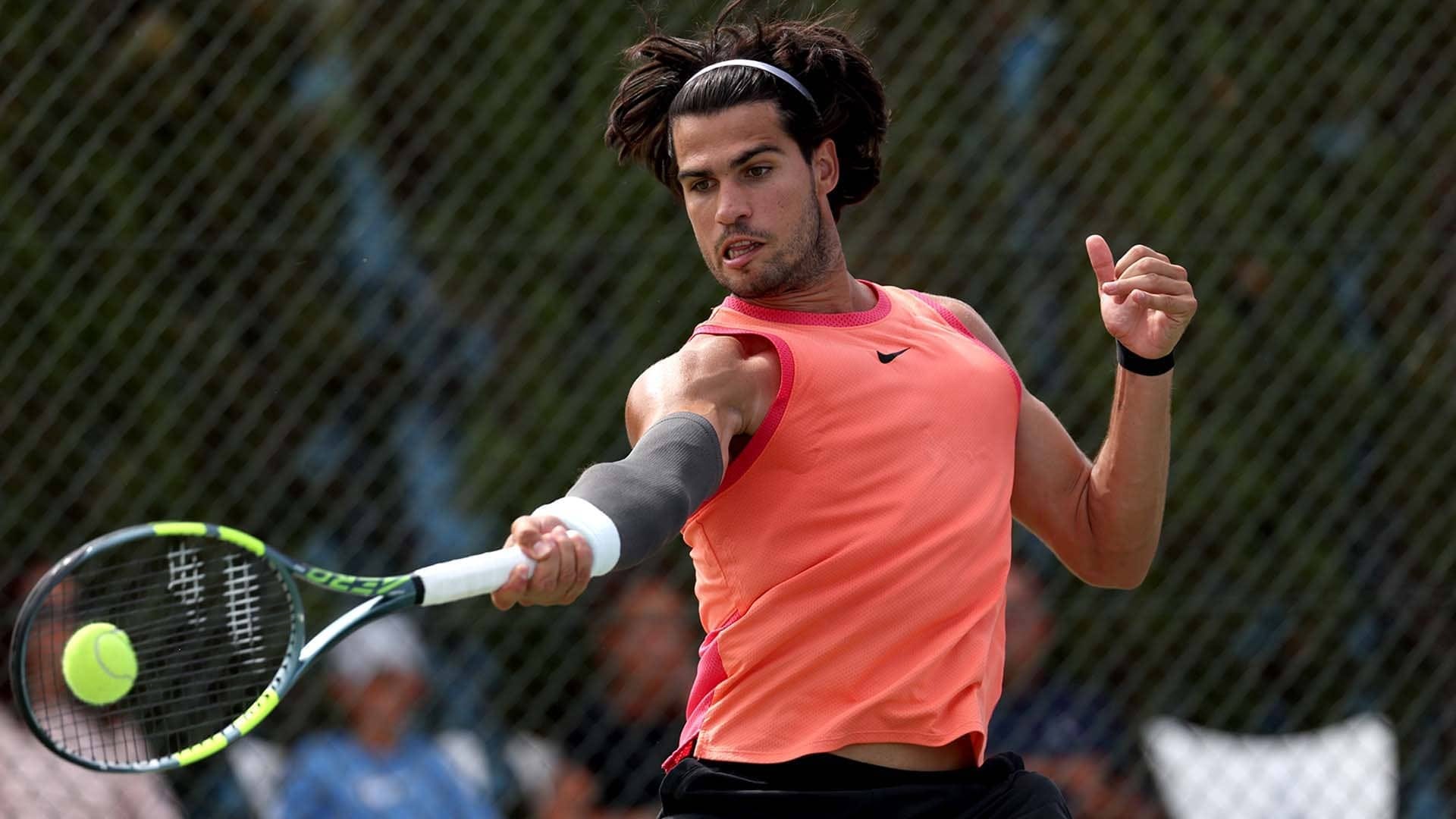
Picture: Carlos Alcaraz
His athleticism, variety and ability to involve the New York crowd make him exceptionally dangerous. The main question is whether he can immediately withstand seven best-of-five-set matches following such a long absence.
He opens against Roman Safiullin.
2. Alexander Zverev
With Jannik Sinner withdrawing because of a knee injury, Zverev becomes the top seed.
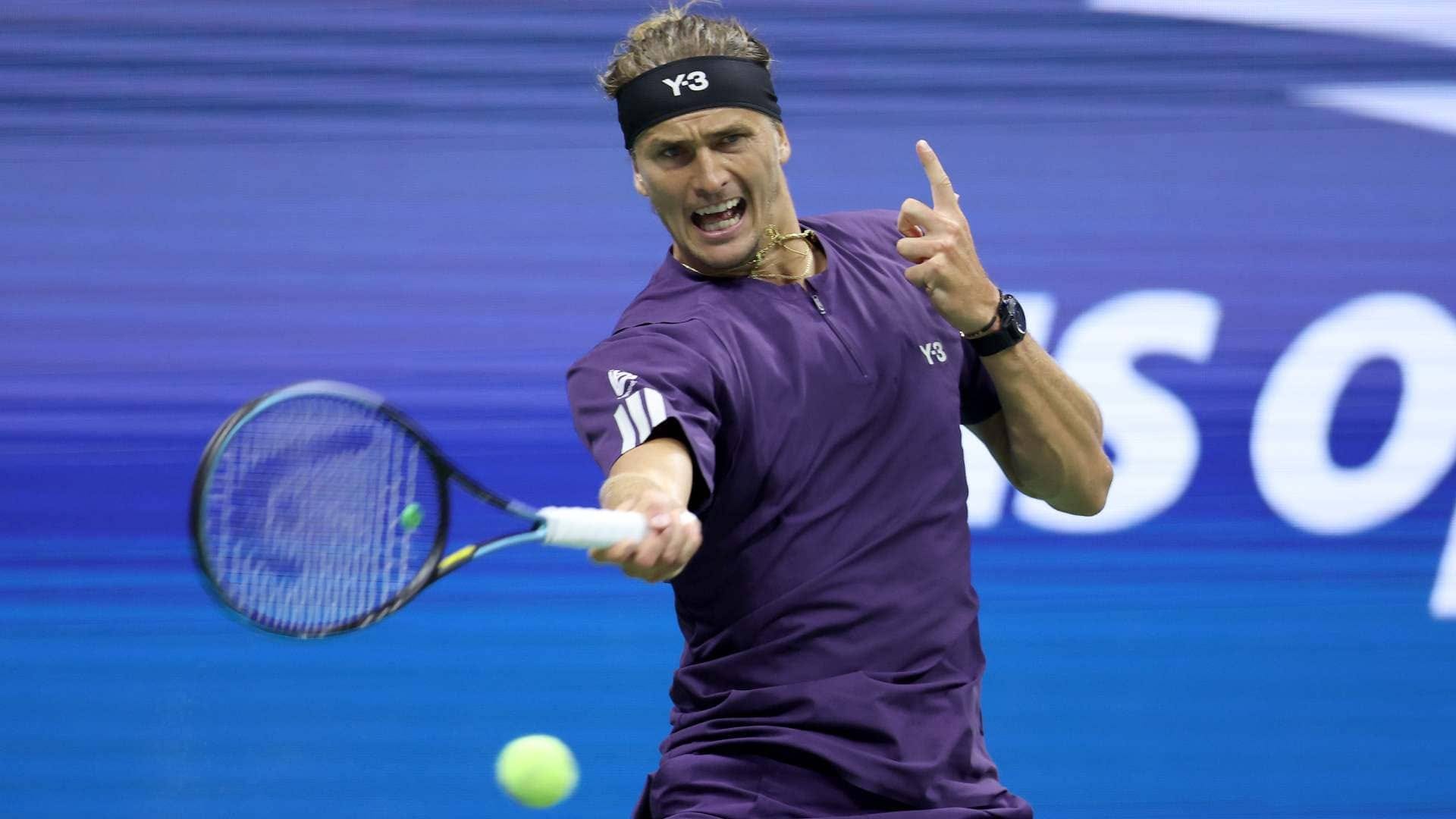
Picture: Alexander Zverev
He won his first Grand Slam at the 2026 French Open and subsequently reached the Wimbledon final. His serve, backhand and hard-court experience make him one of the safest choices in an unpredictable draw.
Zverev also reached the US Open final in 2020.
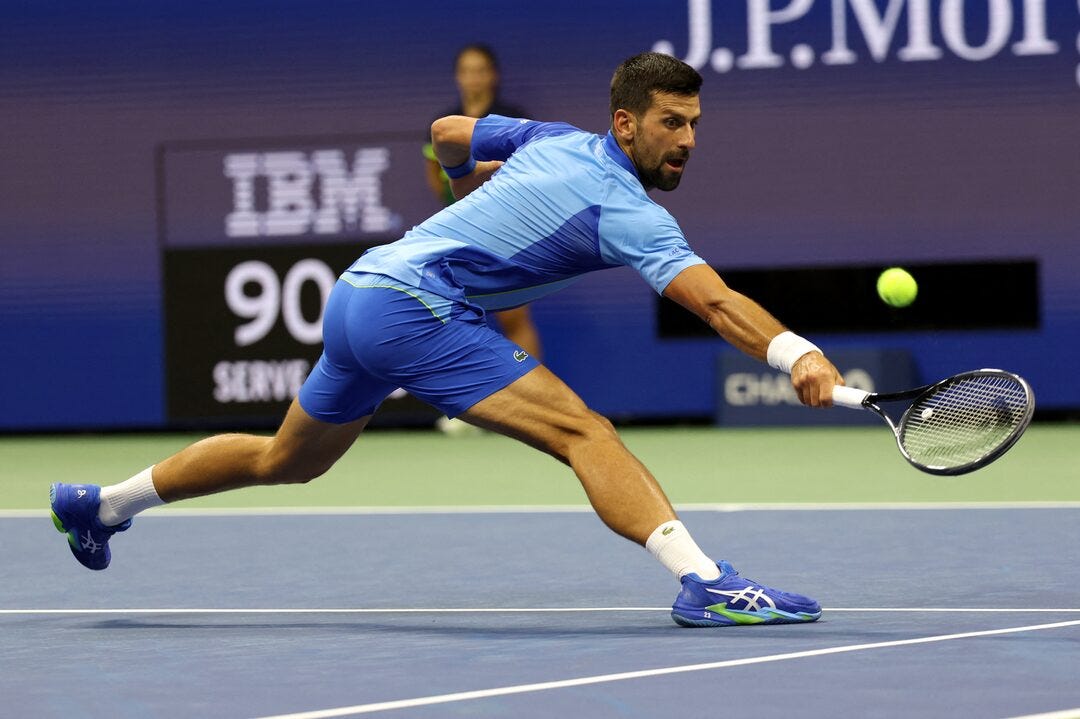
3. Novak Djokovic
Djokovic is pursuing a record 25th Grand Slam singles title. His experience, return of serve and ability to manage high-pressure matches mean he cannot be dismissed.
Picture: Novak Djokovic
However, physical durability is now a greater concern. Winning seven matches over two weeks on hard courts may be more challenging than winning any individual matchup.
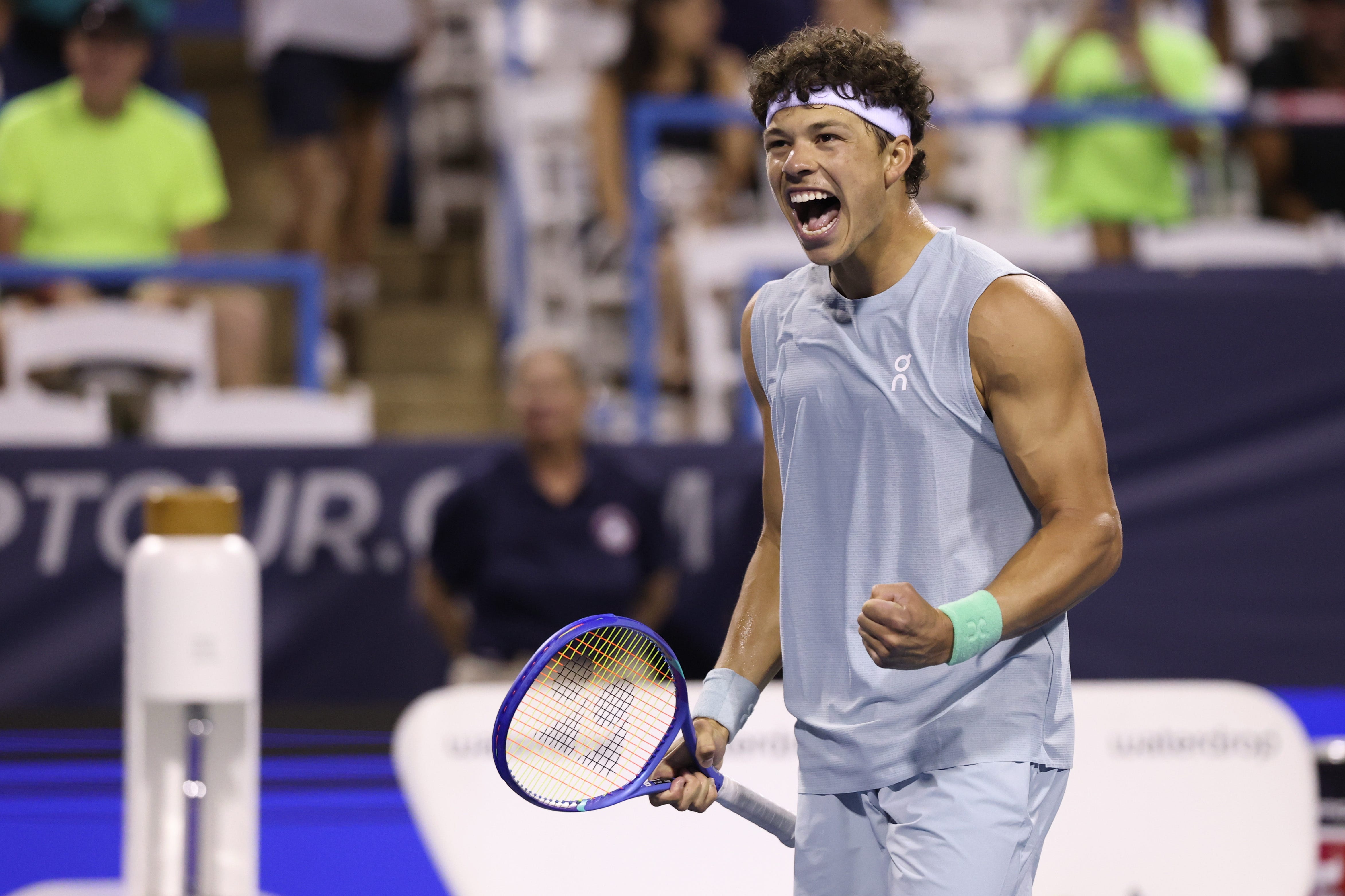
4. Ben Shelton
Shelton may be the leading American candidate. His left-handed serve is particularly effective on New York’s hard courts, and he enters with confidence after defending his Canadian Open title.
Picture: Ben Shelton
His challenge is converting explosive tennis into consistent five-set performance. If he controls his unforced errors, the home crowd could become an important advantage.
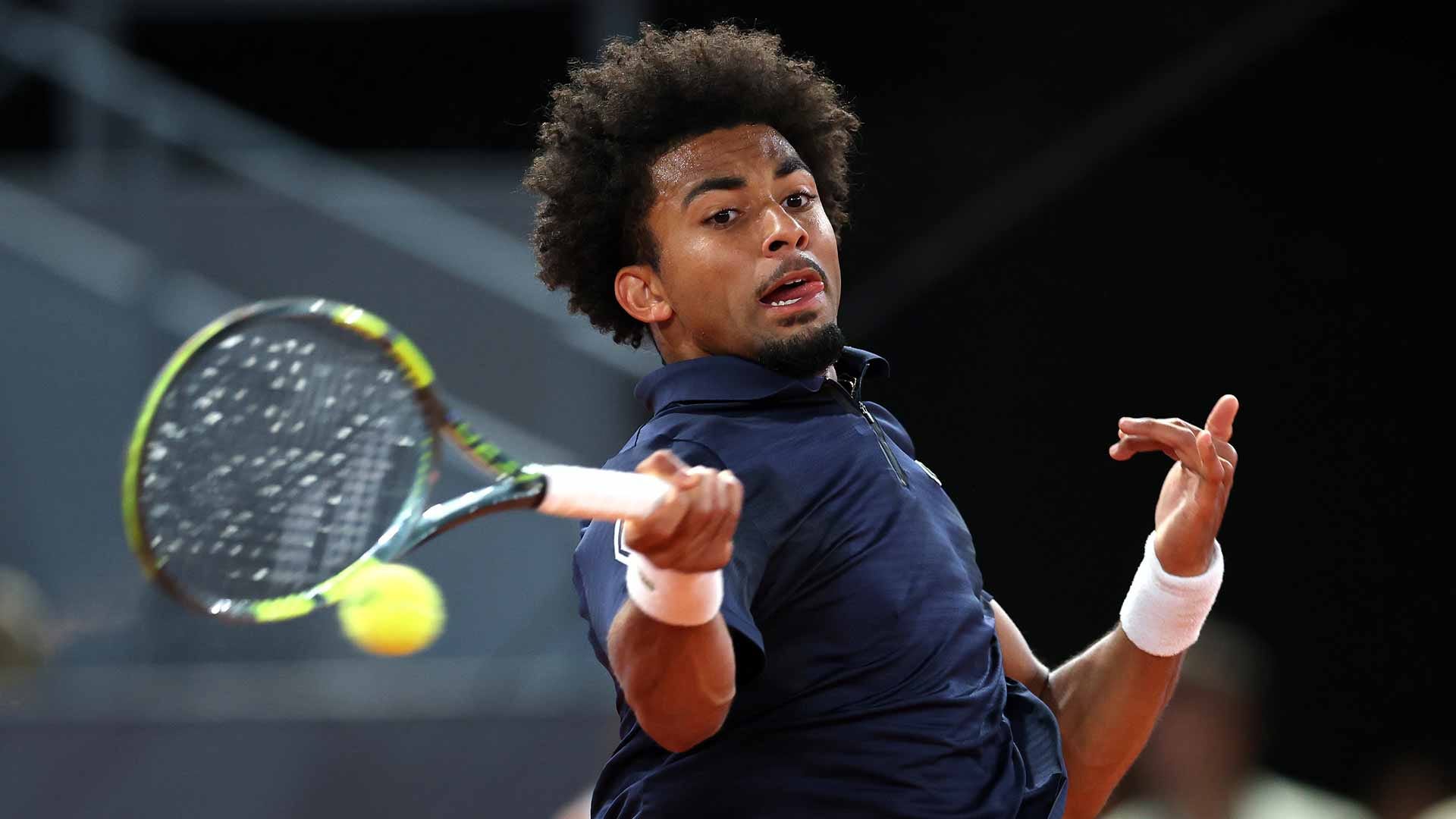
5. Arthur Fils
Fils enters as one of the most dangerous younger players after winning Cincinnati. His athleticism and aggressive hard-court game make him a credible contender, although he has less experience in the later rounds of Grand Slam tournaments.
Picture: Arthur Fils
Men’s assessment
Alcaraz has the highest ceiling, but Zverev may offer the most reliable path through the tournament. Shelton and Fils are realistic breakthrough candidates.
Sinner’s absence makes the tournament significantly more open.
Women’s Favorites
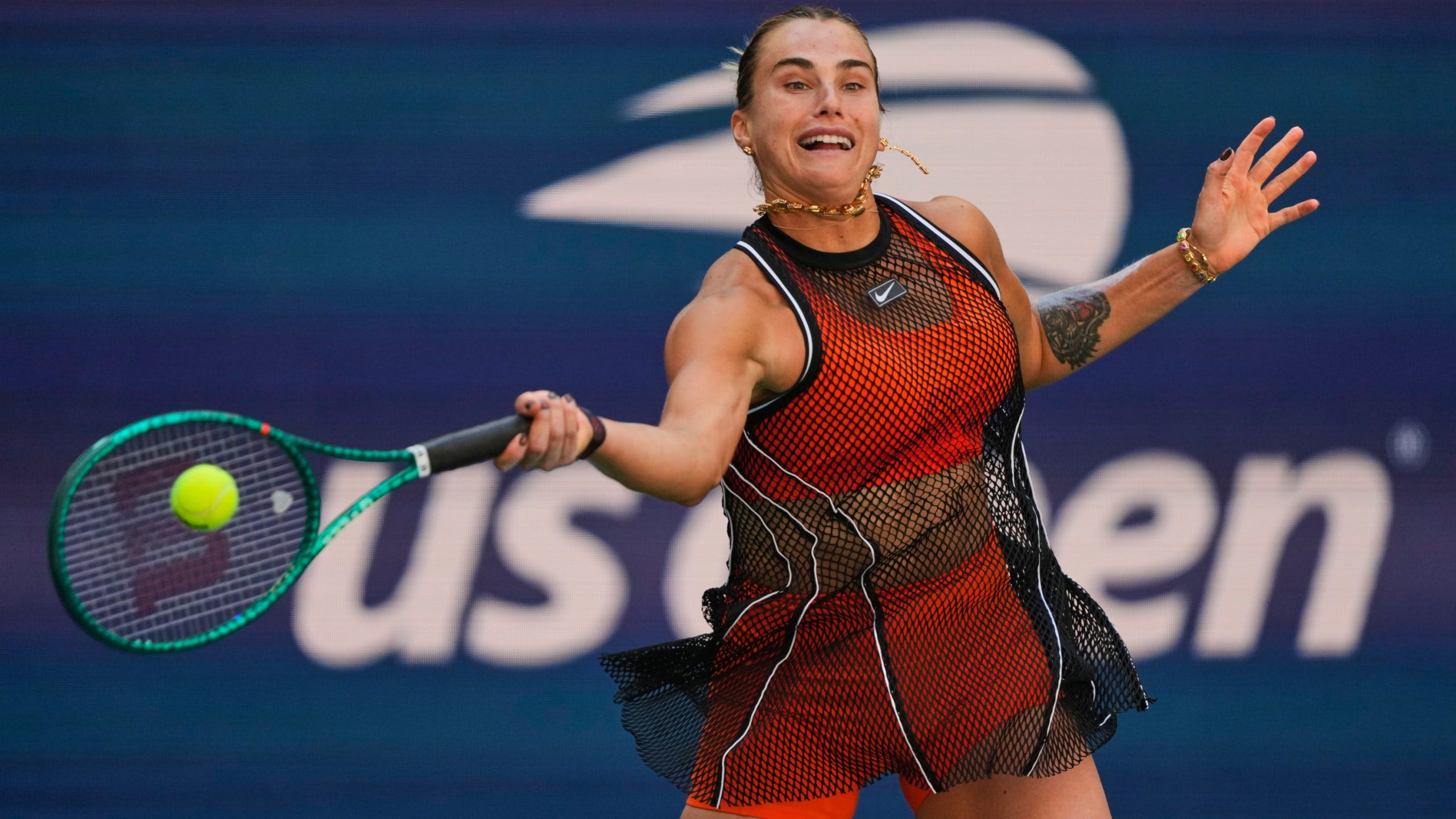
1. Aryna Sabalenka
Sabalenka is seeking her third consecutive US Open title. Her power, serve and hard-court record make her the official favorite.
Picture: Aryna Sabalenka
However, she has not reached a final since April and struggled during the North American lead-in events. The question is whether her proven success in New York can outweigh her recent form.
2. Iga Świątek
Świątek enters with momentum after winning in Toronto. She has already won the US Open and remains one of the best returners and tactical problem-solvers in women’s tennis.
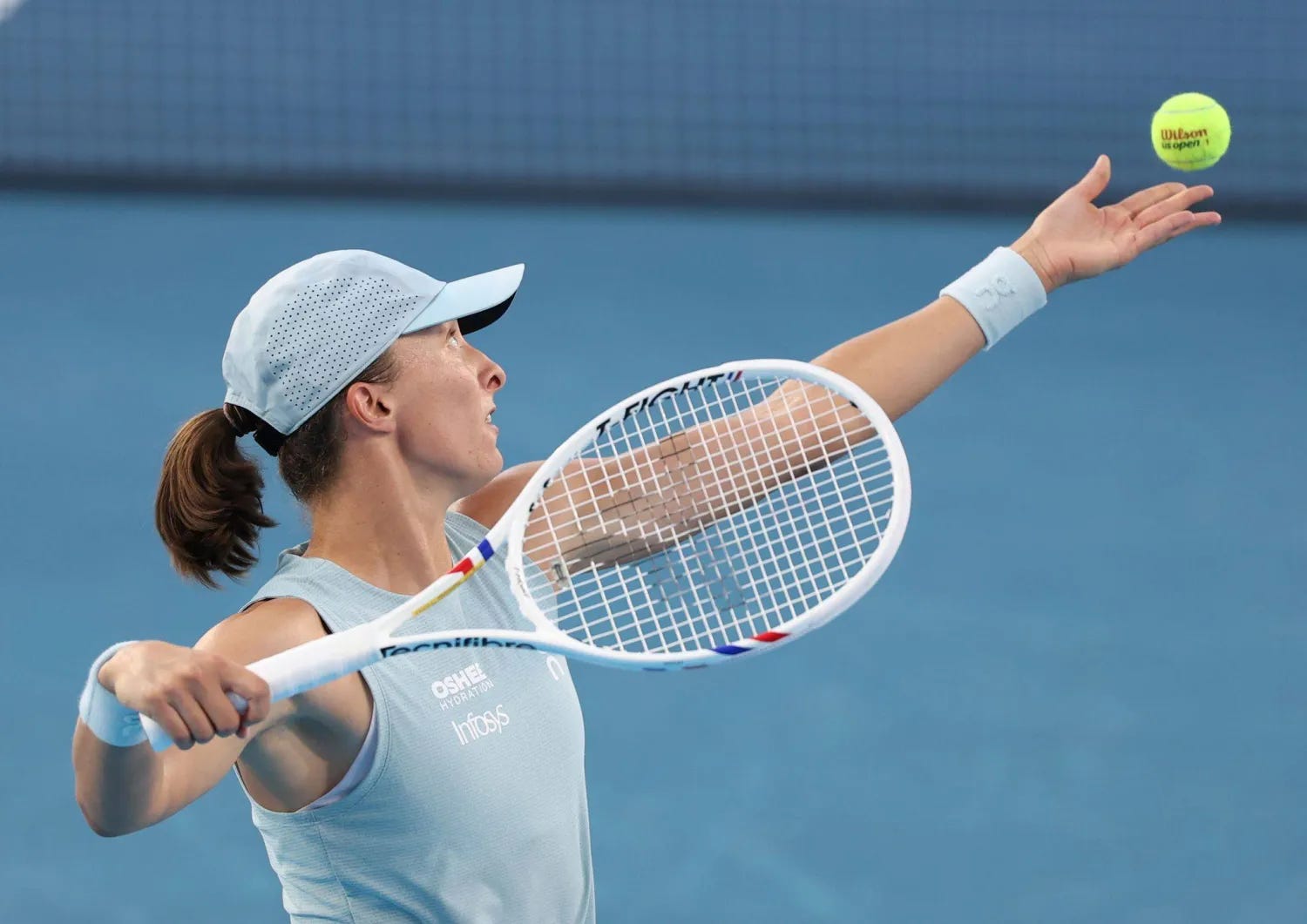
Picture: Iga Świątek
Faster hard courts do not always suit her as naturally as clay, but her movement, discipline and ability to dominate return games make her a leading contender.
3. Coco Gauff
Gauff may have the best combination of current form and home-crowd support. The 2023 champion arrives after winning Cincinnati and has continued working on the technical reliability of her serve and forehand.
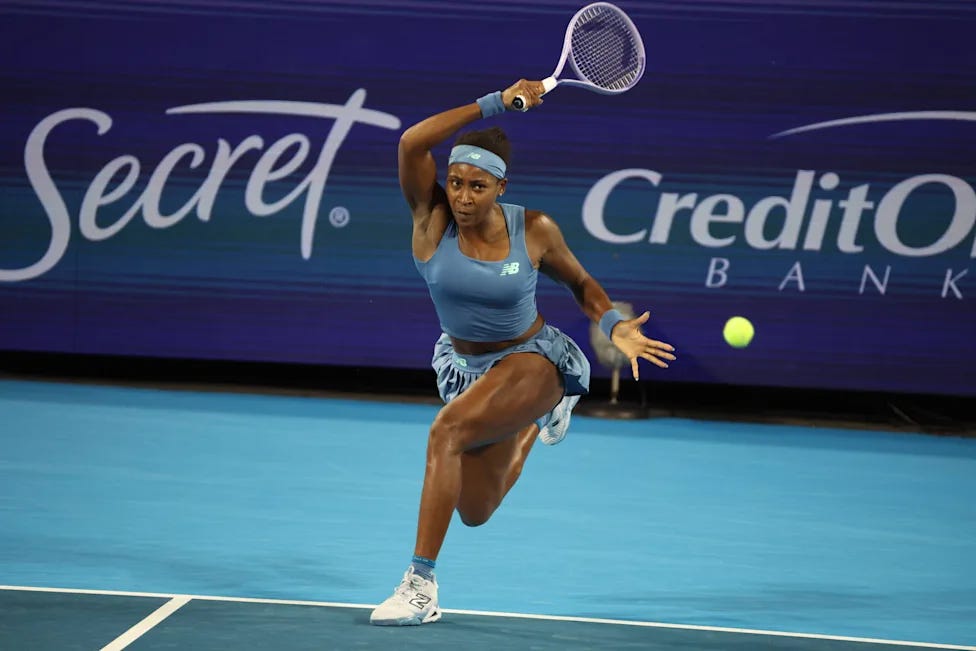
Picture: Coco Gauff
Her defense, speed and ability to extend points are already elite. If her serve remains stable, she has a strong opportunity to win her second US Open.
4. Elena Rybakina
Rybakina’s serve and first-strike power are well suited to hard courts. She has been one of the season’s strongest hard-court performers, although fitness concerns and a less impressive historical record in New York create uncertainty.
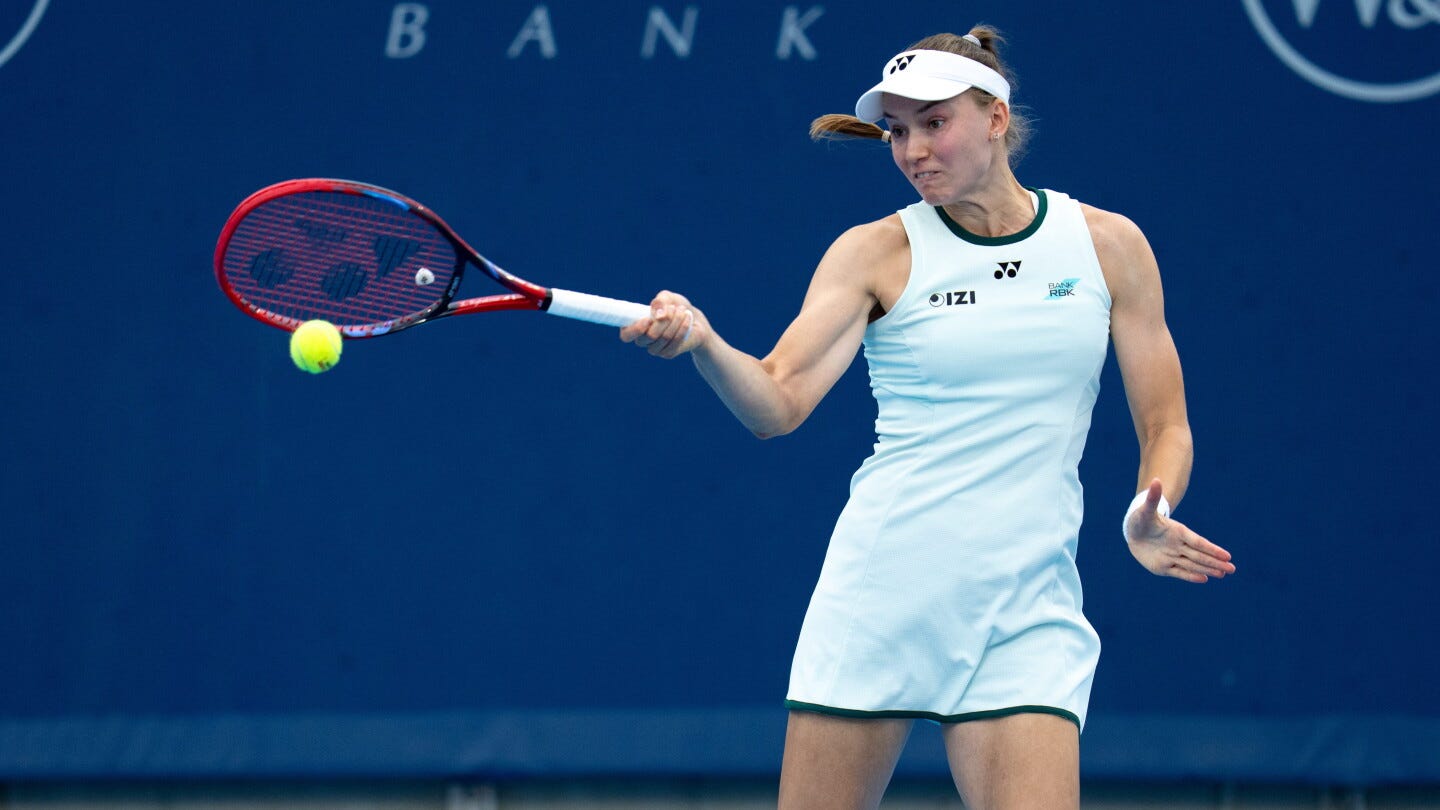
Picture: Elena Rybakina
5. Jessica Pegula
Pegula has reached the final and semifinal in New York over the past two seasons and is one of the most consistent hard-court players on tour.
Her return game and ability to redirect pace make her a serious contender, particularly if the leading power players struggle.
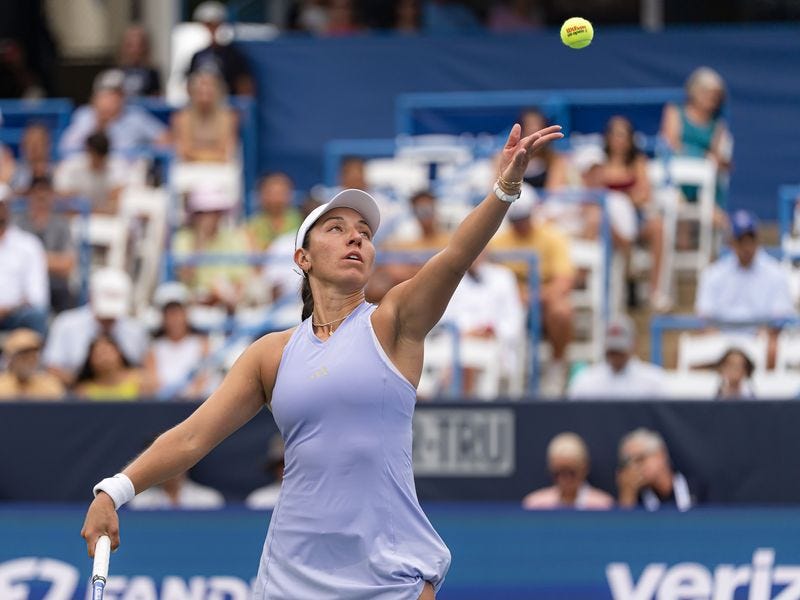
Picture: Jessica Pegula
Other players to watch include Naomi Osaka, Amanda Anisimova, Mirra Andreeva and Marta Kostyuk.
Women’s assessment
Sabalenka remains the player to beat because of her consecutive titles, but Gauff and Świątek enter with stronger recent form.
The women’s field appears deep enough that the eventual champion may be determined by health, serve consistency and the ability to recover between difficult matches. Recent market odds listed Sabalenka first, followed by Świątek, Gauff and Rybakina.
How Technology Is Likely to Affect Future US Opens
The next stage of tennis technology will move beyond simply displaying more statistics. Technology will increasingly interpret information, personalize it and deliver it to the right person at the right time.
1. AI assistants will become the primary interface
Instead of navigating numerous menus and statistics, fans, coaches and analysts will be able to ask questions naturally:
“Why is this player losing?”
“Show me every break point.”
“Compare the players’ serve mechanics.”
“What changed during the second set?”
“Create a two-minute recap focused on the American players.”
“How has her return position changed since the first set?”
The platform will assemble live data, historical context, video and commentary into an immediate answer.
2. Automated and personalized broadcasts
Fans may eventually receive different versions of the same match.
A new fan could see basic explanations, while an experienced coach could receive detailed tactical and biomechanical analysis. International audiences could receive automated commentary in their preferred languages.
Highlights will increasingly be generated according to an individual’s favorite players, countries or types of points.
3. Computer vision will monitor fatigue and technique
The 2026 Serve Quality metric demonstrates the direction of travel.
Future systems could evaluate:
Changes in serve mechanics caused by fatigue
Movement efficiency and court coverage
Stroke preparation and contact position
Balance during wide defensive movements
Technical changes between sets
Potential indicators of physical discomfort
Differences between current movement and a healthy baseline
These insights could make broadcasts more educational and support athlete preparation. However, medical or injury-related interpretations will require proper scientific validation and responsible communication.
4. Biomarkers and movement data will converge
Future athlete-management platforms will combine internal and external information.
A player’s performance team may be able to ask:
“Why has her first-serve speed declined during the last two matches?”
“Is the change primarily technical, physical or fatigue-related?”
“How is his movement different from his healthy baseline?”
“Which recovery intervention is most appropriate before the next round?”
“Does the biomarker profile support a normal training session?”
“What changed in her mechanics after the second set?”
“How should tomorrow’s preparation change based on tonight’s match load?”
AI could evaluate video, computer-vision data, match statistics, biomarkers, sleep, wellness, travel, environmental conditions and medical history before presenting the performance team with the most likely explanations.
5. Predictive systems will become more personalized
Most early athlete-monitoring systems relied heavily on population averages and fixed thresholds. Future platforms will increasingly learn what is normal for each athlete.
This could help answer more useful questions:
Is this workload unusually high for this player?
Is the athlete recovering more slowly than usual?
Does this movement deviation normally appear before discomfort?
How does this player respond to night matches?
Which recovery strategies have worked best for this individual?
However, predictive systems should express uncertainty rather than presenting their outputs as guarantees. An injury-risk score is not a diagnosis, and a recovery score does not replace clinical judgment.
6. Wearables and environmental information will connect
Future analysis may combine court temperature, humidity, rally demands, match duration and permitted athlete data.
This could improve:
Heat-risk management
Hydration strategies
Scheduling
Recovery planning
Sleep interventions
Travel preparation
Return-to-play decisions
The challenge will be governance. Players must know what information is collected, who owns it, who can access it and whether it can be used commercially or competitively.
7. Smarter venues
The renovated National Tennis Center is likely to use technology to improve:
Crowd movement
Entry and security
Food and beverage ordering
Wayfinding
Queue management
Energy consumption
Premium hospitality
Accessibility
Real-time scheduling communication
The objective will be to make an event attended by more than one million people feel more personalized and less congested.
8. Officiating will become increasingly automated
Electronic line calling is already established. Future systems may assist with net touches, double bounces, foot faults, shot-clock administration and other rule decisions.
Human officials will remain important for judgment, player management and unusual situations. Their role will continue shifting from observing every line to supervising a technology-supported competition environment.
9. Digital and physical experiences will merge
Augmented reality could allow spectators to view ball trajectories, serve placement, player movement and live statistics through mobile devices or venue displays.
Remote viewers may eventually enter virtual versions of Arthur Ashe Stadium, select viewing positions and interact with other fans.
The opportunity is not to replace the live experience. It is to extend the energy and information of the US Open beyond the stadium.
10. The best interface, not the most data, will win
Elite tennis already produces enormous amounts of technical, tactical, physical and medical information.
The winning platforms will not necessarily be those that collect the most data. They will be the ones that:
Integrate information seamlessly
Explain why an insight matters
Make uncertainty visible
Protect athlete privacy
Deliver information at the right time
Provide a clear and intuitive user experience
Support rather than replace human expertise
A coach does not need another complicated dashboard. The coach needs to know what changed, why it may have changed and what decision should be considered next.
Conclusion
The US Open has evolved from a small grass-court competition in Newport into one of the world’s largest annual sports and entertainment events.
Its importance can be measured in several ways: more than one million attendees, over $1.2 billion in annual economic impact, $108 million in player compensation, global distribution and an $800 million venue transformation.
Its influence also comes from its willingness to challenge convention.
The tournament pioneered equal prize money and Grand Slam night tennis. It embraced electronic officiating, retractable roofs, data-driven coverage and now generative AI and computer-vision-based biomechanical insights.
Around the tournament, players and their performance teams are beginning to use more sophisticated combinations of biomarkers, video, computer vision, workload data, sleep, wellness and AI. Platforms such as Orreco illustrate how these previously disconnected data sources can be brought together to support recovery, preparation, performance and injury-risk management.
The 2026 competition reflects that combination of history and change. Alcaraz, Zverev and Djokovic face challenges from a new generation in an open men’s draw. Sabalenka is pursuing a third consecutive title while Gauff, Świątek and other contenders attempt to end her New York dominance.
The central takeaway is that the US Open is no longer simply a tennis tournament. It is a global laboratory for the future of sports—where competition, technology, sports science, media, business and entertainment increasingly operate as one connected experience.
What to watch on TV this weekend?
U.S. Open Tennis begins — The main draw starts Sunday in New York. First-round coverage begins at noon, with players including Carlos Alcaraz and Coco Gauff scheduled to open their campaigns. Official U.S. Open schedule
South Africa vs. New Zealand Rugby — The Springboks host the All Blacks in Cape Town on Saturday for the second Test of their four-match series—one of international rugby’s greatest rivalries. World Rugby
College Football Week Zero — The 2026 season begins with North Carolina vs. TCU in Dublin at noon Saturday. Other games include San Jose State at USC, NC State at Virginia, Hawaii at Stanford and Memphis vs. UNLV. NCAA season preview
NASCAR at Daytona — The Coke Zero Sugar 400 takes place Saturday at 7:30 p.m. This is traditionally one of NASCAR’s most unpredictable races because of Daytona’s superspeedway format. NASCAR weekend schedule
IndyCar doubleheader at Milwaukee — The series races Saturday afternoon and again Sunday at 1 p.m. at the historic Milwaukee Mile. Official IndyCar schedule
PGA Tour Championship — The PGA Tour’s season-ending event concludes Sunday at East Lake Golf Club in Atlanta, with final-round television coverage beginning at 1:30 p.m. on CBS. Weekend television schedule
Premier League Soccer — Notable games include Nottingham Forest vs. Liverpool and Newcastle vs. Tottenham on Saturday, followed by Brighton vs. Chelsea and Ipswich Town vs. Manchester United on Sunday. Weekend television schedule
Little League World Series Finals — The international and U.S. championship games take place Saturday, followed by the overall championship Sunday at 3 p.m. on ABC. Weekend television schedule
Major U.S. matchups — MLB features Red Sox–Yankees, Dodgers–Tigers and Astros–Mets, while the WNBA has Chicago at New York Saturday and Minnesota at Atlanta Sunday. Weekend television schedule
You may also like:
🔥Upside ATP Group Video Chat with Al Murphy, Dirk Spits (Tennis Australia) & Zack Evenden on Women Tennis Players, Longevity & Aging Athletes, Travel & Jet Lag.

This week we had the honor to interview a group of ATP sports performance experts in pro tennis.
🎾Upside Analysis: The Australian Open Tennis' Culture of Innovation

The 2025 Australian Open starts today until January 26 at Melbourne Park, so we thought it would make sense to write an analysis about the Australian open tennis. Over the past decade, the Australian Open Tennis has been a pioneer in terms of innovation showcasing some of the most innovative technologies (AI, VR..) at its Grand slam tournament. In this …
🎾Upside Chat with Abdul Sillah, A World’s Class High Performance Coach For Top Athletes (Serena Williams, Naomi Osaka, Aaron Aaron Hicks / New York Yankees)

Today we have the honor to interview Abdul Sillah, a world's class high performance coach who has worked with top athletes such as top tennis players, like Serena Williams, Naomi Osaka, Sloane Stephens, Bianca Andreescu. He also worked with MLB/NFL players.