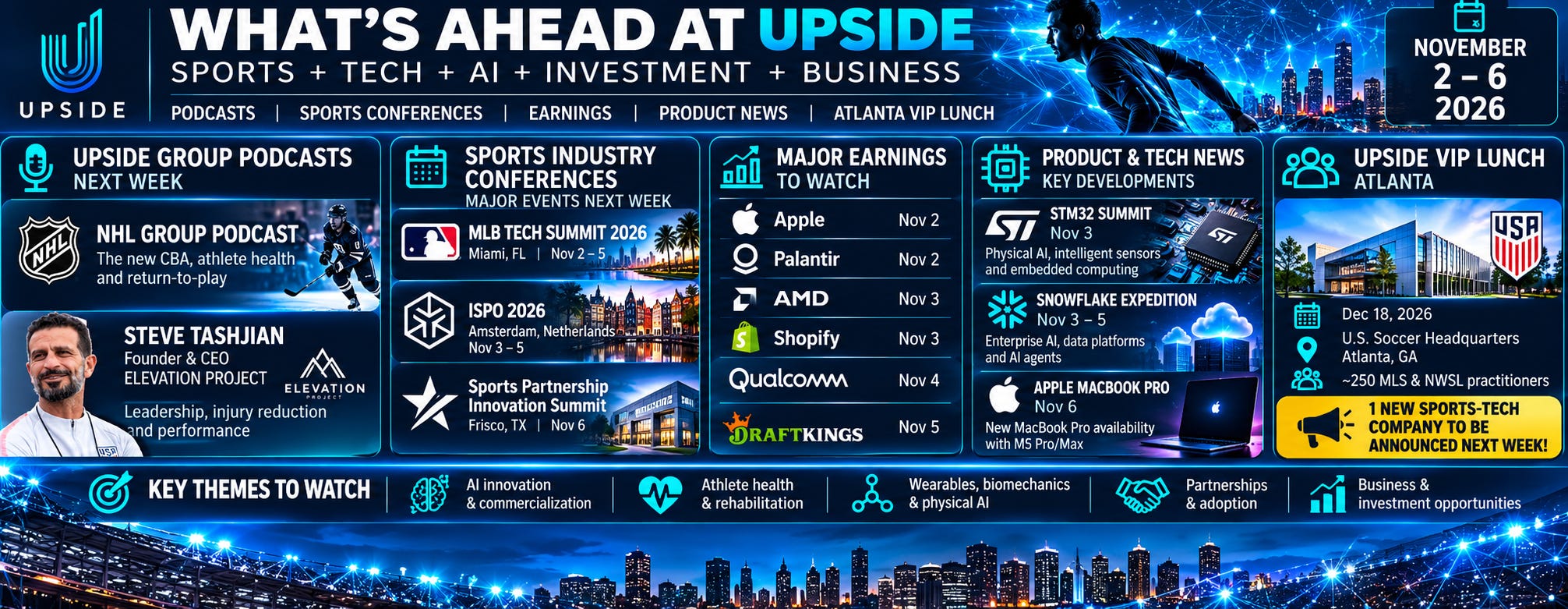
🚀 WHAT’S AHEAD AT UPSIDE | NOVEMBER 2–6, 2026
Sports Technology | AI | Innovation | Business | Elite Sports
Another exciting week ahead at the intersection of elite sports, sports science, artificial intelligence, technology, investment, and business!
Next week, we’ll be following major sports industry conferences, technology earnings, developments in AI and wearable technologies, and important conversations about the future of sports performance, recovery, and innovation.
At Upside, we also have several exciting developments ahead:
🎙️ NHL Group Podcast: A discussion with NHL performance leaders about the new Collective Bargaining Agreement (CBA), return-to-play decisions, and athlete health.
🎙️ Leadership & Performance Podcast: Our conversation with Steve Tashjian, Founder and CEO of the ELEVATION Project, exploring leadership, injury reduction, and innovation in elite sports.
🚀 New Sports-Tech Vendor Announcement: We’ll introduce another innovative company joining our Upside VIP Lunch on December 18 at the U.S. Soccer Headquarters in Atlanta.
📈 Major Earnings: Apple, Palantir, AMD, Qualcomm, Shopify, DraftKings, and other major companies will be on our radar.
🤖 Technology Developments: We’ll continue monitoring AI agents, advanced computing, biomechanics, wearables, and emerging technologies with applications in elite sports.
Here’s what we’ll be following next week.
🏟️ MAIN SPORTS INDUSTRY CONFERENCES
Three major sports industry events are on our radar next week, bringing together executives, technology providers, startups, and commercial partners.
⚾ MLB Tech Summit 2026 — Miami, Florida | November 2–5
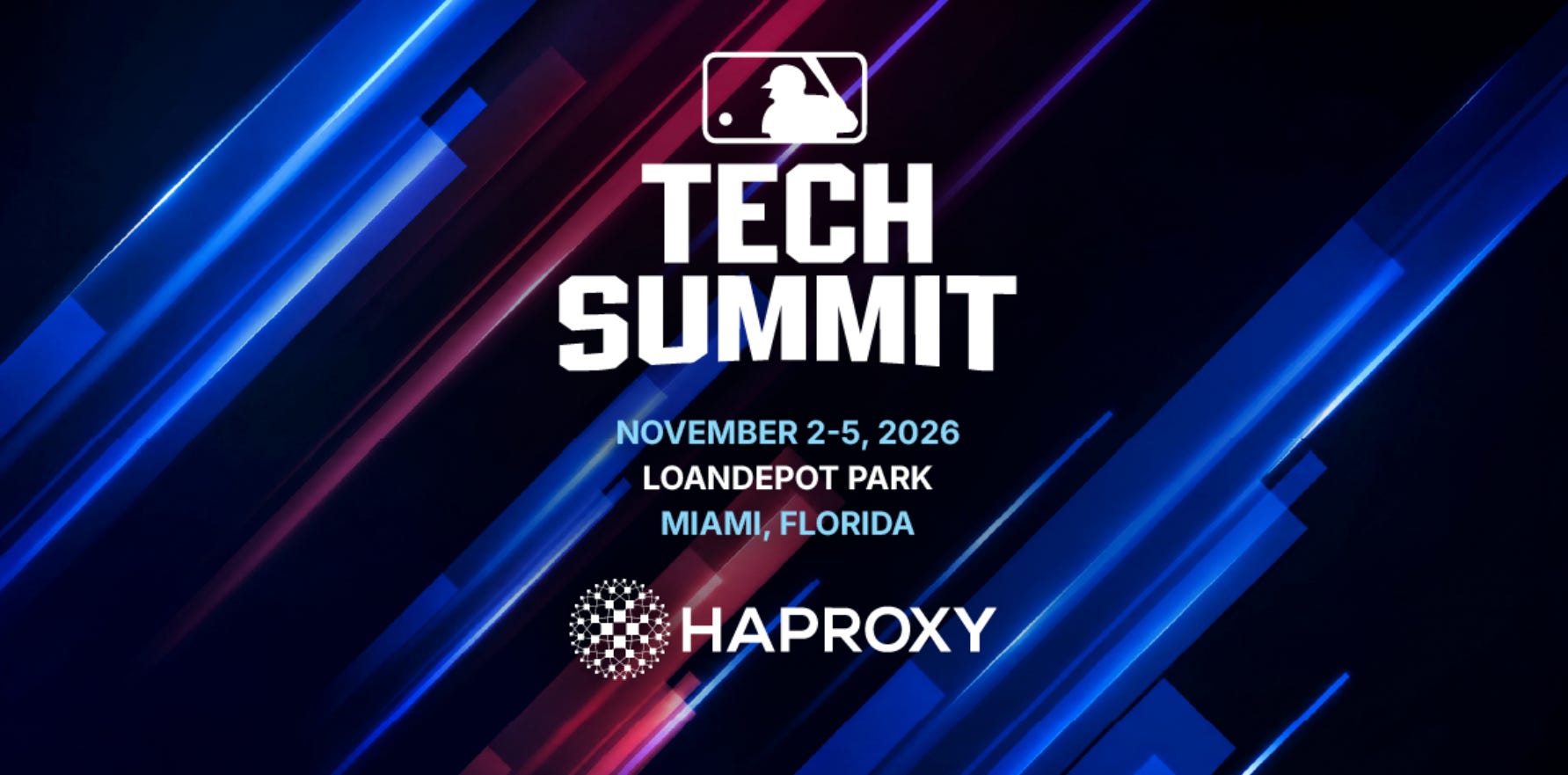
The MLB Tech Summit brings together technology executives and industry professionals to explore innovation, infrastructure, and emerging technologies across professional baseball.
The event provides opportunities for technology leaders to exchange ideas, discuss challenges, and explore how new solutions can improve organizational operations.
Upside Take: Professional sports organizations are becoming increasingly sophisticated technology businesses.
While much of the attention in sports technology focuses on athlete performance, teams also need advanced solutions for cybersecurity, data infrastructure, AI, analytics, and operational efficiency.
For sports-tech startups, understanding the broader technology priorities of professional teams could create new commercial opportunities.
What to watch: Enterprise AI, data infrastructure, cybersecurity, analytics, technology partnerships, and operational innovation.
🤖 STM32 Summit — November 3
STMicroelectronics’ STM32 Summit will explore developments in embedded computing, intelligent devices, and Physical AI.
Upside Take: Embedded AI could be particularly important for the next generation of sports performance technologies.
Smaller, more powerful processors can enable real-time data processing in wearables, intelligent training equipment, and movement monitoring devices.
For sports-tech startups, these advances could create opportunities to develop more portable, efficient, and sophisticated products.
What to watch: Physical AI, intelligent sensors, embedded computing, edge AI, and smart devices.
🏃 ISPO 2026 — Amsterdam, Netherlands | November 3–5

ISPO is one of the major international gatherings for the sports and outdoor industries, bringing together brands, manufacturers, innovators, retailers, and technology companies.
The event provides a platform for showcasing emerging products, exploring consumer trends, and building partnerships across the global sports ecosystem.
Upside Take: Some of the most interesting innovations in elite sports originate outside professional teams.
Advances in wearable technology, smart textiles, sensors, materials, and connected equipment can eventually find applications in professional sports performance, rehabilitation, and athlete monitoring.
We are particularly interested in technologies that can move from the consumer market into high-performance environments.
What to watch: Wearables, smart equipment, sensors, recovery technologies, connected products, and emerging sports-tech startups.
🤝 Sports Partnership Innovation Summit — Frisco, Texas | November 6
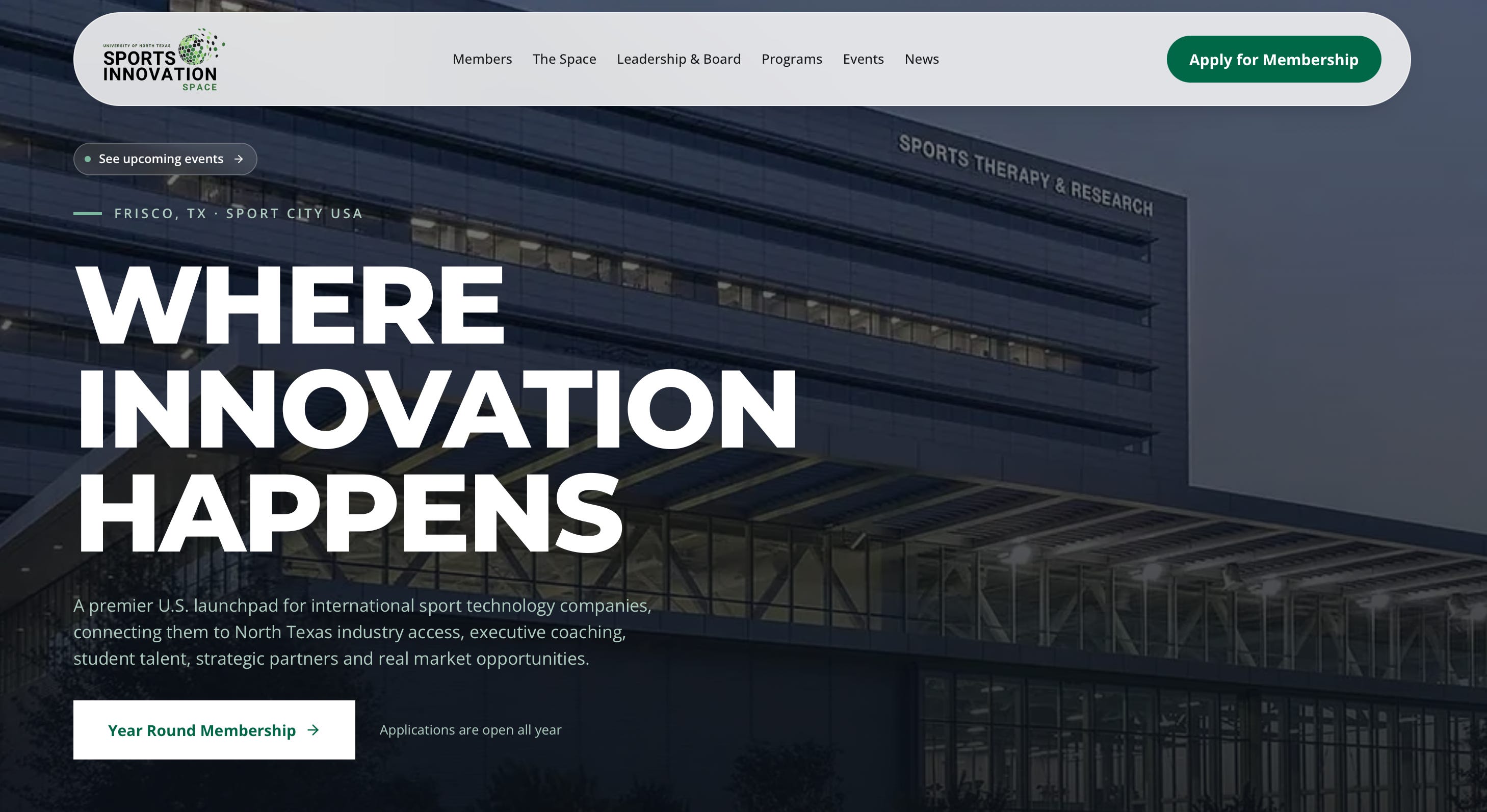
The Sports Partnership Innovation Summit focuses on the intersection of sports business, partnerships, technology, and innovation.
The event provides opportunities for sports organizations, startups, investors, and commercial partners to explore new business models and collaboration opportunities.
Upside Take: Partnerships are becoming increasingly important for sports-tech startups.
Building a great product is only the beginning. Startups must also identify the right distribution channels, strategic partners, investors, and organizations that can help accelerate adoption.
For early-stage sports-tech companies, partnerships with teams, leagues, healthcare organizations, and established technology providers can be valuable growth drivers.
What to watch: Strategic partnerships, startup innovation, sports business models, investment opportunities, and commercialization.
📈 MAIN EARNINGS TO WATCH
Next week will be particularly interesting for technology investors, with several major companies reporting quarterly earnings.
For sports-tech startups, these results can provide valuable insights into AI investment, semiconductor innovation, cloud infrastructure, consumer technology, and the economics of digital platforms.
🍎 Apple — November 2

Apple’s earnings will be closely watched for developments in its hardware ecosystem, AI strategy, services, and consumer technology.
Upside Take: Apple’s continued development of on-device AI, powerful processors, and connected devices could have important implications for sports technology.
For companies developing biomechanics, movement analysis, computer vision, and wearable applications, more powerful computing capabilities could enable faster processing and more sophisticated analytics.
What to watch: AI capabilities, device performance, wearables, services, and ecosystem development.
🤖 Palantir — November 2

Palantir’s earnings will offer another perspective on enterprise AI adoption, data integration, and the commercialization of advanced analytics.
Upside Take: One of the biggest opportunities for AI in professional sports is connecting data that currently sits in separate systems.
Teams collect enormous amounts of information from GPS devices, force plates, athlete management systems, medical assessments, video, and performance testing.
The challenge is turning that information into meaningful decisions.
What to watch: Enterprise AI, data integration, AI agents, automation, and commercial adoption.
💻 AMD — November 3
AMD’s earnings will highlight developments in AI computing, processors, data centers, and semiconductor demand.
Upside Take: Advanced computing is becoming increasingly important for sports technology companies working on video analysis, markerless motion capture, biomechanics, and AI-driven performance platforms.
Greater computing efficiency could make sophisticated analysis more accessible to teams and startups.
What to watch: AI chips, processing power, data centers, edge computing, and AI infrastructure.
🛍️ Shopify — November 3

Shopify’s results will provide insights into digital commerce, merchant technology, and AI-powered business tools.
Upside Take: Sports organizations are increasingly digital businesses. Improvements in commerce platforms, automation, and customer analytics could influence merchandising, direct-to-consumer strategies, and fan engagement.
What to watch: AI-powered commerce, digital transactions, automation, and merchant growth.
📱 Qualcomm — November 4

Qualcomm’s earnings will provide insights into mobile computing, connectivity, and on-device AI.
Upside Take: Edge AI could become particularly important for wearable and biomechanics startups.
The ability to process more information directly on devices, rather than constantly relying on the cloud, could help reduce latency and improve real-time applications.
What to watch: Edge AI, wearable computing, connectivity, chips, and intelligent devices.
🏈 DraftKings — November 5
DraftKings’ earnings will provide a view into the sports betting and digital gaming markets.
Upside Take: Sports betting, prediction markets, and fan engagement are becoming increasingly interconnected.
For sports-tech investors, the key questions will be customer acquisition costs, regulatory developments, profitability, and the sustainability of new business models.
What to watch: Sports betting, customer acquisition, digital engagement, prediction markets, and profitability.
The Bigger Question for Sports-Tech Startups
Major technology companies continue investing heavily in AI infrastructure and new capabilities.
But the question is shifting from what AI can do to how much measurable value it creates.
For sports-tech startups, this is particularly important.
Teams are looking for technologies that improve productivity, support better decisions, reduce operational complexity, and demonstrate meaningful value.
Innovation alone is not enough. Practical applications and measurable results matter.
🚀 PRODUCT & TECHNOLOGY DEVELOPMENTS TO WATCH
Several technology events and product developments deserve particular attention next week.
🍎 Apple — New MacBook Pro Availability | November 6
Apple’s latest MacBook Pro developments will be another example of the industry’s focus on computing performance and AI capabilities.
Upside Take: More powerful computing hardware can help sports-tech companies process video, analyze movement, and develop AI applications more efficiently.
For startups working in computer vision, biomechanics, and advanced analytics, computing performance remains an important enabler of innovation.
What to watch: AI processing, computing performance, video analysis, and developer capabilities.
⌚ Wearables & Continuous Athlete Monitoring
We’ll continue following developments in wearable sensors, physiological monitoring, sleep technology, and athlete recovery.
Upside Take: The next generation of wearable technologies may provide increasingly detailed information about athletes outside traditional training and competition environments.
However, more data does not automatically lead to better decisions.
Validation, usability, and integration into daily workflows will remain critical.
What to watch: Continuous monitoring, recovery, sleep, physiological biomarkers, and wearable AI.
📹 Biomechanics, Computer Vision & Physical AI
Advances in computer vision and AI-powered movement analysis continue creating opportunities for sports technology companies.
Upside Take: One particularly interesting trend is the ability to capture movement information without requiring complex laboratory environments.
Portable and markerless solutions could make biomechanics more accessible for training, rehabilitation, return-to-play, and skill acquisition.
What to watch: Markerless motion capture, movement intelligence, computer vision, edge computing, and Physical AI.
🎙️ AT UPSIDE — UPCOMING PODCASTS
🏒 NHL Group Podcast — The New CBA, Athlete Health & Return-to-Play
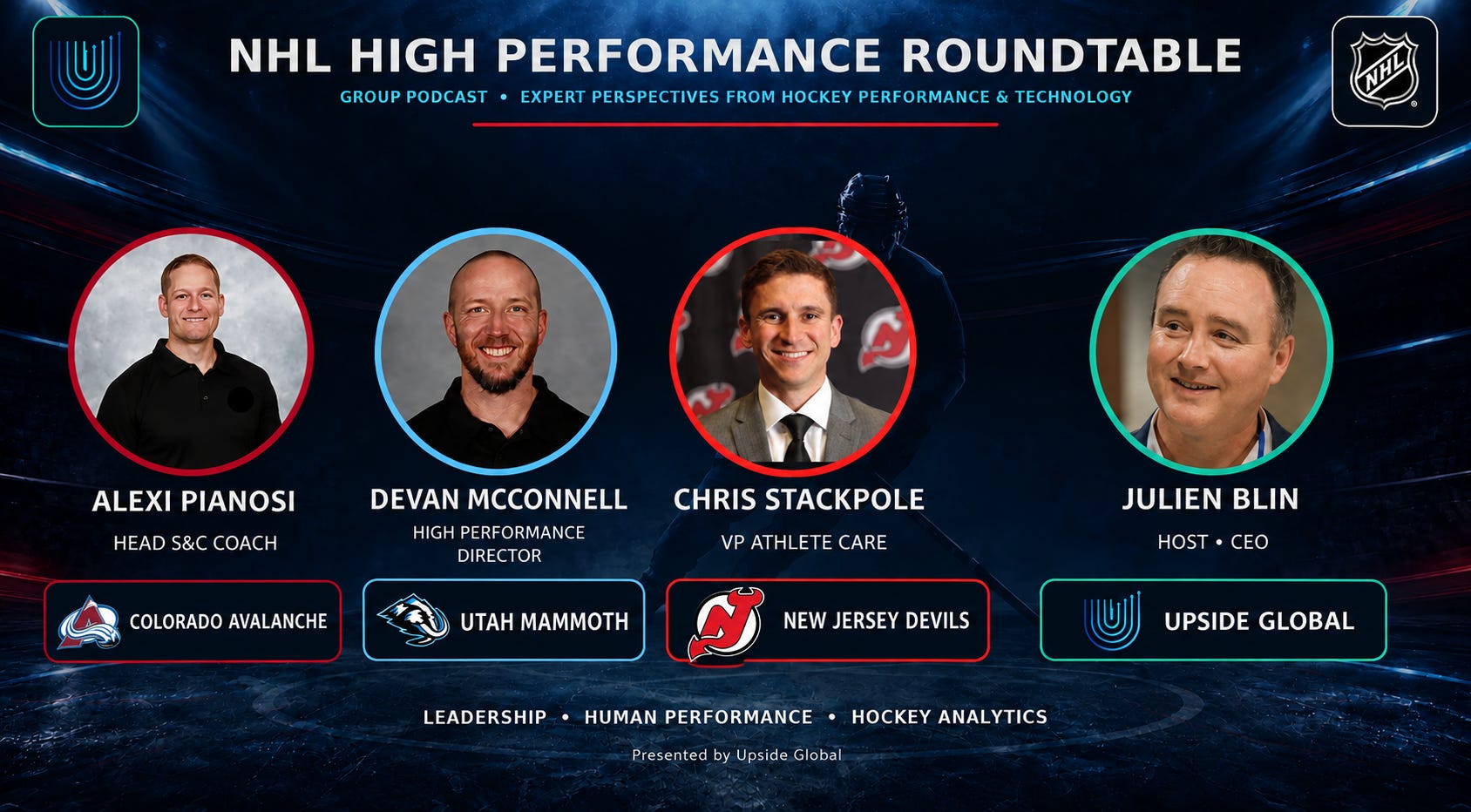
We’re preparing a group podcast with experienced NHL performance and medical leaders to discuss how the new NHL Collective Bargaining Agreement could influence athlete health, performance, and return-to-play decisions.
Among the topics we’ll explore:
Changes to Long-Term Injured Reserve (LTIR) rules and their potential impact on return-to-play decisions.
The implications of an 84-game regular season and shorter preseason.
How performance and medical departments manage the balance between athlete health and competitive demands.
Communication and collaboration between practitioners, coaching staffs, and management.
What these changes could mean for the future of athlete care in the NHL.
Upside Take: Rules and scheduling changes can have significant implications for how teams manage athletes.
Return-to-play decisions should remain grounded in medical evidence, athlete readiness, and long-term health.
We’re looking forward to hearing directly from experienced NHL practitioners about these challenges and best practices.
🎙️ Leadership, Injury Reduction & Performance — Steve Tashjian
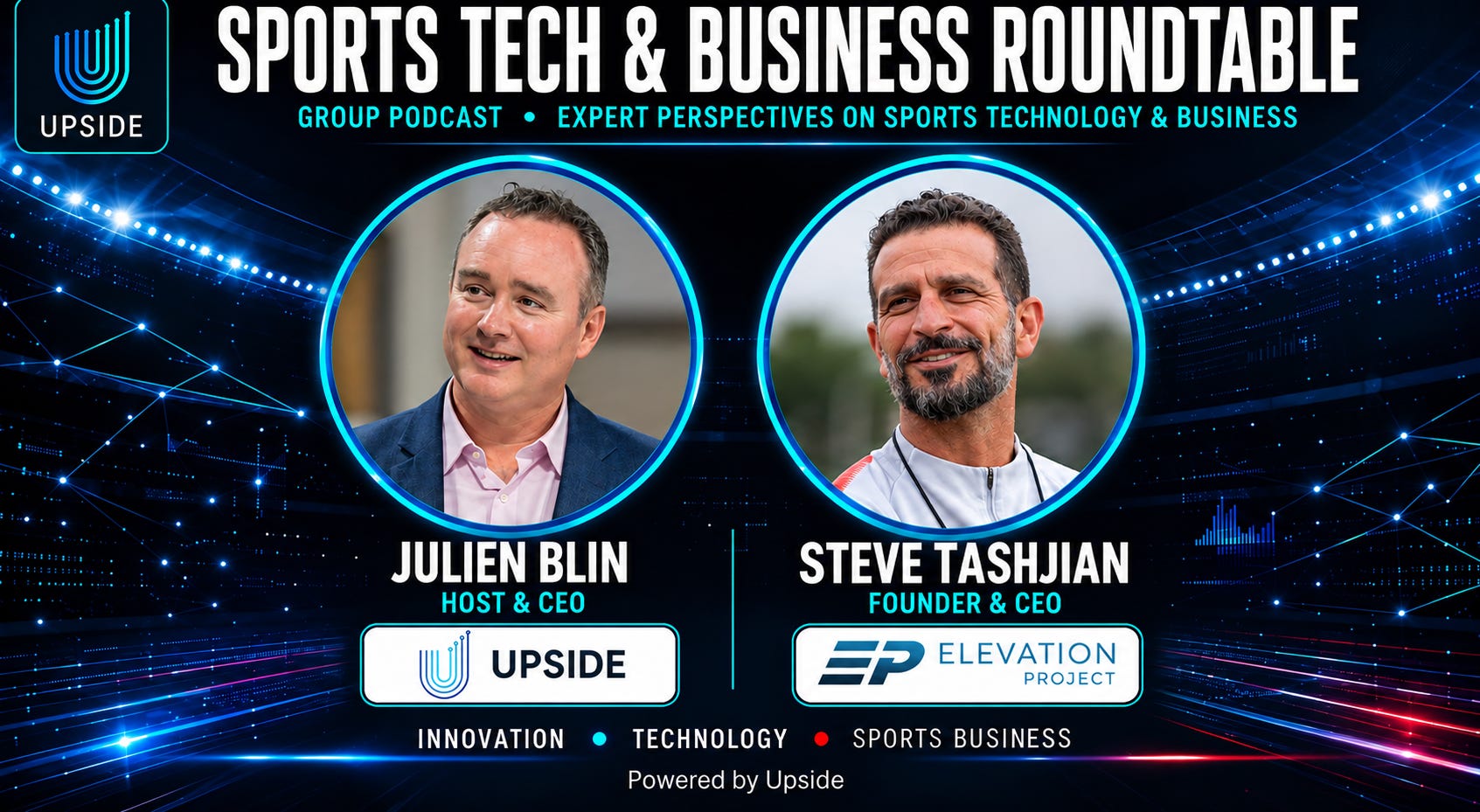
We’re also excited to feature our conversation with Steve Tashjian, Founder and CEO of the ELEVATION Project.
Steve brings extensive experience working in elite sports performance and leadership.
During our conversation, we discussed:
Steve’s background and experience in elite sports.
What leadership means in high-performance environments.
The importance of injury reduction and building effective performance systems.
The ELEVATION Project and its mission.
Why collaboration, education, and innovation are essential for the future of athlete performance.
Upside Take: Technology plays an increasingly important role in elite sports, but leadership, communication, and organizational culture remain fundamental to success.
Building an effective high-performance environment requires more than collecting data or adopting the latest technologies.
It requires the right people, processes, and shared vision.
Stay tuned for our conversation with Steve!
🚀 UPSIDE VIP LUNCH — ATLANTA, DECEMBER 18
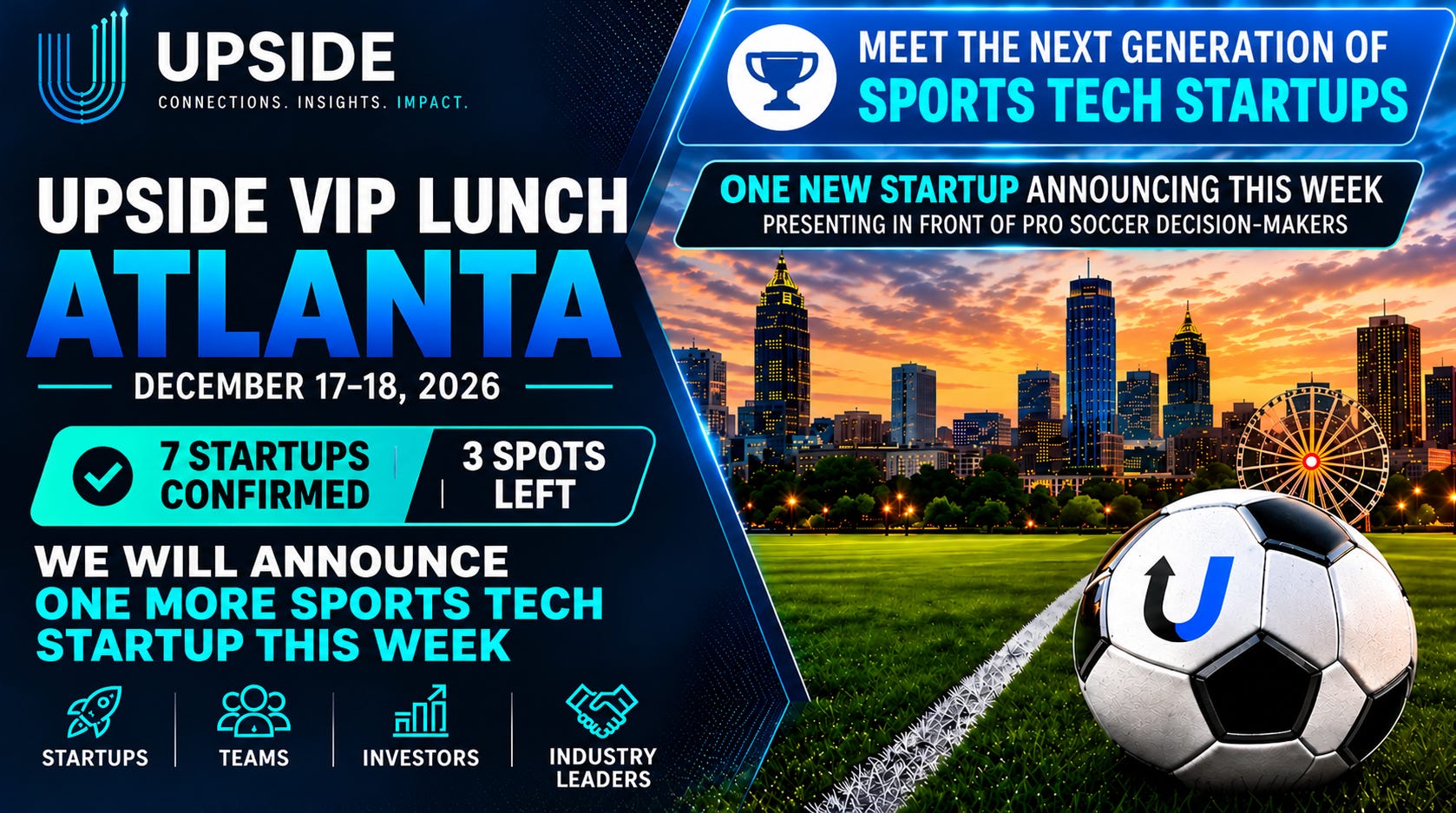
Preparations continue for our upcoming Upside VIP Lunch at the new U.S. Soccer Headquarters in Atlanta.
📅 December 18, 2026 | 12:00–2:30 PM
📍 U.S. Soccer Headquarters, Atlanta, Georgia
👥 Approximately 250 MLS and NWSL practitioners and decision-makers expected.
The event will bring together sports performance directors, athletic trainers, rehabilitation specialists, sports scientists, and innovative sports technology companies.
Selected startups will have opportunities to present their technologies, showcase their products, participate in speed-dating sessions, and connect directly with practitioners and decision-makers.
🚀 One New Sports-Tech Company to Be Announced Next Week!
We’re excited to announce that another innovative sports technology company will be joining our lineup of presenting vendors at the Upside VIP Lunch in Atlanta!
We’ll share more about the company, its technology, and its potential applications in elite sports next week.
Stay tuned!
Upside Take: One of the biggest challenges for sports-tech startups is gaining meaningful access to professional teams and the practitioners responsible for evaluating new technologies.
Our goal is to create an environment where innovative companies can showcase their solutions, receive direct feedback, and build valuable relationships with sports organizations.
We believe that connecting startups with practitioners is one of the most effective ways to accelerate innovation in elite sports.
🔮 THE BIG PICTURE — FIVE TRENDS WE’RE WATCHING
1. AI is moving from experimentation to real-world implementation.
Sports organizations are increasingly evaluating how AI can improve productivity, data integration, scouting, and performance workflows.
2. The convergence of healthcare and sports performance continues.
Wearables, physiological monitoring, rehabilitation technologies, and medical analytics are creating opportunities across multiple industries.
3. Computing innovation could accelerate sports-tech development.
Advances in chips, edge AI, and computer vision could make sophisticated movement analysis and monitoring technologies more accessible.
4. Sports-tech startups must demonstrate measurable value.
Product innovation remains important, but evidence, usability, customer support, and clear ROI are essential for long-term success.
5. Practitioners and leadership remain central to innovation.
Our upcoming NHL discussion and conversation with Steve Tashjian reinforce an important principle: technology is most valuable when it supports people and improves real-world decisions.
CONCLUSION — CONNECTING INNOVATION WITH ELITE SPORTS
Another exciting week lies ahead across sports, technology, investment, and business.
From the MLB Tech Summit in Miami and ISPO in Amsterdam to major technology earnings and advances in AI, there will be plenty of developments to follow.
New technologies in wearables, biomechanics, intelligent computing, and data analytics could create important opportunities for sports technology companies and professional teams.
Through our upcoming NHL group podcast and conversation with Steve Tashjian, we’ll continue exploring best practices, leadership, athlete health, and the challenges facing practitioners in elite sports.
And we’ll announce another innovative company joining our Upside VIP Lunch in Atlanta on December 18!
At Upside, our mission remains the same: connecting teams, practitioners, startups, and investors while identifying technologies, trends, and ideas that can make a meaningful difference in elite sports.
We’re looking forward to another exciting week of conversations, innovation, and opportunities.
Stay tuned!