
Introduction
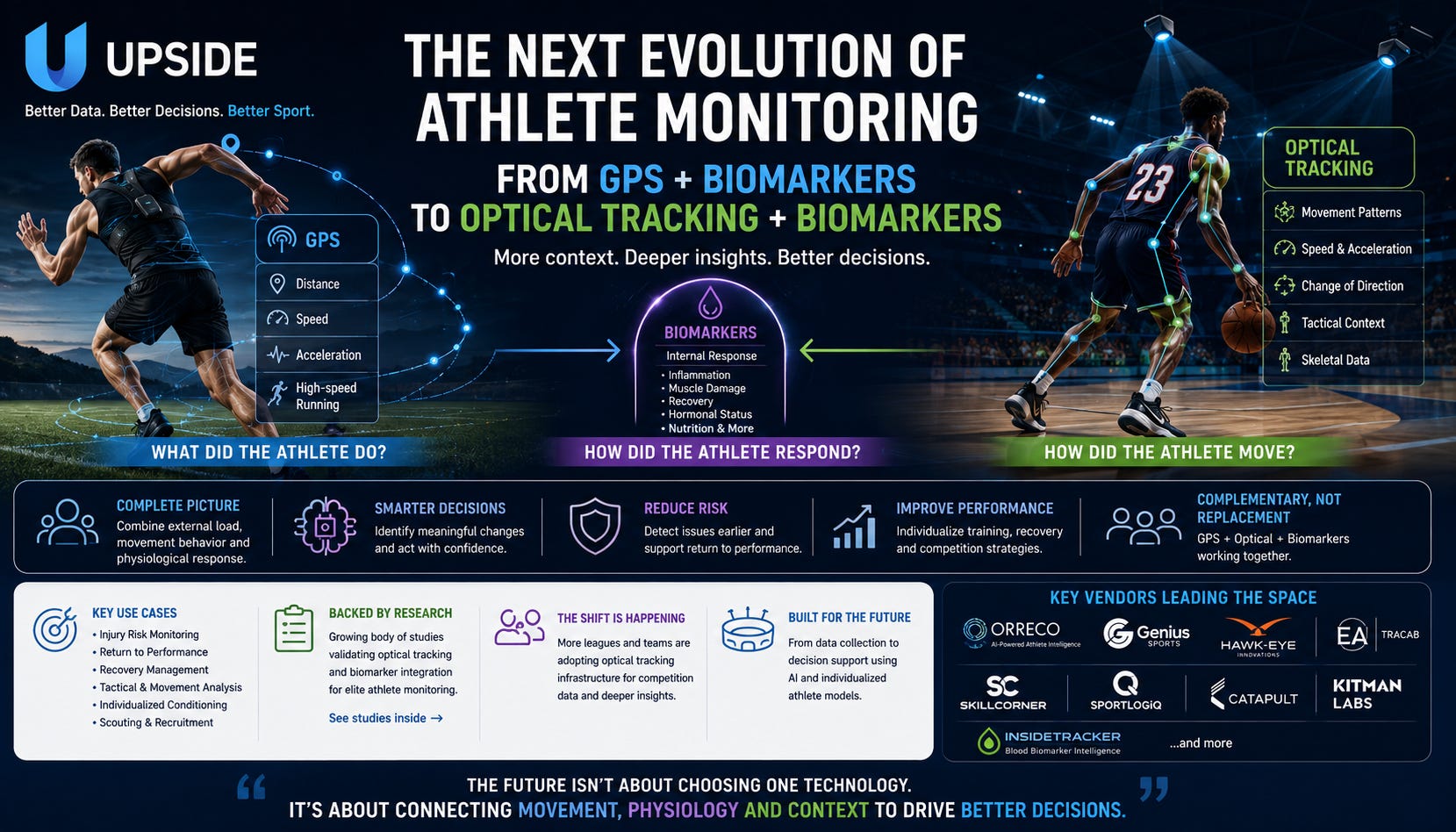
For more than a decade, GPS/GNSS plus biomarkers has been one of the most common approaches to athlete monitoring in elite team sports.
GPS provides an increasingly sophisticated picture of external load: distance, speed, acceleration, deceleration, high-speed running and other movement metrics.
Biomarkers provide a complementary picture of internal response: inflammation, oxidative stress, muscle damage, nutritional status, hormonal status and other physiological indicators.
Together, they provide something neither technology can provide independently:
What did the athlete do — and how did the athlete respond?
However, a new architecture is emerging.
As optical tracking systems become more accurate, more widely deployed and increasingly capable of capturing not only player position but also movement patterns, skeletal information and contextual game data, teams have a new option:
Optical tracking + biomarkers.
This is particularly relevant in sports where optical tracking infrastructure is already installed in arenas or stadiums and where wearable technologies cannot be used, are inconvenient, or provide only a partial view of competitive demands.
The transition is therefore unlikely to be:
GPS → optical tracking
Instead, the more realistic evolution is:
GPS + biomarkers → optical tracking + GPS + biomarkers → optical tracking + biomarkers + contextual data + AI
The question for teams is no longer simply which tracking technology is more accurate.
The bigger question is:
Which combination of data gives performance, medical and coaching staff the clearest picture of what happened, how the athlete responded, and what should happen next?
1. Key Trends
Trend 1 — Optical tracking is moving from “analytics” to “athlete monitoring”
Optical tracking was initially associated primarily with tactical analysis, broadcasting and fan engagement.
That is changing.
Modern optical systems can provide:
player position
speed
acceleration/deceleration
distance
spacing
movement trajectories
changes of direction
positional context
tactical behavior
skeletal/pose information
movement signatures
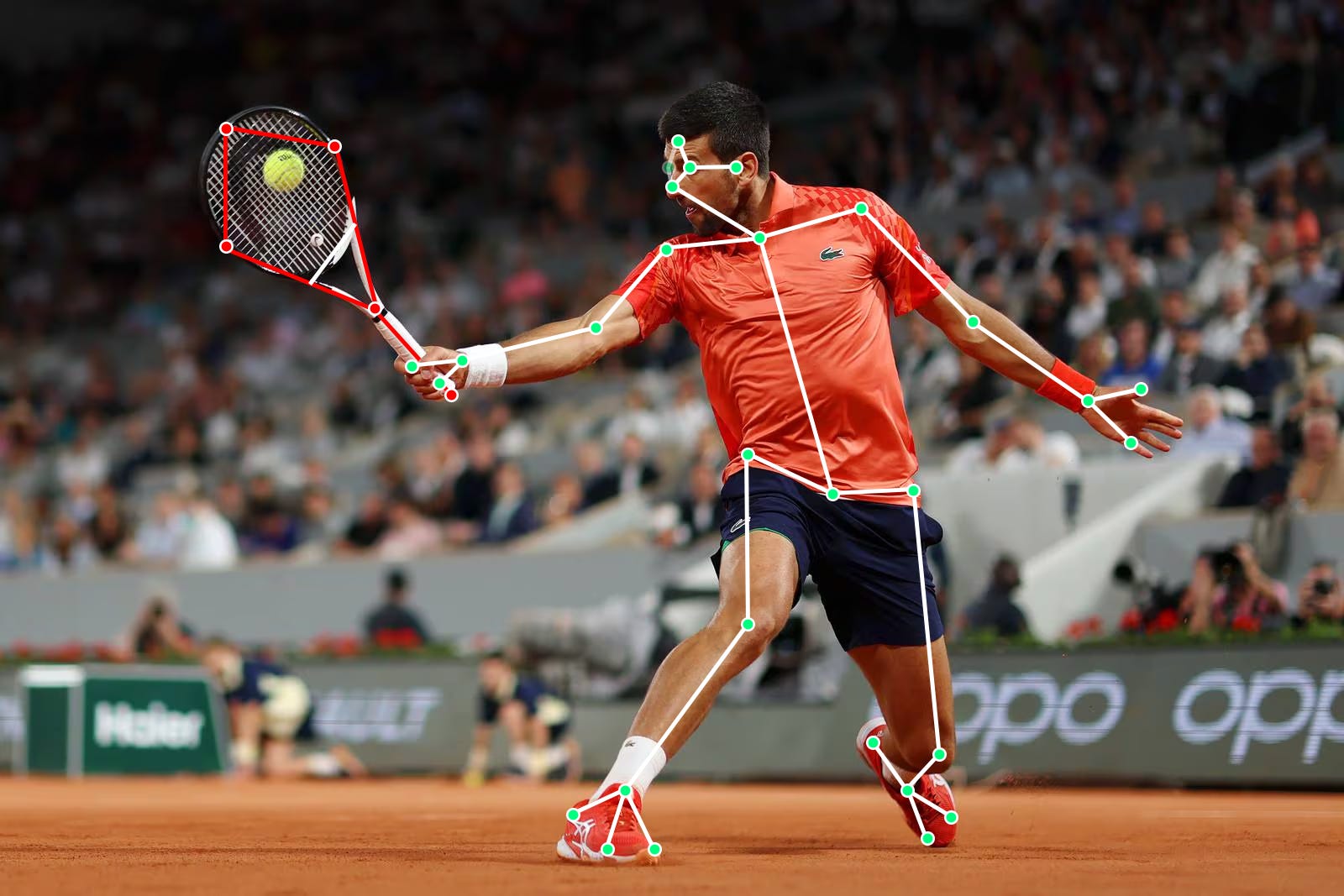
This makes optical tracking increasingly relevant to performance departments rather than only analysts.
The 2026 research literature is also becoming more sophisticated. A recent Journal of Sports Analytics study evaluated commercial computer-vision tracking systems against TRACAB and showed that computer-vision tracking can provide useful positional and speed data, although accuracy varies substantially by provider, camera feed and whether players are successfully detected.
This is important: optical tracking is becoming more viable, but teams should not treat all computer-vision systems as equivalent.
Trend 2 — Competition data is increasingly becoming “wearable-free”
One of the strongest arguments for optical tracking is simple:
The athlete does not have to wear anything.
That matters particularly in:
NBA
WNBA
NHL
basketball
some football environments
other indoor sports
The NBA provides a good example. League-wide 3D optical tracking has created a competition environment in which player movement can be captured without relying on individual wearable devices.
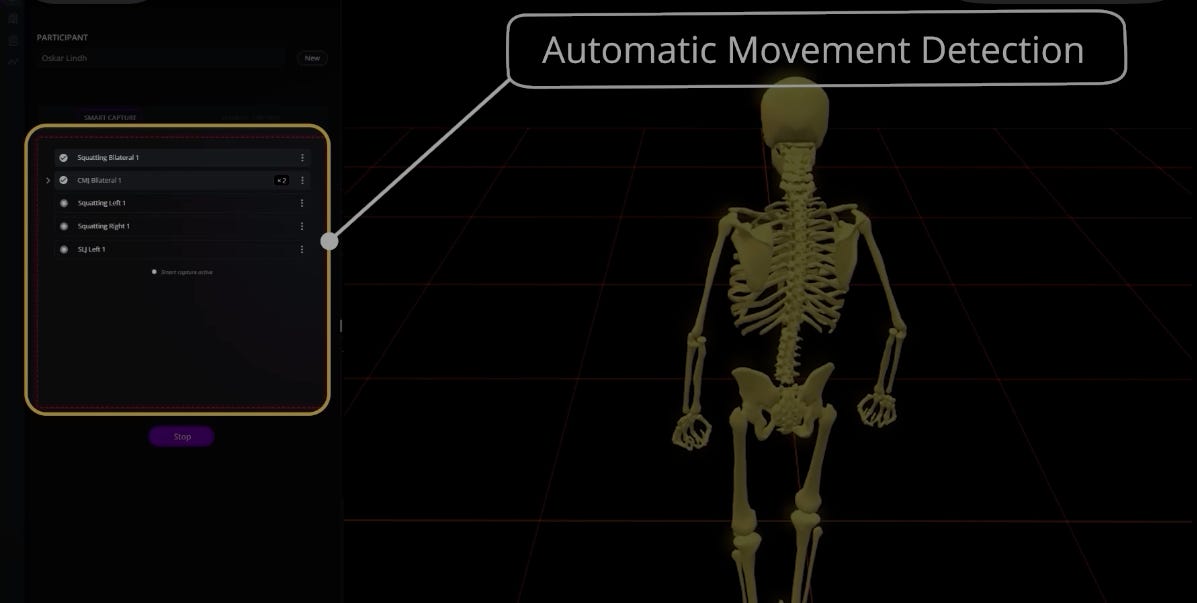
Picture: OnTraq’s 3D markerless solution by Qualisys.
The WNBA has also adopted league-wide 3D optical tracking.
This creates an interesting opportunity for performance departments: The competition data can be captured automatically, while biomarkers can provide the athlete-specific physiological response.
Trend 3 — Teams increasingly want context, not just workload
GPS answers questions such as:
How far did the player run?
Optical tracking can increasingly answer:
What was the player actually doing?
For example:
Was the player repeatedly changing direction?
Was the player operating in unusual areas of the field?
Did movement patterns change late in the game?
Did a player’s normal movement signature change?
Was the player exposed to unusual acceleration/deceleration sequences?
Was the athlete repeatedly involved in specific tactical situations?
How did the player’s movement change relative to previous games?
This is a fundamentally different level of information.
GPS produces a physical workload profile.
Optical tracking can potentially produce a movement behavior profile.
That distinction may become one of the most important developments in athlete monitoring over the next five years.
Trend 4 — Biomarkers become more valuable when external load becomes richer
Biomarkers are often most useful when they are interpreted in context.
A high CK level, for example, means something different depending on:
recent training load
match exposure
travel
sleep
previous injury
position
training phase
individual baseline
The same applies to inflammation or oxidative-stress markers.
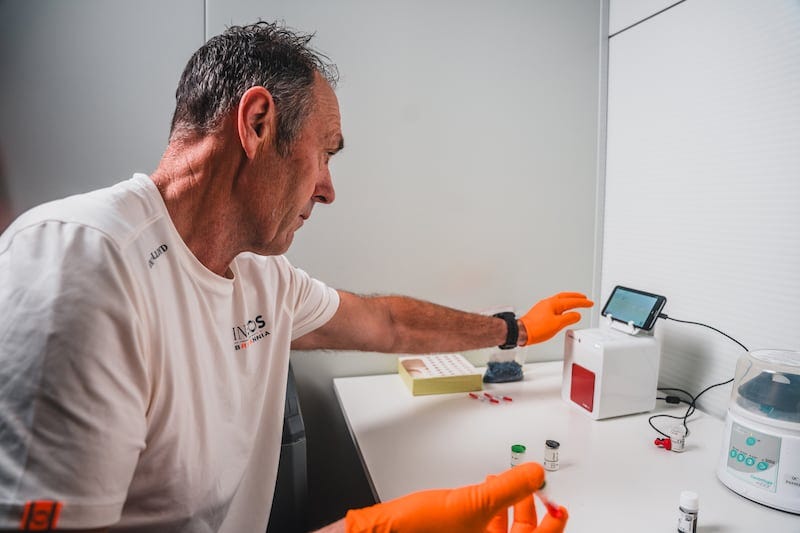
Picture: Orreco’s biomarker solution
If the external-load dataset becomes more granular through optical tracking, teams can potentially ask more sophisticated questions:
Did this athlete’s physiology change after a specific type of movement exposure?
Rather than simply:
Did this athlete run a lot?
That creates a much more interesting research opportunity.
2. Key Use Cases
2.1 Injury-risk monitoring
The traditional model has often been:
GPS load → algorithm → injury-risk score
The new model can become:
Movement behavior + physiological response + medical history → individualized risk signal
Optical tracking potentially provides information about movement deviations that GPS cannot capture.
For example, an athlete may maintain similar total distance and sprint numbers while subtly changing:
cutting behavior
acceleration patterns
turning patterns
movement symmetry
movement smoothness
preferred movement sequences
This is one of the areas being explored by Orreco’s Motion Signal platform.
Orreco reports that its early research identified 85% of subsequent hamstring injuries with 86% specificity using individualized movement signatures. Those findings should be treated as early/vendor-reported evidence rather than established clinical evidence, but they illustrate the direction of the market.
The important development is not the percentage itself.
It is the concept: movement deviation may contain information that conventional workload metrics miss.
2.2 Return to performance
Optical tracking could become particularly valuable during return-to-play/return-to-performance.
Instead of simply asking whether an athlete has completed a certain amount of running, teams could compare:
Current movement behavior vs. historical competition movement behavior.
For example:
acceleration profile
deceleration profile
cutting
sprint mechanics
curvilinear running
movement volume
movement variability
position-specific movements
Biomarkers could then provide an additional layer describing the athlete’s physiological response.
This creates a potential three-layer RTP model:
Movement capacity → physiological response → competitive exposure
2.3 Post-game recovery decisions
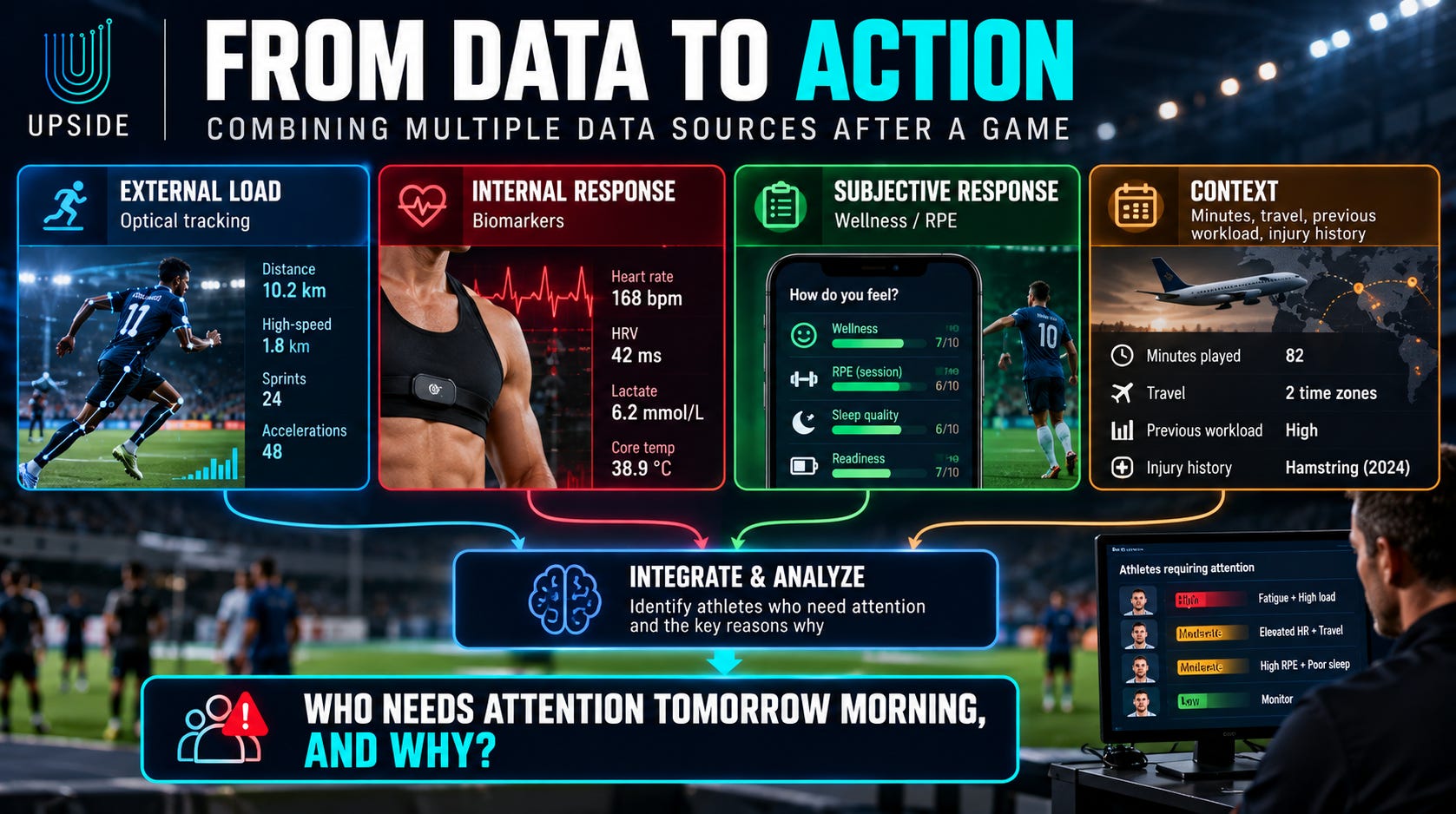
Immediately after a game, performance staff could combine:
External load
Optical tracking
Internal response
Biomarkers
Subjective response
Wellness/RPE
Context
Minutes, travel, previous workload, injury history
The objective is not to create another dashboard.
It is to answer:
Who needs attention tomorrow morning, and why?
2.4 Individualized conditioning
Optical tracking can help teams reproduce the actual movement demands of competition.
For example:
“This player needs more high-speed linear running.”
is very different from:
“This player needs to reproduce the specific acceleration, deceleration and change-of-direction profile observed in the final 15 minutes of competition.”
The second approach potentially creates much more sport-specific conditioning.
2.5 Tactical-performance integration
One major advantage of optical tracking is that physical data can be connected to tactical context.
A team could potentially analyze:
movement + tactical role + physiological response
For example:
pressing workload
defensive coverage
transition workload
repeated high-intensity actions
off-ball movement
spacing
changes in tactical role
This is difficult to reproduce using GPS alone.
2.6 Scouting and recruitment
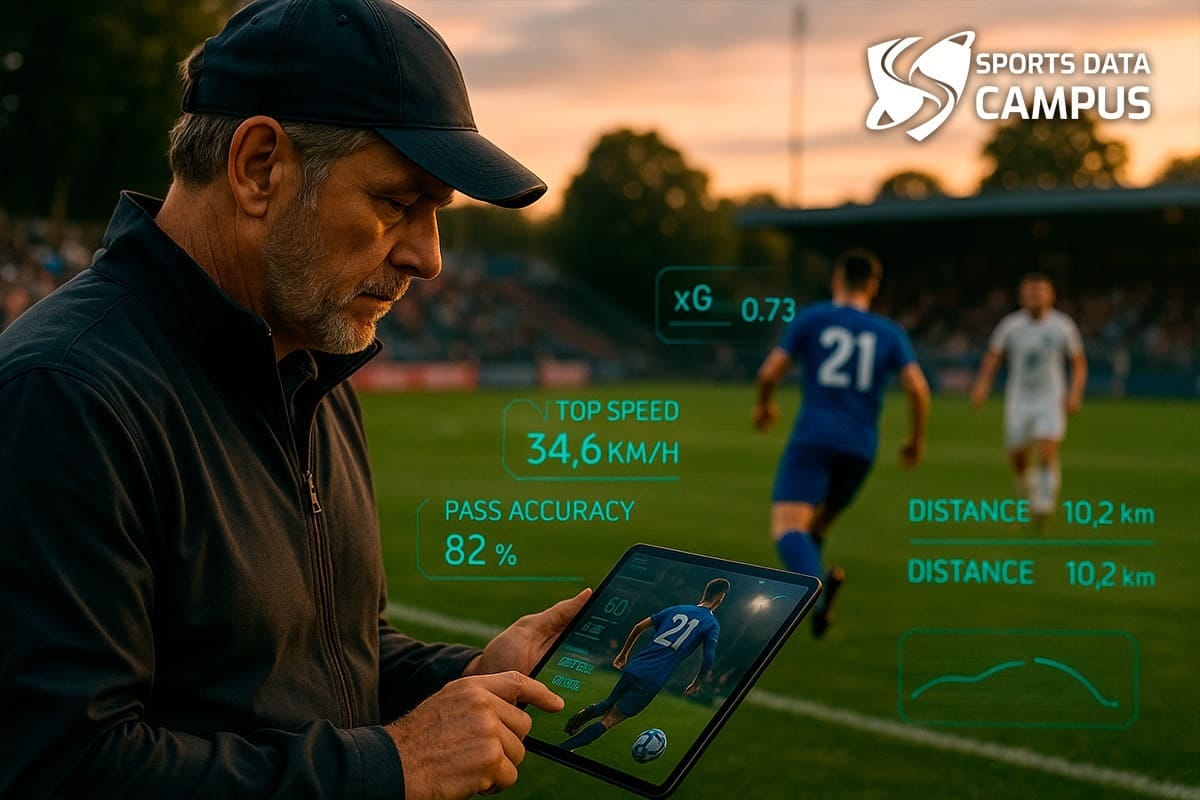
Optical tracking also creates an interesting bridge between performance and recruitment.
Teams can potentially compare:
movement profiles
peak velocity
acceleration
explosiveness
change of direction
positional behavior
tactical fit
physical output
across leagues and competitions.
This is particularly relevant to platforms such as SkillCorner, which provide computer-vision tracking data across large numbers of competitions.
The future could therefore connect:
Recruitment → performance → medical → biomarkers
rather than treating these as separate datasets.
3. Current Studies and Evidence
The evidence base is developing rapidly, but it is important to distinguish between three different categories:
Optical tracking validation
Biomarker/internal-load research
True multimodal studies combining movement and physiological data
The first two categories are relatively mature.
The third is still emerging.
Study 1 — GPS vs Optical Tracking in EPL
A recent study involving 26 professional English Premier League players compared 10-Hz GPS with a 25-Hz optical tracking system from Second Spectrum.
The systems were highly correlated, but optical tracking produced higher values for several metrics, including total distance, high-speed running and sprint distance.
The practical implication is important:
Teams cannot simply assume that GPS and optical numbers are interchangeable.
They need calibration and sport/team-specific conversion models.
Study 2 — GPS vs Optical Tracking in Professional Soccer
A 2023 study compared Catapult GNSS and Tracab optical tracking across 16 official matches involving professional players in the Polish Ekstraklasa.
Total distance showed strong agreement, but agreement became weaker for more specific measures such as high-speed and sprint counts.
Again, the conclusion is not that one system automatically replaces the other.
It is that measurement systems can produce materially different numbers even when they are attempting to measure the same physical phenomenon.
Study 3 — Computer Vision Using Broadcast Footage
A 2026 Journal of Sports Analytics study evaluated three commercial computer-vision providers using FIFA World Cup footage.
The study found meaningful variation between providers and configurations.
Position RMSE ranged from 1.68 to 16.39 meters and speed RMSE from 0.34 to 2.38 m/s depending on provider and configuration.
The tactical camera feed generally produced better detection.
This is an important warning for teams:
“AI optical tracking” is not a single technology category.
Teams need to evaluate:
camera infrastructure
detection rate
positional accuracy
speed accuracy
occlusion handling
extrapolation
sampling rate
latency
skeletal accuracy
consistency over time
Study 4 — External Load + Biomarkers
A 2026 Scientific Reports study followed 25 elite youth soccer players for three months and compared external load measured with a local positioning system with RPE, sleep, CK, LDH, CRP, cortisol, transferrin and other markers.
The results showed that relationships existed between external load and biomarkers, but subjective measures were generally more consistent than biomarkers.
This is extremely important.
It reinforces that biomarkers should not become another automatic red/yellow/green score. They should be interpreted in context.
Study 5 — Individualized Biomarker Reference Ranges
A recent study involving English Premier League players examined individualized adaptive reference ranges for longitudinal blood monitoring.
The research supports the idea that athlete-specific baselines can be more useful than simply comparing athletes with generic population reference ranges.
This is directly relevant to the optical + biomarker model:
The future is likely to be athlete-specific rather than population-based.
Study 6 — Internal + External Load and Neuromuscular Performance
The authors concluded that practitioners should use a multi-metric approach rather than relying on a single load variable.
This supports the broader shift toward multimodal athlete monitoring.
Study 7 — Barcelona Multimodal Research
A 2026 preprint examined 26 FC Barcelona first-team players using:
GPS training data
blood-based inflammation profiling
immune-age measurements
injury records
The study is particularly interesting because it demonstrates where the market is heading: multiple physiological and workload data streams analyzed together.
However, because this is currently a preprint rather than a peer-reviewed publication, teams should treat its findings as preliminary.
4. GPS + Biomarkers vs. Optical Tracking + Biomarkers
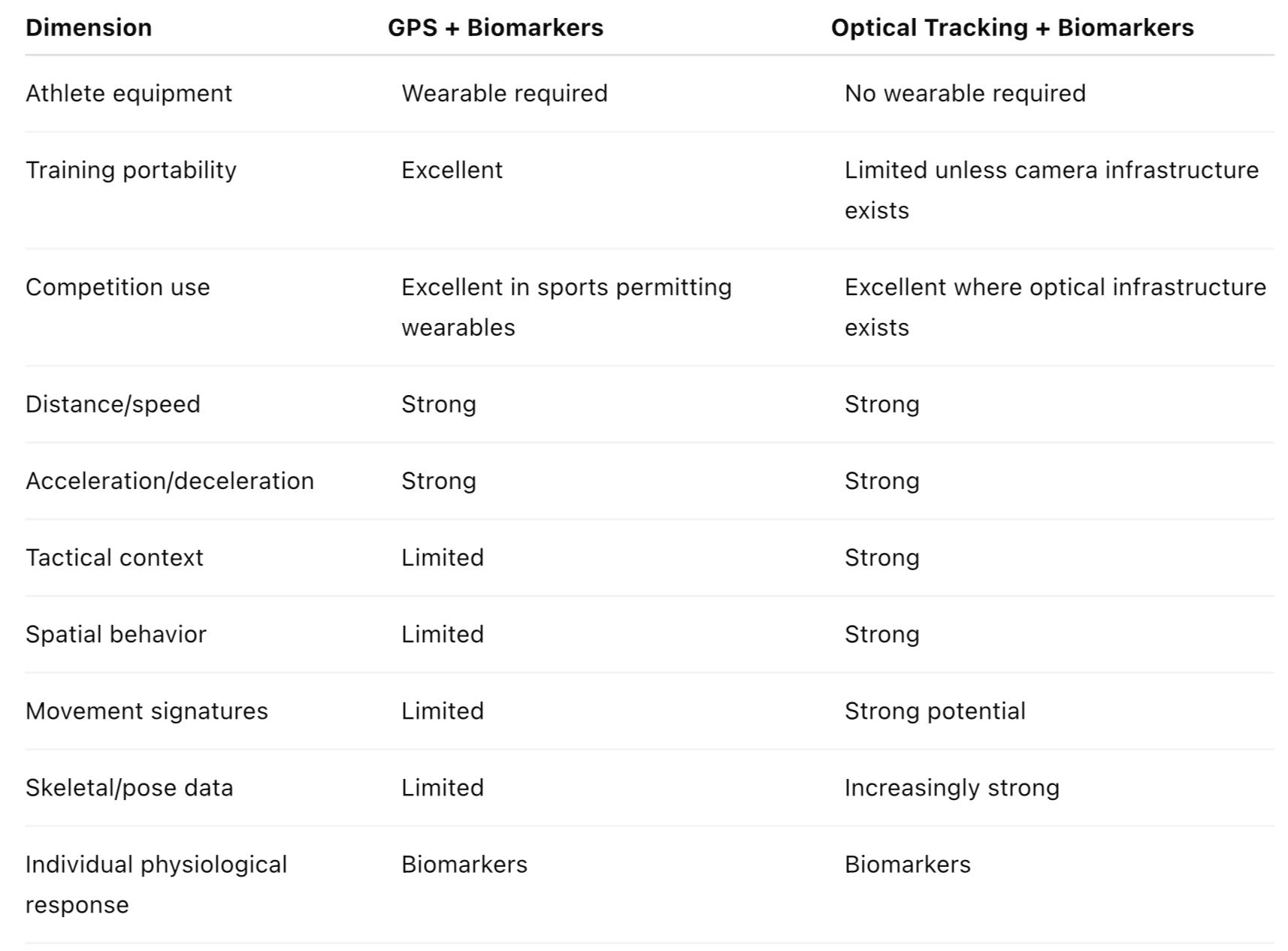
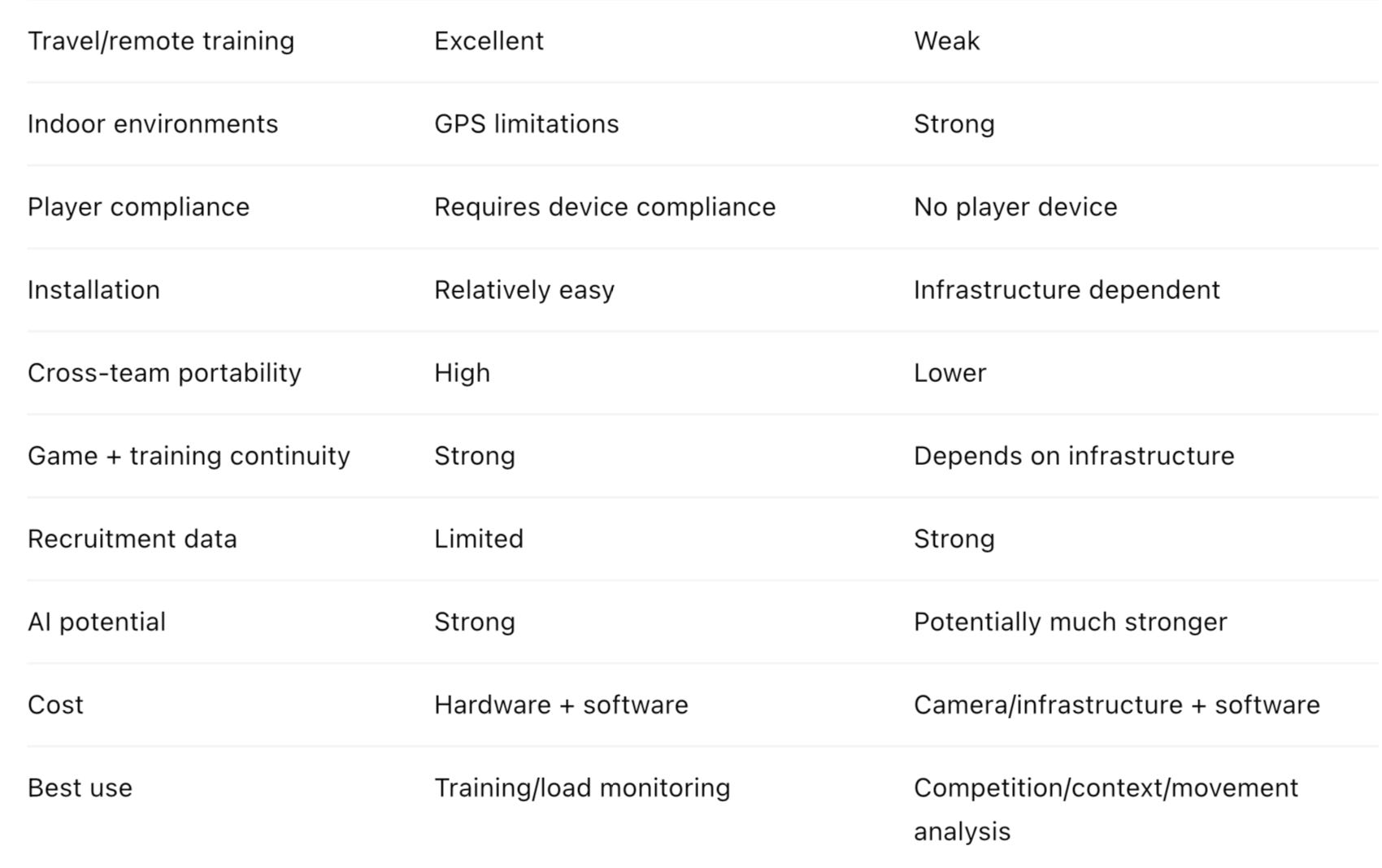
The key conclusion is that optical tracking is not necessarily a better GPS.
It is a different type of measurement system.
GPS is particularly strong for portable, repeatable training monitoring.
Optical tracking is particularly strong for competition, spatial context and movement behavior.
Biomarkers then provide the internal physiological layer.
5. The Emerging Architecture
The most sophisticated teams may eventually operate something closer to:
Layer 1 — Competition movement
Optical tracking
Position
Speed
Acceleration
Deceleration
Movement signatures
Tactical context
Skeletal/pose data
Layer 2 — Training movement
GPS/GNSS / LPS / IMU
Portable training load
Rehabilitation
Field sessions
Travel sessions
Layer 3 — Internal response
Biomarkers
Inflammation
Oxidative stress
Muscle damage
Nutrition
Hormonal/physiological status
Layer 4 — Human response
Wellness + RPE
Sleep
Fatigue
Soreness
Stress
Readiness
Layer 5 — Context
Medical + competition + travel
Injury history
Minutes
Schedule
Travel
Return-to-play status
Layer 6 — AI
Individualized decision support
The ultimate objective should be:
What happened → How did the athlete respond → What does it mean → What should we do?
6. Future Trends
6.1 From player location to player movement signatures
The market is moving from:
Where was the player?
toward:
How does this player normally move?
This could become a major new category in sports medicine and performance.
6.2 From population thresholds to individual baselines
The future athlete monitoring system will increasingly understand:
“This is normal for this athlete.”
rather than:
“This is normal for athletes.”
That shift is particularly important for biomarkers and movement data.
6.3 From separate systems to multimodal platforms
Teams increasingly want one athlete record rather than five disconnected dashboards.
Optical tracking, GPS, biomarkers, force plates, wellness, sleep, medical records and video should eventually feed the same decision environment.
6.4 AI will increasingly connect movement and physiology
The next generation of models will not simply ask:
Does high workload increase injury risk?
They will ask:
Which combinations of movement behavior, physiological response, recovery status and context are associated with meaningful changes in this specific athlete?
That is a much more difficult problem — but potentially much more valuable.
6.5 Optical tracking will move closer to real-time
Today much of the value is retrospective or post-game.
The next evolution is:
live movement → live deviation detection → live intervention
However, this requires extremely reliable tracking and very low false-positive rates.
A risk signal that produces ten unnecessary interventions will quickly lose credibility with coaches.
6.6 Cameras will become shared infrastructure
This could be particularly important economically.
If a league, venue or arena already installs optical tracking infrastructure, multiple departments can use the same data:
coaching
performance
medical
scouting
analytics
broadcasting
officiating
fan engagement
That creates a very different ROI equation from buying individual GPS devices for every athlete.
7. Key Vendors
The market should be viewed as an ecosystem rather than a single vendor category.
Integrated optical + biomarker / athlete intelligence
Orreco
Orreco is currently one of the clearest examples of the convergence.
Its platform combines:
biomarkers
internal/external load
GPS
computer vision
Motion Signal
wellness
medical information
recovery
women’s performance
AI
Video: Orreco Motion Signal
Its Motion Signal product uses computer vision to analyze movement deviations, while its biomarker platform provides individualized physiological monitoring.
This makes Orreco particularly relevant to the emerging optical/motion + biomarker category.
Optical tracking
Genius Sports / Second Spectrum
Second Spectrum is deeply established in:
NBA
WNBA
EPL
MLS
basketball
soccer
Its technology provides optical player and ball tracking and increasingly skeletal/3D data.
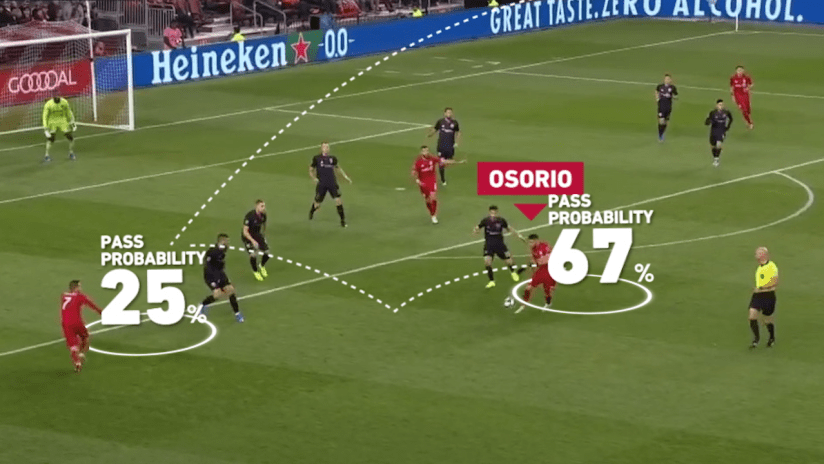
Picture: Back in 2020, the MLS signed a partnership with Second Spectrum, which provided its proprietary optical tracking system to work for every MLS match.
The NBA and WNBA are particularly relevant examples of league-level optical infrastructure.
Here is an interview we conducted with Michael D’Auria EVP Partnerships at Genius Sports:
🎙️ Upside Chat with Michael D'Auria, EVP Partnerships, Sports and Technology at Genius Sports, a Leading Sports Technology Company

Today we have the honor of interviewing Michael D'Auria, EVP Partnerships, Sports and Technology at Genius Sports, a leading sports technology company.
Hawk-Eye
Hawk-Eye provides optical tracking, skeletal tracking and biomechanics across multiple sports.
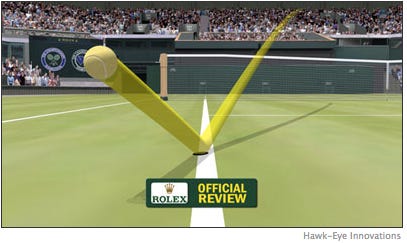
Its capabilities extend into:
basketball
football
tennis
rugby
hockey
biomechanics
Its markerless skeletal capabilities could become particularly interesting as teams move from simple positional tracking toward movement analysis.
TRACAB / EA
TRACAB remains a major optical tracking technology, particularly in football.
Its technology has been used as a reference system in validation studies comparing optical tracking with GPS.
Video: TRACAB’s Automatic Player Tracking in the NFL
SkillCorner
SkillCorner is particularly interesting for soccer because its AI-based tracking can derive player tracking from broadcast, tactical and wide-angle video.
This creates an important opportunity beyond stadium-based systems: optical tracking without requiring every club to install a dedicated camera infrastructure.
Video: SkillCorner
Sportlogiq
Sportlogiq uses computer vision and machine learning to derive tracking and contextual data from video.
It is particularly established in hockey and also operates across soccer and American football.
Video: Sportlogiq
Athlete-management / integration layer
ActionApps
Action Apps is important because it represents a different approach to the traditional athlete management system: giving teams greater ownership, flexibility and control over their data infrastructure. Built using Microsoft Power Platform, Azure and Microsoft 365, its AMS is designed to integrate information from multiple performance and medical systems rather than forcing teams into a rigid, standalone data environment.
Its platform can bring together:
GPS and tracking data
Wearables
Video analysis
Performance and testing data
Injury and medical records
Player availability
Planning and scheduling
Scouting and athlete development data
The platform also uses Power BI for analytics and visualization and includes AAVA, an AI agent that allows practitioners to query their data using natural language. Importantly, organizations can manage their data within their own Microsoft environment rather than having it reside solely within a traditional shared SaaS AMS architecture.
This model could become increasingly relevant as teams add optical tracking, biomarkers, wearables and other high-frequency data streams. The value may increasingly shift from simply collecting more athlete data to creating an infrastructure where teams can own, integrate, analyze and query those different datasets in one environment.
In an optical + biomarker model, platforms such as Action Apps could therefore serve as the integration and intelligence layer connecting external workload with internal physiological response—and helping practitioners turn those combined datasets into decisions rather than simply another dashboard.
Here is a video overview of ActionApps’ latest AI rehab tool:
Genetrainer
Genetrainer is particularly relevant to this shift because its platform is designed around individualization and the integration of multiple athlete data streams, rather than treating workload as a standalone metric. The platform can bring together GPS and video analysis, RPE and subjective data, wellness, strength & conditioning, medical and injury information, lifestyle/body metrics, third-party devices and genetics, while using AI to identify correlations, trends, outliers and potential areas requiring attention. Genetrainer also says it can create individualized load models by combining genetic information, age and training stress.
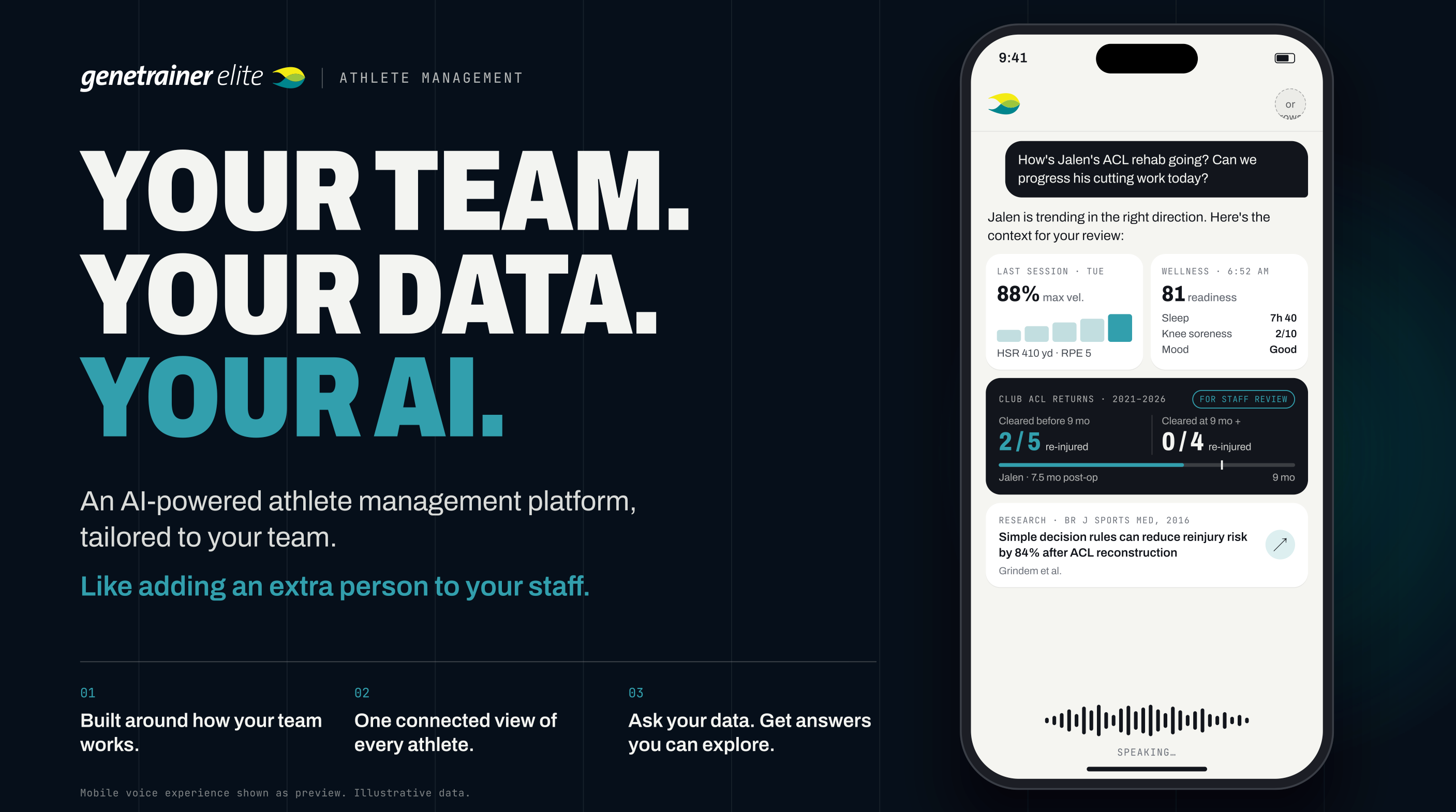
This type of approach becomes increasingly relevant in an optical tracking + biomarker ecosystem. Instead of asking only “How much load did the athlete accumulate?”, the objective becomes understanding how that specific athlete is responding to the load, using multiple sources of information and individualized baselines. As optical, biomarker, genomic, wellness and medical datasets expand, platforms such as Genetrainer could increasingly serve as an integration and intelligence layer, helping practitioners connect external workload with internal and individual characteristics and turn those relationships into more personalized performance and recovery decisions.
Catapult
Catapult remains a major GPS/athlete-monitoring platform, but its strategy also illustrates the convergence.
OpenField can now ingest optical tracking data such as TRACAB and NBA Hawk-Eye data, allowing teams to bring optical competition data into an existing athlete-monitoring environment.
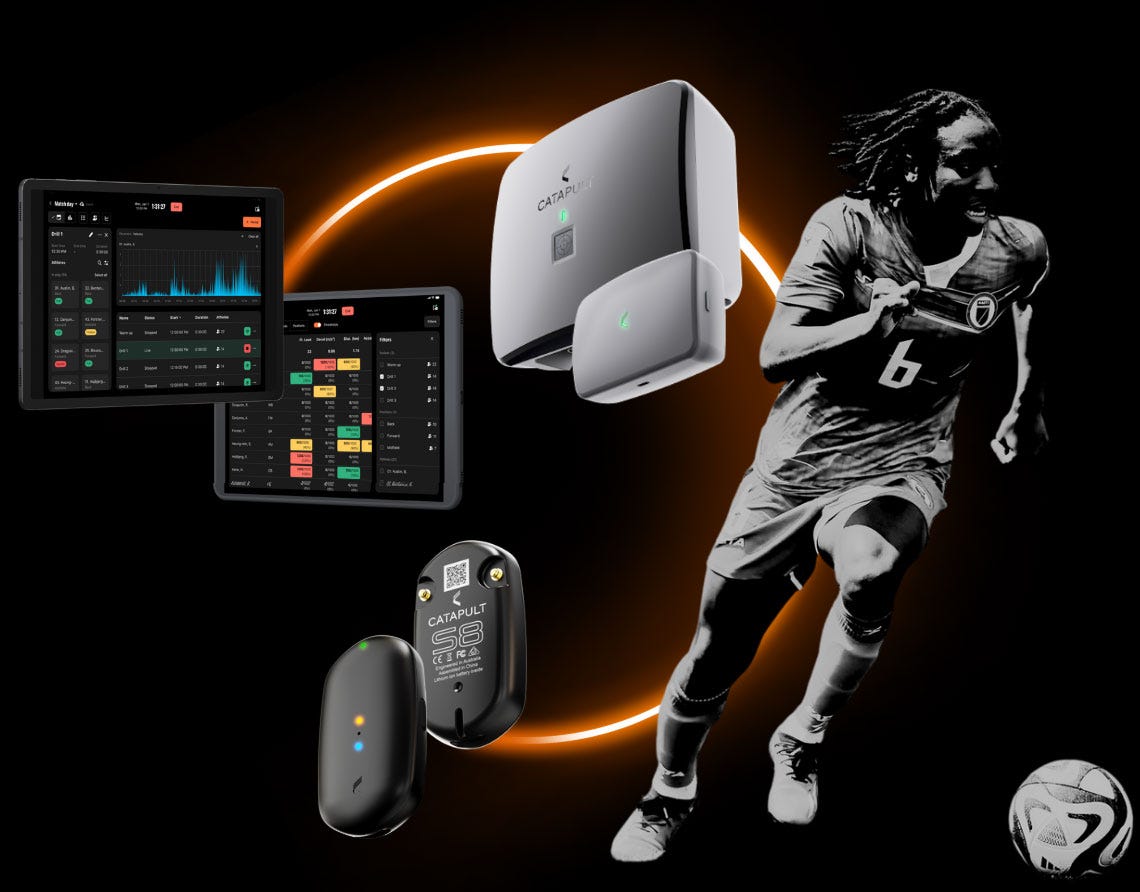
This is potentially more important than a simple “GPS vs optical” comparison.
The future may be GPS platform + optical data + biomarkers, rather than replacing the GPS platform.
Biomarker specialists
Orreco
Orreco is particularly relevant to the optical tracking + biomarker model because its approach focuses on understanding an athlete’s internal physiological response, complementing the external workload captured by tracking systems. Orreco’s Advanced Biomarker Analytics uses blood testing and longitudinal athlete profiling to assess areas such as recovery, inflammation, immune function, iron status and other physiological factors, with the goal of translating laboratory data into individualized recommendations for practitioners.
Orreco As teams increasingly capture external load through optical tracking, platforms such as Orreco could provide the other side of the equation: optical tracking shows what the athlete did, while biomarkers help indicate how the athlete is responding internally. The potential value therefore lies not in another isolated dataset, but in combining external workload, internal physiology and an athlete’s individual baseline to inform recovery, training and return-to-play decisions. The most sports-specific integrated biomarker provider in this category.
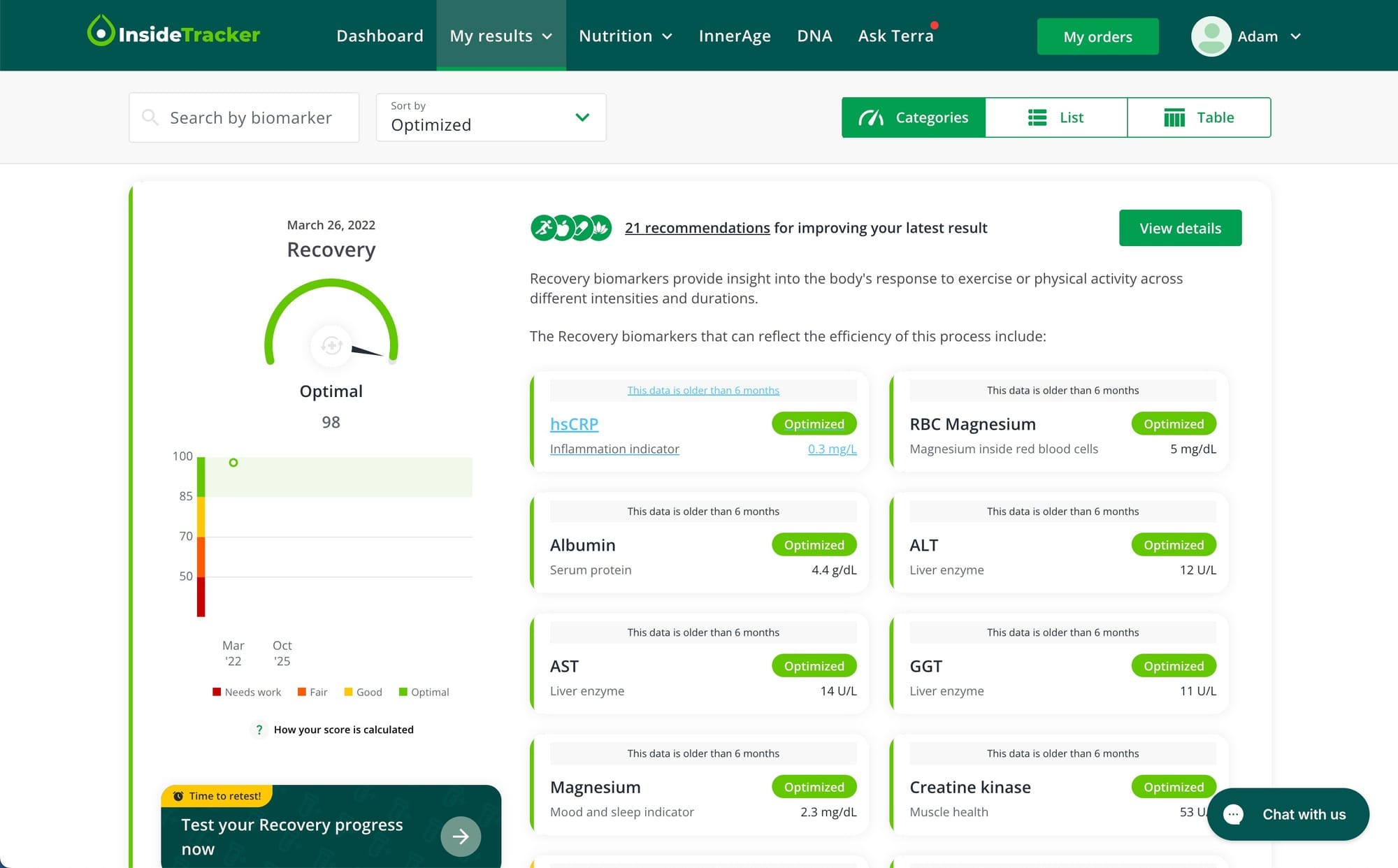
InsideTracker
InsideTracker provides blood biomarker analysis and personalized health/performance recommendations and has offerings for professional and collegiate sports.
Its role is more focused on biomarker intelligence than optical tracking, making it a potential component of a broader multimodal ecosystem.
8. Recommendations to Teams
1. Do not replace GPS simply because optical tracking is available
The strongest architecture may be complementary.
Use:
GPS/GNSS for training
and
optical tracking for competition
when the environment supports it.
2. Start with the competition environment
Ask:
Can optical tracking give us information during competition that GPS cannot?
If the answer is yes, start there.
This is especially relevant in basketball and other sports where wearables may not be available during competition.
3. Calibrate before comparing
Teams should not assume:
10 km GPS = 10 km optical
Recent research shows that different systems can generate materially different values.
Establish team-specific conversion and benchmarking procedures before changing historical datasets.
4. Keep biomarkers individualized
Avoid generic:
“CK above X = bad.”
Instead:
“What is abnormal for this athlete?”
Longitudinal athlete-specific reference ranges are likely to be much more valuable.
5. Demand multimodal integration
When evaluating vendors, ask whether they can combine:
optical tracking
GPS
biomarkers
wellness
sleep
force plates
medical history
injury history
video
training plans
The value increasingly comes from the relationship between datasets, not the individual dataset.
6. Focus on decisions rather than dashboards
A team should be able to identify several concrete decisions that the system improves.
For example:
Should this player train fully tomorrow?
Should conditioning be modified?
Does this athlete require medical follow-up?
Is the player ready for return-to-performance?
Did the player receive enough competition exposure?
Does the next training session need to replicate a specific movement demand?
If the answer is simply:
“We get another dashboard”
the investment case is weak.
7. Run controlled pilots
Rather than replacing an existing GPS system immediately, teams should run a 3–6 month comparison.
Measure:
GPS vs optical agreement
data availability
staff time
false alerts
actionable findings
injury/availability outcomes
coach adoption
medical adoption
athlete acceptance
The key KPI should not be the number of data points.
It should be: number of better decisions enabled by the system.
8. Evaluate the vendor’s evidence carefully
Ask vendors for:
independent validation
prospective validation
sample size
sport and population
sensitivity
specificity
false-positive rate
external validation
data missingness
camera occlusion performance
model drift
explainability
Teams should be particularly careful with injury-prediction claims.
A technically impressive model is not automatically a clinically useful decision-support tool.
Conclusion
Elite sports monitoring is entering a new phase.
The first generation was largely about collecting workload.
The second generation connected workload with internal response.
The next generation will increasingly combine:
movement + physiology + context + AI.
This makes optical tracking + biomarkers particularly interesting.
Optical tracking can provide a richer description of what happened during competition, while biomarkers can provide information about how the individual athlete responded internally.
But the future is unlikely to be a simple replacement of GPS.
The more likely model is:
**GPS for portable training and rehabilitation
optical tracking for competition
biomarkers for internal response
wellness and medical data for context
AI for individualized interpretation.**
The strategic opportunity for teams is therefore not to ask:
“Should we replace GPS?”
The better question is:
“What information are we currently missing that optical tracking can provide — and can we combine it with physiological data to make better decisions?”
That is where the next generation of athlete monitoring is likely to create value.
The winners in this market will not necessarily be the companies collecting the most data.
They will be the companies — and teams — that can transform movement and physiological data into better decisions, with fewer false alarms and a clear connection to player availability, performance and return-to-play.
Current studies / source URLs
These are the key sources I would attach to the published Upside version:
EPL GPS vs. Optical Tracking: Interchangeability of external player load variables from different athlete tracking systems in English Premier League soccer players — directly compares GPS with Second Spectrum optical tracking. Study / full text
2023 GPS vs. Tracab: Assessing the agreement between a GNSS and an optical-tracking system for measuring total, high-speed running, and sprint distances in official soccer matches. Study / full text
2026 computer-vision validation: Concurrent validity of computer-vision artificial intelligence player tracking software using broadcast footage — particularly useful because it demonstrates that accuracy varies significantly by provider and video configuration. Journal of Sports Analytics study
2026 external load + biomarkers: On the relationship between external and internal load variables in elite youth soccer players — LPS combined with CK, LDH, CRP, cortisol, transferrin, CMJ, RPE and sleep. Scientific Reports study
2025 individualized biomarkers: Early warning system for player recovery? — longitudinal individualized biomarker reference ranges in EPL players. PubMed study
2025 internal/external load: Associations between internal and external training load measures and neuromuscular performance in elite soccer players. Springer study
2024 athlete monitoring review: Athlete Monitoring Systems in Elite Men’s Basketball — specifically discusses optical tracking, biomarkers and the need to integrate objective and subjective measures. Open-access review
2026 Barcelona multimodal preprint: Beyond External Load: Integrative Immune Monitoring Reveals Injury-Predictive Signals in the Athlete’s Internal State. This is a preprint, so I would clearly label it as preliminary evidence. Preprint
Orreco Motion Signal research: Orreco’s published description of its movement-signature research, including the reported 85% sensitivity / 86% specificity result. I would label this company-reported early research, rather than peer-reviewed evidence. Orreco Motion Data Collective research
Biomarker evidence: Blood Biomarker Profiling and Monitoring for High-Performance Physiology and Nutrition— useful for the limitations, sampling and interpretation section. PubMed / full text
Key vendor links
Orreco — biomarker + motion/computer vision + athlete intelligence.
Genius Sports / Second Spectrum — optical tracking across NBA, WNBA and other sports.
Hawk-Eye Innovations — optical tracking, skeletal tracking and markerless biomechanics.
TRACAB / EA — established optical tracking infrastructure.
SkillCorner — scalable AI tracking from broadcast/tactical video.
Sportlogiq — computer vision, tracking and contextual analytics.
Kitman Labs — athlete monitoring/performance optimization and data integration.
Catapult — OpenField integration of NBA Hawk-Eye and TRACAB optical data.
InsideTracker — biomarker platform used across professional and collegiate sports.
You may also like:
⭐ ⌚ Upside: Video Analysis Vendor Ecosystem Market (Key vendors, Trends & Recommendations to Teams)

With 32% of teams looking to invest in a video analysis tool, according to our 2020 Upside survey, video analysis systems (Second Spectrum, Hudl, Stats Perform, SkillCorner, Footovision..) have become one of the most common technologies used by pro teams today, along side of GPS, HR, AMS systems. Video analysis systems are often used for game analysis, …