
My experience testing 3D-printed, custom-fit footwear
Introduction
Over the past 10 years, I’ve had the opportunity to test and review many innovative products in the sports tech industry. Some products have really impressed me, while others have been less convincing. At Upside, we are always looking for technologies that could bring value to professional athletes, sports performance practitioners, and teams.
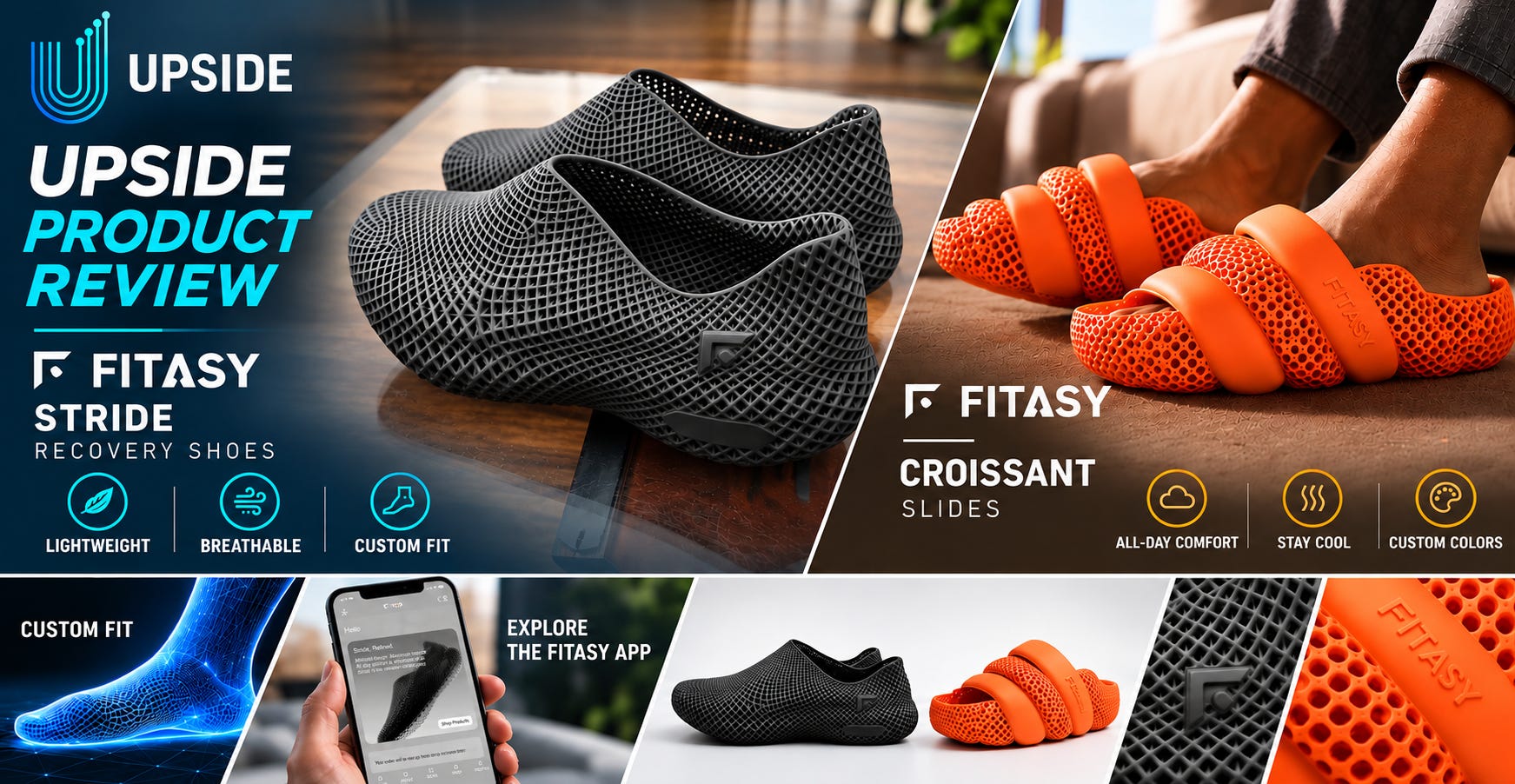
Recently, I had the opportunity to test two products from FITASY: the STRIDE recovery shoes and the Croissant Slides. Both products use 3D printing technology to create footwear customized to the shape of your feet.
What makes FITASY particularly interesting is that the company is already working with teams across MLS, NBA, NHL, and NCAA, demonstrating its growing presence in the elite sports market.
I wanted to evaluate the products from a practical perspective: What is the customization process like? How comfortable are they? And could they have applications in professional sports?
Three things I wanted to evaluate:
How easy is the foot-scanning and customization process?
How comfortable and practical are the products for everyday use and physical activity?
What potential value could they bring to professional sports teams?
The FITASY App: A Simple and Quick Experience
The first step was to download the FITASY app and scan my feet. I have to say that I was pleasantly surprised by how easy the process was.
The app was very intuitive, and it only took me a few minutes to scan my feet. I didn’t need to go to a store or use any special equipment. Everything could be done directly through the app, which made the whole experience very convenient.
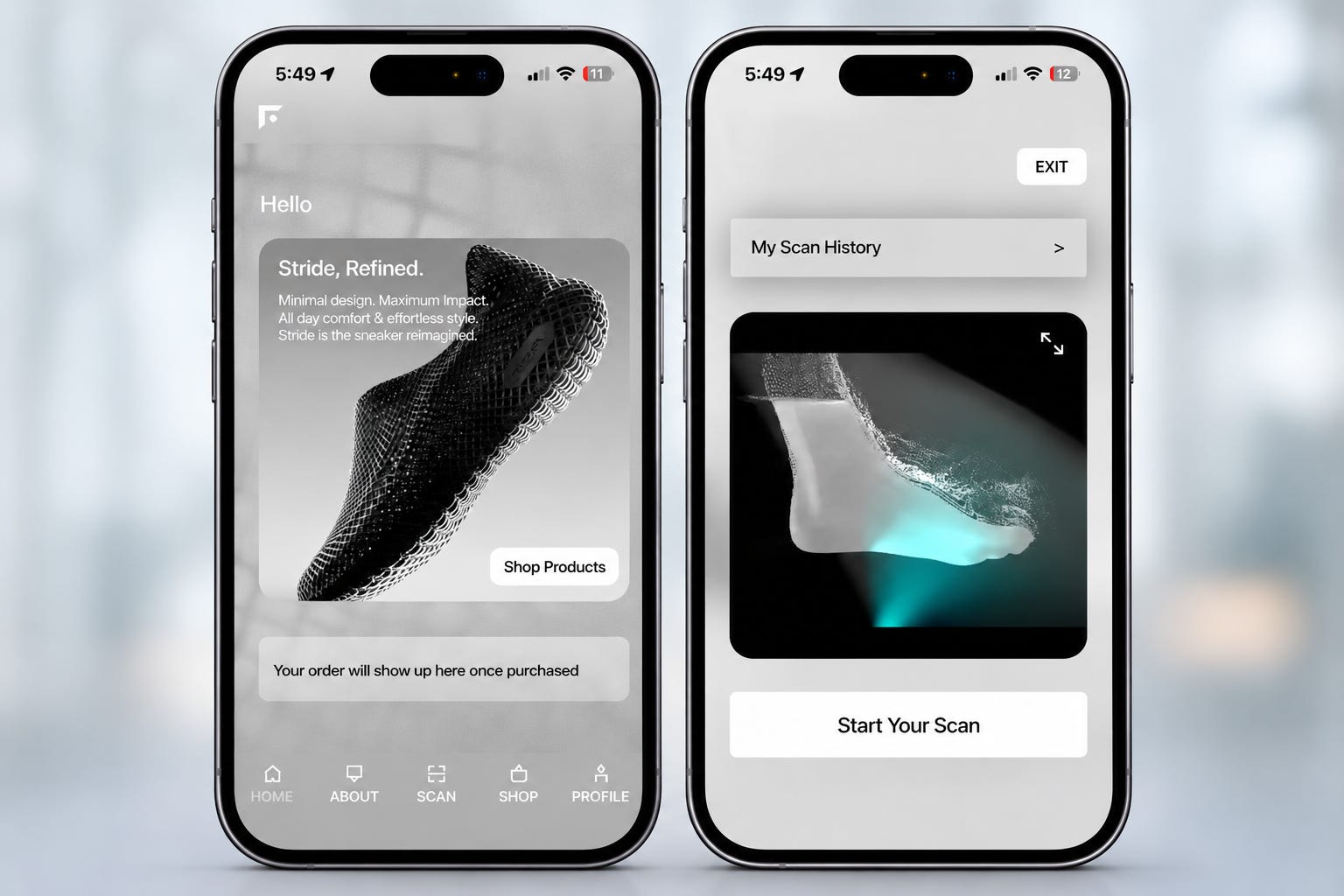
I think this is important because when you introduce a new technology, especially one involving customization, you want the experience to be as simple as possible for the customer. Nobody wants to spend 30 minutes figuring out how to scan their feet or complete an order.
Another thing I liked was the turnaround time. FITASY can deliver the customized STRIDE shoes and Croissant Slides in approximately 3–4 weeks. Considering that these products are custom-made using 3D printing technology, I thought that was pretty reasonable.
What stood out to me:
Easy to use: The FITASY app was intuitive, and I had no difficulty navigating the scanning process.
Quick foot scanning: It only took a few minutes to scan my feet, without visiting a store or using specialized equipment.
Reasonable turnaround: The estimated delivery time of 3–4 weeks for custom-made footwear was appealing.
Overall, I had a very positive experience with the app and the ordering process. FITASY has made the customization process simple, which I think is important if the company wants to expand further into professional sports.
Croissant Slides: Very Comfortable for Everyday Use
The first product I tested was the Croissant Slides, and I have to say that I really liked them.
What immediately stood out to me was how comfortable they were. I started wearing them at home and quickly found myself keeping them on throughout the day. Whether I was working, walking around the house, or simply relaxing, I enjoyed wearing them.
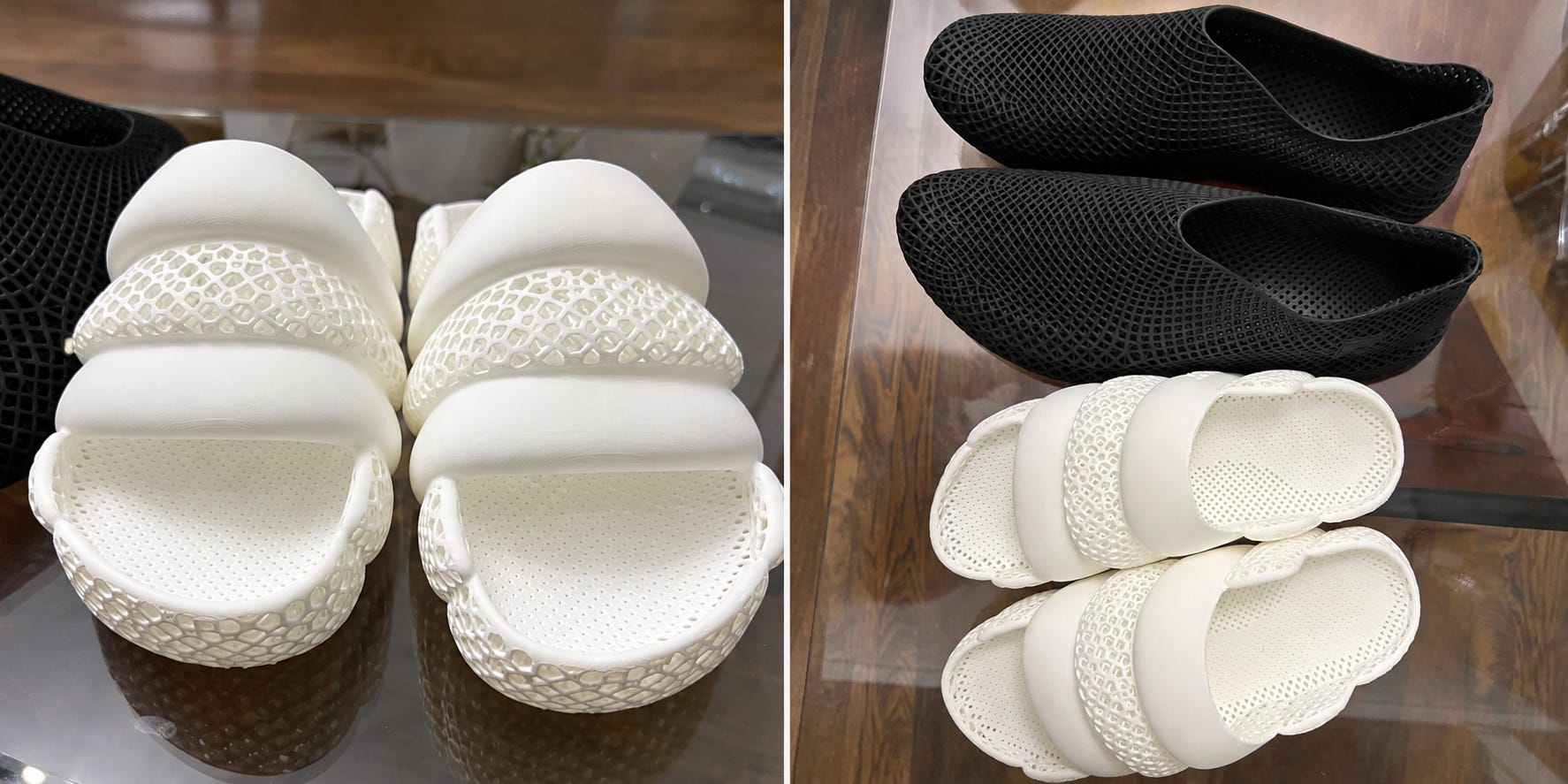
Pictures: FITASY Stride 2.0 Custom-Fit recovery shoes (Black shoes), FITASY Croissant Slide (White slippers)
Another thing I noticed was that my feet didn’t get hot. This is something I really appreciated because some slides can become uncomfortable after wearing them for several hours. With the Croissant Slides, I didn’t experience that problem.
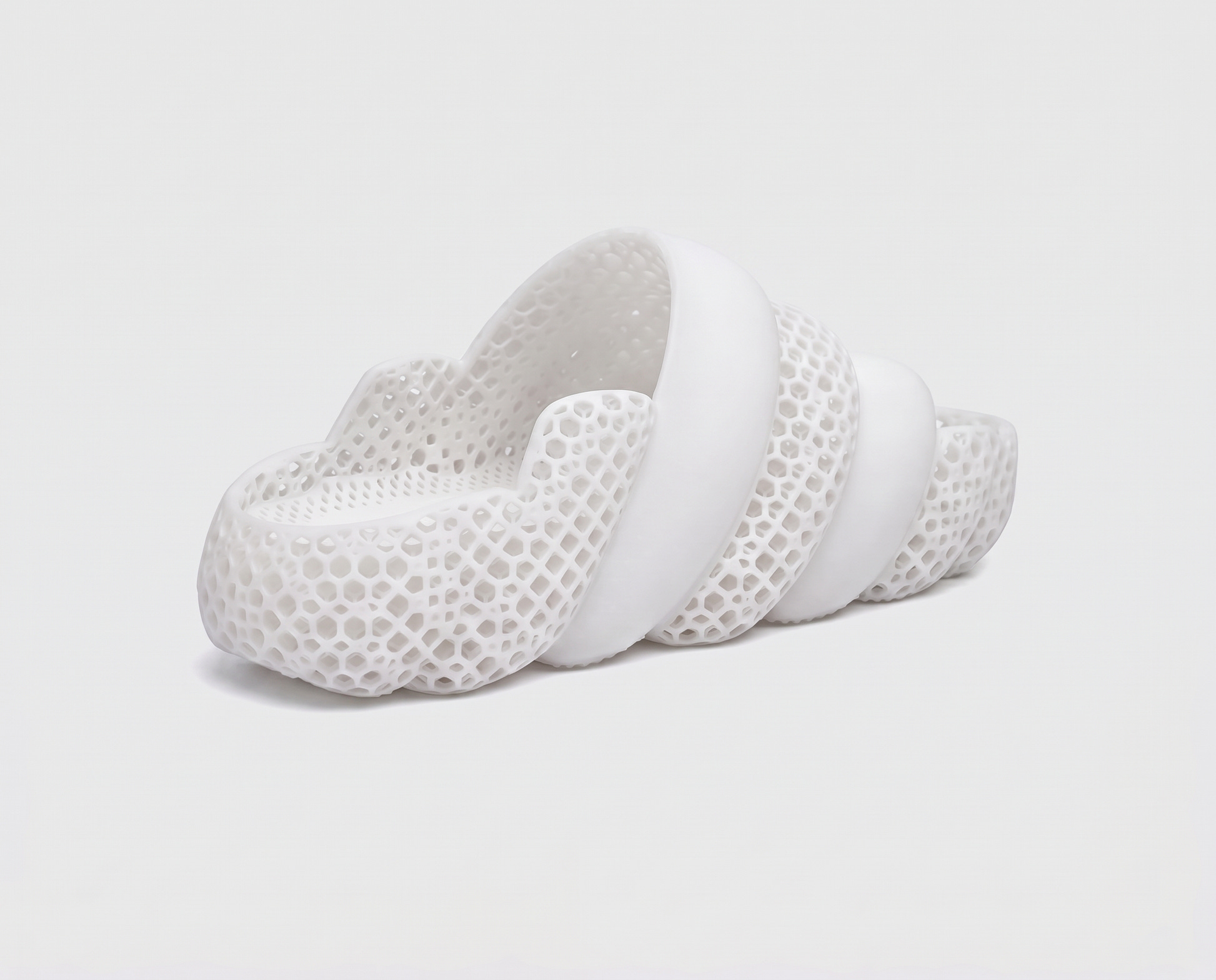
Picture: FITASY Croissant Slide
I also really like the customization possibilities. You can choose different colors, which I think could be particularly interesting for professional sports teams.
For example, imagine an NBA team ordering Croissant Slides for its players in the team’s colors, with each player’s jersey number on them. The same concept could work for NFL, NHL, MLS, or European soccer teams.
My three favorite features:
Comfort: I found the Croissant Slides extremely comfortable and wore them throughout the day at home.
Breathability: My feet didn’t become uncomfortably warm, even after several hours of use.
Customization: The ability to choose colors and potentially incorporate team branding or jersey numbers makes them interesting for professional sports organizations.
I could easily see players wearing these slides in the locker room, at home, or when traveling with their teams.
For me, the Croissant Slides were probably the product I enjoyed wearing the most at home. They are comfortable, breathable, and practical.
STRIDE Recovery Shoes: Lightweight and Breathable
The second product I tested was the STRIDE recovery shoe.
Unlike the Croissant Slides, which I primarily wore at home, I decided to use the STRIDE shoes during my daily workouts.
The first thing I noticed was how lightweight they were. They felt very comfortable on my feet, and I liked the fact that they didn’t feel heavy or bulky.
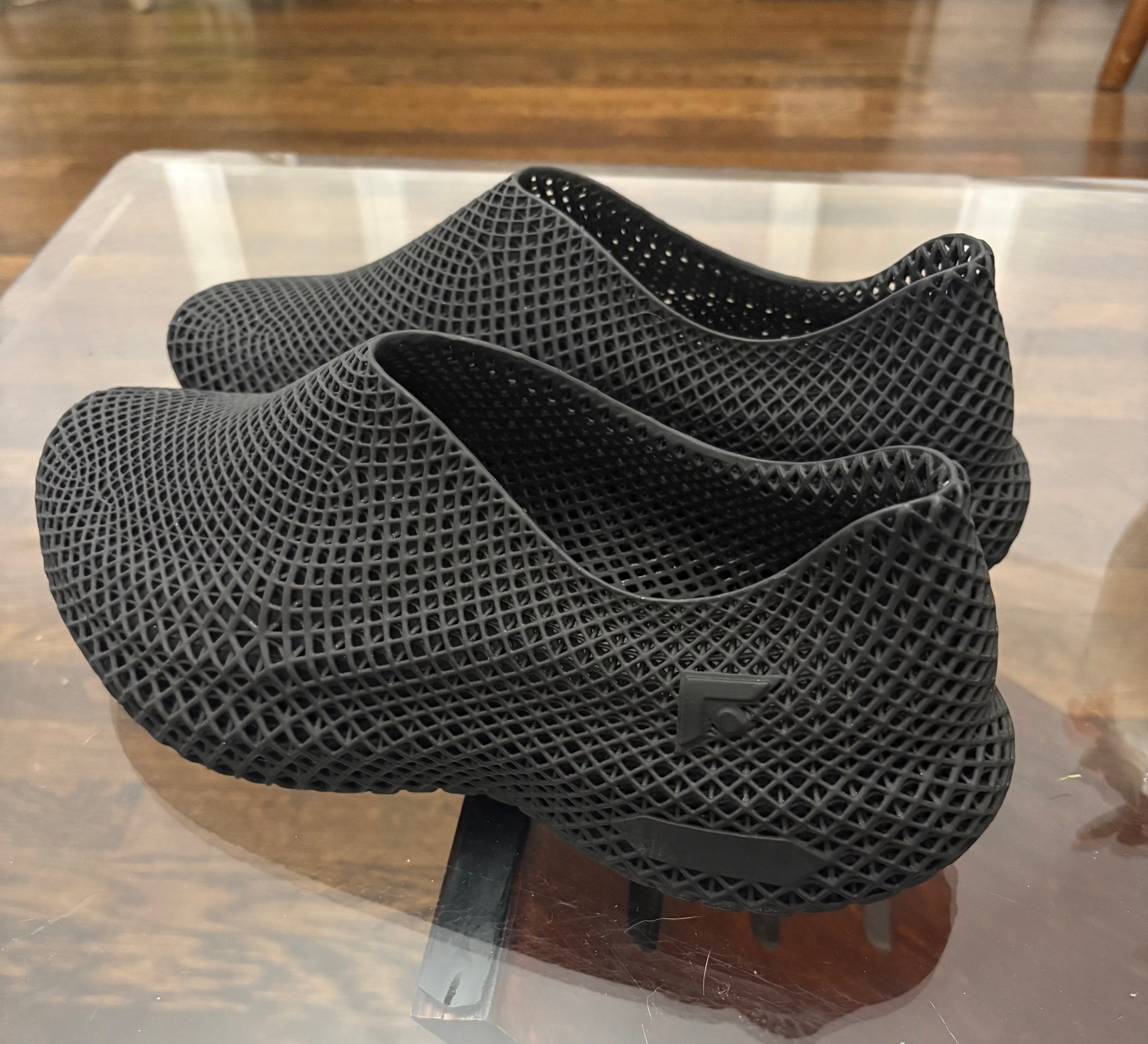
Picture: FITASY Stride 2.0 Custom-Fit recovery shoes
Another feature I appreciated was their breathability. Even when I was exercising, my feet didn’t get excessively warm. The shoes allowed me to stay comfortable throughout my workout.
I think this is one of the interesting aspects of 3D-printed footwear. The design can create a structure that feels very different from traditional shoes, particularly when it comes to weight and ventilation.
What I liked most:
Lightweight design: The STRIDE shoes felt very light and comfortable during my workouts.
Breathability: My feet stayed comfortable without getting excessively warm.
Versatility: I was able to incorporate them into my daily workout routine, rather than limiting their use to relaxing at home.
From my experience, the STRIDE shoes delivered on the things I was most interested in testing: comfort, lightweight construction, and breathability.
I enjoyed using them during my workouts, although I would need to test them for a longer period to evaluate their durability and how they perform under different conditions.
FITASY’s Growing Presence in Professional Sports
One of the interesting things about FITASY is that the company is not simply developing products for the consumer market. FITASY is already working with teams across MLS, NBA, NHL, and NCAA, which suggests that professional sports organizations are interested in exploring customized, 3D-printed footwear.
For me, this is an important point. Teams are constantly evaluating new technologies that could improve the athlete experience, whether through performance monitoring, recovery, rehabilitation, or everyday comfort.
As I was testing both products, I kept thinking about their potential applications in professional sports.
One of the things I like about FITASY is the ability to create personalized footwear without requiring athletes to visit a physical location for a fitting. For teams with 25, 50, or even more athletes, that could make the customization process relatively convenient.
Three potential applications for teams:
Personalized team footwear: Clubs could explore customized slides featuring team colors, branding, and individual player numbers.
Locker room and travel: The Croissant Slides could be a comfortable option for athletes before and after games, during travel, or at team facilities.
Everyday footwear and recovery routines: STRIDE shoes and Croissant Slides could potentially be used as comfortable footwear outside competition and during post-training routines.
The fact that FITASY is already engaging with organizations across several major leagues is encouraging. However, I would be interested in learning more about how those teams are using the products and what feedback they have collected from their athletes.
Of course, one important question remains: Do these products provide measurable recovery benefits?
While FITASY positions these products as recovery footwear, my review is based on my personal experience with their comfort, fit, and breathability. I haven’t evaluated whether they accelerate muscle recovery, reduce fatigue, or provide biomechanical benefits.
Those are areas where I would love to see more research and independent testing.
What I Would Like to Explore Further
While my initial experience with FITASY has been positive, there are still some questions I would like to explore.
The first concerns the actual benefits of personalized footwear. We know that every athlete has different foot characteristics, but I would be interested in understanding how FITASY’s custom-fit approach compares with traditional footwear from a biomechanical perspective.
I would also like to understand how durable the products are over time, particularly for athletes who might wear them every day.
Given FITASY’s existing relationships with MLS, NBA, NHL, and NCAA teams, there could also be opportunities to collect structured feedback from athletes and collaborate on independent evaluations.
Three areas worth investigating:
Biomechanics and personalized fit: Does 3D-printed customization offer measurable advantages over traditional footwear?
Durability and long-term comfort: How do the products perform after several months of regular use?
Scientific validation: Are there measurable benefits for recovery, foot comfort, pressure distribution, or other relevant outcomes?
These are questions that I believe sports performance directors, athletic trainers, and rehabilitation specialists would be interested in exploring.
Recommendations for Professional Sports Teams Interested in FITASY
Based on my experience testing the STRIDE shoes and Croissant Slides, I think FITASY is worth exploring for professional sports organizations, particularly those interested in personalized footwear, athlete comfort, and innovative 3D-printing technologies.
The fact that FITASY is already working with teams across MLS, NBA, NHL, and NCAA is another reason for interested organizations to take a closer look. I would encourage teams to ask FITASY about its existing sports partnerships, how the products are being used, and what feedback has emerged.
However, rather than immediately providing these products to an entire roster, I would recommend starting with a small pilot program.
For example, a team could select five to ten players to test both products over four to six weeks. Ideally, the group would include athletes with different foot shapes, footwear preferences, and daily routines.
My three main recommendations:
Start with a small pilot involving 5–10 athletes. Have players test the Croissant Slides during their daily routines, in the locker room, at home, or while traveling. The STRIDE shoes could also be evaluated during suitable low-intensity activities, subject to approval from the team’s performance and medical staff. Collect feedback on comfort, fit, breathability, and overall satisfaction.
Evaluate the customization process and athlete experience. Ask players to use the FITASY app to scan their feet and evaluate how simple the process is. Teams could also explore customized colors and jersey numbers. It would be interesting to see whether athletes prefer personalized footwear over traditional team-issued slides or recovery shoes.
Explore potential biomechanical and recovery benefits. Teams with access to pressure-mapping systems, gait analysis, or biomechanics laboratories could work with FITASY to evaluate the products more closely. Any claims about improved recovery or injury reduction should be supported by appropriately designed research.
I would also encourage teams to collect feedback from their athletic trainers, physiotherapists, and strength and conditioning coaches. Their perspectives would be valuable in understanding where these products could fit into an athlete’s daily routine.
From my perspective, the initial value proposition is relatively straightforward: comfortable, lightweight, breathable footwear that can be customized to each athlete.
The more interesting question is whether FITASY can demonstrate additional benefits through scientific research and its ongoing work with professional teams.
My recommendation would be to start with comfort and customization, validate the athlete experience, and then explore potential performance and recovery applications.
Conclusion: My Overall Experience
After testing both products, I have to say that my experience with FITASY has been very positive.
I liked how easy it was to use the app and scan my feet. The entire process took just a few minutes, and the estimated 3–4-week turnaround for customized footwear was appealing.
The Croissant Slides were extremely comfortable, and I found myself wearing them throughout the day at home. I particularly liked that they didn’t make my feet hot, even after several hours.
The STRIDE shoes were also very comfortable. I liked their lightweight design and breathability, especially when using them during my daily workouts.
My three main takeaways:
The customization experience is simple: FITASY has made it easy to scan your feet and order personalized footwear.
Both products deliver on comfort: The Croissant Slides were great for everyday use at home, while the STRIDE shoes were lightweight and comfortable during my workouts.
FITASY is gaining traction in elite sports: The company’s existing work with MLS, NBA, NHL, and NCAA teams makes it particularly interesting to follow.
What I find most interesting about FITASY is how the company is using 3D printing technology to make customized footwear more accessible.
I also see potential opportunities for the company in professional sports, particularly when it comes to personalized footwear for athletes and teams.
I would be interested in learning more about the science behind the products, how the 3D-printed structures affect foot biomechanics, and whether there are measurable recovery benefits.
For now, based on my personal experience, I enjoyed testing both products and will continue using them.
At Upside, we love discovering innovative products that bring new ideas to the sports industry. FITASY is an interesting example of how 3D printing and customization could change the way we think about footwear.
To learn more about FITASY click on the link below:
Interested in having us review your product? Contact us at julien@upsideglobal.co.
Best,
Julien

You may also like:
👟 Upside Survey: What happens when people wear FITASY Strides regularly for at least one week?

FITASY, a leading Personalized 3D Printed footwear company, recently shared with us the results of a user survey conducted with 96 individuals across the U.S. and UK during Summer 2026, and some of the directional feedback was interesting.
🎙️ Upside Chat with Kevin Wu, Co-founder & CBO at Fitasy, a Leading Personalized 3D Printed Footwear Company.

Today we have the honor of interviewing Kevin Wu, Co-founder & Chief Business Officer at Fitasy, a leading Personalized 3D Printed footwear company.