Upside Global | October 2026
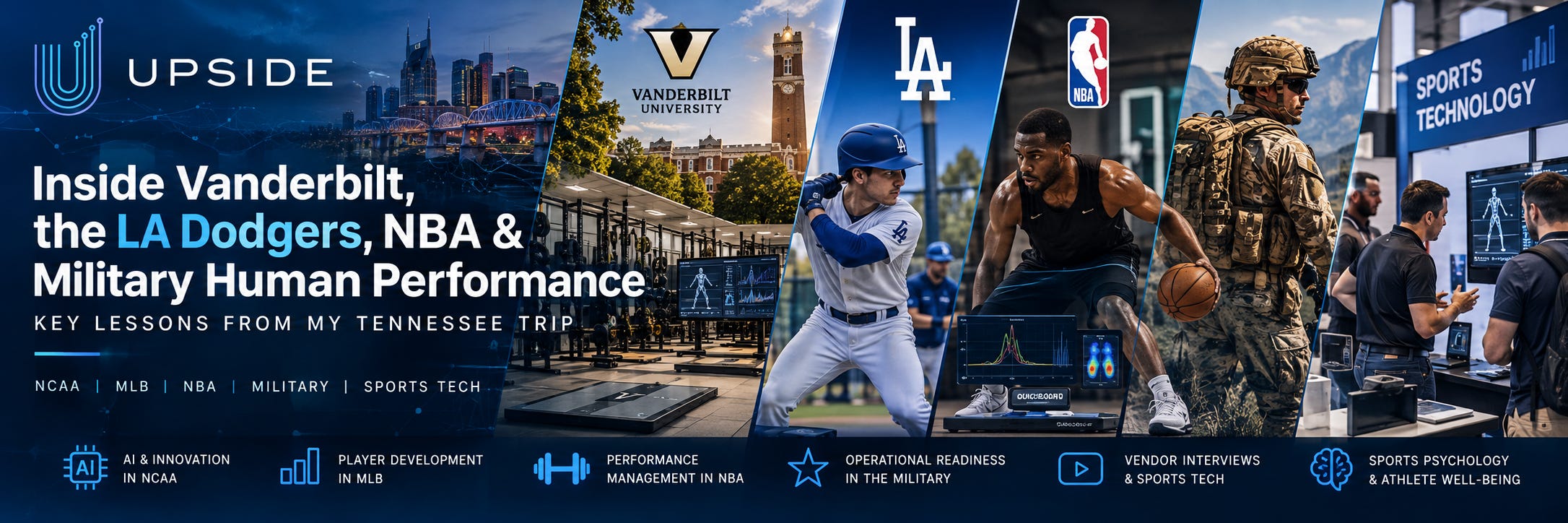
This weekend, I had the opportunity to visit Vanderbilt University (NCAA), Nashville SC (MLS) and catch up with the Predators (NHL) in Nashville, Tennessee, and attend the Health & Performance Summit at Austin Peay State University (APSU) in Clarksville, presented by Deaconess.
It was a fascinating weekend learning how collegiate athletic programs, professional sports organizations, and the military approach athlete development, training, recovery, injury management, nutrition, and emerging technologies.
I also had the opportunity to meet and interview several sports technology companies exhibiting at the summit, including Myocene, DetectFit, Aris Training, VALD, and QuickBoard.
Four areas particularly stood out:
How NCAA athletic departments are adopting advanced performance technologies and AI.
How the LA Dodgers evaluate and develop young international baseball players.
How NBA performance departments manage training, nutrition, recovery, and player readiness.
How the military is applying sports science principles to improve operational readiness and long-term durability.
One theme kept coming up throughout the weekend:
The future of human performance isn’t necessarily about collecting more data. It’s about using technology, science, and practitioner expertise to make better decisions.
Here are my key takeaways.
Inside Vanderbilt University: NCAA Performance Technology Is Catching Up With Professional Sports
During my visit to Vanderbilt University, I learned more about its athletic programs, which support approximately 400 student-athletes across 17 varsity teams, according to the figures discussed during my visit.

The university has invested in a wide range of technologies supporting athlete training, rehabilitation, and recovery.
Some of the technologies I learned about included:
Force plates: Used to assess strength, power, neuromuscular performance, and movement characteristics.
Velocity-based training (VBT): Technologies that measure movement velocity during resistance training.
Ultrasound technologies: Used in sports medicine and rehabilitation.
Computer vision: Movement analysis technologies that can provide biomechanical insights.
Athlete Management Systems (AMS): Platforms that centralize athlete health, training, and performance information.
AI-powered analytics: Emerging tools designed to support athlete monitoring and performance analysis.
What impressed me was how sophisticated some collegiate performance environments have become.
The gap between NCAA and professional sports performance technology is narrowing.
Some NCAA programs now have access to facilities and technologies comparable to those used by professional sports organizations.
The importance of donor funding
Another interesting takeaway was the role of donations in funding athletic facilities and performance technologies.
Private donations can help collegiate programs invest in equipment, training environments, and athlete development resources.
This creates opportunities for sports technology companies, particularly those offering solutions that demonstrate practical value for student-athletes and performance staff.
Investing in the fan experience
Vanderbilt is also investing in its broader athletic infrastructure and fan experience.
Its football stadium accommodates approximately 30,000 fans, and premium hospitality offerings are becoming an important part of the experience.
This reflects a broader trend across collegiate athletics: athletic departments are investing in performance facilities, student-athlete development, and fan experiences to attract athletes, supporters, and donors.
University AI Labs Could Become a Major Competitive Advantage for NCAA Programs
One of the most interesting trends I’m seeing is the growing opportunity for collaboration between university athletic departments and AI research laboratories.
Universities have direct access to researchers, computer scientists, engineers, and academic resources that can support the development of new performance technologies.
Potential applications include:
Injury risk assessment: Identifying patterns associated with increased injury risk.
Biomechanics: Using computer vision and AI to analyze movement.
Athlete monitoring: Integrating training, recovery, and physiological information.
Performance analytics: Identifying trends that can help individualize training.
Workload management: Supporting decisions around training intensity, fatigue, and readiness.
Rather than relying exclusively on third-party vendors, NCAA programs may increasingly collaborate with university research departments to develop customized solutions.
However, developing an AI model is only the first step.
The challenge is translating research into scientifically validated tools that coaches, sports scientists, and medical staff can use in their daily workflows.
My takeaway: NCAA athletic departments could become important innovation hubs for the sports technology industry, particularly in AI, biomechanics, and athlete monitoring.
Chris Dunaway, LA Dodgers: Creative Solutions to Improve Performance

One of the highlights of the APSU summit was a presentation by Chris Dunaway, International Director of Athleticism & Performance for the Los Angeles Dodgers (MLB).
His session, “Creative Solutions to Improve Performance,” provided an inside look at how the Dodgers scout, evaluate, and develop young baseball players internationally, particularly in the Dominican Republic.
Chris opened with a quote that captured his philosophy:
Never tell people how to do things. Tell them what to do and they will surprise you with their ingenuity.
The message was clear: give practitioners a problem to solve and empower them to develop creative solutions.
Using portable force plates to evaluate young baseball players
Chris explained how the Dodgers use mini force plates in their international development programs.
These portable systems allow practitioners to assess physical characteristics without requiring sophisticated laboratory environments.
The assessments he discussed included:
Strength testing using force plates.
Dynamic Strength Index (DSI).
Sprint profiling.
Movement screening.
Regular monitoring of physical development.
One particularly interesting detail was that the Dodgers focus on approximately five or six key performance metrics, rather than trying to analyze every available data point.
Chris also mentioned that force plate testing is performed on Mondays as part of their monitoring routines.
Understanding the Dynamic Strength Index
The Dynamic Strength Index compares an athlete’s peak force during an explosive movement, commonly a countermovement jump, with maximal force during an isometric strength assessment.
It helps practitioners understand the relationship between maximal strength and explosive force production.
This information can help identify strength and power development priorities.
International scouting and player development
Chris gave us a fascinating look at how the Dodgers scout and evaluate young baseball players in the Dominican Republic.
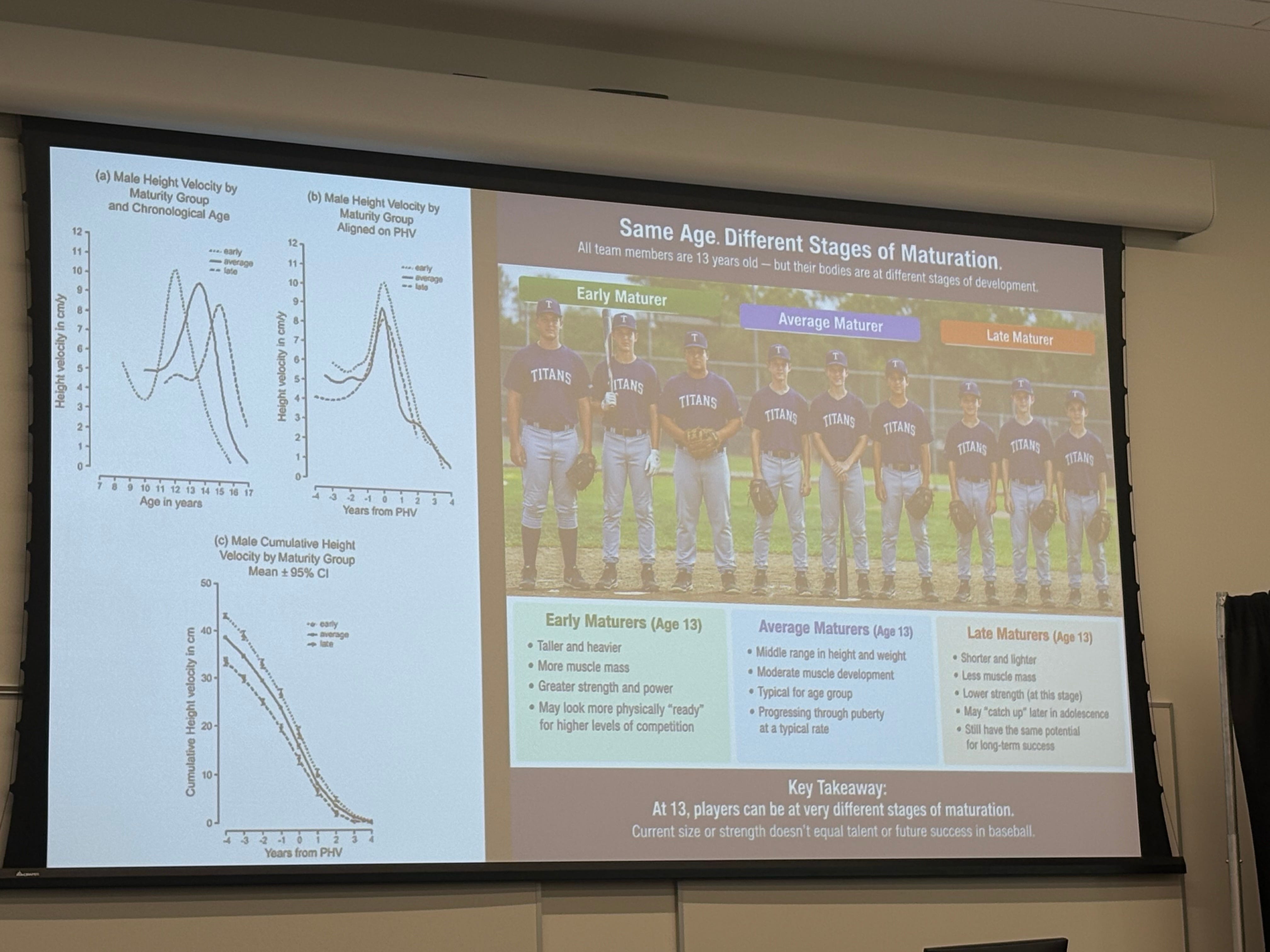
Portable performance technologies allow practitioners to gather useful physical assessments without requiring extensive laboratory infrastructure.
International recruitment and signing eligibility vary according to the country and applicable MLB rules.
The Dodgers use physical testing, movement assessments, and performance data to better understand young players’ athletic profiles and development potential.
Injury history and training consistency
Chris emphasized that the Dodgers take a cautious approach to managing injury risk.
One of his key points was that previous injury is among the strongest predictors of future injury.
He also raised concerns about the physical demands placed on baseball players.
Many athletes train and compete extensively throughout the year, leaving limited opportunities for recovery.
Another challenge is that some players work with external trainers, potentially creating inconsistencies between their individual training programs and those prescribed by the organization.
Integrating GPS, biomechanics, and performance data
Chris also discussed how the Dodgers use GPS systems, including STATSports, within their development environments.
At the MLB level, technologies such as Hawk-Eye, Kinetrax, and TrackMan generate extensive movement, biomechanics, and performance data.
The challenge is integrating these data sources into centralized systems that support decisions about training, workload, and player development.
My takeaway: Collecting more data is not necessarily the solution. Identifying the most relevant metrics and translating them into actionable decisions is what matters.
Dr. Bill Burgos: Performance Is Not Random — Inside NBA Performance Operations
Another fascinating presentation came from Dr. Bill Burgos, founder of BUCOGROUP, LONU and former Head Strength & Conditioning Coach for the Minnesota Timberwolves, Orlando Magic, and New York Knicks.
His session, “Performance Is Not Random,” provided a behind-the-scenes look at how NBA performance departments manage athletes throughout an 82-game regular season.
Bill emphasized that elite performance requires much more than strength training.
It involves daily workload management, nutrition, recovery, sleep, athlete education, and consistent communication.
NBA teams operate on structured daily schedules
Bill described how teams organize their routines around practice days, game days, and off days.
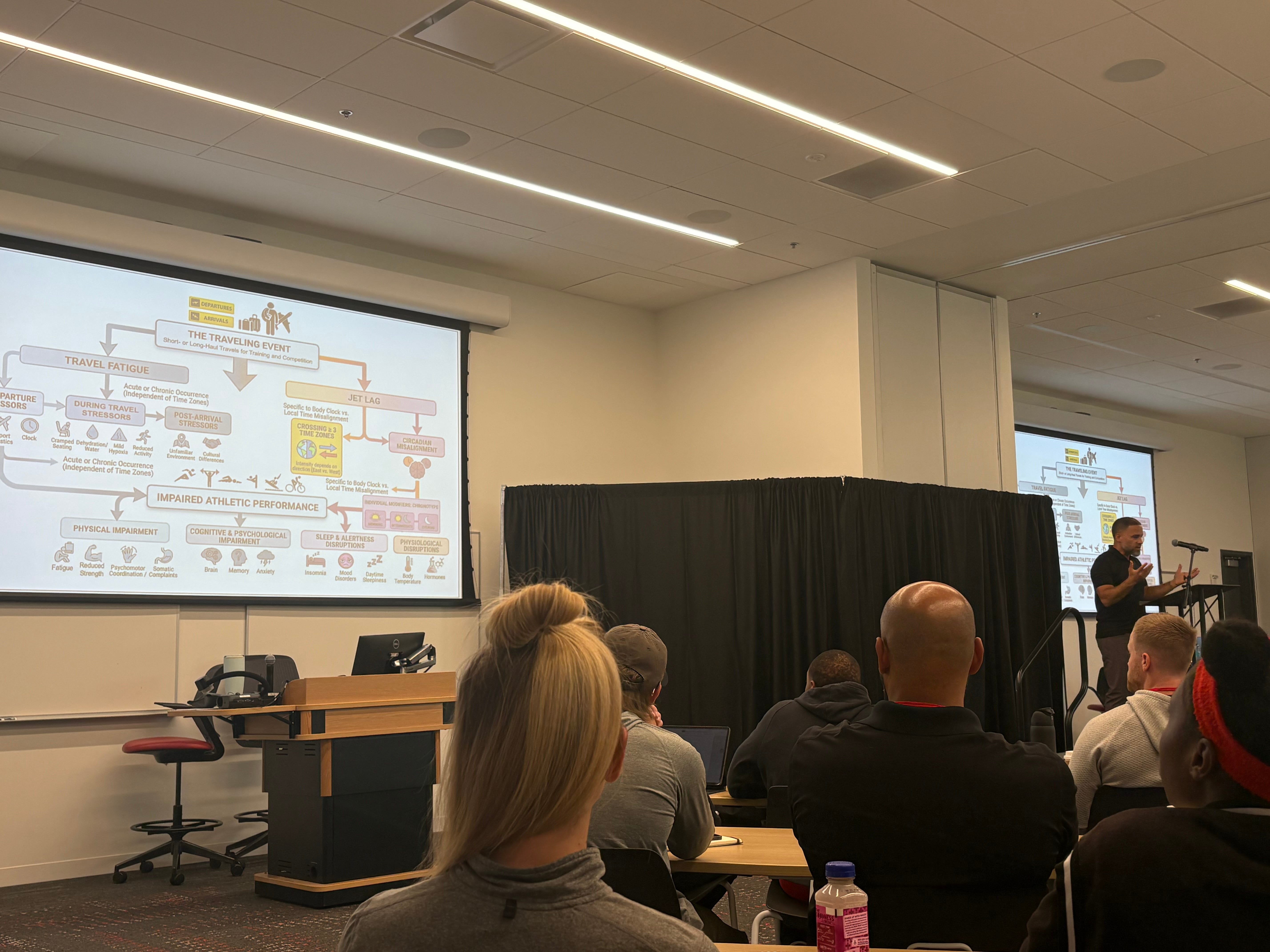
A typical game-day schedule might include:
11:00 AM: Team shootaround.
7:30 PM: Game tip-off.
Between these activities, performance staff must coordinate nutrition, recovery, treatment, training, and player preparation.
As Bill explained, NBA players already play an enormous amount of basketball throughout the season.
The challenge is determining how much additional training they need and when to schedule it.
Managing workload and training intensity
One of Bill’s main responsibilities was managing players’ daily training loads.
He discussed the importance of monitoring training intensity, including whether an athlete exceeds a desired threshold during weightlifting.
This reinforces the need to individualize strength training rather than applying identical programs to every player.
The objective is to provide an appropriate training stimulus without unnecessarily increasing fatigue during a demanding competition schedule.
Using QuickBoard and force plates on game day
One particularly interesting insight was how Bill incorporated QuickBoard and force plate assessments into NBA game-day routines to measure player readiness.
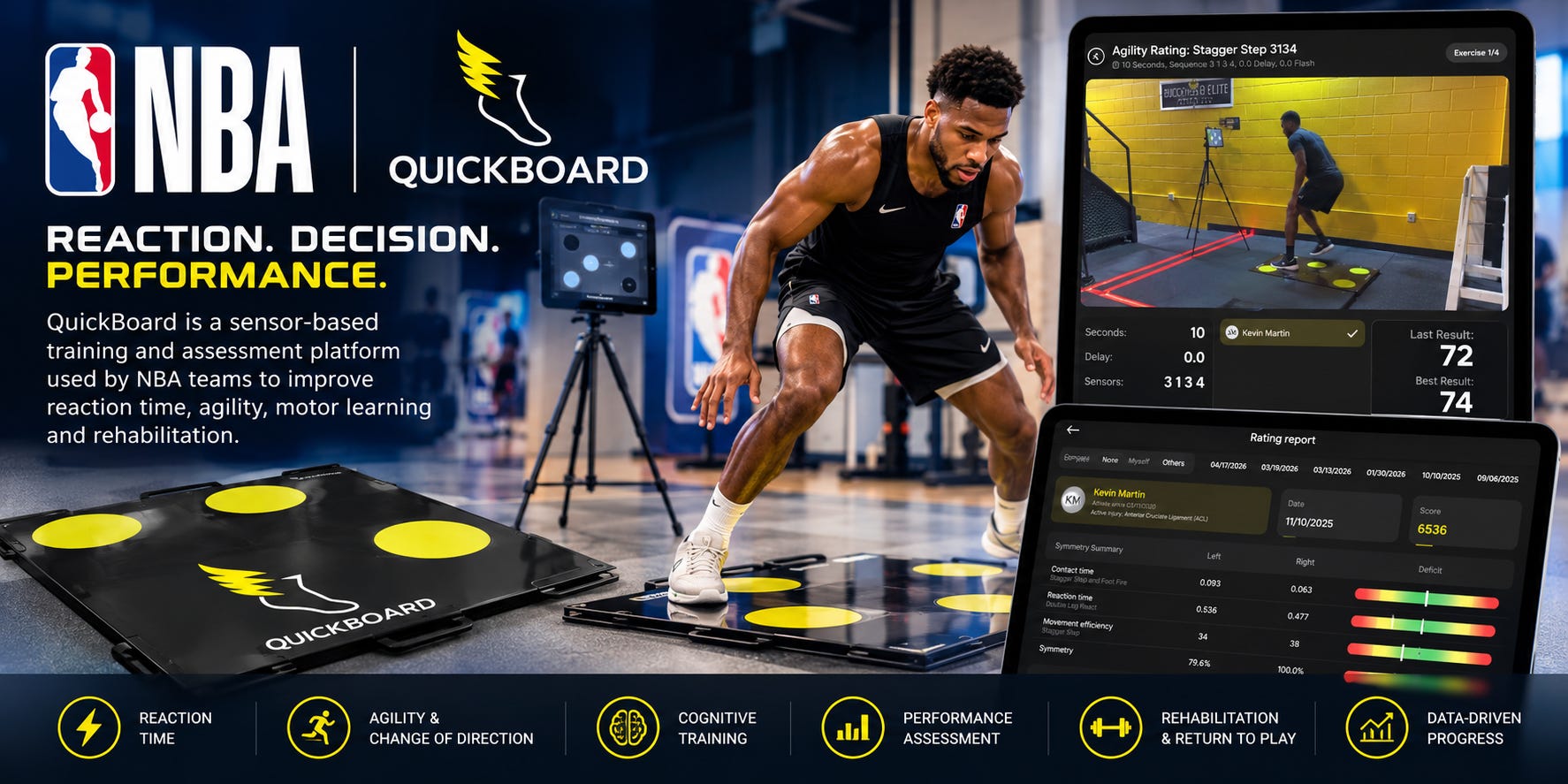
QuickBoard was used to assess aspects of reactive movement and neuromuscular performance, including reaction time, coordination, and movement accuracy.
Force plates provided objective measurements of force production, jump performance, and other neuromuscular characteristics.
These assessments helped performance staff monitor players and identify changes relative to their individual baselines.
The practical advantage is that both technologies can provide useful information through relatively short testing sessions.
My takeaway: Game-day readiness assessments can help practitioners make more informed decisions, provided the results are interpreted alongside player feedback, workload, recovery, and injury history.
Blood flow restriction training in the NBA
Bill also discussed using blood flow restriction (BFR) training during his NBA career.
BFR involves using specialized cuffs to partially restrict blood flow during exercise.
It can provide a training stimulus while reducing the need for heavy external loads, making it relevant in certain rehabilitation and strength-training situations.
This is particularly interesting in the NBA, where athletes already accumulate substantial physical demands through practices, games, and travel.
BFR can offer practitioners another option when heavier loading is not appropriate, although it requires suitable screening and supervision.
Creatine supplementation and individualized nutrition
Bill also discussed being particularly careful about creatine use.
His comments highlighted the importance of managing supplementation deliberately rather than assuming every athlete should follow the same approach.
More broadly, nutrition was one of the central themes of his presentation.
He explained that performance staff may estimate athletes’ calorie needs, but knowing what players actually consume can be difficult.
For example, when players order food independently, staff may not know exactly what they have ordered or eaten.
This creates challenges when trying to manage fueling, recovery, and overall nutritional intake.
Educating younger NBA players about nutrition
One of the most interesting observations was the difference between veteran and younger players.
Bill explained that experienced NBA players often have a better understanding of how to eat properly, while younger athletes may need considerably more guidance.
He recalled younger players who wanted to eat chicken tenders before every game.
His approach was not simply to tell athletes what they could or couldn’t eat.
Instead, he focused on education and helping players understand the relationship between nutrition, energy, recovery, and performance.
Working collaboratively with team chefs
Bill also discussed the importance of building relationships with chefs.
Rather than dictating exactly what chefs should prepare, his approach was to involve them in the performance process and educate them about the nutritional needs of NBA players.
This helped align food preparation with the broader performance objectives of the team.
It is a useful reminder that nutrition management requires collaboration between athletes, performance staff, dietitians, and food service personnel.
Building regular touchpoints with players
Another interesting observation concerned the differences in players’ daily routines.
Bill explained that some established players with major contracts had greater flexibility and spent time away from the team’s facilities.
Meanwhile, some younger players spent considerably more time at the training facility.
This made it important to create regular touchpoints with athletes to discuss nutrition, recovery, and preparation.
Rather than relying on occasional formal meetings, performance staff needed ongoing communication to reinforce healthy habits.
Bill also described setting up fueling stations to encourage athletes to make better nutritional choices throughout the day.
The goal was to create an environment that made good decisions easier.
Understanding soreness during the NBA season
Bill also shared interesting observations about muscle soreness.
He explained that soreness was often more noticeable at the beginning of the NBA season, when players were adjusting to the physical demands of training and competition.
As the season progressed, athletes generally adapted to those demands.
However, he emphasized that practitioners should consider whether what players describe as soreness might also reflect inadequate fueling or insufficient recovery.
Not every complaint of fatigue or discomfort should automatically be attributed to excessive training load.
Nutrition, sleep, recovery, and changes in training intensity can all influence how athletes feel.
Sleep disruption affects both players and performance staff
Another major challenge is sleep.
NBA players frequently deal with late games, travel, and changing schedules.
Bill also recalled the additional disruptions caused by COVID-era testing protocols.
But he highlighted another issue that is often overlooked:
NBA performance staff themselves frequently struggle to get enough sleep.
Coaches, trainers, and medical personnel must prepare the next day’s activities, coordinate treatments, organize training, and support athletes.
We often discuss athlete recovery, but the well-being of the practitioners supporting those athletes deserves more attention.
Teaching principles rather than creating dependency
One of my favorite takeaways from Bill’s presentation was his philosophy around athlete education.
He wanted players to take ownership of their preparation, nutrition, training, and recovery.
Rather than telling them what to do every day, he focused on teaching principles they could apply independently throughout the season.
My takeaway: Elite performance is not random. It is built through consistent daily habits, appropriate training loads, objective monitoring, proper nutrition, recovery, and athlete education.
Paul Robbins: The Science Behind Athletic Excellence: Training and Recovery Innovation

One of the interesting sessions at the ASPU Summit was led by Paul Robbins, who discussed how tracking technologies, biomechanics, big data, and artificial intelligence are transforming the way sports organizations approach athlete performance, training, and recovery.
The session highlighted four key areas where technology and data can help practitioners better understand athletes and make more informed decisions.
1. Understanding the True Physical Demands of Athletes Through Game Monitoring
Tracking technologies are providing teams with increasingly detailed insights into the physical demands athletes experience during competition.
By analyzing movement patterns, workloads, accelerations, decelerations, and other performance metrics collected during games, practitioners can develop a more accurate understanding of what athletes experience on the field or court.
Key takeaway: Training programs should be informed by the actual demands of competition, rather than relying exclusively on traditional training metrics or generalized assumptions.
2. Using Biomechanics Data to Improve Post-Game Recovery and Training
Game data can also provide valuable biomechanical insights into how athletes move and respond to physical demands during competition.
These insights can help practitioners better understand movement patterns, mechanical stress, and potential areas of fatigue.
By connecting biomechanics information with training and recovery strategies, teams can work toward more individualized post-game recovery protocols and training programs.
Key takeaway: The integration of game tracking data and biomechanics could help teams move toward more personalized, evidence-informed approaches to recovery and training.
3. Combining Big Data With Secure AI to Accelerate Decision-Making
Professional sports organizations are collecting enormous amounts of information through tracking systems, athlete monitoring platforms, biomechanics tools, and other technologies.
However, the challenge is not simply collecting more data. It is making that information accessible, secure, and useful for coaches and practitioners.
Paul highlighted the opportunity to use secure AI solutions to analyze large datasets, identify meaningful patterns, and help coaches make faster, better-informed decisions.
Key takeaway: AI could become an increasingly valuable tool for transforming complex performance datasets into actionable insights, provided data security, reliability, and practitioner oversight remain priorities.
4. Turning Complex Data Into Clear, Actionable Insights
Perhaps one of the most important messages from the session was that collecting sophisticated data is only part of the equation.
Teams need to determine how to present insights in ways that are simple, clear, and immediately useful to coaches and performance staff.
A dashboard containing hundreds of metrics may be technically impressive, but its practical value is limited if coaches cannot quickly understand what matters and what actions to take.
The challenge for technology companies is therefore not just building better measurement tools, but also developing more intuitive ways to communicate findings.
Key takeaway: The value of sports performance technology increasingly depends on its ability to deliver the right information, to the right person, at the right time.
💡 Upside Take: The Future Is About Better Decisions, Not More Data
Paul Robbins’ session reinforced an important trend across the sports performance industry: the next competitive advantage may come less from collecting additional data and more from making existing data actionable.
Four broader trends stand out:
Game-informed training: Using real competition data to design more relevant training programs.
Individualized recovery: Connecting biomechanics and workload information to post-game recovery strategies.
Secure AI integration: Using AI to analyze complex datasets and support faster practitioner decisions.
Simplified insights: Moving beyond complex dashboards toward clear, actionable recommendations.
For sports-tech startups, there is an important lesson here.
The companies that succeed may not necessarily be those collecting the most data, but those helping practitioners understand what the data means and what to do next.
As teams continue investing in athlete tracking, biomechanics, and AI-powered analytics, the ability to connect these technologies and translate information into practical decisions could become an increasingly important differentiator.
Sgt. Spencer Posey, Garmin: Athletic Excellence and Military Preparedness
Another particularly interesting presentation came from Sgt. Spencer Posey, Military & Human Performance Lead at Garmin.
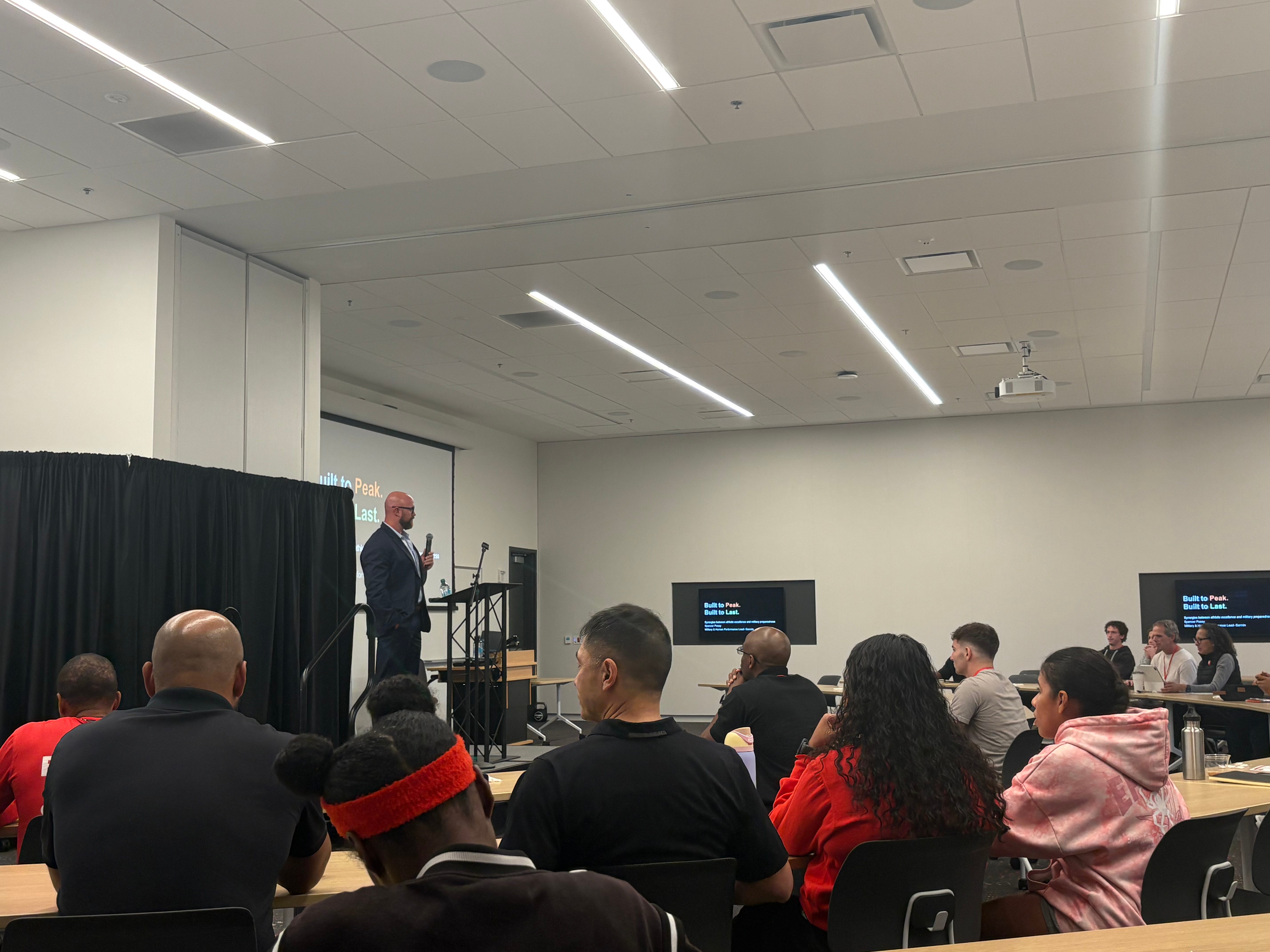
His session, “Athletic Excellence and Military Preparedness,” explored how the military is adopting principles from elite sports performance while facing very different operational challenges.
Who is the better athlete: an NFL linebacker or a soldier?
Spencer opened with a thought-provoking question:
Who is the better athlete: an NFL linebacker or a soldier with 14 years of military experience?
An NFL linebacker prepares for competition with a relatively predictable schedule.
The athlete knows when the game will take place, where it will be played, and who the opponent will be.
Military personnel, on the other hand, must operate in unpredictable environments.
They may face unknown threats, extended deployments, limited recovery opportunities, and constantly changing operational demands.
A professional athlete prepares to perform at a specific time.
A soldier must be prepared to perform when the mission requires it, often without knowing when that moment will come.
How the US military is adopting human performance programs
Spencer discussed the evolution of military human performance initiatives.
Historically, military physical training often followed a standardized approach.
For example, personnel might be required to participate in the same physical training drills at 6:30 AM, regardless of their individual needs, physical condition, or occupational requirements.
Over time, military organizations began adopting more comprehensive approaches inspired partly by elite sports performance.
Spencer highlighted several initiatives:
TFF: Total Force Fitness a framework that came out of the Department of defense in the early 2000’s focused on eight domains of readiness: Physical, medical, nutritional, psychological, social, environmental, spiritual, financial.
THOR3: Tactical Human Optimization, Rapid Rehabilitation and Reconditioning.
POTFF: Preservation of the Force and Family.
H2F: The US Army’s Holistic Health and Fitness initiative, introduced in 2020, which places greater emphasis on physical readiness, nutrition, sleep, and broader human performance.
The objective is to move beyond traditional fitness testing toward a more comprehensive approach to military readiness.
The potential return on investment of military human performance programs
One particularly interesting figure Spencer shared concerned the potential economic benefits of the Army’s H2F initiative.
He referenced an evaluation covering the 2019–2023 period.
According to the figure presented, every $1 invested generated an estimated $8.15 in value.
This was presented as an estimated return on investment rather than a direct financial return.
The broader implication is significant.
Improving physical readiness, reducing injuries, and keeping military personnel available for duty can potentially create substantial operational and economic value.
Being strong in the gym doesn’t necessarily mean being ready for the field
Another important takeaway was the difference between gym performance and occupational capability.
Spencer challenged the assumption that a soldier who performs well in strength testing will necessarily perform well in operational environments.
Being able to lift heavy weights in a gym doesn’t automatically mean someone can carry heavy equipment over difficult terrain, move under fatigue, or perform complex tasks under pressure.
Physical fitness is important, but it is not the same as operational readiness.
The same principle applies to elite sports.
An athlete can produce impressive numbers on force plates or in strength testing without necessarily performing better during competition.
The challenge is identifying assessments that reflect the actual demands of the occupation or sport.
Availability wins: load management as a military readiness intervention
One of Spencer’s strongest messages was:
“Availability wins in the military.”
In professional sports, teams manage athlete workload to support performance and reduce injury risk.
Spencer argued that load management should also be considered a critical military readiness intervention.
The objective is not simply to make soldiers stronger or fitter.
It is to ensure they remain physically capable and available when needed.
He suggested that load management should become a leadership metric, with commanders evaluated partly on how effectively they maintain the readiness of their personnel.
Rather than treating injuries and physical readiness solely as medical responsibilities, military leadership should be directly involved in managing human performance.
Sleep: recovery is preparation
Sleep was another major topic.
Spencer emphasized that recovery is preparation.
However, unlike professional athletes, military personnel cannot always protect their sleep schedules.
Operational requirements, deployments, missions, and unpredictable environments can disrupt recovery.
Human performance teams must therefore develop strategies that improve readiness even when ideal sleep conditions are impossible.
Nutrition in the military: performance under unpredictable conditions
Spencer also discussed the importance of nutrition in military environments.
In professional sports, athletes often have access to team chefs, nutritionists, fueling stations, and carefully planned meals.
Military personnel may face very different conditions:
Unpredictable meal schedules.
Restricted access to food and water.
Limited opportunities for recovery.
High physical demands.
Difficult environmental conditions.
Spencer highlighted the importance of practical fueling strategies, including carbohydrate availability and post-operation rehydration.
The challenge is developing nutrition strategies that work under real operational conditions rather than assuming ideal access to food and recovery resources.
Return to play vs. return to duty
Another important distinction concerns rehabilitation.
In professional sports, practitioners frequently discuss Return to Play (RTP).
In the military, the equivalent concept is Return to Duty (RTD).
Returning to duty involves more than recovering from an injury.
A soldier must demonstrate the physical capability required to perform their specific occupation.
Different military roles may require different combinations of strength, endurance, mobility, load carriage, and operational skills.
Rehabilitation and readiness assessments should therefore reflect occupational demands rather than relying exclusively on general fitness benchmarks.
Where the comparison between soldiers and athletes breaks down
Spencer explained that while soldiers are sometimes described as “athletes in a different uniform,” the comparison has limitations.
1. Physical fitness doesn’t automatically translate into operational effectiveness.
Being fit does not necessarily make someone an effective military leader or decision-maker.
2. Military schedules are less predictable.
Professional athletes generally know their competition calendars, while military personnel may face unpredictable missions and extended deployments.
3. Replacing personnel is more difficult.
Professional teams can often rely on a “next man up” approach.
In the military, replacing highly trained personnel can take years.
4. Performance support is organized differently.
Professional teams typically have dedicated performance staff embedded within their organizations.
Military human performance resources may be distributed across units, facilities, and command structures.
5. Injury underreporting is a significant challenge.
Spencer discussed how military personnel may avoid reporting injuries because they fear being removed from duty, losing opportunities, or being perceived as less capable.
This can create pressure to return to duty before they are fully prepared.
He also referenced approximately 2 million annual outpatient visits related to musculoskeletal and other physical health concerns, illustrating the scale of the issue discussed during his presentation.
The exact reporting period and categories behind this figure would need to be confirmed.
Beyond fitness testing: the military’s durability model
One of the most interesting concepts Spencer introduced was a durability model.
Rather than focusing exclusively on traditional fitness testing, the model considers whether military personnel can sustain occupational performance over time.
He described three fundamental questions:
1. Can the soldier do the job?
Does the individual have the physical and operational capabilities required for the occupation?
2. Can the soldier still do the job in year 10?
Can the individual sustain that capability over a long military career?
3. Will the soldier be available on the day that matters?
Is the individual healthy, capable, and ready when the mission requires them?
These questions shift the focus from short-term fitness performance to long-term operational durability.
Connecting performance science with leadership decisions
Spencer also discussed the importance of making performance data useful at different levels of military leadership.
He emphasized several priorities:
Embedding performance science into operational decision-making.
Connecting human performance data with commanders’ decisions.
Measuring capability and availability according to occupational requirements.
Improving data literacy across military leadership.
Combining quantitative measurements with qualitative feedback from personnel.
One challenge he identified was that military organizations may collect substantial quantitative data without obtaining equally useful qualitative feedback.
Knowing a soldier’s fitness score doesn’t necessarily explain whether that individual is ready for a specific mission.
The real value comes from combining objective measurements with operational context.
My takeaway: The military has a tremendous opportunity to leverage technologies and methodologies developed in elite sports, including wearables, athlete monitoring, biomechanics, recovery technologies, and AI.
However, these solutions cannot simply be transferred from professional sports into military environments without adaptation.
The objective is not to produce the strongest or fastest soldier. It is to develop personnel who can perform their occupational duties effectively, remain available, and sustain that capability over time.
Dr. Seth Haselhuhn: Mental Performance in Action — Strategies for Training, Competition, and Rehabilitation
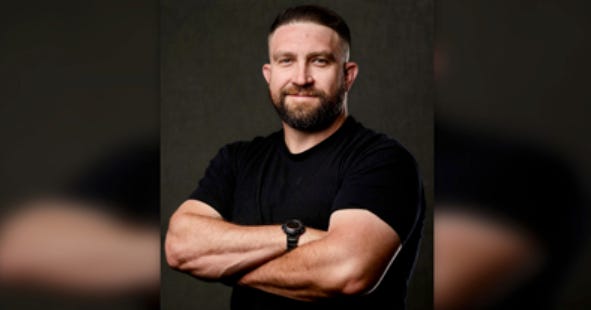
Another fascinating presentation at the APSU Health & Performance Summit came from Dr. Seth Haselhuhn, a mental performance specialist working in the military’s Special Operations community and owner of Caliber Development Group.
His session, “Mental Performance in Action: Strategies for Training, Competition, and Rehabilitation,” explored how athletes and tactical professionals can develop the psychological skills needed to perform under pressure, maintain motivation, manage stress, and navigate injury rehabilitation.
One of the most interesting aspects of his presentation was the emphasis on making mental performance training practical and integrating it into everyday coaching.
Rather than treating mental skills as something athletes work on only when they experience difficulties, Seth advocated developing these skills as part of regular training and preparation.
1. Understanding Motivation: Autonomy, Competence, and Relatedness
Seth explained that motivation involves three important psychological components.
Autonomy — Taking Ownership
Autonomy isn’t simply about giving athletes choices. It’s about helping them take ownership of the decisions they make.
Athletes who understand why they are following a particular training program and accept responsibility for their choices may be more engaged in their development.
Competence — Focusing on Execution Rather Than Outcomes
Competence involves developing the skills, techniques, and strategies required to perform effectively.
Instead of focusing exclusively on winning or losing, athletes should direct their attention toward executing the right actions.
Relatedness — Working Toward a Common Goal
Relatedness involves individuals working together toward shared objectives.
This requires a common understanding of goals, consistent communication, and a shared language between athletes, coaches, and performance staff.
My takeaway: Sustainable motivation isn’t simply about encouraging athletes to work harder. It’s about creating an environment where they feel ownership, develop competence, and understand how their efforts contribute to a common objective.
2. Understanding Confidence: Preparation Matters More Than Feelings
One of Seth’s most interesting observations concerned confidence.
He challenged the common belief that athletes must feel confident before they can perform successfully.
Instead, he described confidence as being closely related to our ability to predict future performance based on preparation and competence.
In other words, confidence isn’t simply a feeling. It develops through knowing what needs to be done and having the capabilities to execute it.
Seth discussed several important aspects of preparation.
Physical preparation
Are you physically capable of completing the task?
Do you have the right equipment?
Do you understand how to use that equipment?
Can you adapt or troubleshoot if something goes wrong?
Social preparation
Do you understand who you are working with?
Do you know who or what you are competing against?
Do you understand who is observing your performance?
What do these relationships and circumstances mean to you?
He also discussed three components of competence.
Skill: Do you possess the appropriate skill, or do you have time to develop it?
Technique: Can you combine existing skills or adapt techniques to meet the demands of a situation?
Strategy: Do you have alternative approaches when your initial plan doesn’t work?
Seth recommended having more than one strategy available, but generally no more than three.
My takeaway: Confidence is built through preparation, competence, and adaptability rather than relying exclusively on positive thinking.
3. Stress Management: Understanding What We Can Control
Seth described stress as an imbalance between perceived environmental demands and perceived capabilities to respond, particularly when the outcome matters to the individual.
An athlete may experience pressure when they believe the demands of a situation exceed their ability to manage them.
He also discussed how closely individuals connect their personal identity to their goals.
When athletes define themselves exclusively through performance outcomes, setbacks can become more psychologically challenging.
One concept Seth emphasized was the Trichotomy of Control.
The principle is to recognize the difference between what we can control, what we can influence, and what lies outside our control.
Athletes should focus on actions they can control to improve their ability to influence outcomes they cannot fully control.
For example, a basketball player cannot control whether every shot goes in.
However, the player can control preparation, shot selection, technique, and attention during execution.
This shifts the focus away from worrying about outcomes and toward performing the actions that improve the likelihood of success.
4. Self-Regulation: More Than Breathing and Heart Rate Variability
Another interesting topic was self-regulation.
Seth explained that self-regulation can range from relatively simple physiological techniques to more advanced cognitive skills.
At the basic level, athletes can use breathing exercises and heart rate variability (HRV) awareness to support physiological regulation.
However, he emphasized that more advanced self-regulation involves situational awareness.
Athletes need to understand their environment, recognize what is happening, connect that information to their objectives, and select appropriate actions.
This requires combining attention, decision-making, and an understanding of the task.
The goal isn’t simply to become calmer.
It’s to remain capable of recognizing situations and making effective decisions under pressure.
5. Integrating Mental Skills Into Daily Coaching
One of the most practical aspects of Seth’s presentation was his discussion of how coaches can integrate mental performance into daily training.
He connected coaching objectives with three stages of learning.
Cognitive Phase — Process Goals
During the initial learning stage, athletes focus on understanding how individual skills work and how they fit together.
The central questions are:
How do I perform this movement or skill?
What are the individual components?
How do they work together?
The emphasis is on learning and executing the correct process.
Associative Phase — Performance Goals
As athletes become more proficient, they learn when and how to apply different skills.
The key questions become:
Which process should I use in this situation?
Can I recognize the situation accurately?
Can I execute the appropriate response?
This stage involves adapting learned skills to changing circumstances.
Autonomous Phase — Outcome Goals
At the advanced stage, skills become increasingly automatic.
Athletes can execute familiar actions with less conscious attention, allowing them to focus more on tactical decisions and performance outcomes.
Seth also discussed the importance of testing athletes under pressure to understand what breaks down first.
Does the athlete lose tactical awareness, or does psychological regulation deteriorate?
This can reveal information about both athlete development and coaching effectiveness.
6. Coaching Feedback Shapes Athletes’ Beliefs About Pressure
Seth emphasized that perceptions of pressure are often connected to athletes’ belief systems.
Coaches can influence those beliefs through their feedback and communication.
He outlined several practical coaching principles.
Be optimistic, but practical.
Rather than debating whether a glass is half full or half empty, recognize that it is a glass — and refill it.
The message is to focus on constructive action instead of getting stuck in positive or negative interpretations.
Be realistic and objective.
Avoid automatically labeling events as good or bad.
Instead, help athletes recognize what happened and identify the appropriate response.
Stay in the present.
Seth highlighted two useful reminders:
Be where your feet are.
W.I.N. — What’s Important Now?
These encourage athletes to focus on the immediate task rather than past mistakes or future outcomes.
Focus on execution.
Reinforce the processes and actions athletes can perform rather than concentrating exclusively on results.
Focus on controllables.
Use what you can control to influence what you cannot.
Separate identity from performance.
Athletes should understand that their personal worth is not defined by individual outcomes.
They can pursue ambitious goals while recognizing that mistakes are part of development.
My takeaway: Mental performance isn’t just about what athletes think. It’s also about how coaches communicate, provide feedback, and structure the learning environment.
7. Mental Toughness Is Primarily About Controlling Attention
Another interesting insight concerned the concept of mental toughness.
Seth discussed 12 attributes associated with an ideal mentally tough performer.
According to the framework he presented:
Two attributes relate primarily to confidence.
Two relate primarily to motivation.
Eight relate primarily to attention control and focus.
This was particularly interesting because mental toughness is often associated with confidence, determination, or the ability to tolerate discomfort.
Seth’s framework places much greater emphasis on the ability to direct and maintain attention.
In practice, this means helping athletes recognize relevant information, ignore distractions, and focus on the appropriate task under pressure.
My takeaway: Mental toughness is not simply about pushing harder. It is largely about maintaining attention and making effective decisions when circumstances become challenging.
8. The Psychology of Injury: Supporting Athletes Before and After Injury
The final major topic was the psychological impact of injuries.
Seth emphasized that injuries can represent a significant turning point in an athlete’s career.
For some athletes, this may be the first time they face a serious disruption to their identity, confidence, and ability to participate in their sport.
This makes the behavior of coaches, medical professionals, and rehabilitation staff particularly important.
Before Injury — Managing Stress, Fatigue, and Attention
Seth discussed how high stress, physical fatigue, and difficulties controlling attention may contribute to increased injury risk.
He emphasized the importance of:
Developing life skills.
Managing physical and psychological energy expenditure.
Controlling the complexity of training.
Teaching athletes to direct their attention effectively.
The broader message was that injury prevention should consider psychological demands alongside physical preparation.
After Injury — Managing Emotional Responses and Rehabilitation
Seth discussed how injured athletes may experience grief-like emotional responses.
Rather than dismissing those emotions, coaches and medical staff should recognize that they are part of the athlete’s experience.
He emphasized the importance of establishing realistic, constructive rehabilitation goals that allow athletes to experience progress and maintain a sense of achievement.
Anxiety and a lack of trust can also complicate rehabilitation.
This makes communication between athletes, coaches, and medical professionals essential.
Rehabilitation should therefore address not only physical recovery but also the athlete’s confidence, expectations, and psychological readiness to return.
💡 My Biggest Takeaways From Dr. Haselhuhn’s Presentation
1. Mental performance should be trained every day. Psychological skills should be integrated into coaching and practice rather than treated as separate interventions.
2. Motivation depends on ownership, competence, and shared purpose. Athletes need to understand their choices, develop the appropriate skills, and feel connected to common goals.
3. Confidence is built through preparation. Competence, experience, and adaptability matter more than simply trying to feel confident.
4. Stress management is about controlling attention and responses. Athletes should focus on what they can control and influence.
5. Coaching feedback has a significant psychological impact. The language coaches use can influence athletes’ beliefs, attention, and responses to pressure.
6. Mental toughness is closely connected to focus. The ability to direct attention toward relevant information is critical during competition.
7. Injury rehabilitation must address psychological as well as physical recovery. Anxiety, trust, identity, and motivation can influence how athletes engage with rehabilitation.
My overall takeaway: Sports performance departments invest heavily in technologies that measure strength, power, movement, workload, and physiological readiness.
However, athletes must also develop the psychological skills required to interpret situations, manage pressure, make decisions, and execute effectively.
The next evolution in human performance may come from integrating physical performance, cognitive skills, mental preparation, and psychological well-being into a more comprehensive approach to athlete development.
🎤 Fireside Chat with Gunnar Peterson: From Hollywood to the NBA
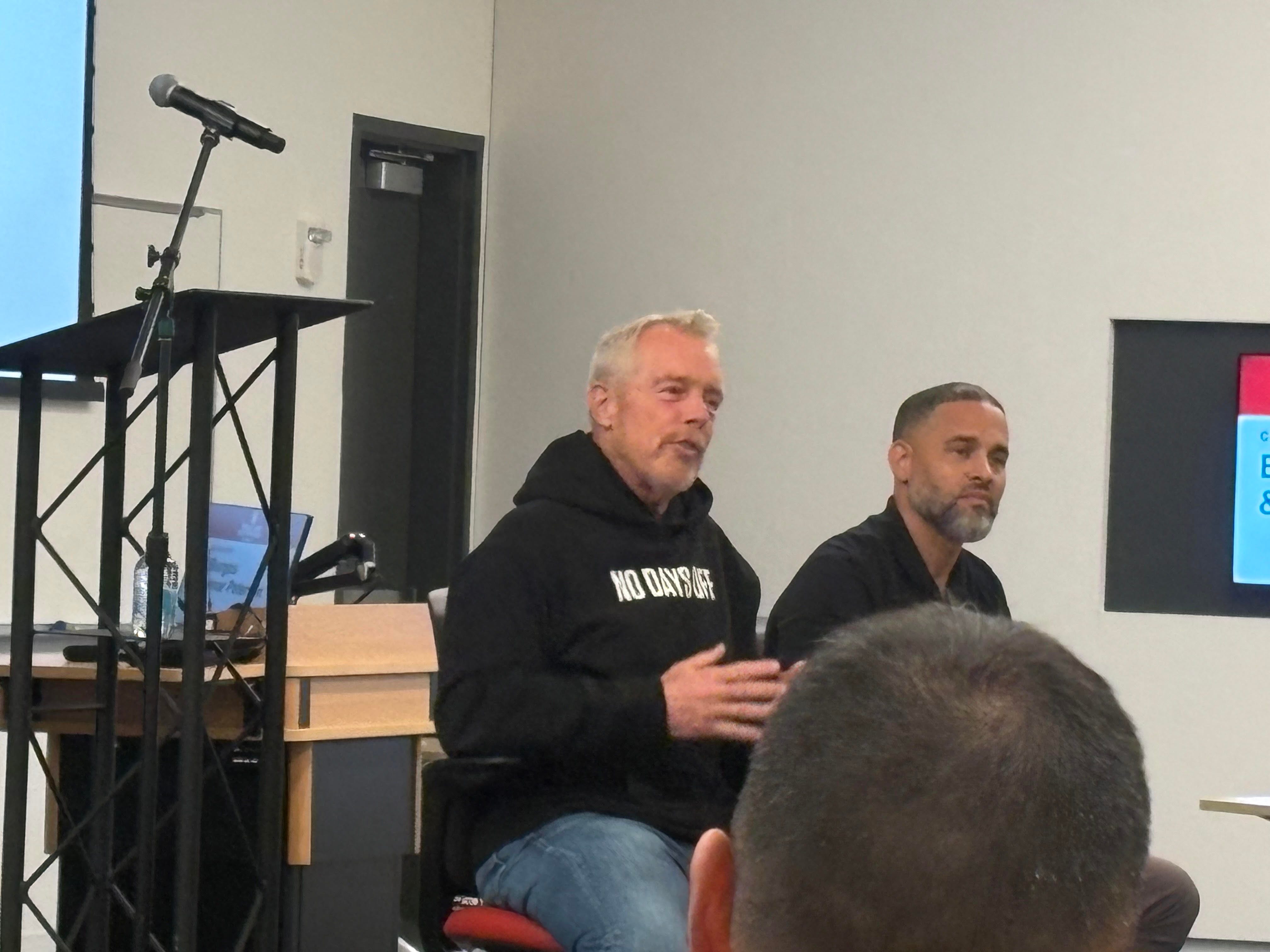
One of the highlights of the ASPU Summit in Nashville was a fireside chat featuring Gunnar Peterson, one of the most recognized strength and conditioning coaches in the fitness industry.
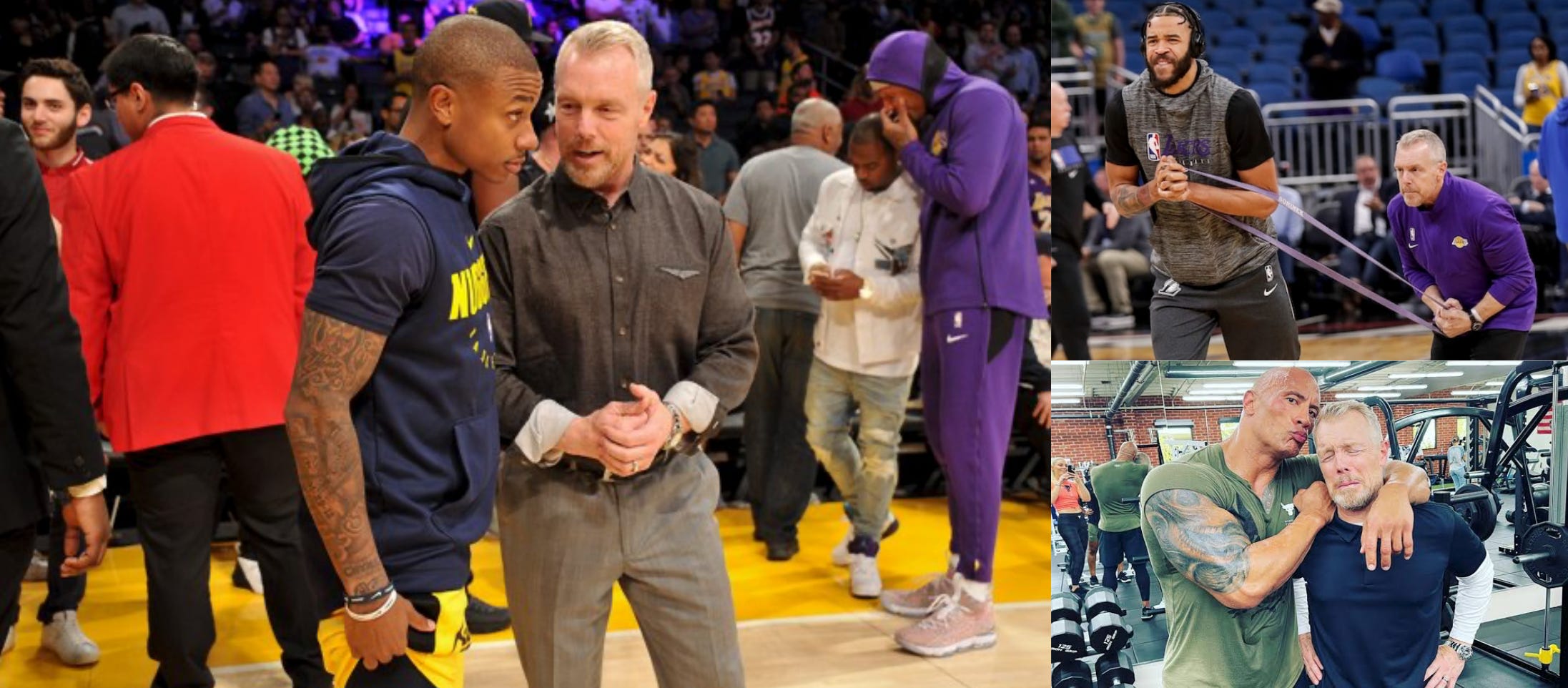
With more than 30 years of experience, Peterson has built a career working with elite professional athletes, Hollywood celebrities, and leading sports organizations.
Who Is Gunnar Peterson?
A graduate of Duke University and a Certified Strength and Conditioning Specialist (CSCS), Peterson is widely known for his expertise in functional training, strength development, and individualized conditioning programs.
Throughout his career, he has worked with athletes across the NBA, NFL, NHL, MLB, professional boxing, tennis, and collegiate sports.
His celebrity clientele has also included some of Hollywood’s biggest names, notably Dwayne “The Rock” Johnson, as well as the Kardashian family and other high-profile entertainers.
His ability to work with both elite athletes and entertainment personalities has given him a distinctive perspective on training, physical preparation, consistency, and long-term performance.
His Role With the Los Angeles Lakers
In 2017, Peterson was appointed Director of Strength and Endurance Training for the Los Angeles Lakers (NBA).
In this position, he was responsible for designing and implementing strength and conditioning programs to help players maintain elite physical performance throughout the demanding 82-game NBA regular season.
His responsibilities included individualized strength programs, conditioning, physical preparation, and collaboration with the team’s performance staff.
His experience with the Lakers offered a firsthand perspective on the physical and mental demands of professional basketball, including the challenges of balancing training, recovery, travel, and competition.
Why His Perspective Matters
Peterson’s career illustrates the importance of combining scientific principles with practical coaching experience.
Whether preparing an NBA player for a long competitive season or helping an actor meet the physical demands of a film role, effective training requires understanding the individual’s objectives, physical capabilities, schedule, and recovery needs.
His background also highlights the importance of communication, consistency, athlete engagement, and adapting training programs to individual circumstances.
🎥 Upside Video Interviews: Sports Technology Companies Exhibiting at the Summit
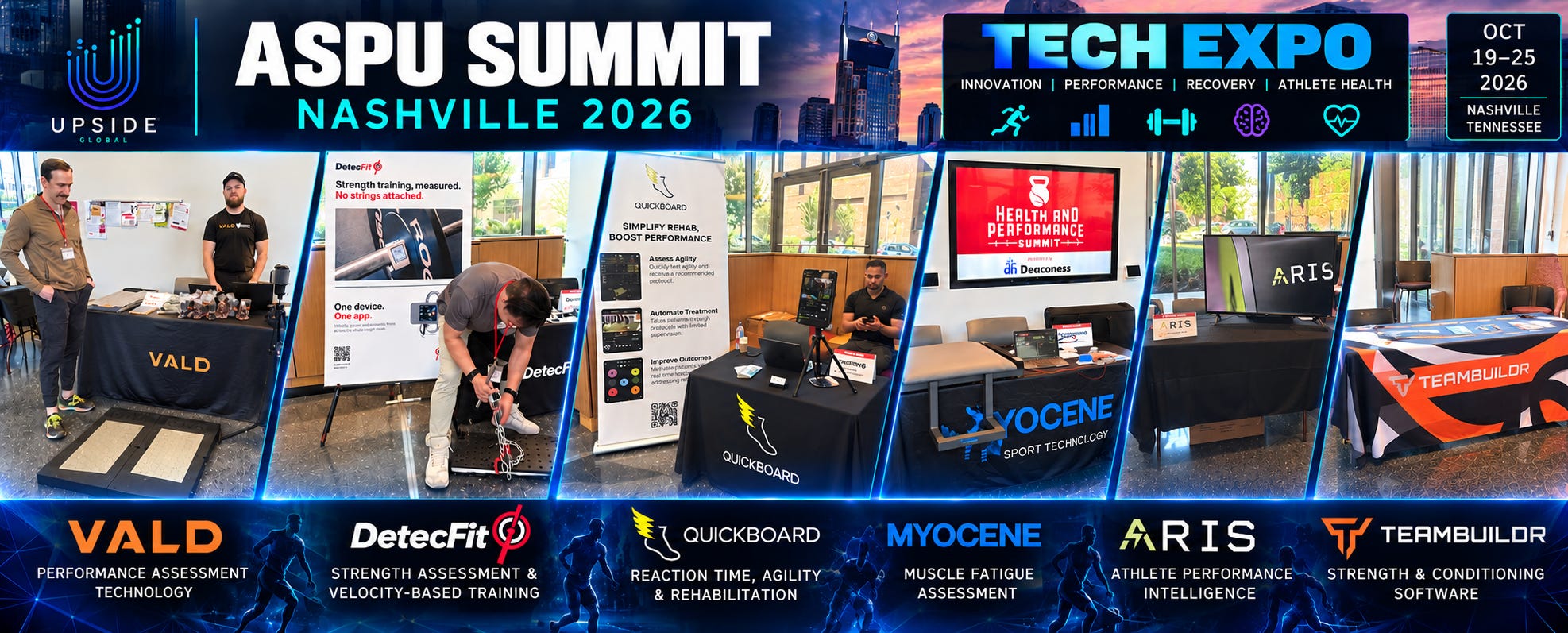
Beyond the presentations, another highlight of the APSU Health & Performance Summit was the opportunity to meet with sports technology companies developing solutions for athlete performance, training, rehabilitation, and recovery.
At Upside, one of our goals is to connect innovative technology companies with practitioners across professional sports, collegiate athletics, and military human performance.
During the summit, we interviewed several exhibiting companies to learn more about their technologies, product developments, and how their solutions can help performance and medical staff.
Watch our YouTube interviews with the exhibiting companies below.
🔬 Myocene — Measuring Muscle Fatigue to Optimize Performance
Website: Myocene
Myocene develops muscle fatigue assessment technology designed to help practitioners better understand athletes’ muscular fatigue and recovery status.
Its technology aims to support more informed decisions about training loads, recovery strategies, and rehabilitation.
🎥 YouTube Interview: Myocene
💪 DetecFit — Portable Strength Assessment and Velocity-Based Training
Website: DetecFit
DetecFit develops portable technologies for strength assessment and velocity-based training (VBT).
Its solutions aim to help strength coaches, sports scientists, and rehabilitation specialists assess athletes’ physical capabilities and monitor training performance.
🎥 YouTube Interview: DetectFit
🏋️ Aris Training — Innovation in Strength and Performance Training
Website: Aris Training
Aris Training develops innovative strength and performance training solutions designed to support athlete development.
The company focuses on helping practitioners optimize training and improve the way athletes develop physical capabilities.
🎥 YouTube Interview: Aris Training
📊 VALD — Performance Assessment and Athlete Monitoring
Website: VALD
VALD offers a range of performance assessment technologies used by sports organizations, rehabilitation professionals, and performance specialists.
Its portfolio includes force plates, dynamometers, and athlete monitoring tools designed to provide objective information about strength, movement, and physical performance.
🎥 YouTube Interview: VALD
⚡ QuickBoard — Reaction Time, Agility, and Motor Learning
Website: QuickBoard
QuickBoard develops sensor-based technology designed to assess and train reaction time, agility, coordination, and motor learning.
Its solutions are used in performance training and rehabilitation environments to help practitioners measure physical responsiveness and incorporate cognitive challenges into movement exercises.
QuickBoard was particularly relevant to the summit because Dr. Bill Burgos discussed using QuickBoard during NBA game-day routines to help assess player readiness.
🎥 YouTube Interview: QuickBoard
Upside Take: Technology Must Solve Real Problems
One of the most interesting aspects of meeting these companies was seeing their different approaches to supporting athlete performance.
Some focus on muscle fatigue and recovery. Others specialize in strength assessment, velocity-based training, reaction time, motor learning, or objective performance monitoring.
Despite their different technologies, they share a common challenge:
How do you translate measurements into actionable insights that help practitioners make better decisions?
Throughout the weekend, that question came up repeatedly.
Whether it was Chris Dunaway discussing force plate assessments with young Dodgers prospects, Bill Burgos explaining game-day readiness testing in the NBA, or Spencer Posey discussing operational readiness in the military, the message was consistent.
The value of performance technology is not simply in what it measures, but in how those measurements improve training, recovery, rehabilitation, and readiness.
A big thank you to the teams behind Myocene, DetectFit, Aris Training, VALD, and QuickBoard for taking the time to speak with Upside and share their innovations.
Sports Psychology Is Becoming Essential in Collegiate Athletics
Another important theme from the weekend was the growing role of sports psychology.
Student-athletes face considerable demands related to academics, competition, injuries, performance expectations, and personal well-being.
Mental performance specialists and sports psychologists can support:
Confidence and resilience.
Stress management.
Injury rehabilitation.
Performance under pressure.
Emotional well-being.
Athlete development.
I expect mental performance support to become increasingly integrated into collegiate and professional sports performance departments.
The industry is gradually moving toward a more comprehensive approach to athlete health that considers both physical and psychological factors.
8. Three Broader Trends Across Elite Sports
My visit to Vanderbilt and the APSU summit reinforced several trends I’ve been observing through conversations with practitioners across the NBA, NFL, MLB, NHL, MLS, NCAA, European professional sports, and military human performance.
Teams want technologies that save time
Practitioners already have access to enormous amounts of data.
They don’t necessarily need another dashboard.
They need technologies that:
Automate repetitive tasks.
Integrate with existing systems.
Reduce administrative workload.
Provide actionable insights.
Help them make better decisions.
Saving practitioners time is becoming an important competitive advantage for sports technology companies.
Technology vendors need to solve real problems
One of the biggest mistakes sports-tech startups make is focusing too heavily on product features.
Teams want to understand what problem a technology solves and whether it improves their existing workflows.
The most successful vendors begin by understanding practitioners’ needs rather than immediately pitching their products.
MLS remains one of the most technology-friendly leagues I’ve encountered
From my experience working with MLS clubs, many organizations are particularly open to evaluating emerging technologies and collaborating with startups.
This creates opportunities for innovation across athlete monitoring, biomechanics, rehabilitation, recovery, and performance analytics.
My Biggest Takeaways From the Weekend
1. NCAA performance facilities are becoming increasingly sophisticated.
Some collegiate programs have access to technologies comparable to those used by professional sports organizations.
2. University AI labs could become major innovation hubs.
Collaboration between athletic departments and academic researchers could accelerate new applications in biomechanics, athlete monitoring, and performance analysis.
3. More data doesn’t necessarily mean better decisions.
The Dodgers’ focus on a small number of meaningful performance metrics is an important lesson.
4. Game-day readiness monitoring can be practical and efficient.
Bill Burgos’s use of QuickBoard and force plates illustrates how objective assessments can fit into NBA performance routines.
5. Nutrition education is just as important as nutrition planning.
Helping athletes understand how to fuel themselves is essential, especially for younger players.
6. Training must reflect the demands of competition or occupation.
NBA athletes already accumulate substantial physical loads, while military personnel face unpredictable operational demands.
7. Availability is a critical performance outcome.
Spencer Posey’s presentation reinforced the importance of keeping personnel healthy, capable, and ready when needed.
8. Long-term durability deserves more attention.
The objective should not simply be maximizing performance today, but sustaining physical capability throughout a career.
9. Sports psychology and staff well-being are increasingly important.
Supporting both athletes and practitioners is essential for sustainable performance.
10. Sports technology must deliver actionable insights.
The exhibiting companies demonstrated different approaches to performance assessment, training, and recovery. Their long-term value will depend on how effectively those measurements support practitioners’ decisions.
Final Thoughts
One of the biggest lessons from this weekend is that elite sports organizations and military human performance programs don’t necessarily need more technology. They need better ways to use the technologies and data they already have.
Chris Dunaway demonstrated how the LA Dodgers use portable force plates, physical assessments, and advanced data systems to evaluate and develop baseball players.
Dr. Bill Burgos showed how NBA performance departments combine game-day readiness testing, individualized training, nutrition, recovery, and athlete education to support players throughout a demanding season.
Sgt. Spencer Posey highlighted how military organizations are adopting sports science principles while focusing on operational readiness, availability, and long-term durability.
Vanderbilt illustrated how NCAA athletic departments are investing in sophisticated performance facilities and exploring the potential of AI and academic research.
And the exhibiting companies — Myocene, DetectFit, Aris Training, VALD, Teambuildr, and QuickBoard — offered an opportunity to see technologies addressing different aspects of performance assessment, training, and recovery.
Despite the differences between professional sports, collegiate athletics, and military operations, the same principle applies:
The next competitive advantage in human performance will come from combining technology, scientific research, data, and practitioner expertise to make better decisions, not simply collecting more information.
A fascinating weekend of learning, exchanging ideas, and discovering new technologies with practitioners and innovators across professional sports, collegiate athletics, and military human performance.
Until next year.
Best,