

Introduction
Yesterday, the All Blacks and Springboks added another memorable chapter to one of international sport’s greatest rivalries. South Africa defeated New Zealand 33–26 in Cape Town, responding to the All Blacks’ 33–16 victory at Ellis Park one week earlier and tying their four-Test series at 1–1.
The result captured what makes this rivalry so compelling: extraordinary physical intensity, tactical adjustments, momentum swings and two proud teams capable of responding immediately to adversity. Although New Zealand scored four tries to South Africa’s three, the Springboks’ defensive resilience and Cheslin Kolbe’s 18 points proved decisive.
The rivalry dates back to 1921 and has become a recurring contest for rugby supremacy. As of August 30, 2026, the teams have played 112 Tests: New Zealand has won 64, South Africa 44, with four draws. They have also combined to win seven of the 10 men’s Rugby World Cups—four for South Africa and three for New Zealand.
What makes the rivalry exceptional is not simply its history. It brings together two distinctive rugby identities. The All Blacks are renowned for their speed, skill, support play and ability to turn mistakes into tries. The Springboks are celebrated for their physicality, set-piece power, defensive pressure and ability to win matches by the smallest margins.
Yet both teams have continually evolved. South Africa now possesses a dangerous and creative backline, while New Zealand understands that championships also require forward power, tactical kicking and defensive discipline. Every meeting therefore becomes more than a rugby match—it is a test of identity, adaptability, resilience and the standards required to become the best team in the world.
The biggest games in the rivalry
The beginning: New Zealand 13–5 South Africa, 1921
The first Test between the two countries was played in Dunedin on August 13, 1921. New Zealand won 13–5, but South Africa responded in the second Test before the third match finished in a draw.
That first series established a pattern that would define the rivalry: neither country was prepared to accept the other as rugby’s dominant nation. Every subsequent tour became a test not only of the players and coaches, but of each country’s entire rugby system.
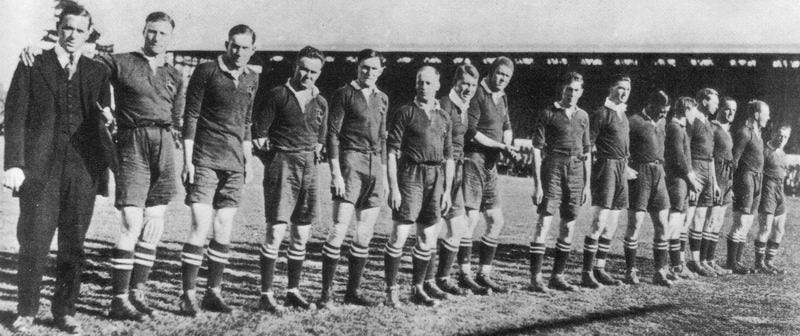
New Zealand’s historic series victory, 1956
Before 1956, New Zealand had never defeated South Africa in a complete Test series. The Springboks were widely viewed as the All Blacks’ greatest obstacle.
New Zealand finally won the four-Test home series 3–1, securing it with an 11–5 victory at Eden Park. The achievement carried enormous national importance and demonstrated that beating South Africa required more than attacking talent. It demanded forward strength, physical preparation and an ability to withstand sustained pressure.
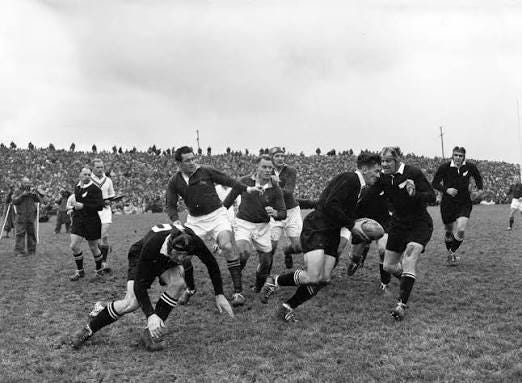
That lesson remains relevant today: teams cannot defeat the Springboks by avoiding the physical contest entirely.
The controversial 1981 tour
South Africa’s 1981 tour of New Zealand became one of the most politically and socially significant sporting tours ever staged.
Because South Africa was still governed under apartheid, the tour produced large protests, civil unrest and deep divisions within New Zealand. The rugby became secondary to a broader debate about whether sport could—or should—remain separate from politics.
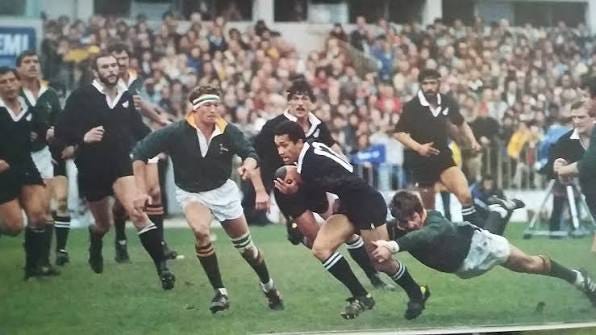
New Zealand won the Test series 2–1, but its significance extended far beyond the results. The tour demonstrated that the All Blacks–Springboks rivalry was connected to national identity, international politics and social change.
Any serious history of this rivalry must recognize both its sporting greatness and its difficult political history.
The 1995 Rugby World Cup final: South Africa 15–12 New Zealand
The 1995 World Cup final at Ellis Park remains the rivalry’s most iconic match.
The tournament was South Africa’s first Rugby World Cup following its return to international competition. Before the final, President Nelson Mandela entered the Springbok dressing room wearing captain Francois Pienaar’s No. 6 jersey. He later presented Pienaar with the Webb Ellis Cup.
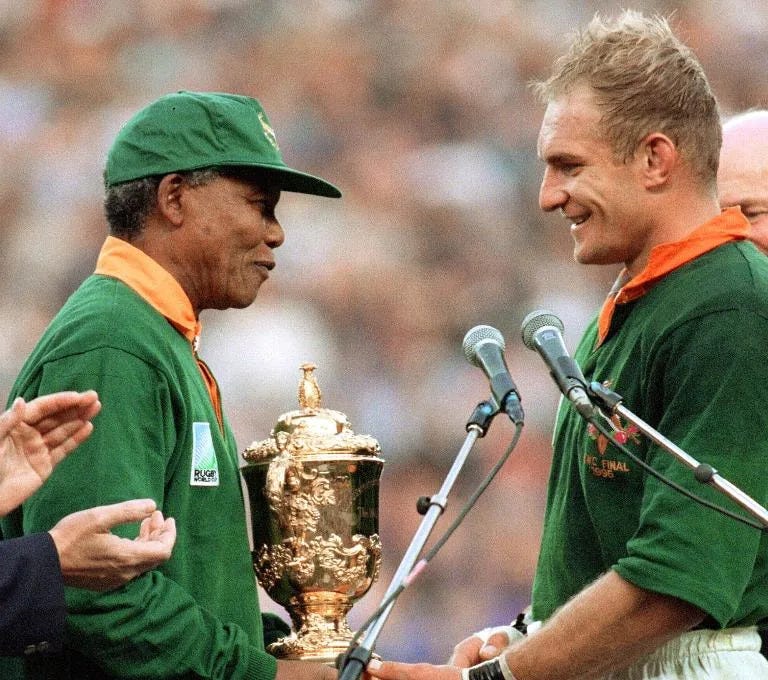
On the field, the Springboks contained an All Blacks team featuring Jonah Lomu, who had dominated the tournament. The match went to extra time before Joel Stransky’s drop goal secured a 15–12 South African victory.
The image of Mandela presenting the trophy to Pienaar became a symbol of national reconciliation. This was more than a famous rugby match—it became one of the clearest examples of sport contributing to a country’s political and cultural transformation.
New Zealand’s breakthrough in South Africa, 1996
One year after losing the World Cup final, the All Blacks returned to South Africa and achieved something no New Zealand team had previously accomplished: winning a Test series on South African soil.
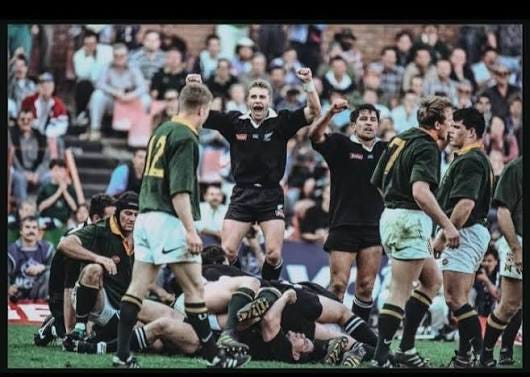
Led by Sean Fitzpatrick and featuring stars such as Jonah Lomu, Zinzan Brooke, Jeff Wilson and Christian Cullen, New Zealand won the first two Tests before South Africa claimed the third.
The result was historically significant because generations of All Blacks had tried—and failed—to win a full series in South Africa. It remains one of New Zealand rugby’s defining accomplishments.
The Ellis Park classic: New Zealand 38–27 South Africa, 2013
The 2013 Rugby Championship decider at Ellis Park represented the rivalry at its attacking best.
South Africa needed a bonus-point victory to win the competition, while New Zealand was also pursuing a bonus point. That created an unusually open and aggressive contest.
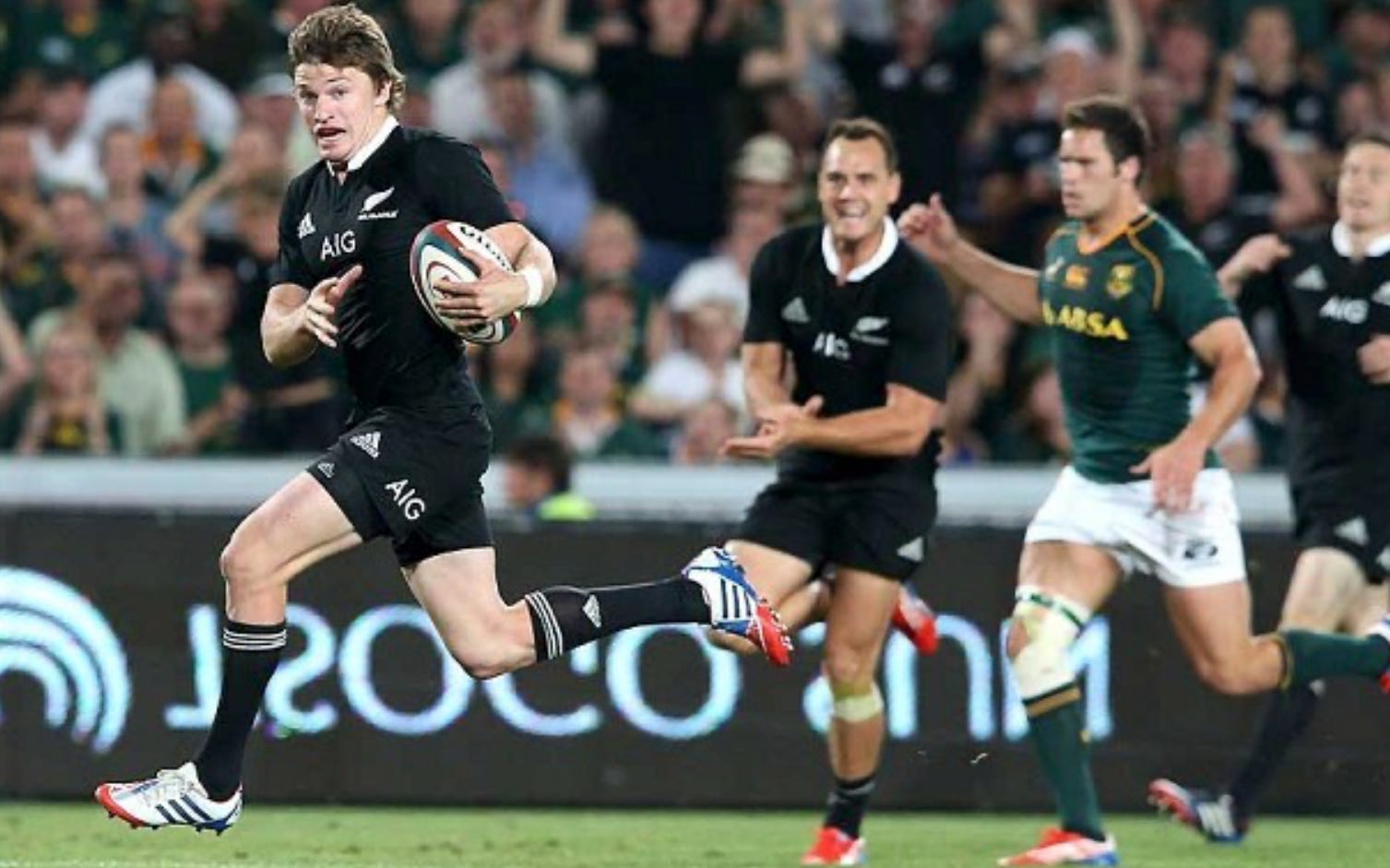
The teams combined for nine tries, with the All Blacks winning 38–27 and completing a perfect Rugby Championship campaign. The match demonstrated that the rivalry was not limited to set pieces, defense and tactical kicking. Both teams could produce high-speed, ambitious and technically sophisticated rugby under immense pressure.
South Africa’s revival in Wellington, 2018
South Africa’s 36–34 victory in Wellington was an important turning point.
The Springboks entered the match under significant pressure and had not defeated New Zealand in Wellington since 1998. They survived an extraordinary All Blacks comeback and defended through the closing stages to secure the victory.

The result helped restore South Africa’s belief under Rassie Erasmus. Approximately 14 months later, the Springboks won the 2019 Rugby World Cup.
It illustrated how one result against a respected rival can transform a team’s confidence, reinforce its identity and accelerate a larger turnaround.
The 2019 World Cup pool match: New Zealand 23–13 South Africa
New Zealand defeated South Africa 23–13 during the pool stage of the 2019 World Cup. The All Blacks produced a devastating attacking burst and appeared better prepared for the occasion.
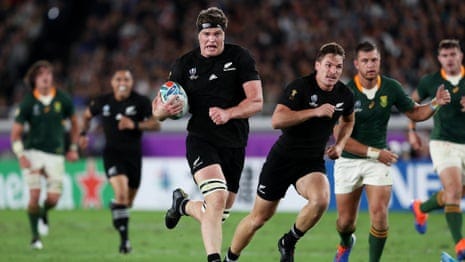
However, South Africa did not panic. The Springboks continued refining their game, managed the remainder of the tournament and eventually defeated England in the final.
They became the first men’s team to lose a pool match and still win the Rugby World Cup. That campaign demonstrated the difference between reacting emotionally to a setback and using it as information.
The 2023 Rugby World Cup final: South Africa 12–11 New Zealand
The 2023 final in Paris was the first World Cup final between the teams since 1995—and another contest decided by the smallest possible margin.
South Africa won 12–11 despite failing to score during the second half. All 12 points came from Handré Pollard penalties. New Zealand played much of the match with 14 players after captain Sam Cane received the first red card in a men’s Rugby World Cup final.
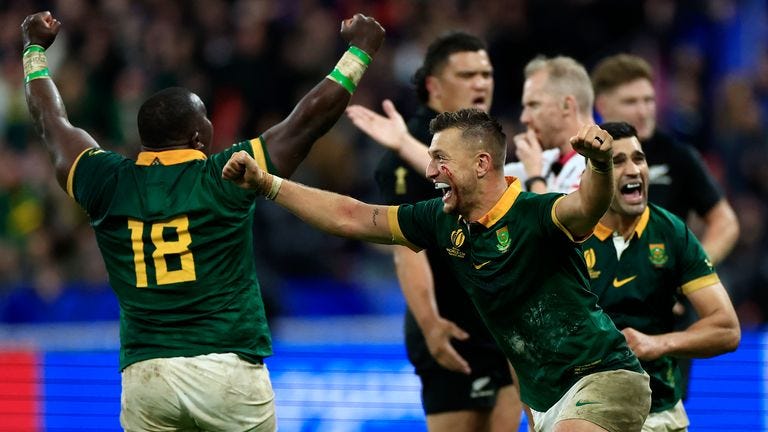
Pieter-Steph du Toit produced a remarkable defensive performance, completing 28 tackles. Beauden Barrett scored the match’s only try, but New Zealand missed a conversion and a late penalty that could have changed the result.
South Africa became the first men’s country to win four World Cups and the second, after New Zealand, to win consecutive titles. The Springboks remain undefeated in World Cup finals and have defeated the All Blacks in both finals they contested against each other.
Record results and the 2026 series
The rivalry has remained remarkably unpredictable.
In 2017, New Zealand defeated South Africa 57–0, which remains the largest winning margin in the series. In September 2025, however, South Africa responded with a 43–10 victory in Wellington—the heaviest defeat in All Blacks Test history.
The teams are now contesting a four-Test series in 2026, their first four-Test series of the professional era.
New Zealand won the opening Test 33–16 at Ellis Park on August 22. South Africa responded with a 33–26 victory in Cape Town on August 29.
That immediate reversal captures the rivalry perfectly: dominance in one match provides no guarantee in the next.
What makes this rivalry so special?
Two of rugby’s most successful nations
The simplest explanation is sustained excellence. These are not merely two historic teams; they are the two most successful countries in men’s Rugby World Cup history.
South Africa has won four titles—in 1995, 2007, 2019 and 2023—while New Zealand won in 1987, 2011 and 2015. Together, they account for 70% of all men’s Rugby World Cups played.
When the Springboks and All Blacks meet, the match frequently feels like an unofficial contest for rugby’s highest standard.
Distinctive national identities
The All Blacks jersey, silver fern and haka form one of the most recognizable identities in global sport. Representing New Zealand carries an expectation that players will protect and improve a legacy established across generations.
The Springboks also represent something larger than a team. Their modern identity is closely connected to South Africa’s diversity, resilience and desire for unity. The evolution from the symbolism of Mandela and Pienaar in 1995 to Siya Kolisi becoming the country’s first Black Test captain is central to the Springbok story.
Both jerseys carry emotional and cultural weight that cannot be manufactured through marketing.
Contrasting—but evolving—rugby philosophies
The traditional contrast gives the rivalry tactical clarity:
New Zealand looks to create speed, space and uncertainty.
South Africa looks to create pressure, collisions and difficult decisions.
The All Blacks want to punish defensive disorganization.
The Springboks want to force opponents into physical and tactical errors.
However, both teams have evolved. South Africa now possesses dangerous backs and sophisticated attacking structures. New Zealand continues to invest in forward power, contestable kicking and breakdown efficiency.
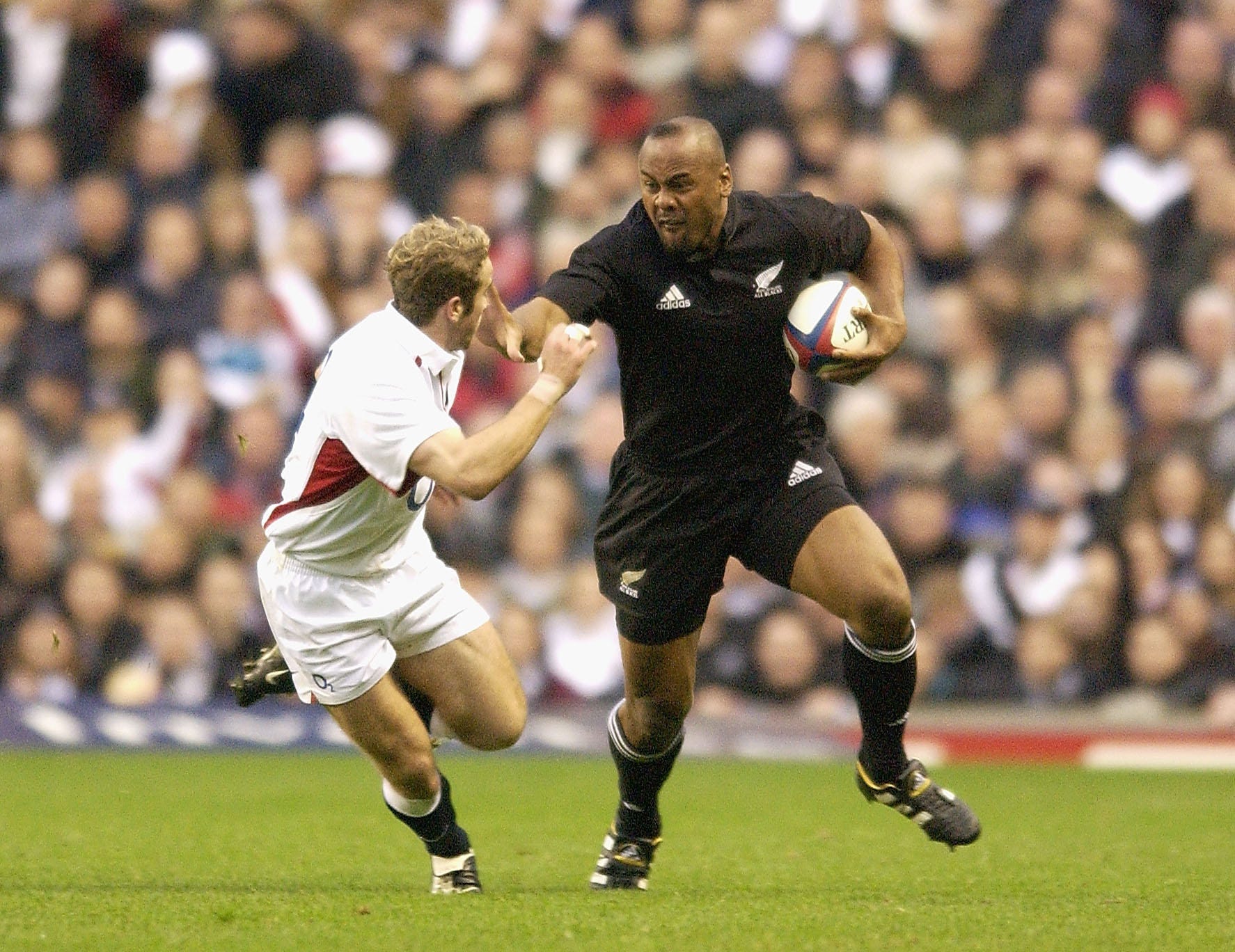
Their greatest strength is not simply having an identity. It is knowing which parts of that identity must remain and which parts must evolve.

Mutual respect
The rivalry is fierce, but it is generally built on respect. Each team recognizes the other as a measuring stick.

For the All Blacks, beating South Africa proves they can withstand the most demanding physical test in rugby. For the Springboks, beating New Zealand demonstrates that they can control a team capable of exploiting a single mistake from anywhere on the field.
Both teams believe the opponent exposes weaknesses that other countries may not. Their matches therefore provide unusually valuable information ahead of major tournaments.
Pressure and unpredictability
Matches between these teams create conditions that resemble knockout rugby:
Possession becomes harder to protect.
Set pieces carry greater consequences.
Discipline becomes decisive.
Tactical decisions must be made under extreme fatigue.
Small mistakes can determine the result.
The 2023 World Cup final was decided by one point. The 1995 final required extra time. That history gives every encounter the possibility of becoming part of rugby folklore.
The 2027 Rugby World Cup
The next men’s Rugby World Cup will be played in Australia from October 1 to November 13, 2027. It will be the first men’s edition featuring 24 teams and a round of 16. (Source: Official Rugby World Cup 2027 information)

New Zealand has been drawn into Pool A with host Australia, Chile and Hong Kong China. South Africa is in Pool B with Italy, Georgia and Romania. (Source: Official 2027 pools).
Both teams should be favored to advance, but the expanded knockout format adds another elimination match—and therefore another opportunity for an upset, injury or disciplinary incident.
Why South Africa will be a favorite
South Africa will enter the tournament as the defending back-to-back champion and the only four-time winner.
Its primary advantages include:
Exceptional depth, particularly among the forwards.
A dominant scrum and powerful maul.
A proven ability to win low-scoring knockout matches.
Strong tactical kicking and aerial pressure.
Tactical flexibility from the coaching staff.
A bench capable of changing the physical balance of a match.
A culture that remains composed in close finishes.
In the 2023 knockout stage, South Africa defeated France, England and New Zealand by one point each. That was not a coincidence. The Springboks repeatedly demonstrated that they could make sound decisions when fatigue, pressure and consequences were at their highest.
Their primary challenge will be squad evolution. Several members of their championship core will be older by 2027. South Africa must introduce younger players without losing its leadership, cohesion and competitive edge.
Why New Zealand will be a favorite
New Zealand has reached five World Cup finals and has never failed to qualify for the quarterfinals.
The All Blacks remain dangerous because of:
Their ability to turn turnovers into points rapidly.
High skill levels across virtually every position.
Outstanding support play and spatial awareness.
A deep domestic development culture.
The ability to change the tempo of a match.
Extensive experience performing under World Cup pressure.
A history of responding strongly after disappointing results.
Their challenge is consistency. Against South Africa, France, Ireland and other leading opponents, spectacular attacking ability alone is insufficient. New Zealand must maintain its discipline, set-piece stability and accuracy when matches become slower and more confrontational.
They are favorites, but not the only favorites
South Africa and New Zealand belong in the leading group, but neither should be considered inevitable.
France, Ireland, England, Argentina and host Australia could all become serious contenders. Injuries, player development, coaching decisions and the knockout bracket will influence the tournament considerably.

The Springboks and All Blacks are favorites because their systems consistently produce teams capable of winning the World Cup—not because their current form guarantees the result in 2027.
What other teams can learn from them
1. Build a clear identity
Players must understand how their team intends to win.
South Africa’s physicality and New Zealand’s speed are not simply tactical choices. They influence player development, selection, conditioning, training design and decision-making.
Teams should clearly define:
Their most repeatable competitive advantage.
The situations they want to create.
The pressure they want to place on opponents.
The behaviors that remain non-negotiable under fatigue.
2. Develop depth before it becomes necessary
South Africa’s use of its bench has become a strategic weapon. The All Blacks have historically maintained competition through a broad development pathway.
Teams should not wait for injuries to test alternative combinations. Emerging players need meaningful responsibilities during important matches.
Depth must be experienced—not merely listed on a roster.
3. Prepare for multiple types of matches
World Cups are rarely won through one style alone.
A champion may need to win an open, high-scoring match one week and a defensive battle the next. Teams should prepare for scenarios including:
Playing with 14 players.
Protecting a narrow lead.
Chasing points late in a match.
Escaping sustained territorial pressure.
Managing a dominant opposing scrum.
Attacking against a set defense.
Making decisions in difficult weather.
The 2023 final showed that contingency preparation can be just as important as a team’s preferred game plan.
4. Train decision-making under fatigue
Technical execution and decision-making tend to decline when players become tired, but World Cup matches are often decided during that exact period.
Training should reproduce the cognitive demands of competition: scoreboard pressure, limited time, defensive noise and physical fatigue.
Players need experience deciding when to kick, carry, contest, slow the match or increase its tempo.
5. Treat set pieces as attacking platforms
South Africa demonstrates that scrums and lineouts can do more than restart play. They can produce penalties, territory, psychological pressure and scoring opportunities.
Even teams that favor open rugby need a stable set-piece platform. Without reliable possession, an ambitious attacking system has limited value.
6. Connect culture to daily behavior
Both countries have powerful traditions, but tradition only matters when it affects preparation.
Culture should be visible in:
Training standards.
Leadership responsibilities.
Accountability.
Selection decisions.
Responses to defeats.
The willingness of experienced players to develop younger teammates.
The lesson is not to copy the haka or Springbok symbolism. It is to build an authentic identity that players feel responsible for protecting.
7. Use defeat as information
Both teams have suffered historic losses and responded.
South Africa lost to New Zealand during the 2019 World Cup before winning the tournament. New Zealand lost its opening match in 2023 and still reached the final. In 2026, South Africa rebounded from a 33–16 defeat at Ellis Park to win 33–26 one week later in Cape Town.
Elite teams review failure without allowing it to destroy confidence. They separate structural problems from temporary execution errors and respond with targeted adjustments.
8. Combine data with experience
Performance data, video analysis, GPS, injury monitoring and tactical modeling can improve preparation. But these tools should support—not replace—coaching judgment and player communication.
The best systems turn information into a small number of clear and actionable insights. In a high-pressure match, players cannot process an endless dashboard. They need simple, shared solutions.
9. Master the small margins
Championship teams do not assume they will always dominate. They prepare to win by one point.
That means prioritizing:
Discipline.
Goal-kicking.
Restarts.
Exit plays.
Lineout accuracy.
Breakdown decisions.
Substitution timing.
End-of-match communication.
South Africa’s three consecutive one-point knockout victories in 2023 offer the clearest possible evidence.
Conclusion
The All Blacks–Springboks rivalry has endured because it continually brings together rugby’s history, highest standards and most demanding competitive questions.
Can New Zealand create enough speed and space to escape South Africa’s pressure? Can the Springboks control the match without allowing the All Blacks to turn one loose kick or turnover into a try? Can either team preserve its identity while adapting to the other?
For more than a century, the answers have changed from match to match.
New Zealand currently leads the overall series, while South Africa holds the advantage in World Cup finals and owns a record four titles. Their 2026 series has already produced one victory for each side, reinforcing that neither team can control the rivalry permanently.
Both will travel to Australia in 2027 as legitimate World Cup favorites. Yet their greatest contribution to the sport may extend beyond trophies.
They demonstrate that sustained excellence requires a clear identity, deep player development, tactical evolution, cultural meaning and the ability to perform when the margin between victory and defeat is almost nonexistent.
You may also like:
🔥Upside Chat: Eddie Jones, Head Coach of England National Rugby Team

This week we had the honor to interview Eddie Jones, the head coach of England National Rugby team. Eddie Jones is an Australian rugby union coach.
