
Introduction
Oura took a major step toward becoming a publicly traded company on September 3, 2026, when it filed its Form S-1 registration statement with the U.S. Securities and Exchange Commission. The company had previously submitted a confidential draft on May 21, 2026.
Oura plans to list on the Nasdaq under the ticker OURA, although it has not yet disclosed the number of shares it will offer, the IPO price range, or the final valuation. (Check out Oura’s IPO announcement).
The filing arrives at an important moment for the wearable-technology industry. Wearables are evolving from step counters and fitness accessories into platforms for sleep, recovery, cardiovascular health, women’s health, metabolic health and preventive care.
Oura’s proposition to investors is therefore broader than selling smart rings. The company wants to be valued as a health-intelligence and preventive-health platform built around three assets:
A discreet wearable used almost continuously
A rapidly growing subscription business
A large longitudinal biometric dataset
The central question for investors will be whether Oura deserves a healthcare- or software-like valuation—or whether it should be valued primarily as a consumer-hardware company facing Apple, Samsung, Garmin, WHOOP and lower-priced smart-ring competitors.
IPO: Key Metrics
The S-1 reveals a company growing exceptionally quickly while beginning to demonstrate profitability and meaningful cash generation.
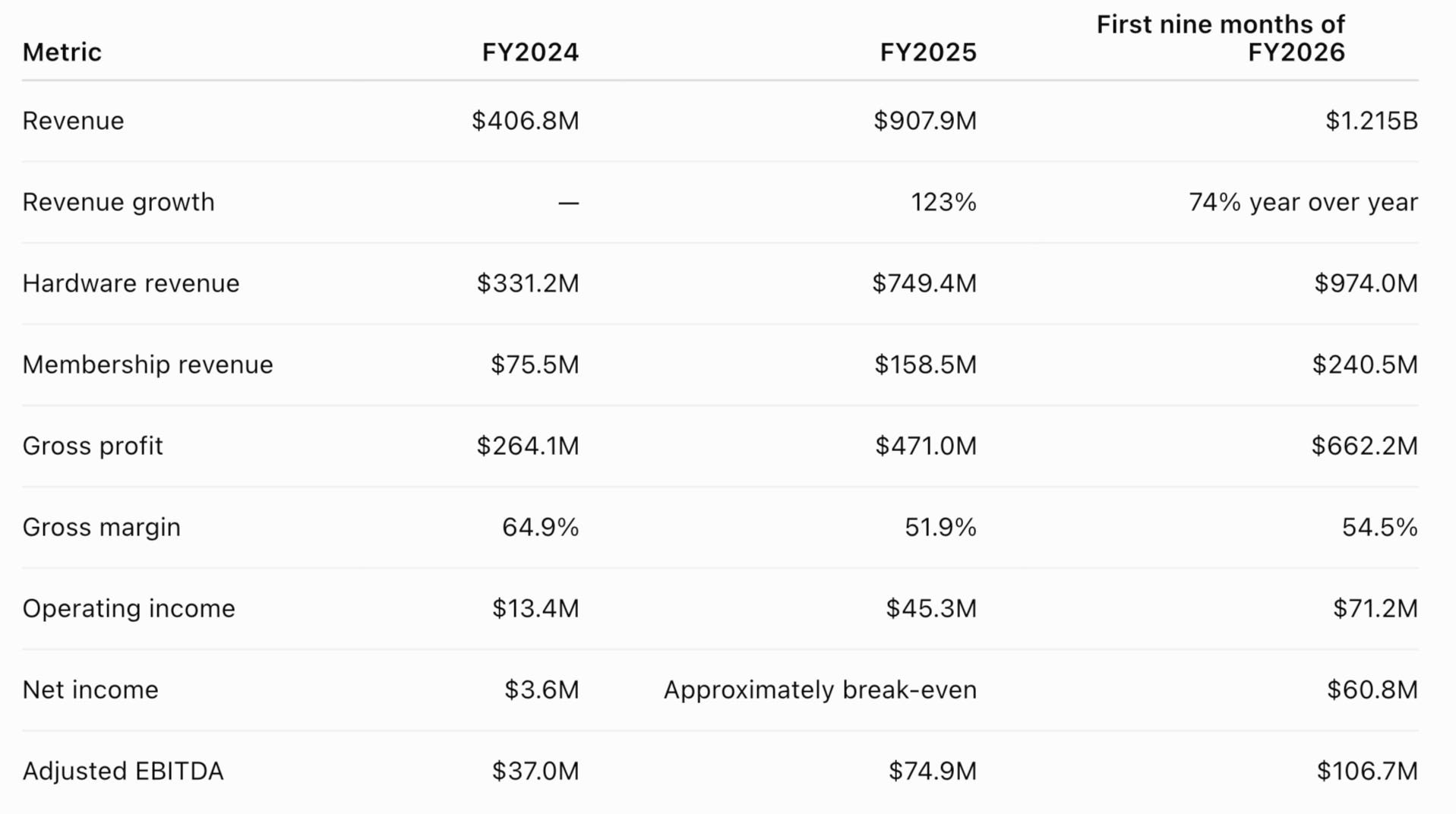
For the nine months ending June 30, 2026, Oura generated approximately $328 million in operating cash flow and an estimated $261.8 million in free cash flow after capital expenditures. That is particularly notable because many high-growth consumer-health companies reach the IPO market while still consuming cash.
Oura’s operating metrics are equally important:
Five million paid members as of June 30, 2026
Approximately 3.1 million rings sold during the first nine months of FY2026
Around 85% twelve-month membership retention
Approximately 94% of ring activations converting to paid memberships
Median daily wear time of roughly 23 hours
Approximately 65% daily-active-user-to-monthly-active-user ratio
More than 3.5 app openings per member per day
Nearly 42 billion hours of longitudinal biometric data
More than 1,200 health, research and commercial partners
Distribution through approximately 8,400 retail locations
Hardware still represented approximately 80% of revenue, while memberships accounted for around 20%. However, Oura reported an 89% gross margin on membership revenue, making the subscription business disproportionately important to its long-term earnings potential. (Check out S-1 financial analysis).
Oura has not yet disclosed the IPO price or final share count. Consequently, investors cannot determine whether the stock is attractively priced simply from the business performance. A strong company can still be a poor investment if its shares are offered at an excessive valuation.
Growth Drivers for Oura
1. Continued growth of the smart-ring category
Oura helped establish the smart ring as a credible alternative to the smartwatch. Rings are smaller, screenless and typically easier to wear overnight—an important advantage when sleep and recovery are central use cases.
Oura also benefits from two different sources of customer growth. According to its filing, approximately 29% of new members replaced another wearable with an Oura Ring, while roughly 33% said Oura was their first wearable.
That suggests Oura can both take share from watches and bands and bring new consumers into the wearable category.
2. The hardware-plus-membership model
The ring creates the customer relationship, but the membership can extend its economic value well beyond the initial hardware purchase.
Oura’s membership currently costs approximately $5.99 per month or $69.99 per year. The price has remained relatively stable even as the company has added more features. This gives Oura several possible growth levers:
Increasing membership prices over time
Introducing premium membership tiers
Selling additional health services
Bundling memberships through employers or insurers
Increasing retention through more personalized insights
With five million paid members, every additional $10 in annual revenue per member could theoretically produce approximately $50 million in incremental annual revenue before accounting for churn, discounts and revenue-sharing arrangements.
3. Women’s health
Women reportedly represent approximately 72% of Oura’s membership. That differentiates it from many performance-oriented wearables that initially attracted predominantly male consumers.
Temperature trends, cycle insights, fertility applications, pregnancy support and perimenopause features could make Oura’s data more useful across different stages of a woman’s life.
Women’s health also creates opportunities for partnerships with fertility companies, employers, health plans and healthcare providers. If Oura can demonstrate clinical and economic value, this could become more than a consumer subscription category.
4. Preventive health and clinical services
Oura is gradually moving beyond sleep and recovery scores. Its ecosystem now touches cardiovascular health, metabolic health, women’s health, laboratory testing and care navigation.
Potential growth areas include:
Blood testing through partners such as Quest Diagnostics
Glucose data integrations
Sleep-apnea and cardiovascular-risk screening
Early detection of changes in health
Personalized AI-generated health guidance
Employer wellness programs
Medicare Advantage and insurance partnerships
Pharmaceutical and clinical-research programs
This is strategically important because preventive health offers a much larger opportunity than the smart-ring market alone. But Oura will need clinical evidence, regulatory discipline and demonstrated healthcare outcomes before investors value it as healthcare infrastructure.
5. International expansion
Only approximately 20% of Oura’s recent revenue came from outside the United States, even though the company operates across dozens of markets.
That leaves meaningful room for growth in Europe, Asia, the Middle East and Latin America. International expansion could be supported through retailers, telecommunications companies, insurers, professional sports partnerships and local healthcare organizations.
It also brings risks involving regulation, localization, pricing, distribution and data-privacy requirements.
6. Product innovation and replacement cycles
Oura Ring 5, introduced in May 2026, is reportedly 40% smaller than its predecessor and measures more than 50 health metrics.
Repeat purchases are becoming more important: the percentage of sales attributable to repeat purchases reportedly increased from approximately 5% in FY2024 to 11% in the first nine months of FY2026.
This suggests Oura may be developing a smartphone-like replacement cycle. Existing members may upgrade for:
Smaller and more comfortable hardware
Better battery life
Improved sensors
New materials and designs
More advanced health features
The risk is that frequent product introductions can also produce inventory write-downs, warranty expenses and customer frustration.
7. AI and Oura’s biometric dataset
Oura has accumulated nearly 42 billion hours of longitudinal biometric data. That dataset could become one of the company’s most defensible assets.
AI may help Oura translate heart rate, temperature, sleep, activity and other signals into more personalized guidance. Over time, the platform could move from reporting what happened to identifying meaningful changes and recommending what the user should do next.
The opportunity is considerable, but so is the responsibility. Incorrect or overstated health guidance could expose Oura to regulatory, legal and reputational risk. The company also acknowledges reliance on third-party AI providers, including OpenAI, Anthropic and Google.
Size of the Wearable Market
Market-size estimates vary considerably because some researchers include only watches, rings and fitness bands, while others also include headphones, medical wearables, smart clothing and extended-reality devices.
IDC offers one of the clearest shipment-based measurements. It estimates that worldwide wearable shipments reached 611.5 million units in 2025, representing 9.1% annual growth. IDC expects shipments to reach approximately:
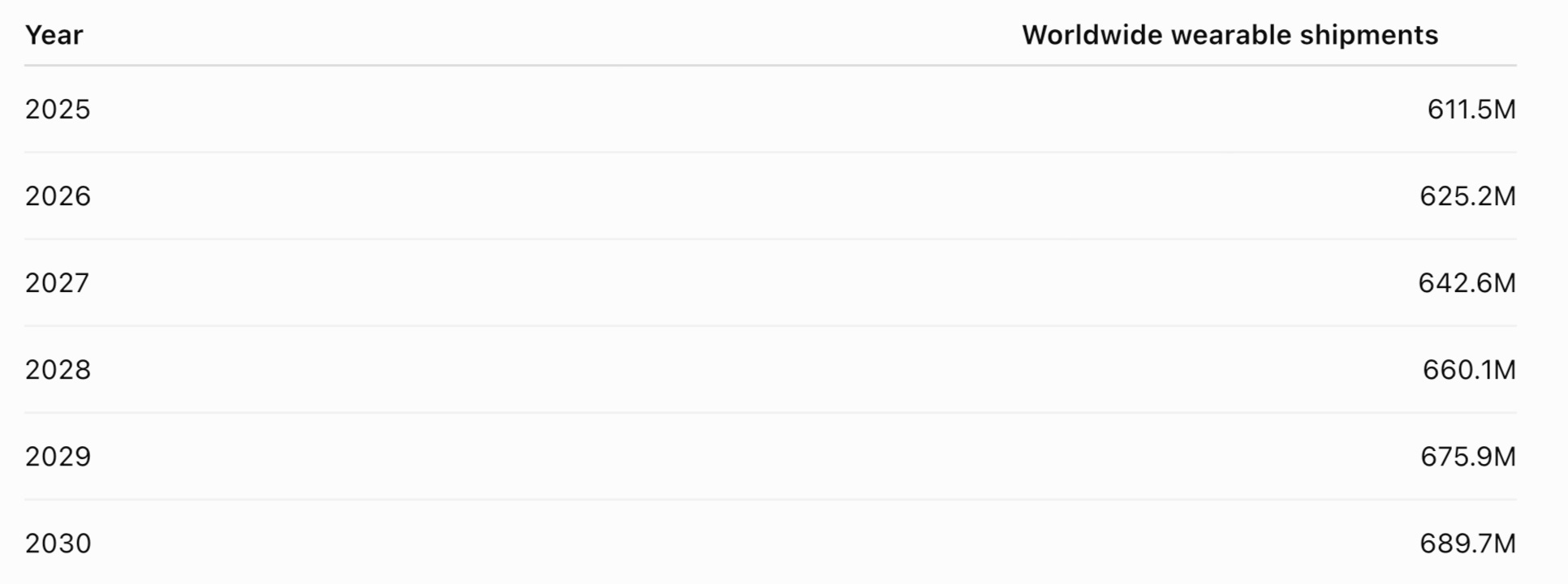
IDC’s totals include earwear, watches, wristbands and emerging form factors. It specifically expects smart rings and screenless devices to support longer-term growth. (Check out IDC Worldwide Wearable Device Tracker).
Oura uses a different approach in its filing and estimates its serviceable addressable market at more than $90 billion in 2026. This includes existing and adjacent categories the company may eventually serve.
The distinction matters. Oura currently sells only a few million devices annually in a market exceeding 600 million wearable shipments. Its overall unit share is therefore small. But it has a much stronger position within the dedicated smart-ring segment.
The more valuable opportunity may not be capturing a large percentage of total wearable shipments. It may be owning a high-value segment built around premium hardware, recurring subscriptions and preventive-health services.
Why You Should Consider Buying the Stock
It would be premature to say investors “should” buy Oura because the IPO price and final valuation have not been disclosed. The following represents the bullish investment case, not a personalized recommendation.
1. Exceptional revenue growth
Oura more than doubled revenue in FY2025 and then generated another 74% increase during the first nine months of FY2026.
Revenue growth will eventually slow, as Oura itself warns. Nevertheless, reaching more than $1.2 billion in nine-month revenue demonstrates substantial consumer demand and makes Oura much more than a niche wearable company.
2. It is already profitable
Oura generated $71.2 million in operating income, $60.8 million in net income and more than $260 million in estimated free cash flow during the first nine months of FY2026.
That combination of rapid growth and positive cash flow is unusual and gives Oura more flexibility to invest in R&D, marketing, healthcare partnerships and international expansion.
3. Strong subscription economics
Approximately 94% membership conversion, 85% twelve-month retention and an 89% membership gross margin are potentially Oura’s most attractive metrics.
The subscription creates recurring revenue after the ring is sold and should improve revenue visibility. As membership becomes a larger percentage of the business, Oura’s blended margins could expand.
4. High engagement and continuous data collection
Median daily wear time of approximately 23 hours gives Oura access to continuous physiological data. High engagement also suggests that users are deriving ongoing value from the platform.
This strengthens Oura’s ability to improve its algorithms, personalize its services and build switching costs around a member’s health history.
5. Category leadership and intellectual property
Oura has become one of the strongest brands in the smart-ring category. Its portfolio includes more than 1,100 patents and patent applications, and it has actively enforced intellectual property involving smart-ring design and functionality.
Patent protection does not eliminate competition, but it may make it more difficult or expensive for smaller rivals to copy Oura’s core product.
6. Multiple growth paths
Oura does not depend on a single expansion opportunity. Growth could come from:
More ring sales
Replacement purchases
Membership growth
Higher subscription revenue
International markets
Employers and insurers
Women’s health
Laboratory and metabolic services
AI-powered guidance
Clinical research and pharmaceutical partnerships
7. Potential to become a preventive-health platform
The strongest long-term case is that Oura becomes the daily interface between consumers and their health data.
If it can connect continuous biometrics, medical history, laboratory results and clinical services, Oura could eventually occupy a more valuable position than a traditional device company.
Reasons for caution
The investment case depends heavily on valuation. Oura’s most recent private financing reportedly valued it at approximately $11 billion. At that valuation, the company would trade at roughly nine times its first-nine-month FY2026 revenue, or a lower multiple if annualized revenue is used.
That may be supportable if growth remains high and subscription revenue expands. It could be expensive if growth slows rapidly or public investors classify Oura primarily as consumer electronics.
Other significant risks include:
Competition from Apple, Samsung, Garmin, WHOOP and cheaper rings
Dependence on discretionary consumer spending
A premium device price plus a recurring membership fee
Hardware warranty and manufacturing risks
Patent litigation, including disputes involving Samsung
Approximately 80% concentration in the U.S. market
Heavy dependence on hardware, which still generates about 80% of revenue
Dependence on a limited number of large retailers
Regulatory exposure as Oura moves closer to medical applications
Privacy and cybersecurity risks involving sensitive health data
The possibility that Apple or Samsung bundles similar insights into existing ecosystems
Post-IPO volatility and lockup-related selling
A sensible investment judgment should therefore wait for Oura’s amended filing, which will disclose the price range, share count, dilution, use of proceeds and implied market capitalization.
Impact on the Wearable Market
Establishing a public valuation benchmark
Oura’s IPO may create the first major modern public-market benchmark for the smart-ring industry.
Private wearable companies, investors and potential acquirers will be able to compare businesses using metrics such as:
Revenue growth
Hardware gross margin
Subscription penetration
Retention
Customer acquisition cost
Engagement
Free-cash-flow conversion
Revenue per user
Device-replacement rates
If Oura receives a premium valuation, investors may become more willing to finance other hardware-plus-subscription companies.
Greater pressure on WHOOP and other private companies
Oura’s public financial disclosures make it more difficult for private competitors to rely on undisclosed user or revenue claims.
WHOOP, Ultrahuman and others will increasingly be compared with Oura’s five million paid members, 85% retention and positive free cash flow.
Faster investment by Apple and Samsung
A successful Oura listing would validate consumer demand for screenless and minimally intrusive health wearables.
Apple and Samsung may respond by accelerating:
Sleep and recovery features
Smart-ring development
AI-powered health recommendations
Women’s-health functionality
Subscription services
Clinical partnerships
Preventive-health programs
Samsung already competes directly through the Galaxy Ring, while Apple could approach the same opportunity through the Apple Watch, AirPods, health software or a future form factor.
More consolidation and patent disputes
The category remains fragmented, but smaller companies may struggle to match Oura’s scale, distribution, research relationships and legal resources.
That could result in:
Acquisitions of sensing and algorithm startups
Licensing agreements
Partnerships between wearables and healthcare companies
Additional patent litigation
Consolidation among smaller ring manufacturers
Investment by pharmaceutical, diagnostics and insurance companies
A shift from devices to health ecosystems
Oura’s filing reinforces a broader evolution: the device itself is becoming the entry point, not the complete product.
Future wearable competition will increasingly focus on who can best combine:
Continuous sensor data
Medical and laboratory information
Personalized AI
Coaching and recommendations
Clinical validation
Healthcare distribution
High user trust
The winners may not necessarily sell the most devices. They may be the companies that create the most useful and trusted health ecosystem around those devices.
Which Wearable Startups Could File for an IPO Next?
1. WHOOP — the clearest candidate
WHOOP appears to be the most likely pure wearable company to follow Oura.
The company raised $575 million in March 2026 at a reported valuation of approximately $10.1 billion. WHOOP reportedly has at least 2.5 million members, was operating-cash-flow positive in 2025 and reached an annual subscription-revenue run rate of approximately $800 million.
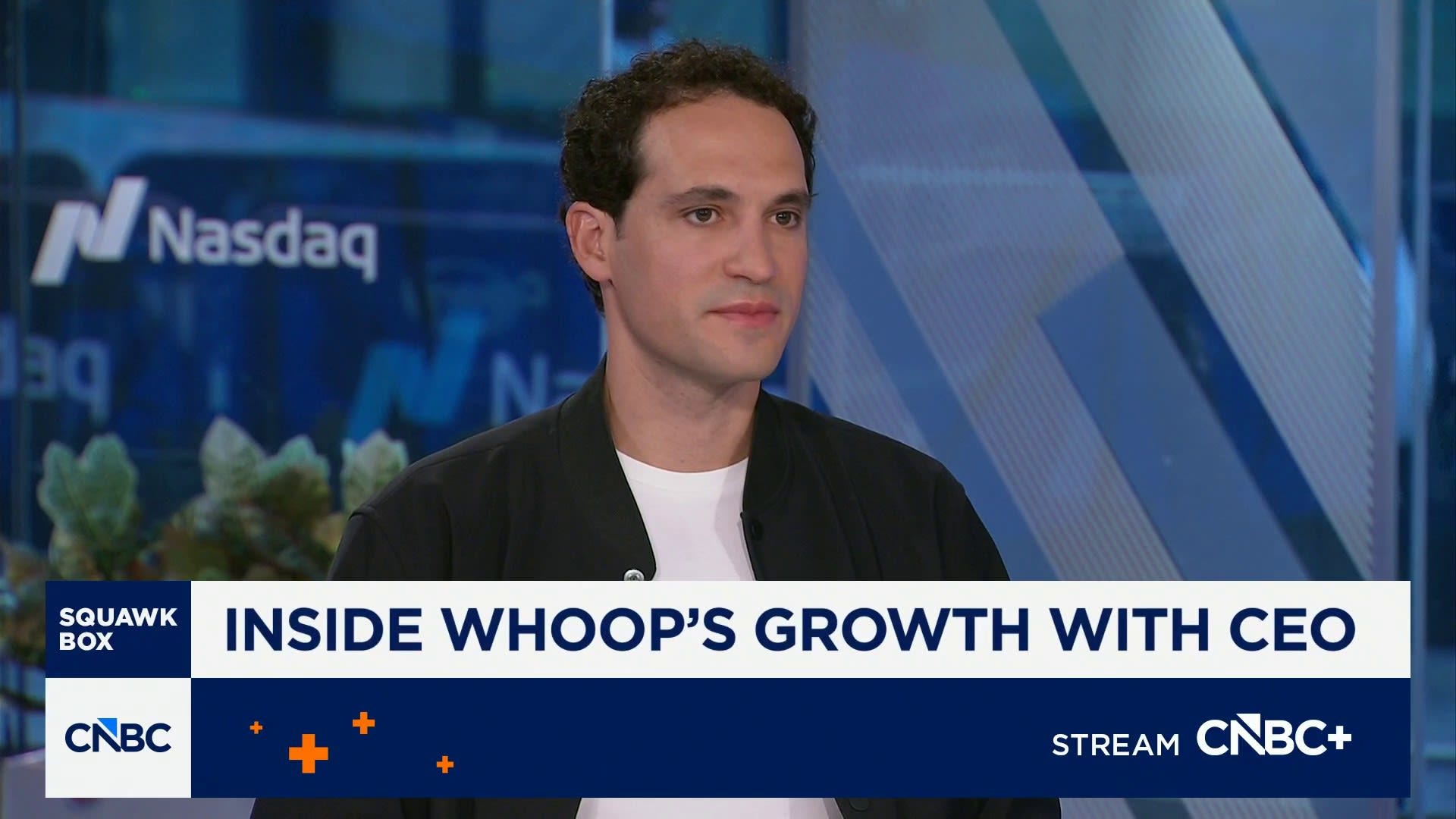
CEO Will Ahmed has described an IPO as the company’s next step, although reports suggest the listing could still be within a roughly 12–24-month window. (Source: Financial Times coverage).
WHOOP’s opportunity is similar to Oura’s but its model is different: WHOOP places the device inside a subscription relationship and has historically focused more heavily on performance, strain and recovery.
Its expansion into ECG, healthspan, women’s health and laboratory testing suggests it also wants to be valued as a preventive-health platform.
2. Strava — already confidentially filed
Strava is not a wearable manufacturer, but it is part of the same connected-fitness ecosystem and could become one of the next major public offerings in the category.
Strava reportedly confidentially filed for an IPO in late 2025 or early January 2026. The company was valued at approximately $2.2 billion in its May 2025 financing and has more than 180 million registered users. (Source: Reuters report)

Strava is important to wearable manufacturers because it operates as a device-independent activity network. A successful Strava IPO would reinforce the value of wearable data, fitness communities and subscription software.
3. Ultrahuman — credible longer-term candidate
Ultrahuman is one of Oura’s most direct smart-ring competitors. The company also offers metabolic-health products, blood testing and environmental sensing.
However, it appears unlikely to file immediately. Following a reported $70 million financing at a $365 million valuation, management indicated that it wants to demonstrate approximately eight quarters of profitability before pursuing a listing. 2028 appears to be the earliest stated IPO window. (Source: Ultrahuman funding and IPO outlook).
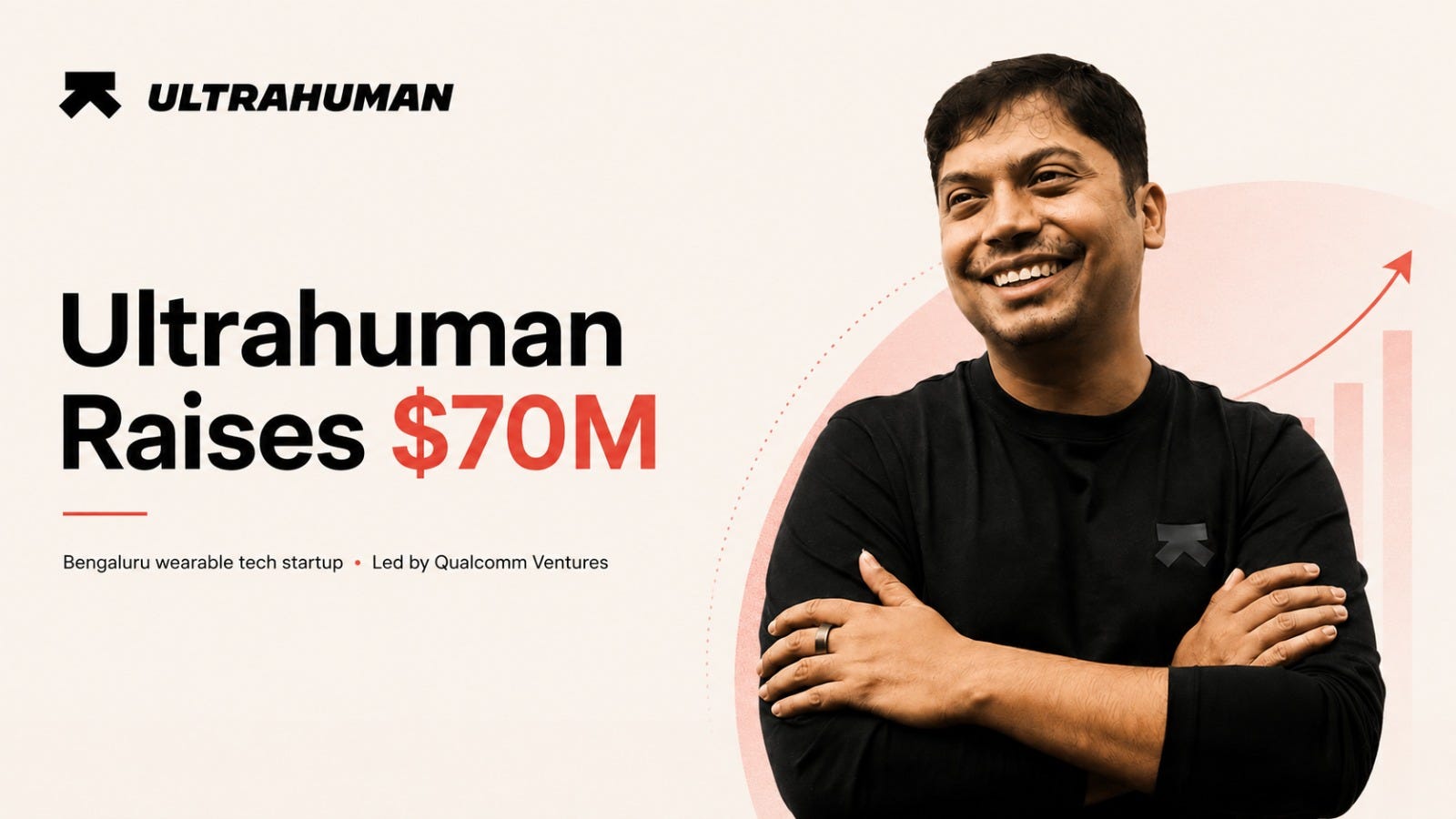
Oura’s public performance will be particularly important to Ultrahuman because it will establish valuation benchmarks for smart-ring revenue, subscriptions and profitability.
4. Eight Sleep — a possible but less certain candidate
Eight Sleep combines sleep sensing, thermal regulation, software and subscriptions through its Pod mattress system.
The company participates in many of the same themes as Oura—sleep, recovery, longevity and continuous biometric monitoring—but no confirmed public filing has been announced. It should be considered a possible longer-term candidate rather than an imminent IPO.
Conclusion
Oura’s IPO filing represents a milestone not only for the company but for the entire wearable-technology industry.
The filing reveals a business with several compelling characteristics: exceptional revenue growth, five million paid members, strong retention, high-margin subscription revenue, positive operating income and substantial free cash flow.
Oura’s opportunity is much larger than selling rings. The company is attempting to build a preventive-health platform connecting continuous biometric data, AI, laboratory services, healthcare partners and individualized guidance.
However, the investment case remains incomplete until Oura publishes its IPO price and valuation. The company still derives approximately 80% of its revenue from hardware, operates in a highly competitive market and faces litigation, regulatory, privacy, manufacturing and consumer-demand risks.
At a reasonable valuation, Oura could offer investors exposure to one of the strongest growth companies in consumer health. At an aggressive valuation, investors may be paying today for a healthcare-platform transformation that still has to be proven.
The IPO’s wider importance may be equally significant. A successful listing could open the public markets to WHOOP, Strava and eventually Ultrahuman or Eight Sleep, while accelerating investment and consolidation across the wearable industry.
Oura is therefore not merely testing investor demand for a smart ring. It is testing whether public markets believe that the next major consumer-health platform can begin with a wearable—and eventually become something much larger.
What to watch on TV this weekend:
Saturday, September 5
Springboks vs. New Zealand All Blacks — 11:10 a.m., RugbyPass TV
The third Test of rugby’s greatest rivalry takes place at FNB Stadium in Johannesburg. The four-Test series is tied 1–1 after New Zealand won 33–16 and South Africa responded with a 33–26 victory.US Open tennis — throughout the day, ESPN/ESPN2
Third-round singles action from Flushing Meadows, with the tournament beginning to produce its biggest matchups.Baylor vs. Auburn — 3:30 p.m., ABC
One of the strongest Power Four matchups of college football’s opening weekend.Boise State at Oregon — 3:30 p.m., CBS
Oregon opens its season against a dangerous Boise State team.Inter Miami vs. Atlanta United — 7:30 p.m., Apple TV
Lionel Messi enters the match after recording four goals and one assist in Miami’s previous game.Clemson at No. 11 LSU — 7:30 p.m., ABC
The headline college-football matchup of the weekend and Lane Kiffin’s debut as LSU head coach.New York Yankees at San Diego Padres — 7 p.m., Fox
An attractive interleague series during the MLB playoff race.
Sunday, September 6
Formula 1 Italian Grand Prix — 9 a.m., Apple TV
Formula 1 visits Monza, one of the championship’s fastest and most historic circuits.Arsenal vs. Chelsea — 11:30 a.m., USA Network
A major London rivalry and the standout Premier League match of the weekend.United States vs. Italy — FIBA Women’s Basketball World Cup — 2:30 p.m., TNT
The heavily favored United States continues its World Cup campaign.IndyCar Grand Prix of Monterey — 3 p.m., Fox
The IndyCar field competes at California’s iconic Laguna Seca circuit.Washington Spirit at Portland Thorns — 4 p.m., CBS
The most compelling NWSL matchup on Sunday’s schedule.NASCAR Southern 500 — 5 p.m., USA Network
A NASCAR crown-jewel race at Darlington and the opening event of the championship Chase.Wisconsin vs. Notre Dame — 7:30 p.m., NBC
The Shamrock Series and Sunday’s biggest college-football matchup.Louisville vs. Ole Miss — 7:30 p.m., ABC
Two ambitious programs meet in another nationally televised season opener.
Top five events of the weekend
Springboks vs. All Blacks
Clemson vs. LSU
Formula 1 Italian Grand Prix
US Open tennis
Arsenal vs. Chelsea
The NFL regular season begins next week, so there are no NFL games this weekend.
You may also like:
⌚️ 👟 The Sports Wearables Market: Where we are heading.

In the past few years, the world of sports has seen the emergence of a new wave of advanced wearables such as smart patches that can measure hydration or electrolyte, level, smartwatch that can measure blood pressure, or even contactless biosensors capable of measuring HR, blood pressure, sleep quality without any contact to the skin. As shown in the gr…