
Introduction: Commanders-Colts Opens Another Important European Chapter
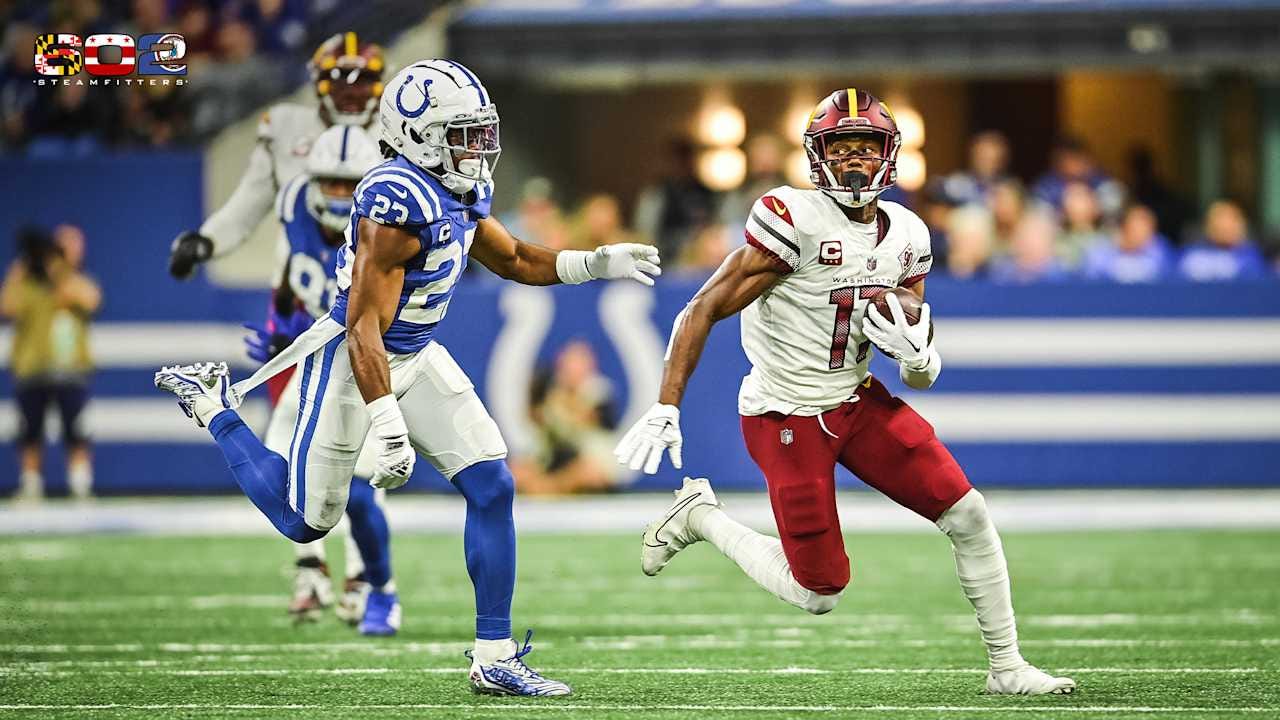
When the Washington Commanders and Indianapolis Colts meet at Tottenham Hotspur Stadium in London on Sunday, October 4, the game will represent considerably more than another international fixture on the NFL schedule. It will open a three-week run of London games and form part of a record international schedule that illustrates just how much the league’s global ambitions have accelerated. In 2026, the NFL is staging nine international regular-season games across seven countries, including six in Europe: three in London and one each in Paris, Madrid and Munich.
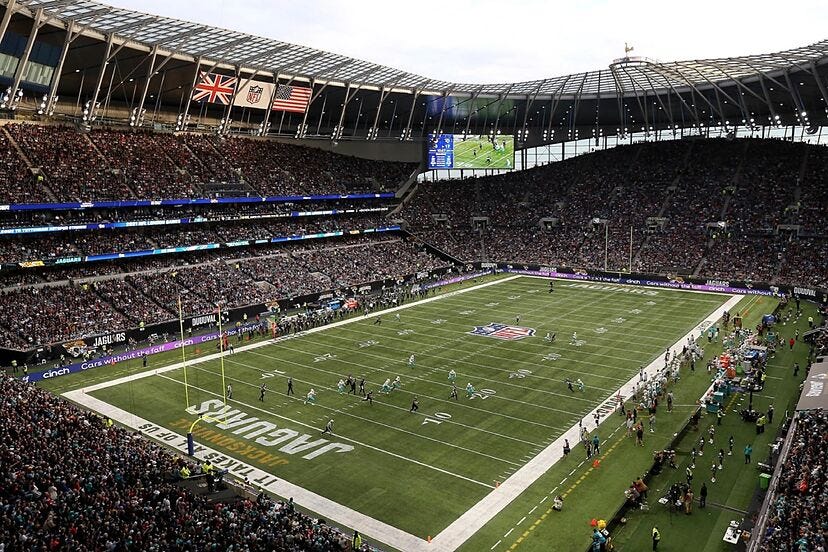
London remains the foundation of this strategy. Since the NFL began playing regular-season games there in 2007, the city has effectively served as the league’s European laboratory, allowing the NFL to test demand, stadium operations, sponsorship opportunities, media distribution and the logistical challenges associated with moving regular-season games across the Atlantic. Nearly two decades later, however, the strategy is becoming much broader. Germany has emerged as another major NFL market, Spain hosted its first regular-season game in 2025, Paris joins the schedule in 2026, and Dublin hosted its first regular-season game last year.
The NFL is therefore moving beyond the question of whether European fans will attend American football games. The more important strategic question is whether the league can transform millions of people who follow the NFL casually into deeply engaged, team-affiliated consumers who watch games every week, subscribe to media products, buy merchandise, engage with sponsors and potentially participate in flag football themselves.
That transition—from exporting games to building sustainable markets—could define the next phase of the NFL’s international growth.
🇪🇺 The NFL Already Has a Significant European Fan Base
One of the most important things to understand about the NFL’s European expansion is that the league is not entering these markets without an audience. Years of television distribution, Super Bowl exposure, social media, fantasy football, gaming and international games have already created sizable communities of NFL followers.
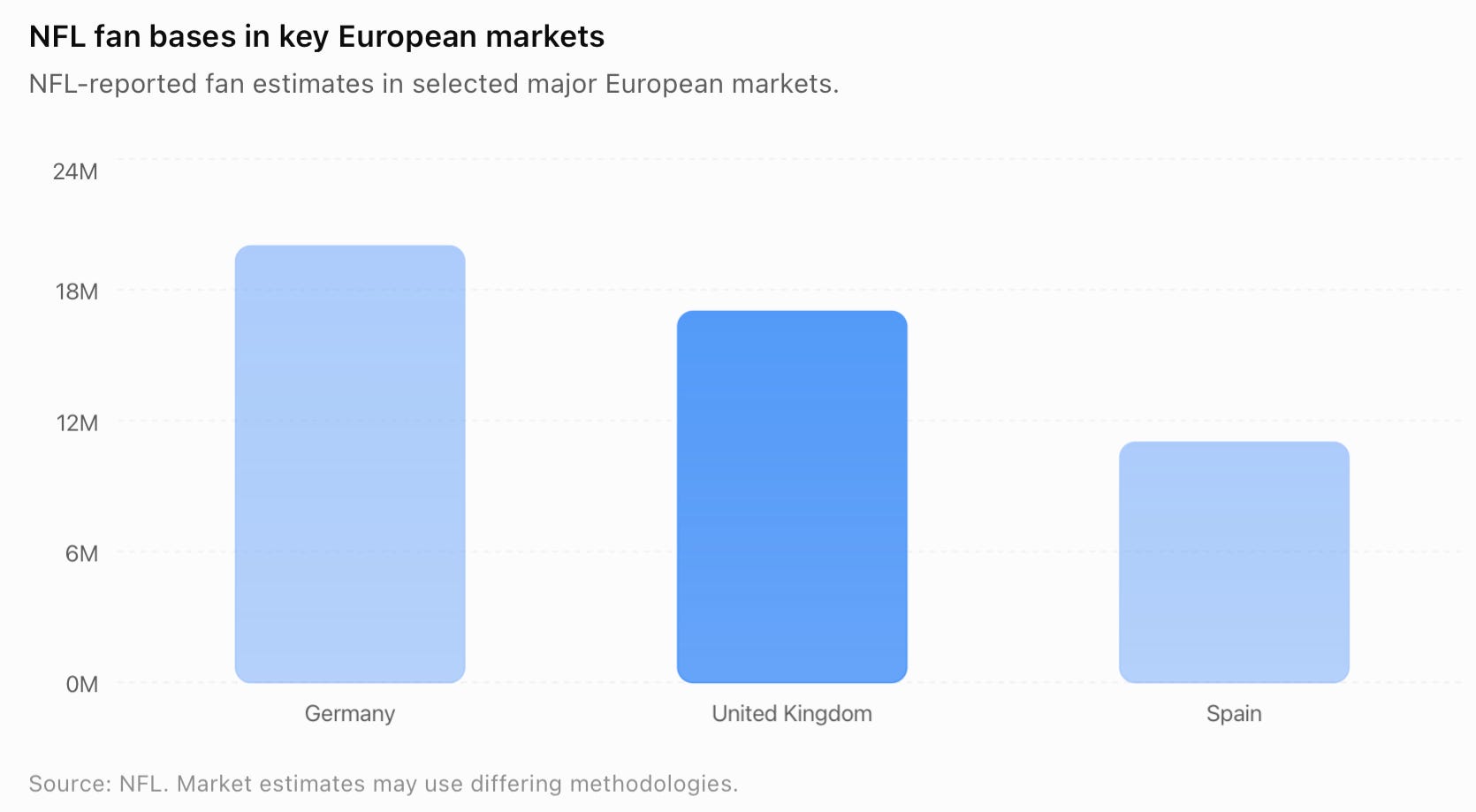
The NFL has described Germany as a market with more than 20 million fans, while the U.K. has been estimated at more than 17 million NFL fans and Spain at approximately 11 million. These figures should not simply be combined into a definitive European total because the league’s methodology and definition of a “fan” can vary between individual market announcements, but they nevertheless demonstrate the scale that already exists in several of Europe’s largest economies.
NFL fan bases in key European markets
The challenge for the NFL is therefore increasingly about the depth rather than simply the breadth of fandom. There is a substantial economic difference between somebody who watches the Super Bowl once a year and somebody who follows the Kansas City Chiefs or Miami Dolphins every Sunday, subscribes to NFL Game Pass, buys a jersey, plays fantasy football and attends an international game whenever possible.
London demonstrates how sustained exposure can deepen that relationship. More than three million fans have attended regular-season NFL games in London since 2007, and 42 regular-season games had been staged in the U.K. entering the 2026 season. What began as an experiment has become an established part of the British sports calendar.
🌍 From a London Strategy to a European Strategy
The geographic evolution of the NFL’s international schedule may be one of the clearest indicators of where the league is heading. London was initially the dominant European market, but the NFL has gradually created a network of cities capable of hosting regular-season football.
Germany has hosted games in Munich, Frankfurt and Berlin, while Spain entered the regular-season rotation with Madrid in 2025. Dublin hosted its first regular-season game that same year, and Paris joins the schedule in 2026 when the Pittsburgh Steelers face the New Orleans Saints at Stade de France. The NFL is consequently developing multiple European hubs rather than relying on a single international destination.
The overall international inventory is expanding as well. The NFL staged seven international regular-season games in 2025 and will stage a record nine in 2026, six of which are taking place in Europe.
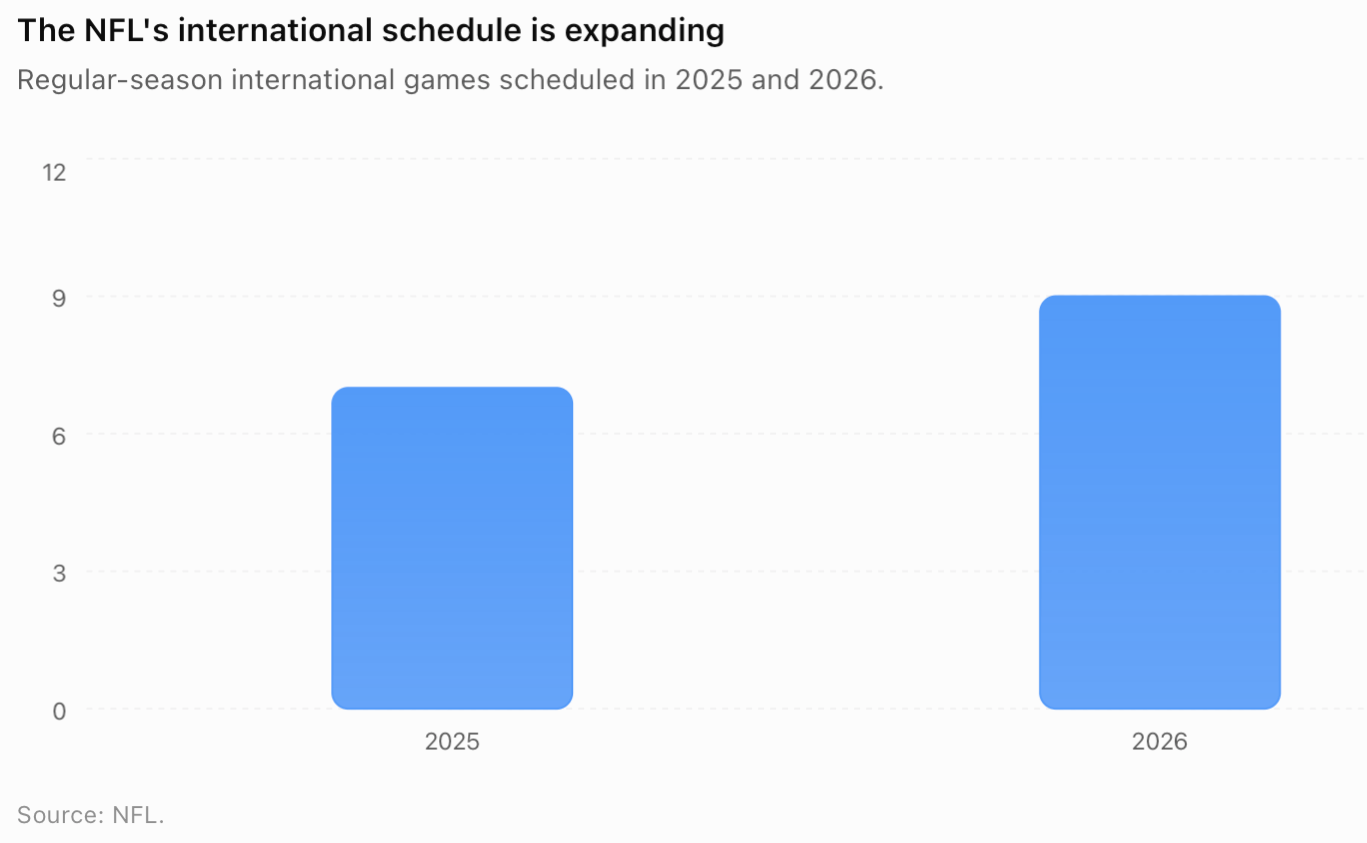
This matters because international football is becoming meaningful NFL inventory rather than an occasional promotional initiative. More games create more local sponsorship opportunities, more television windows, more hospitality inventory and, crucially, more opportunities for individual franchises to establish relationships with fans outside their traditional U.S. territories.
🏟️ Why Is the NFL Playing More Games in Europe?
The NFL’s motivation for expanding in Europe is ultimately a combination of fan acquisition, commercial growth, media expansion and long-term market development. The U.S. remains an extraordinarily valuable and mature market, which means that some of the league’s largest incremental growth opportunities inevitably exist internationally.
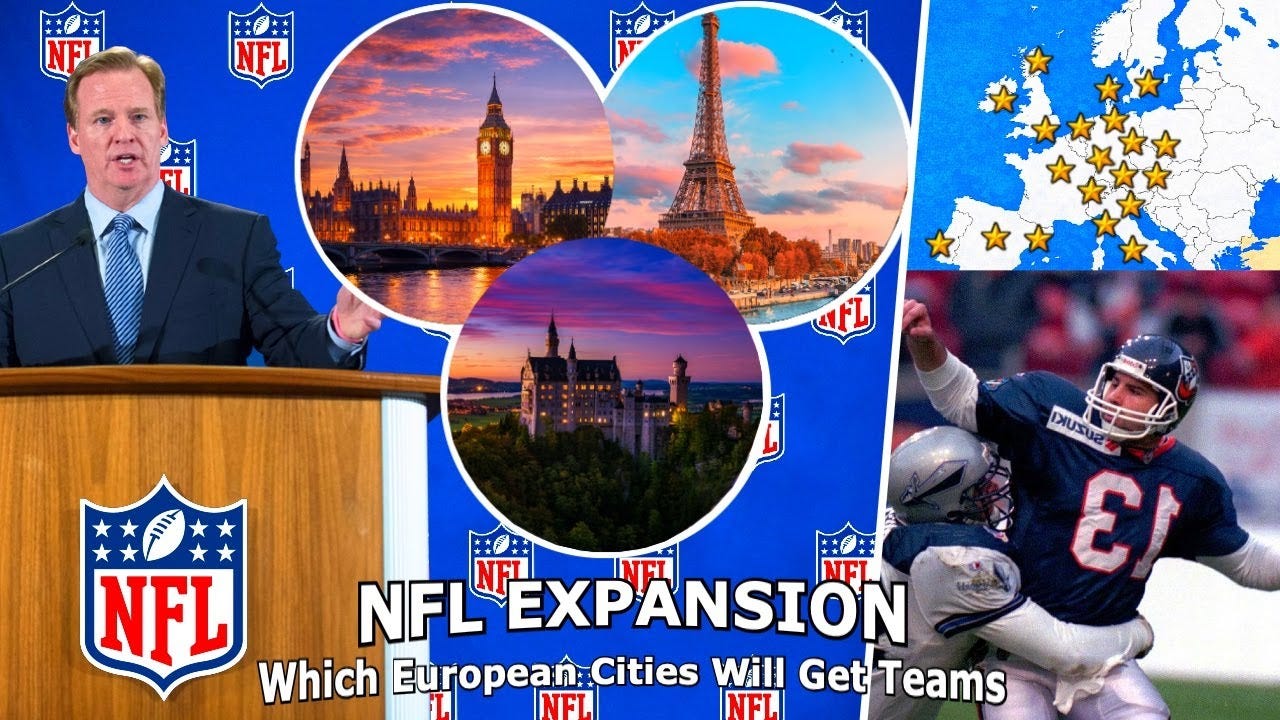
Europe is particularly attractive because it combines a large population with sophisticated sports consumers, substantial corporate sponsorship budgets, mature media markets, world-class stadium infrastructure and strong international tourism. Rather than asking European fans to travel to the United States to experience NFL football, the league can bring its most valuable product—a meaningful regular-season game—directly to them.
An international game also generates considerably more activity than the three hours spent on the field. The NFL and participating franchises can surround the game with fan festivals, corporate hospitality, youth programs, merchandise, sponsor activations, media appearances, influencer events and community programs. For several days, the NFL can become a major part of the local sports conversation, giving the league an opportunity to reach consumers who might not otherwise engage with American football.
Scarcity makes these events particularly powerful. A fan in Germany can stream NFL games every Sunday, but opportunities to watch an NFL regular-season game in Germany remain limited. That scarcity increases demand for tickets and premium hospitality while giving sponsors a concentrated event around which they can activate.
The physical presence of the league can also change how the sport is perceived locally. Watching the Steelers on television in France is fundamentally different from watching them walk onto the field at Stade de France in front of tens of thousands of local fans. The latter makes the NFL feel less like an imported American television property and more like part of the country’s broader sports ecosystem.
🌐 The Global Markets Program Could Be Just as Important as the Games
Perhaps the most important element of the NFL’s international strategy is one that receives less public attention than the games themselves. The league’s Global Markets Program, launched in 2022, gives individual NFL franchises international marketing rights in designated countries, allowing teams to develop commercial partnerships, fan engagement initiatives, events, merchandise opportunities and NFL Flag programs in those territories.
By 2026, all 32 NFL franchises participate in the program, with international rights covering 22 markets.
This represents a significant change in the traditional economics of an NFL franchise. Historically, teams were predominantly regional businesses whose commercial relationships were closely connected to their local markets. Digital distribution now allows an NFL franchise to build communities thousands of miles away from its stadium, while the Global Markets Program gives teams a formal structure through which to monetize and develop those communities.
A teenager living in Munich can become a Chiefs fan without ever visiting Kansas City, just as somebody in Madrid can develop a relationship with the Dolphins or somebody in London can follow the Jaguars. Once those relationships exist, franchises can engage those consumers through social media, localized content, merchandise, events, sponsorship and digital products throughout the year.
The NFL is therefore internationalizing on two levels simultaneously: the league is developing international markets through games and media distribution, while individual franchises are developing their own international fan and commercial ecosystems. Over time, that combination may prove more valuable than the international games themselves.
💰 The Financial Implications of Playing NFL Games in Europe
The financial opportunity can be divided into two distinct areas: the value generated for the NFL and its franchises, and the broader economic impact generated for the cities and countries hosting the games.
For the NFL, international expansion creates several potential revenue streams simultaneously. Ticketing and premium hospitality provide direct event revenue, while sponsorship gives both league partners and local European brands new inventory around which to activate. Merchandise and licensing benefit as European fans develop stronger affiliations with individual franchises, while a larger and more engaged audience can eventually increase the value of European media rights and streaming subscriptions.
The longer-term economics may be considerably more important than the profitability of an individual game. A consumer who attends Commanders-Colts in London and buys one jersey represents a relatively modest transaction; a consumer who becomes a Commanders fan for the next 30 years and repeatedly watches games, purchases merchandise, interacts with sponsors and attends future events represents a very different lifetime value.
This is why the NFL’s European strategy should ultimately be evaluated as a customer-acquisition and lifetime-value strategy, rather than simply an exercise in selling out European stadiums.
💷 London Demonstrates the Potential Economic Scale
The broader economic impact on host markets is already significant. The NFL says that its London games have generated more than £2 billion in total economic impact since 2007, while more than three million fans have attended regular-season games in the city.
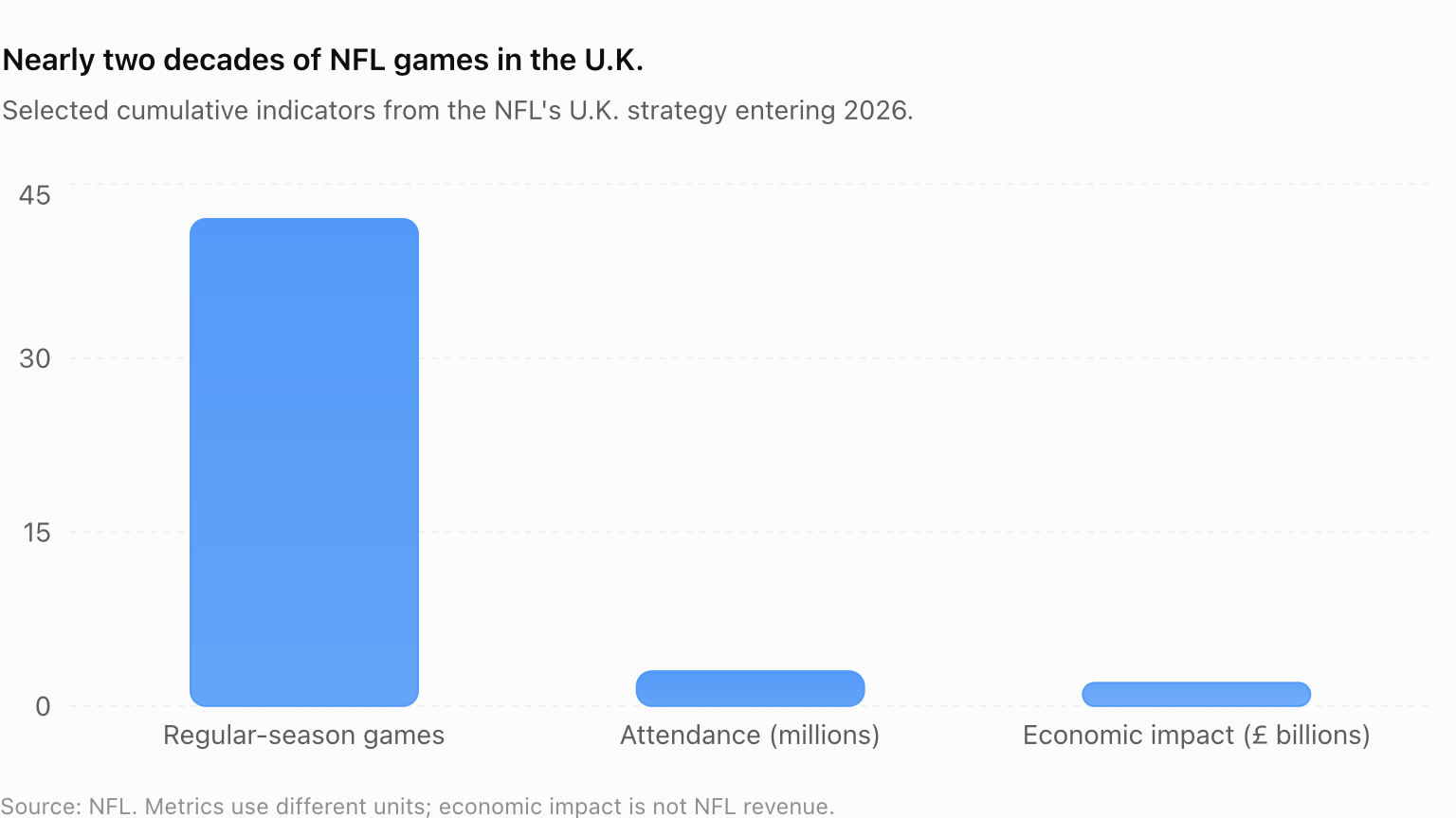
These figures use different units, so the chart should be interpreted as a snapshot of scale rather than a direct numerical comparison. More importantly, economic impact should not be confused with revenue received by the NFL. It includes broader spending associated with visitors staying in hotels, eating in restaurants, using transportation and participating in tourism and entertainment around the game.
Germany provides another useful illustration. The NFL’s inaugural Munich regular-season game in 2022 was estimated to have produced approximately €70.2 million in economic impact, including €32.2 million in direct spending, while visiting NFL fans reportedly spent an average of €333 per day.
That economic activity gives European cities and tourism authorities an incentive to compete for NFL games. From their perspective, the NFL isn’t simply bringing two American teams to play football; it is potentially bringing tens of thousands of visitors into the city for an entire weekend.
This creates a mutually reinforcing model in which the NFL gains access to attractive international markets while host cities gain a high-profile tourism and entertainment event.
📺 European Games Create Value on Both Sides of the Atlantic
One of the most interesting aspects of the NFL’s international strategy is that European games can generate media value in both Europe and the United States.
The Commanders-Colts game kicks off at 9:30 a.m. ET, several hours before the traditional 1 p.m. Sunday window. Instead of simply moving an existing NFL game into another geography, the league effectively creates an additional television window that extends the NFL viewing day.
This has potentially important media implications because a Sunday featuring a London game can offer American viewers football from breakfast until close to midnight.
The audience numbers suggest that consumers are increasingly willing to watch.
The NFL reported that the six European games shown on NFL Network during the 2025 international slate averaged 6.2 million U.S. television and digital viewers, representing a 32% increase over the comparable 2024 international schedule. That reported increase implies a comparable 2024 average of approximately 4.7 million viewers.
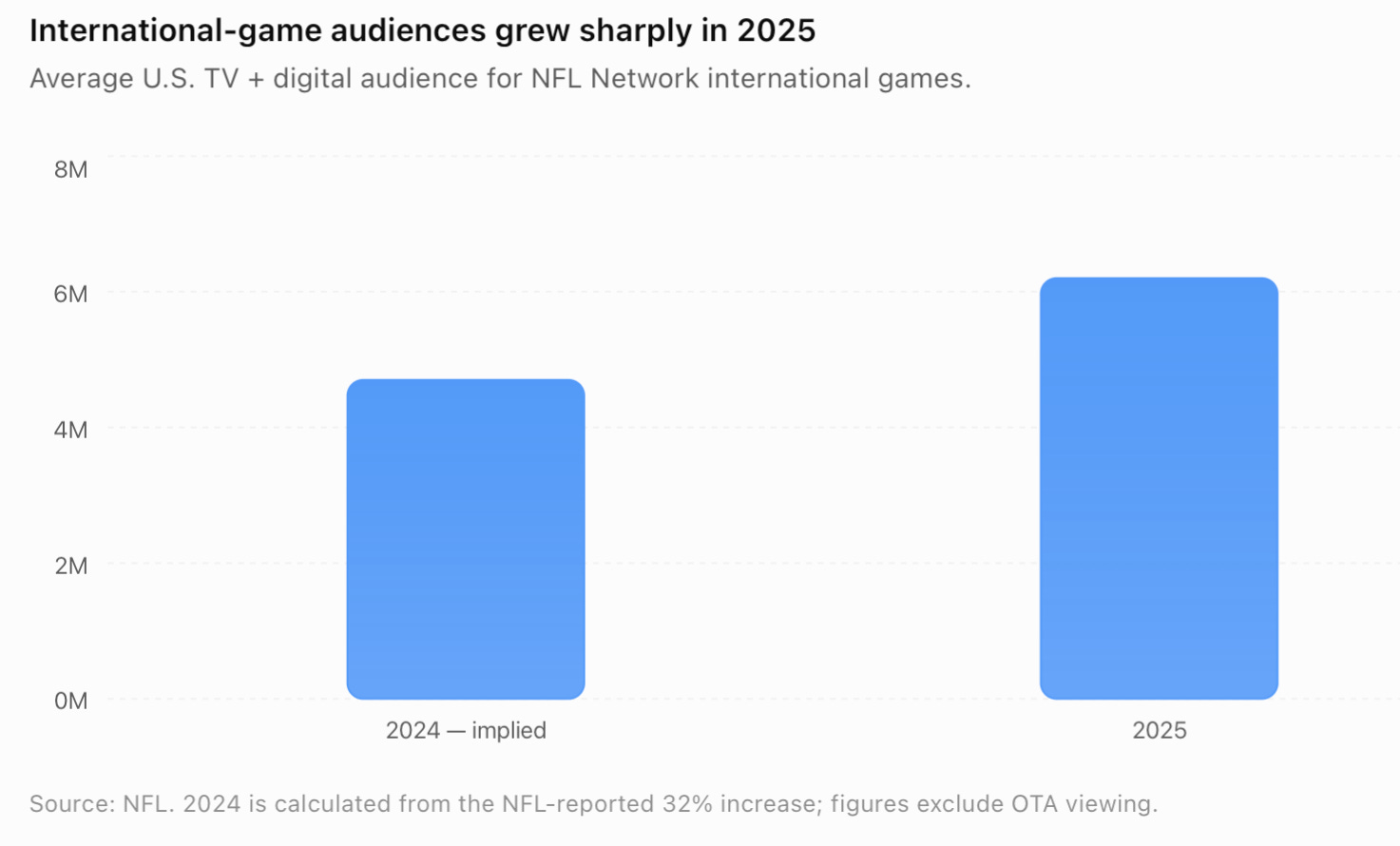
This creates an unusually attractive proposition for the NFL. European games can help the league acquire international consumers while simultaneously creating incremental U.S. media inventory. As sports rights become increasingly valuable and streaming platforms compete for differentiated live content, the ability to create additional premium NFL windows could become financially significant.
📡 European Viewership Is Becoming Easier to Build
The other half of the media equation is ensuring that Europeans can continue watching once the international game leaves their city. This has historically been one of the challenges facing American sports leagues: an international event can create enormous short-term excitement, but that excitement has limited commercial value if fans cannot conveniently follow the sport afterward.
Streaming has fundamentally changed that equation.
NFL Game Pass on DAZN allows international fans to follow the league throughout the season, while local broadcast partnerships provide additional access. In the U.K., NFL coverage includes Sky Sports and Channel 5, while Ireland’s Virgin Media has expanded its agreement to show at least 22 games per season through 2028.
The importance of this distribution infrastructure should not be underestimated. International games can introduce or re-engage a consumer, but media access is what allows that consumer to develop the weekly viewing habit that turns occasional interest into meaningful fandom.
📱 Technology Could Be One of the Biggest Drivers of NFL Growth in Europe
Technology may ultimately be what separates the current international expansion from previous attempts to globalize American football. When the NFL began playing regular-season games in London in 2007, streaming, smartphones, social platforms and personalized digital content were far less developed than they are today. The league can now maintain a direct relationship with a European fan every day, regardless of whether an NFL game is being played anywhere near that person.
The physical game can therefore function as the customer-acquisition event, while technology becomes the customer-retention infrastructure.
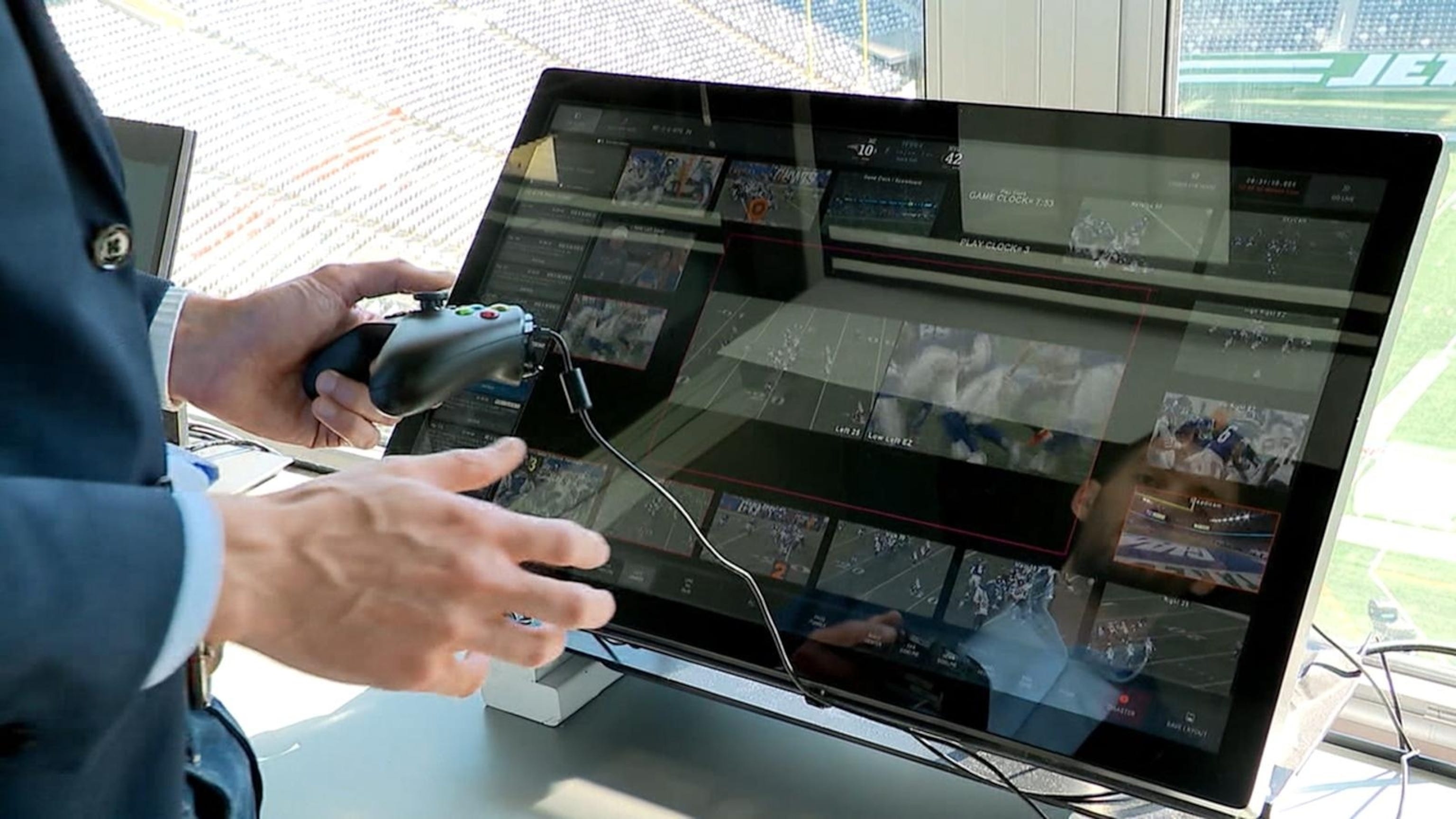
A fan who attends Commanders-Colts in London this weekend can subsequently watch the Commanders through streaming, follow the franchise on social media, receive mobile notifications, participate in fantasy football, purchase merchandise online and consume team content throughout the season. The team does not have to return to London every week to maintain that relationship.
This dynamic dramatically changes the economics of international expansion because the NFL can increasingly turn a one-day physical experience into a year-round digital relationship.
🗣️ Localization Can Reduce Another Major Barrier
Language represents another obstacle when sports leagues enter new markets, particularly for a sport as tactically and linguistically complex as American football. The NFL has responded by expanding localized commentary through Game Pass.
For 2026, NFL Game Pass offers French, Spanish and Portuguese commentary across every game, while German commentary is available on more than 75% of games.
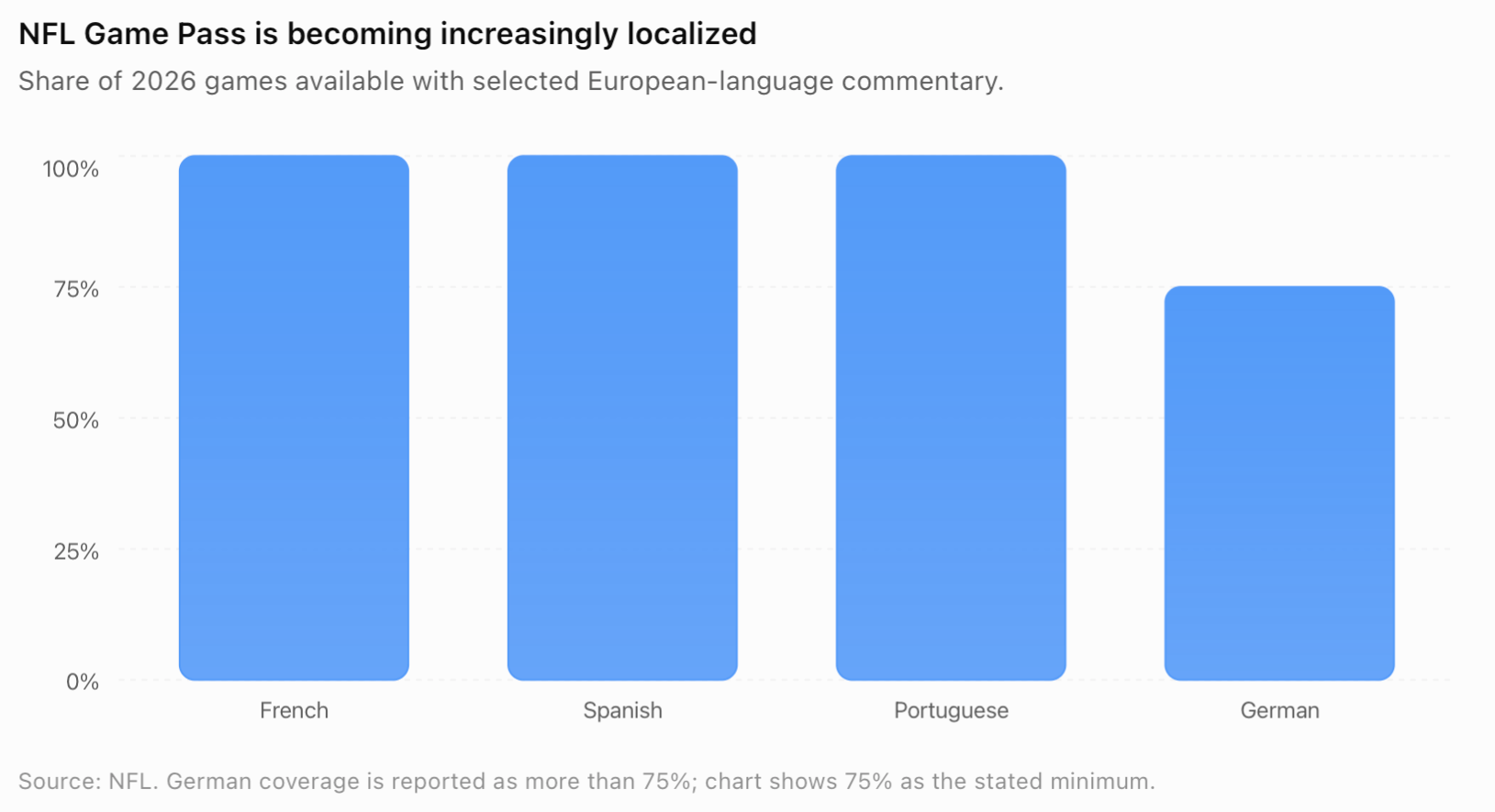
This is more than a broadcast feature. American football can be difficult for new audiences to understand because of its terminology, formations, substitutions, penalties and strategic complexity. Presenting the sport in a consumer’s native language reduces that friction and makes it easier for casual viewers to progress toward more sophisticated fandom.
🤖 AI Could Accelerate the Next Phase of Localization
Artificial intelligence could eventually make that internationalization significantly more sophisticated. Producing separate content strategies for France, Germany, Spain, the U.K. and other European markets historically required substantial editorial resources, but AI-assisted translation, automated highlights and personalization can reduce the cost of creating localized experiences.
The same Chiefs game could theoretically produce very different digital experiences for a fan in Kansas City and one in Munich. The German consumer could receive German-language highlights, explanations of unfamiliar rules, content involving players popular locally, information about German fan events and merchandise available through European channels.
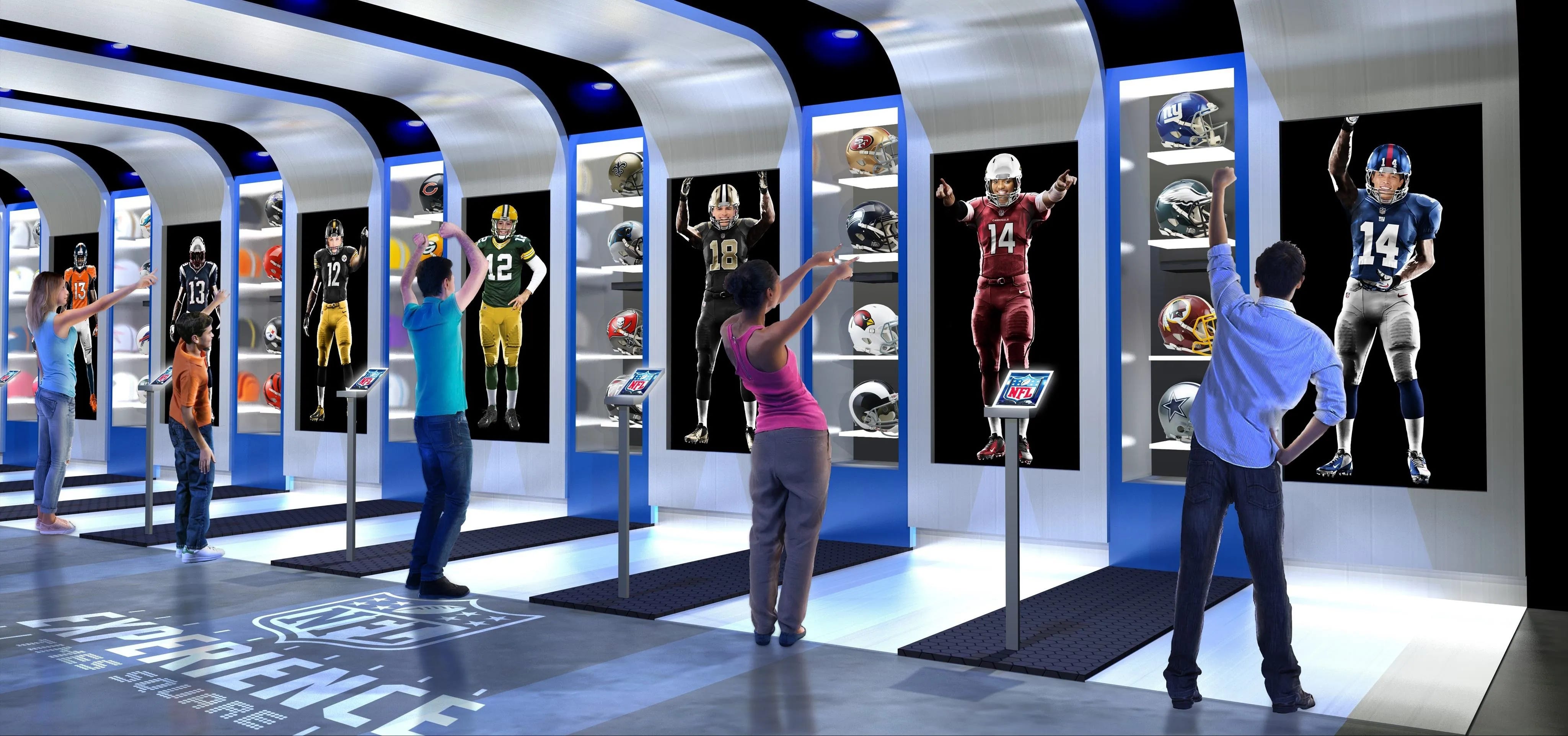
AI could also allow franchises to personalize content based on individual fan behavior. Someone who repeatedly watches quarterback highlights might receive different content from somebody primarily interested in fantasy statistics or defensive analysis.
The objective is no longer simply to distribute the same American product globally. Technology increasingly allows the NFL to localize a global product without fundamentally changing the product itself.
⏱️ Technology Can Also Help Solve the Time-Zone Problem
Time zones remain one of the most significant structural barriers to European NFL consumption. Sunday Night Football and prime-time U.S. games can finish extremely late in Europe, making it unrealistic for many consumers to watch live every week.
Streaming features help reduce that disadvantage. NFL Game Pass includes condensed products such as Game in 40, allowing fans to watch a game in a much shorter format, alongside replays and other on-demand content. Premium features also include Multiview, HDR on selected games and Dolby surround sound on compatible devices.
For a fan in Paris, Madrid or Munich, this means following an NFL franchise no longer requires adopting an American sleeping schedule. The consumer can wake up the next morning and watch a condensed game before work or school, dramatically reducing the friction associated with becoming a regular fan.
In that sense, technology is not merely improving the viewing experience; it is removing geographic and temporal barriers that previously limited the NFL’s addressable international audience.
🏈 Flag Football Could Create the Next Generation of European NFL Fans
Media can create viewers, but participation can create much deeper relationships with a sport. That makes flag football an important component of the NFL’s long-term international strategy, particularly with flag football joining the Olympic program at Los Angeles 2028.
Through the Global Markets Program, NFL franchises can develop flag football programs in their assigned international territories, creating opportunities to introduce American football to young people who might otherwise have little exposure to the sport.

Flag football is particularly suited to international growth because it requires less equipment and infrastructure than tackle football, can be introduced relatively easily through schools and community programs, and provides participation opportunities for both boys and girls.
The long-term commercial implications are potentially substantial. A child who begins playing flag football in Germany at age ten is not simply a participant; that child could become a lifelong NFL viewer, merchandise buyer, fantasy player and eventually a parent who introduces another generation to the sport.
For the NFL, grassroots participation can therefore become another form of long-term customer acquisition.
🏟️ Does Europe Eventually Need Its Own NFL Franchise?
Every discussion about NFL expansion in Europe eventually arrives at the same question: Will London—or another European city—eventually receive a permanent NFL franchise?
Commercially, the concept is intriguing because a permanent franchise would create year-round media attention, sponsorship inventory and fan engagement. Operationally, however, it would introduce significant challenges involving transatlantic travel, scheduling, taxation, player relocation, free agency, collective bargaining, training, recovery and competitive balance.
Those challenges become particularly significant from a player-performance perspective. A permanent European franchise would potentially have to cross the Atlantic repeatedly throughout the season unless the NFL radically redesigned scheduling around extended blocks of home and away games.
A European division could theoretically alleviate some of those issues by creating multiple franchises that could play one another without crossing the Atlantic every week, but establishing several franchises simultaneously would obviously require a much larger strategic and financial commitment.
The NFL may therefore have little reason to rush toward permanent European franchises. Its current model allows the league to capture many of the commercial benefits of European expansion while avoiding much of the operational complexity.
🔄 The NFL Is Building a European Fan Flywheel
When all these components are considered together, the NFL’s strategy starts to look less like a collection of international games and more like an interconnected customer-acquisition system.
An international game creates local media attention and a premium live experience. That experience can attract new or casual fans, who can then continue following the league through local television and NFL Game Pass. Social media and localized digital content deepen the relationship, while individual franchises can cultivate team affiliation through the Global Markets Program. Merchandise, sponsorship, fantasy football and gaming create additional commercial touchpoints, while NFL Flag introduces the sport to the next generation.
That produces a potential cycle:
International game → local attention → fan acquisition → streaming and digital engagement → team affiliation → merchandise and sponsorship → participation → year-round engagement → stronger local market.
The international game generates immediate revenue, but the potentially much larger asset is the long-term relationship created with the fan who attends or watches it.
📊 How Should the NFL Measure Success in Europe?
Sold-out stadiums are important, but they are not enough to determine whether the strategy is succeeding. International games have novelty value, and it is possible to fill a stadium without creating a sustainable local NFL market.
The more meaningful indicators over the next five to ten years will be whether European consumers are watching throughout the regular season, subscribing to NFL media products, developing strong affiliations with individual franchises, buying merchandise repeatedly, engaging with team content, participating in fantasy football and joining NFL Flag programs.
Commercial indicators will matter just as much. The league will want to see whether European sponsorship revenue grows, whether local brands increasingly view NFL partnerships as valuable, whether broadcasters and streaming platforms place greater value on NFL rights, and whether individual franchises can develop meaningful businesses through their international territories.
Ultimately, the most important transition will be from event-based fandom to habitual fandom. Someone attending Steelers-Saints in Paris because it is one of the year’s biggest sporting events is valuable; someone who subsequently watches the Steelers every Sunday for the next 20 years is much more valuable.
🔮 What Comes Next?
The trajectory suggests that the NFL is moving through three distinct stages of internationalization.
The first stage was international games, when the objective was largely to determine whether regular-season NFL football could successfully travel outside the United States.
The second stage is international markets, where the NFL builds recurring games, media distribution, grassroots participation and franchise-specific commercial rights in countries such as the U.K., Germany, Spain and France.
The third stage could be international businesses, where individual franchises develop meaningful year-round revenue and fan ecosystems in territories thousands of miles from their home stadiums.
London has demonstrated that sustained NFL demand can exist outside North America. Germany has shown that the model can extend successfully into continental Europe, while Madrid and Paris give the NFL access to two additional large sports and media markets. At the same time, streaming and digital technology allow those markets to remain connected to the league regardless of how many games are physically played there.
🏈 Conclusion: Europe Is Becoming a Long-Term NFL Growth Engine
When the Washington Commanders and Indianapolis Colts walk onto the field at Tottenham Hotspur Stadium this weekend, the game will appear on the surface to be another chapter in the NFL’s long-running relationship with London. Viewed within the broader context of the league’s international strategy, however, it represents something considerably larger.
The NFL is playing a record nine international games in 2026, including six across Europe. All 32 franchises now participate in the Global Markets Program, international rights extend across 22 markets, and London alone has attracted more than three million attendees since regular-season games began there in 2007. Meanwhile, the league is developing additional markets in Germany, Spain and France while using streaming, localized commentary, social media, ecommerce, fantasy football and grassroots participation to keep international fans engaged long after the teams fly back to the United States.
The biggest difference between this phase of NFL international expansion and previous attempts to globalize American football may therefore be the technology surrounding the game. The league no longer needs to place a permanent franchise in Europe in order to build a substantial European business. It can use a limited number of regular-season games as high-impact acquisition events and then rely on digital distribution, personalized content, franchise marketing, merchandise, sponsorship and participation programs to maintain those relationships throughout the year.
The international games themselves are undoubtedly valuable, but their greater strategic value may lie in the fans they create and the lifetime economics associated with those relationships.
That leaves the NFL with one central question for the coming decade: Can the league convert tens of millions of European followers into deeply engaged, team-affiliated, year-round NFL consumers?
If it can, Europe could ultimately become much more than an international destination on the NFL calendar. It could become one of the most important long-term growth engines in the league’s business.
Main sports events to watch on TV this weekend, Oct. 3–4, with times in ET:
🏈 College Football — Saturday
Two ranked matchups headline the afternoon:
#7 Alabama at #16 Mississippi State — 12 PM, ABC
#5 Ohio State at #14 Iowa — 3:30 PM, CBS
Also: #3 Notre Dame at North Carolina — 12 PM, ESPN
#8 Florida at #25 Missouri — 3:30 PM, ABC
#4 Miami at Clemson — 7:30 PM, ABC Card Chronicle
⚾ MLB Playoffs — Division Series
The Division Series begin Saturday, making this one of the biggest baseball weekends of the year:
White Sox at Guardians — Sat. 1 PM, TBS
Braves at Dodgers — Sat. 4 PM, FOX
Yankees at Rays — Sat. 6:30 PM, TBS
Padres at Brewers — Sat. 8:30 PM, FS1
Sunday: Padres–Brewers Game 2 at 4 PM and Braves–Dodgers Game 2 at 8 PM. MLB.com
🏈 NFL — Sunday
The day starts early with Colts vs. Commanders in London at 9:30 AM on NFL Network. Then there’s a full NFL slate, including:
Patriots at Bills — 1 PM
Cowboys at Texans — 1 PM
Rams at Eagles — 1 PM
Packers at Buccaneers — 1 PM
Chiefs at Raiders — 4:25 PM
Broncos at 49ers — 4:25 PM
Lions at Panthers — 8:20 PM, NBC (SNF) NFL
⚽ Soccer + 🏎️ Motorsports
International soccer is also prominent, including USA vs. Mexico, while Formula 1 is racing at Sepang in Malaysia this weekend. The Guardian
📺 Best viewing windows
Saturday: Alabama–Mississippi State → Ohio State–Iowa → Braves–Dodgers → Yankees–Rays / Miami–Clemson.
Sunday: NFL London → NFL 1 PM games → Chiefs–Raiders → Braves–Dodgers / Sunday Night Football.
You may also like:

🏈 Upside Analysis: Super Bowl: Economics, Key Stats, and Technologies Used

This weekend the US is hosting one of the most popular sports events in the world: The Super Bowl (SB). So we thought it would be appropriate to put together an analysis on the Super Bowl to discuss the economics, key stats and technologies that have been adopted at the SB over the years. Read on.
🔥Upside NFL Group Chat with Ted Rath (New Orleans Saints), Roderick Moore Jr (Pittsburgh Steelers), Ryan Juarez (Washington Commanders)

This week we have the honor to interview a group of NFL sports performance executives to talk about the latest trends in the world of sports performance, load management, sleep/recovery management, rehabilitation and data & wearable tech integration, and mental performance in the NFL.