
Introduction
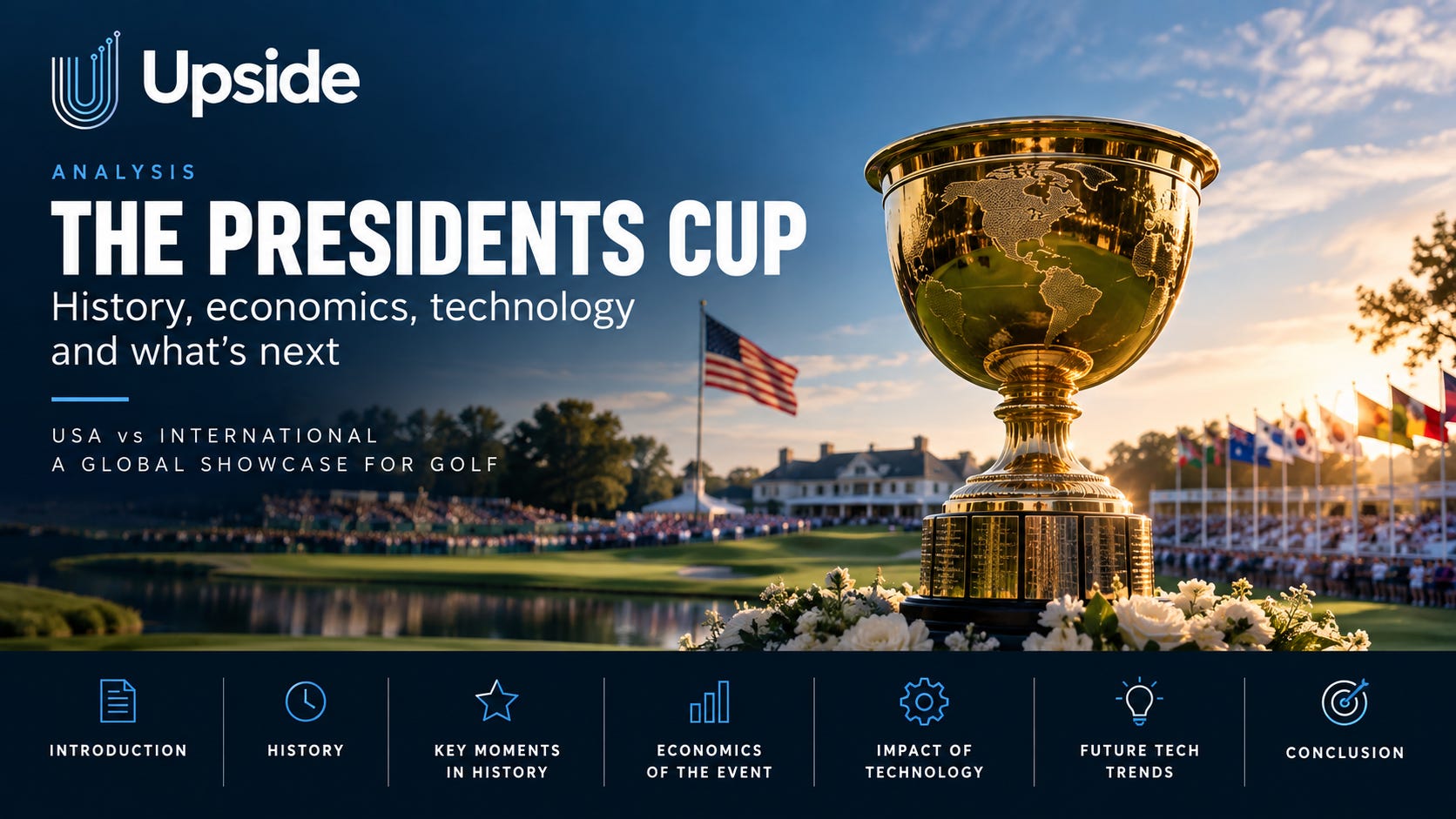
This week, 24 of the world’s leading golfers have gathered at Medinah Country Club outside Chicago for the 16th Presidents Cup, pitting the United States against an International Team comprising players from outside the U.S. and Europe.
The 2026 edition runs September 24–27 and is captained by Brandt Snedeker for the U.S. and Geoff Ogilvy for the International Team. The Americans entered Medinah with a remarkable 13-1-1 overall record, including 10 consecutive victories. Golf
But the Presidents Cup is increasingly interesting for reasons that extend beyond golf.
Like the Ryder Cup, it illustrates how a traditional individual sport can be transformed into a compelling team product. It combines elite competition with premium hospitality, international tourism, sponsorship, broadcasting, fan technology and corporate entertainment.
And unlike almost every other major professional golf event, there is no prize purse. Players are not paid for competing. Instead, proceeds support charitable organizations selected by participants. More than $56.4 million has been generated for charity since 1994, benefiting more than 475 organizations across 18 countries. (Check out the Presidents Cup)
The Presidents Cup therefore provides an interesting case study of how golf’s biggest events are evolving into broader sports, entertainment and technology platforms.
History
The Presidents Cup was created in 1994 by the PGA TOUR as an international team competition complementary to the Ryder Cup.
The distinction is important.
The Ryder Cup pits the United States against Europe. The Presidents Cup pits the United States against players representing the rest of the world excluding Europe.
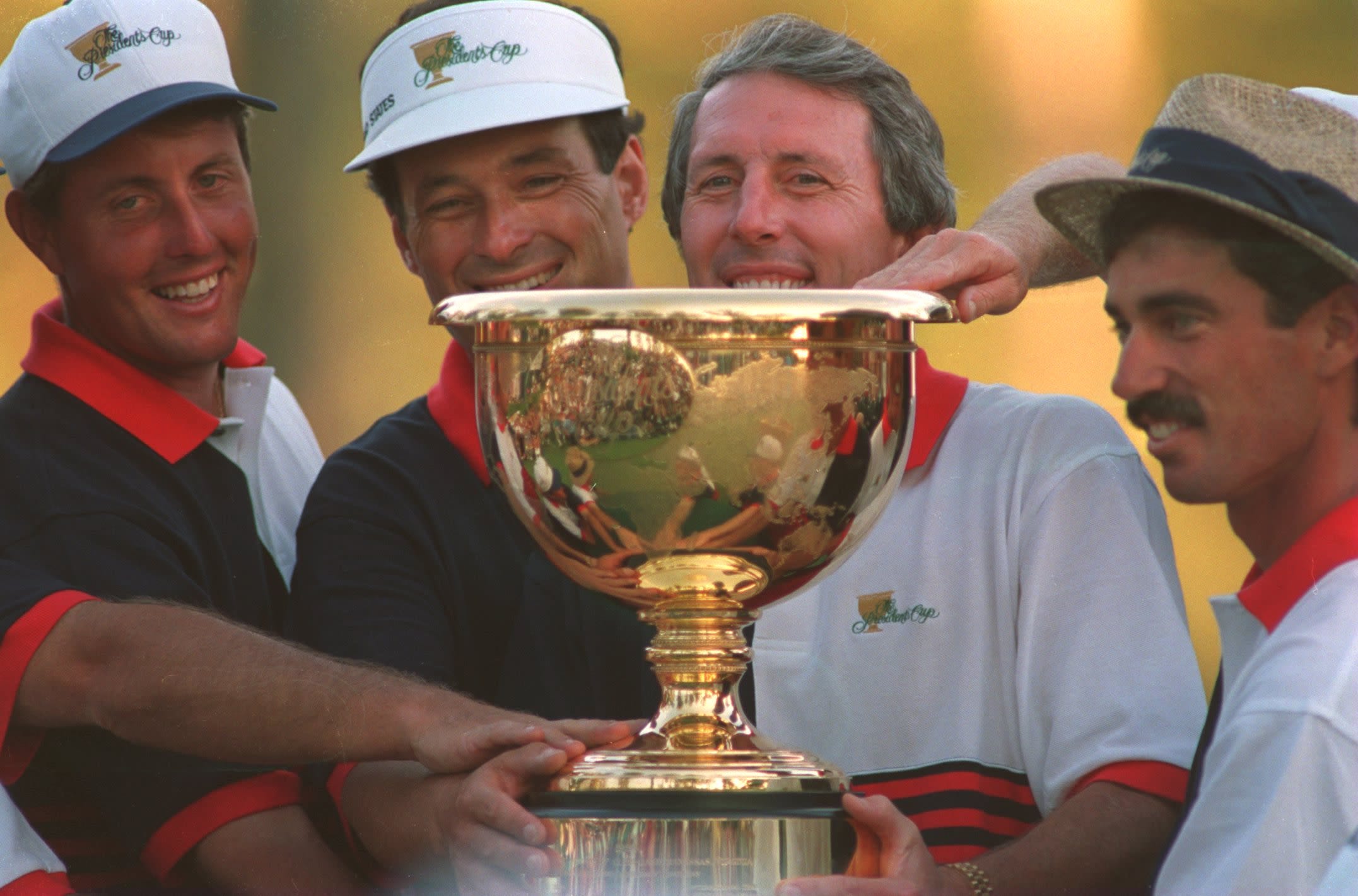
The inaugural event was held at Robert Trent Jones Golf Club in Virginia, with Hale Irwin captaining the United States and David Graham leading the International Team. The U.S. won 20–12. (Check out Presidents Cup).
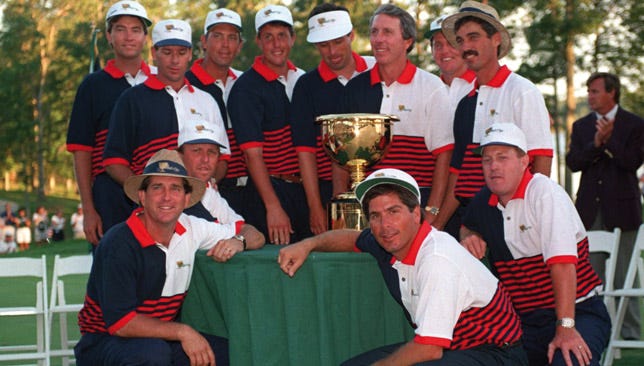
Picture: The inaugural Presidents Cup was concluded at the Robert Trent Jones Golf Club in Virginia, USA.
Since then, the event has moved around the world, including tournaments in Australia, South Africa, South Korea and Canada.
The format has evolved as well.
Today’s competition contains 30 matches across four days, combining four-ball, foursomes and 12 Sunday singles matches. The event moved from three days to four in 2015. (Check out Presidents Cup)
One challenge, however, has remained constant: competitive balance.
Entering 2026:
United States: 13 wins
International Team: 1 win
Ties: 1
That dominance creates both a strength and a challenge for the property. The U.S. has developed tremendous continuity and depth, but long-term growth of the competition would likely benefit from more Sunday uncertainty and more International victories.
Key Moments in Presidents Cup History
1994 — The beginning
The inaugural competition established a second major international team property in men’s professional golf. The United States defeated the International Team 20–12. Presidents Cup
1998 — The International breakthrough
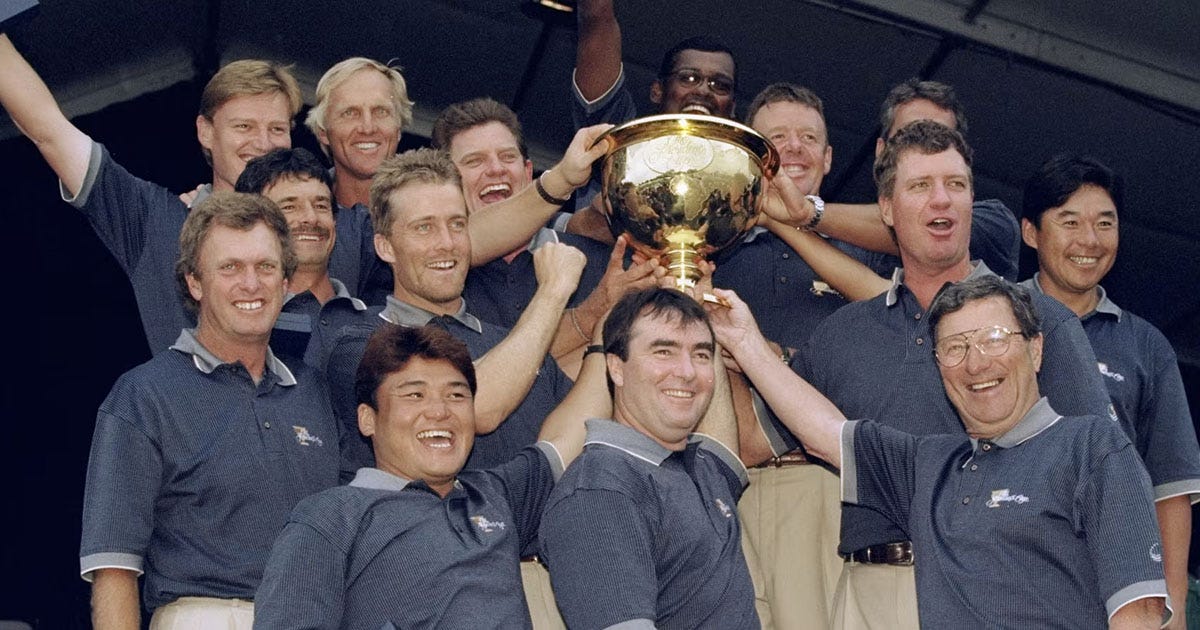
Royal Melbourne produced the International Team’s defining moment.
Led by captain Peter Thomson, the Internationals defeated the U.S. 20.5–11.5.
It remains their only victory in Presidents Cup history.
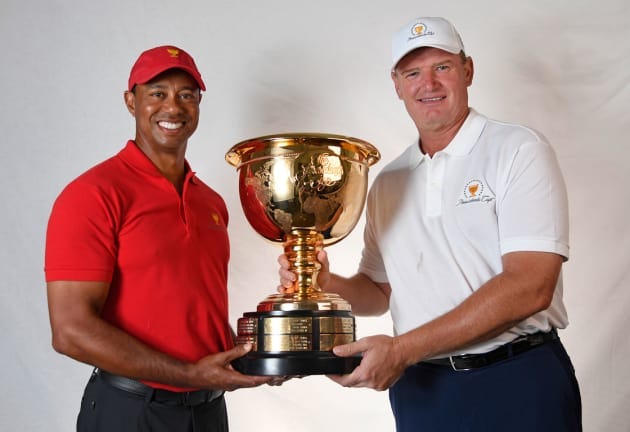
2003 — Woods vs. Els
Perhaps the competition’s most iconic finish came at Fancourt in South Africa.
After the teams finished level, Tiger Woods and Ernie Els played a sudden-death playoff. After three playoff holes were halved and darkness approached, captains Jack Nicklaus and Gary Player agreed that the teams would share the Cup.
The episode ultimately influenced the rules: if today’s competition finishes tied after singles, the Cup is shared rather than decided through an individual playoff.
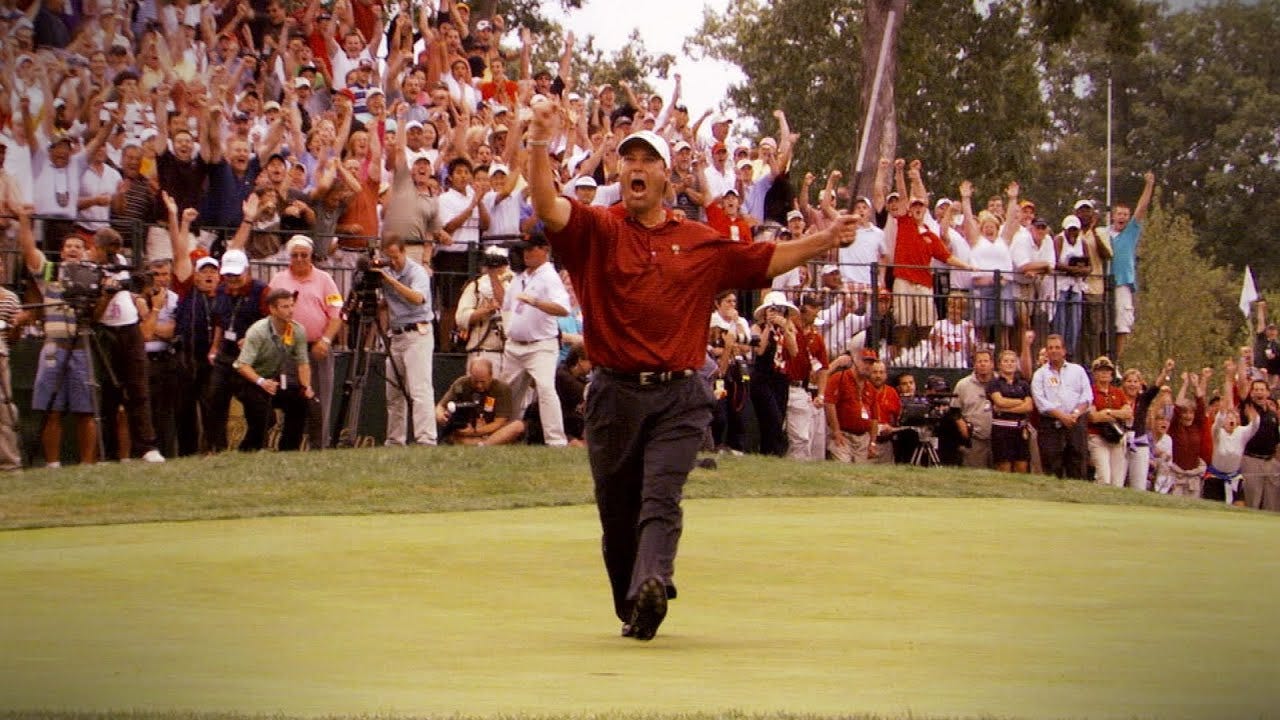
2005 — DiMarco delivers
Chris DiMarco’s birdie on the 18th hole at Robert Trent Jones Golf Club clinched the Cup for the Americans, one of the event’s signature pressure moments.
2019 — Tiger Woods, playing captain
The 2019 Presidents Cup at Royal Melbourne provided arguably the event’s greatest comeback.
The International Team entered Sunday leading 10–8.
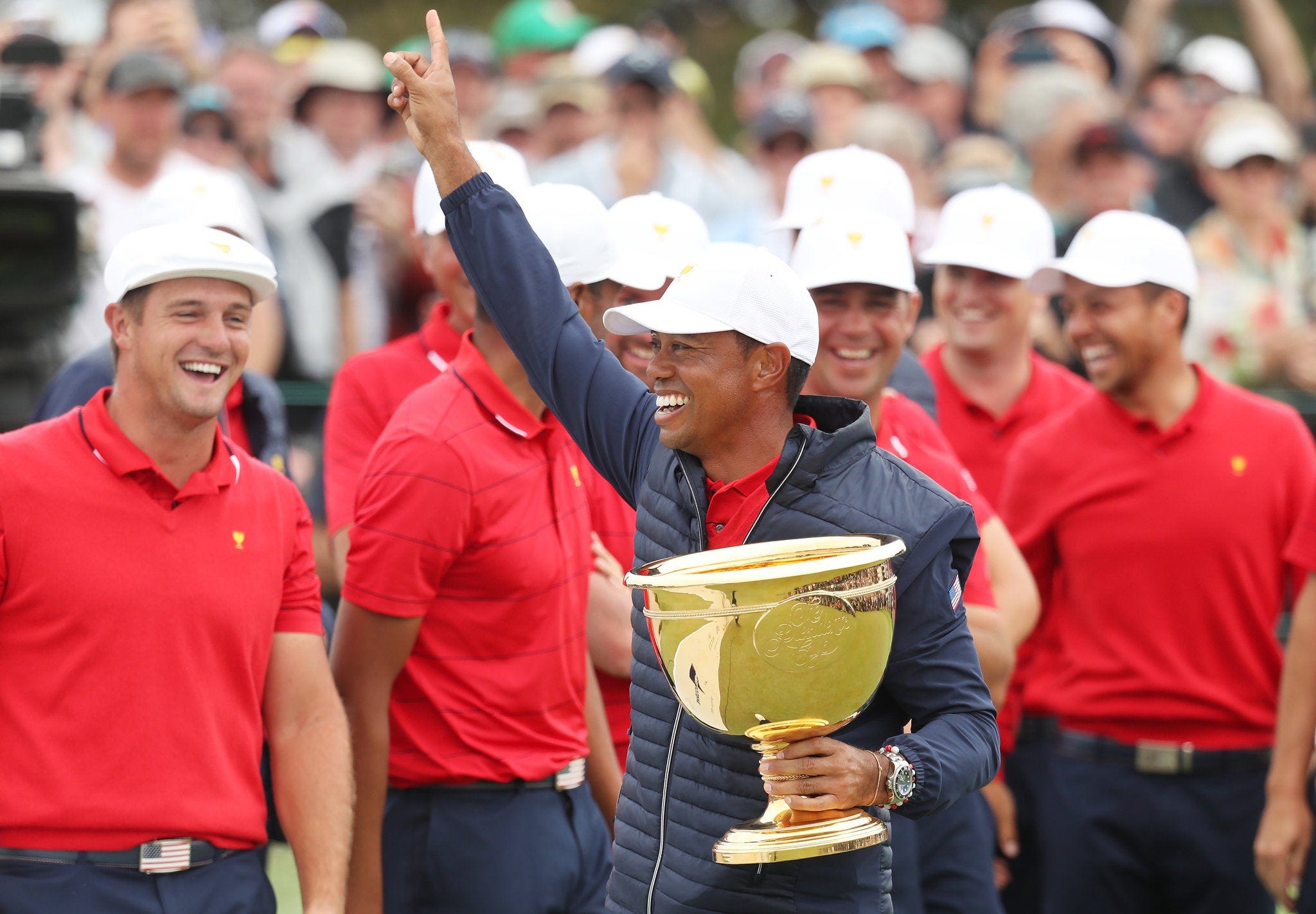
Tiger Woods served simultaneously as U.S. captain and player and finished his matches 3–0. The Americans then dominated singles 8–4, completing a 16–14 comeback victory.
2024 — Montreal’s Friday response
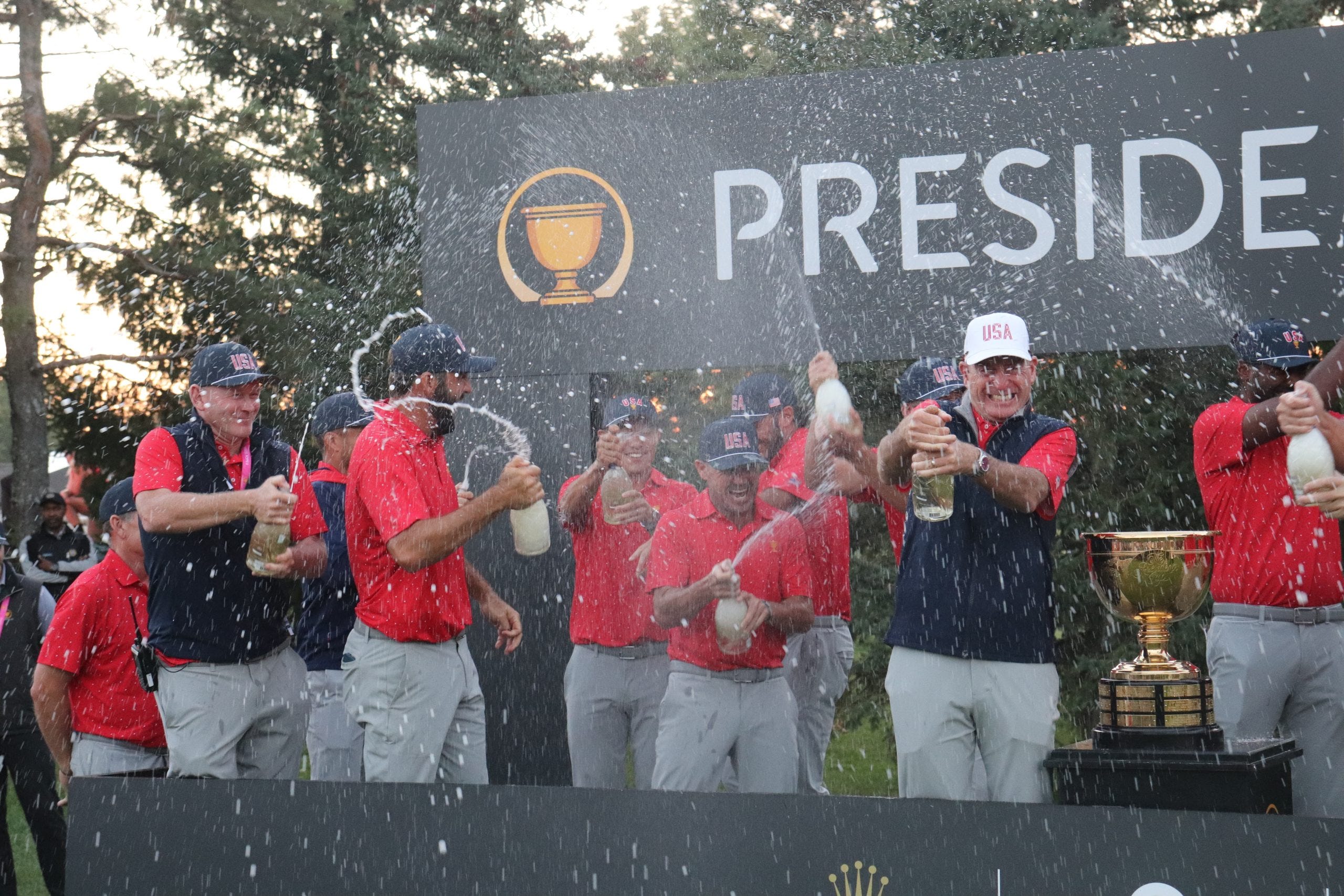
At Royal Montreal, the U.S. swept Thursday’s five matches.
Then the International Team responded by sweeping all five Friday matches, tying the competition 5–5.
The Americans ultimately won 18.5–11.5, securing their 10th consecutive Presidents Cup.
2026 — Medinah
Now the event comes to one of America’s most famous championship venues.
Interestingly, organizers altered the routing of Medinah’s Course No. 3 partly because historical Presidents Cup data showed that fewer than 40% of matches reach the 17th hole.
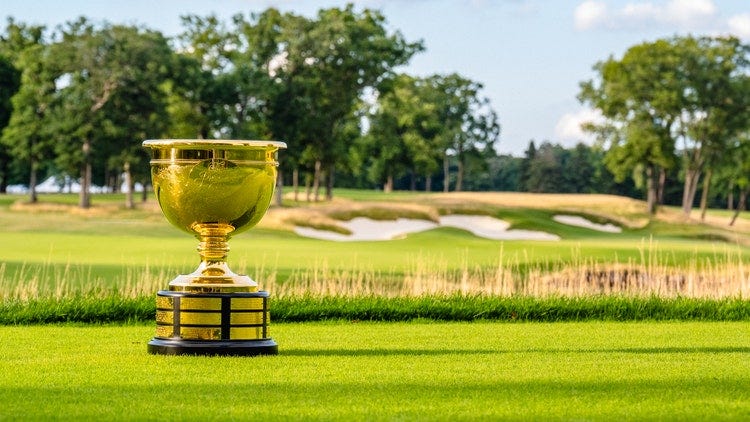
The objective is to make Medinah’s dramatic finishing holes more relevant to both spectators and television audiences.
That is an excellent example of data influencing event design itself.
Economics of the Presidents Cup
The Presidents Cup has an unusual economic model.
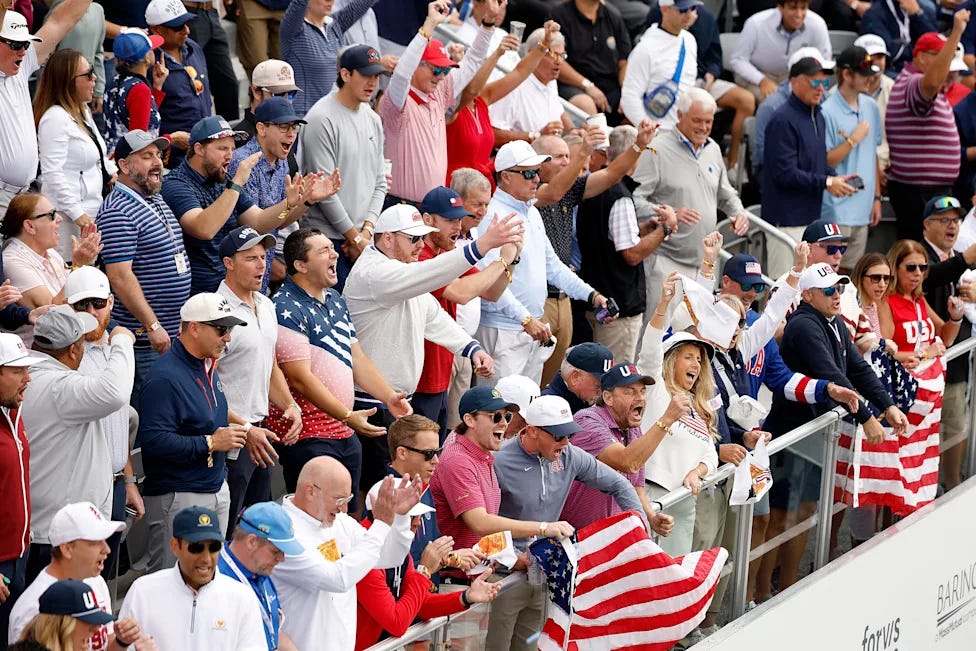
There is no player purse, yet the event generates considerable commercial activity through: ticketing, sponsorship, hospitality, broadcasting, merchandise, food and beverage, tourism and corporate entertainment.
Sponsorship
Major international sporting events offer brands something regular golf tournaments struggle to replicate: national identity, scarcity and concentrated global attention.
A 2022 post-event analysis estimated the annual sponsorship value delivered to tournament partners at approximately $31.35 million, with Citi’s partnership alone estimated at around $16 million annually. (Source: Research and Markets).
Hospitality
Premium hospitality is becoming increasingly important to the economics of major sporting events.
The 2026 Presidents Cup illustrates this clearly.
Offerings at Medinah range from the Captains’ Club to Windy City Suites, Skyline Tables, Hillside Suites, Terrace Suites, Presidential Suites and the ultra-premium 1924 Club inside Medinah’s clubhouse.
These aren’t simply better seats.
They turn the event into a B2B platform where corporations entertain clients, develop relationships and conduct business while watching the competition.
Tourism and local economic impact
The economic effect extends well beyond the golf course.
Golf Québec reported that the 2022 Presidents Cup in Charlotte generated approximately $82 million in economic impact.
Ahead of Montreal 2024, the Québec government projected more than 42,000 hotel nights and nearly $73 million in visitor, operating and capital expenditures connected to the event. (Source: Gouvernement du Québec).
That helps explain why cities, tourism authorities and governments are increasingly interested in major golf competitions.
They aren’t simply golf tournaments.
They are week-long destination events.
Impact of Technology
Golf has always been unusually suited to sports technology because the sport produces enormous amounts of measurable information.
But technology is now changing much more than player performance.
1. Shot tracking and advanced data
The PGA TOUR’s ShotLink infrastructure captures enormous amounts of shot-level information.
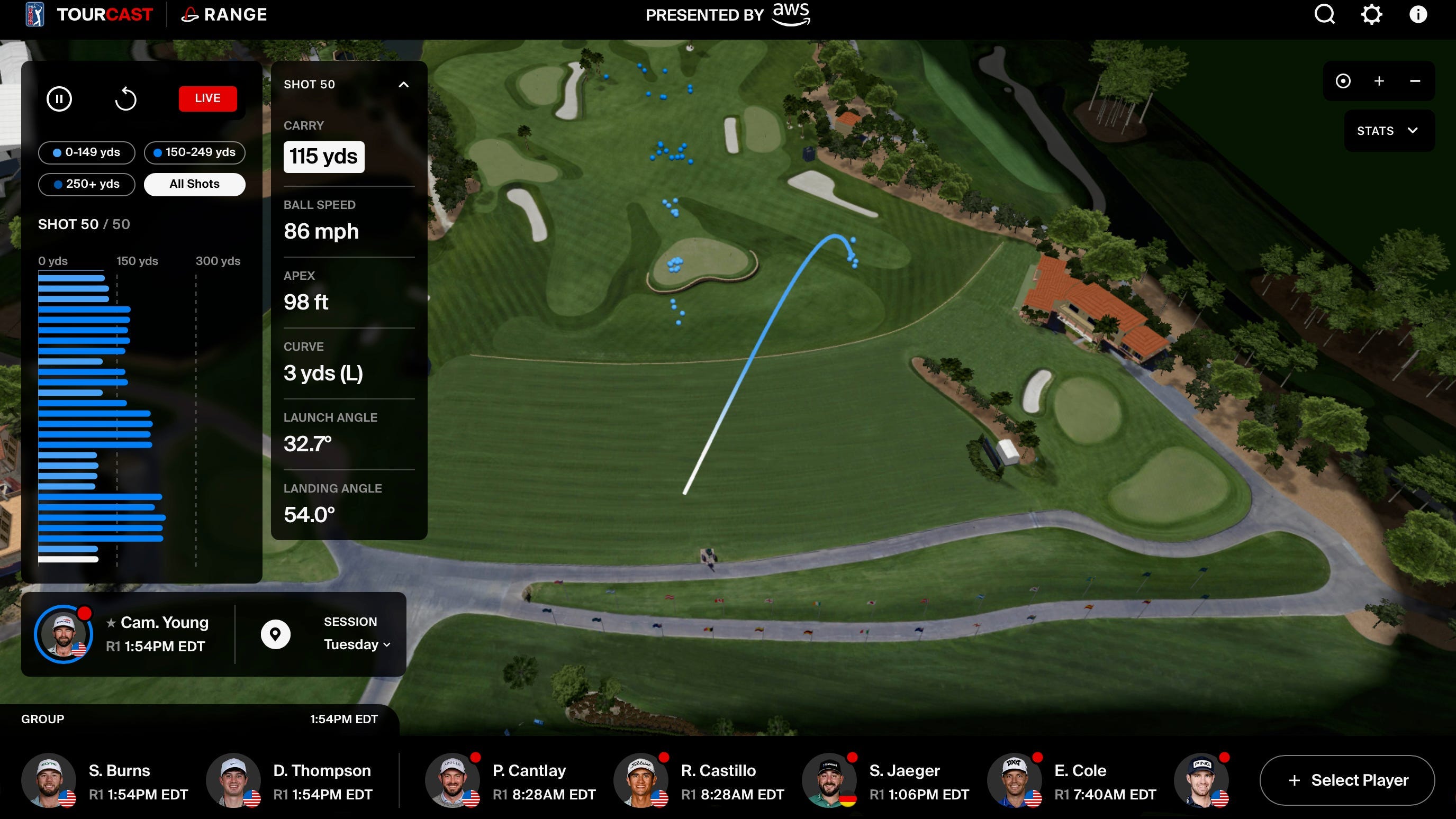
Through TOURCAST, fans can visualize ball flights and access information surrounding individual shots.
The PGA TOUR has also introduced AI-generated shot commentary in TOURCAST, working with AWS, helping provide context around thousands of shots that traditional television coverage could never realistically cover. (Source: PGA Tour).
For team competitions, this becomes particularly interesting.
Instead of simply showing: USA 7 — International 6
Broadcast platforms can increasingly explain:
which pairings statistically complement one another,
where each team is gaining strokes,
how players perform under match-play pressure,
which holes create the biggest scoring swings,
and how probabilities change throughout a match.
2. Broadcast technology
Golf presents one of sports broadcasting’s hardest technical challenges.
Unlike basketball or football, the competition takes place across hundreds of acres, with numerous matches and balls simultaneously in play.
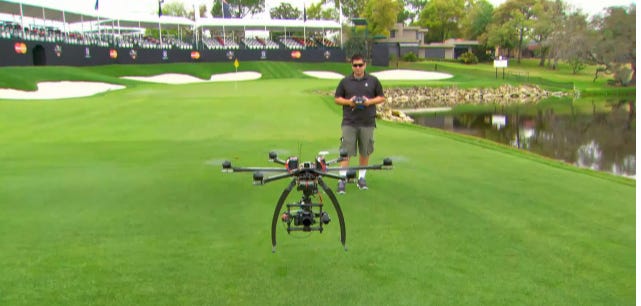
Shot tracing, aerial cameras, drones, enhanced microphones, advanced graphics and real-time data increasingly help viewers understand what is happening.
The next evolution will likely involve personalized viewing. Instead of watching one television feed selected by a producer, viewers could increasingly choose:
Follow Scottie Scheffler
Follow Team International
Watch only holes 14–18
or
Show every match approaching a high-leverage moment.
3. Technology and the fan experience
Technology is also reshaping the onsite experience. Mobile ticketing, digital maps, real-time scoring, interactive leaderboards, transportation information and location-aware notifications can help spectators navigate a golf course where the action constantly moves.
This matters more in golf than almost any stadium sport. In a basketball arena, the fan stays in one seat. At a Presidents Cup, the spectator must continuously decide:
Which match should I follow?
Which hole should I walk toward?
Where is the closest food option?
Where is the most important match right now?
AI and location technology could dramatically improve those decisions.
Future Tech Trends
Several technologies could transform future Presidents Cups.
1. AI-powered personalized broadcasts
AI could create individualized broadcasts based on the viewer’s favorite players, country or type of content:
A fan in Japan could receive a feed heavily centered around Hideki Matsuyama.
A Canadian viewer could prioritize Canadian players.
An Australian viewer could receive an International-Team-heavy experience.
The broadcast could become personalized rather than universal.
2. AI-generated real-time storytelling
Instead of simply displaying statistics, AI could explain their significance.
For example:
Scheffler has gained 1.8 strokes on approach shots today and now faces the hole where the International Team has lost the most strokes this week.
That turns raw data into narrative.
3. AR course overlays
Augmented reality could allow spectators to point their phone toward a hole and immediately see: player locations, shot trajectories, distances, wind, scores and match status.
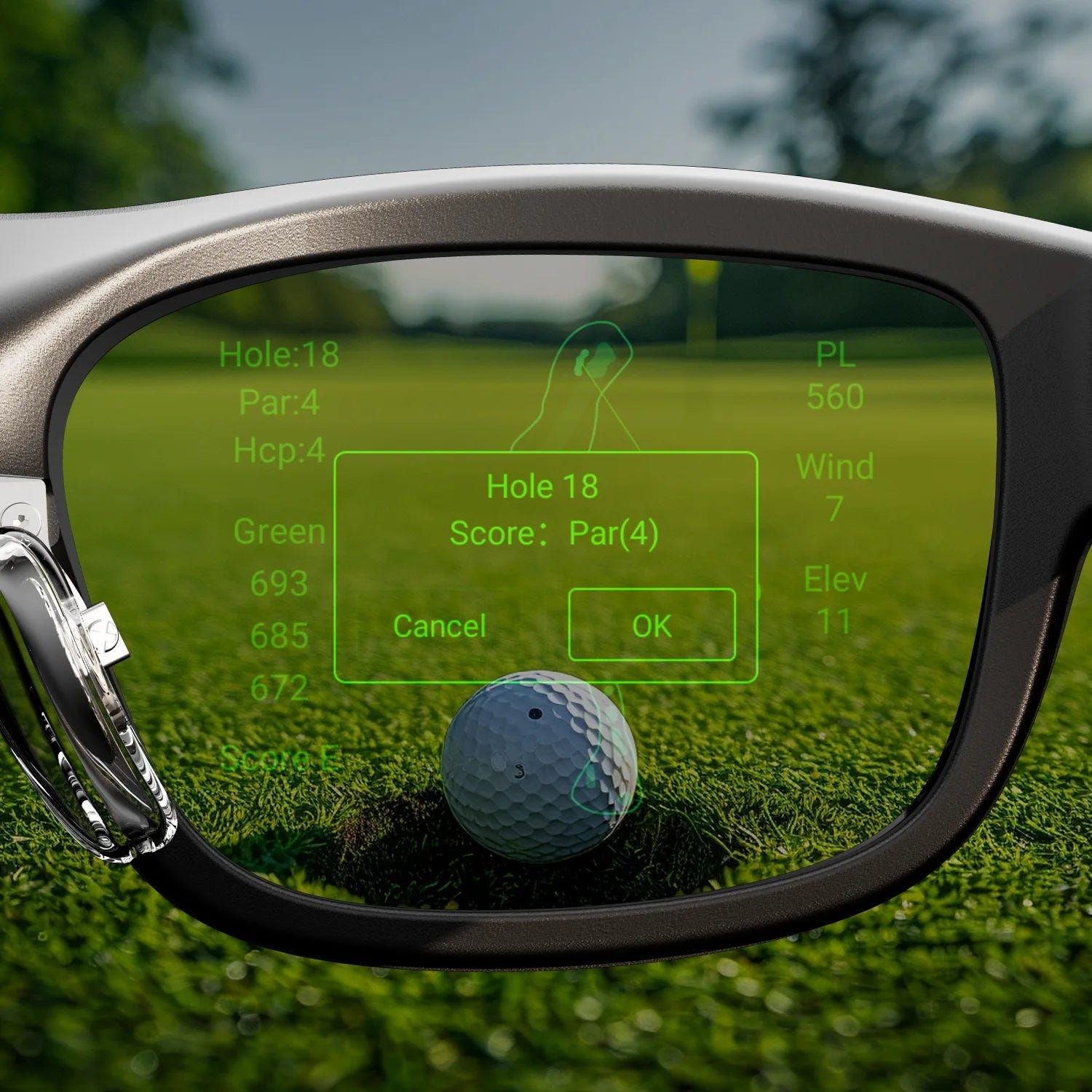
Eventually, smart glasses could provide the same information without requiring a phone.
4. Digital twins of golf courses
Detailed digital replicas of courses could combine: Terrain mapping, historical shot data, weather, wind, ball trajectories and player tendencies.
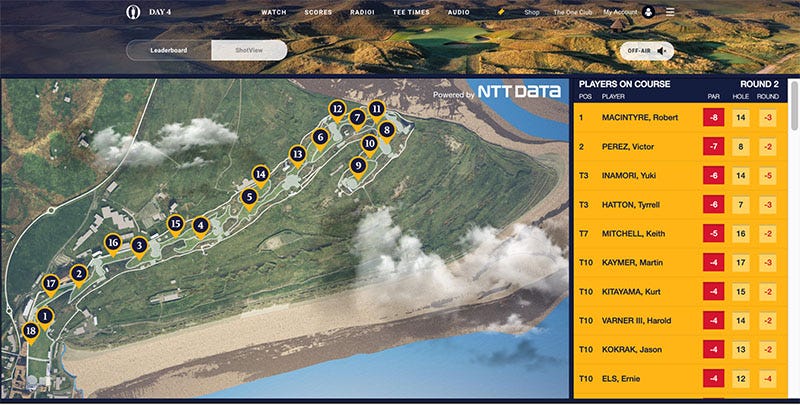
Broadcasters could use those environments to simulate strategic decisions. Fans could also explore the course virtually before or during competition.
5. Predictive analytics for captains
Team competitions create a fascinating analytics problem.
Captains must determine which players should play together and in which formats.
Future systems could analyze thousands of variables—including driving patterns, approach tendencies, putting profiles, preferred shot shapes, historical course performance and psychological/team compatibility—to model potential pairings.
Importantly, analytics wouldn’t necessarily make the decision. It would give captains another decision-support tool.
6. Athlete biometrics
Golf broadcasts could eventually incorporate more athlete physiological information.
Heart rate, heart-rate variability, stress indicators or other biometric signals could potentially illustrate the physiological pressure of major match-play moments—assuming players and tours establish appropriate consent, competitive-integrity and privacy frameworks.
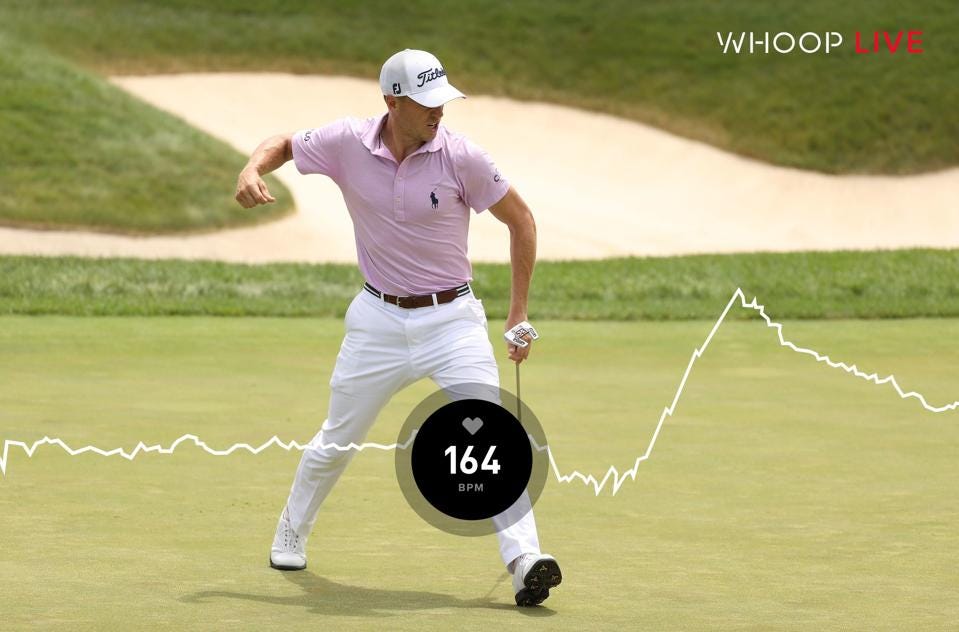
Imagine watching a player stand over a six-foot putt to win the Presidents Cup while seeing how their physiological state changed over the previous five minutes.
7. AI-powered onsite navigation
Perhaps one of the most practical opportunities involves spectators.
An intelligent Presidents Cup app could tell a fan:
“Three matches are approaching the 14th hole. Walk 250 yards toward the 14th green now.”
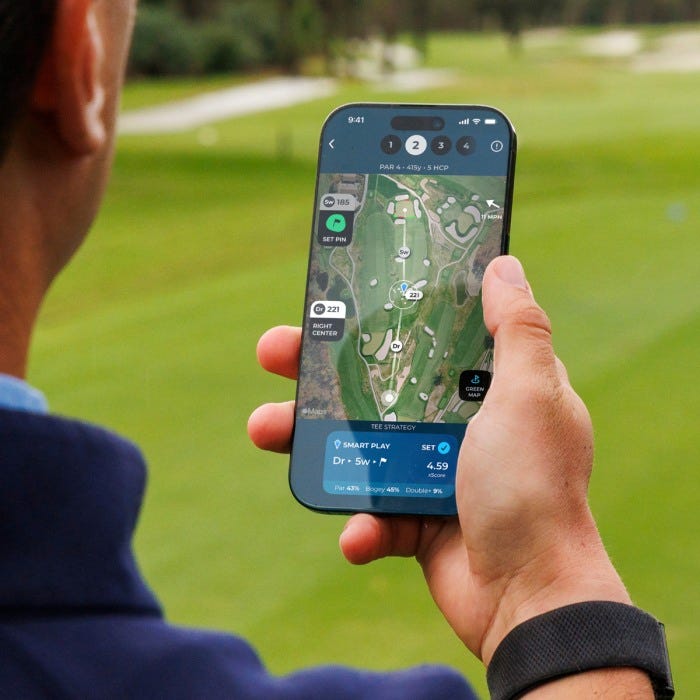
The system could combine match probabilities, crowd density, walking distance and user preferences to recommend where spectators should go next.
That could fundamentally improve golf’s live-event experience.
Conclusion
The Presidents Cup remains smaller commercially and culturally than the Ryder Cup, and the U.S.’s overwhelming historical dominance remains one of the event’s central challenges. But the property has significant strengths.
It features many of the world’s best golfers, operates across international markets, provides scarcity through its biennial schedule, generates meaningful tourism and hospitality activity, and has contributed more than $56 million to charities worldwide.
More importantly, the event sits at the intersection of several trends reshaping elite sports:
data + AI
premium hospitality
personalized broadcasting
global fan engagement
sports tourism
digital experiences
The next phase of innovation may therefore have less to do with changing golf itself and more to do with changing how fans experience golf.
In the future, a Presidents Cup spectator may arrive with an AI assistant recommending which match to follow, receive augmented-reality shot information while walking the course, watch personalized highlights generated automatically and later explore every shot inside a digital twin of the venue.
The competition will still come down to something remarkably traditional—a player, a golf ball, a club and a putt under pressure.
Everything surrounding that moment, however, is becoming increasingly digital.
📺 Main sports events to watch this weekend — ET
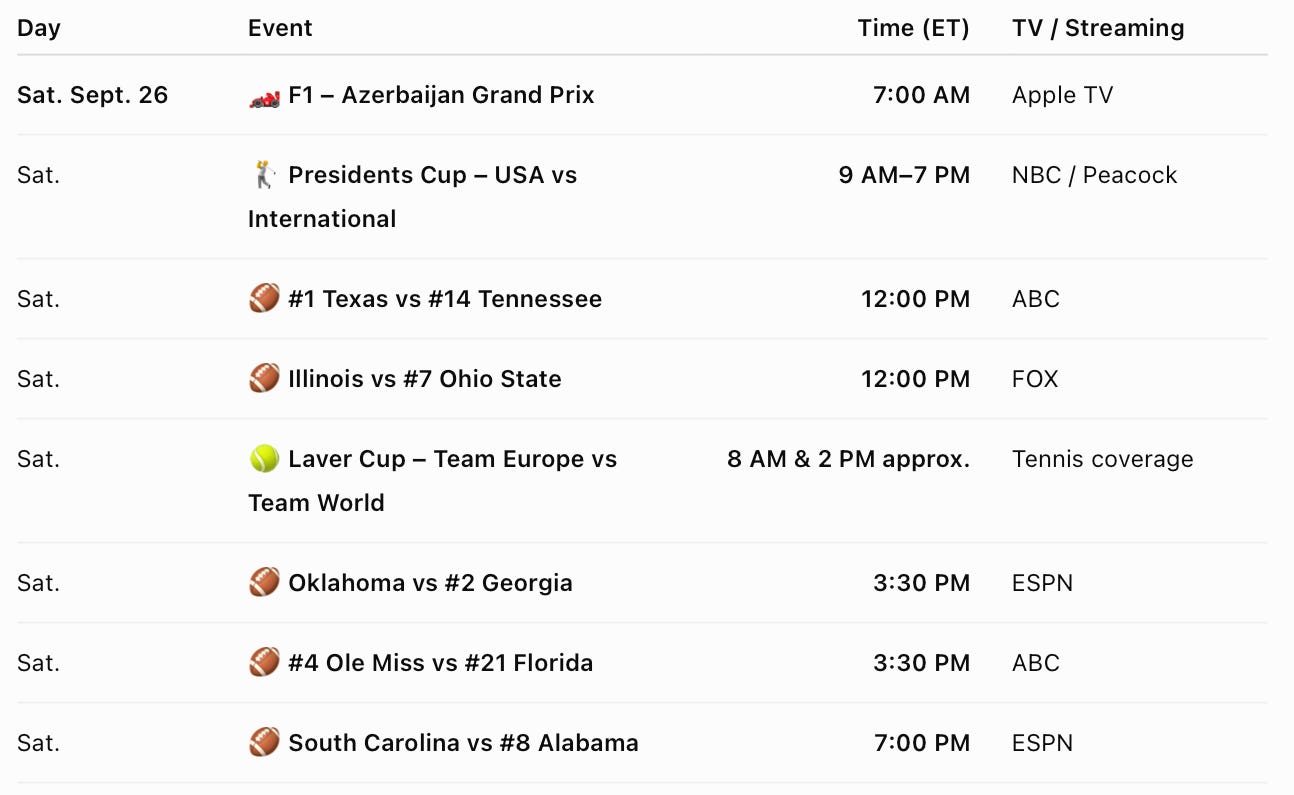
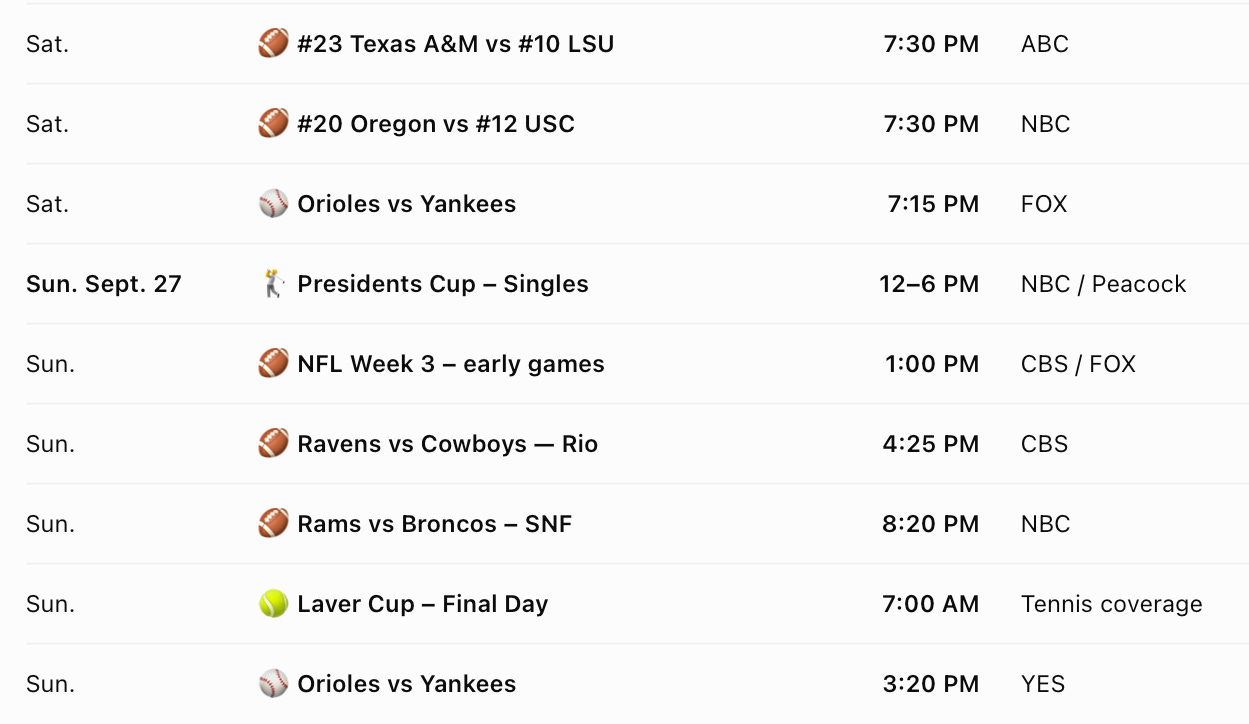
College football may be the deepest viewing day. Texas–Tennessee starts things at noon, followed by Oklahoma–Georgia and Ole Miss–Florida at 3:30, then Texas A&M–LSU and Oregon–USC in prime time. CBS Sports
🏈 NFL Week 3
Sunday has several notable games. The 1 PM window includes Chargers–Bills, Chiefs–Dolphins, Bengals–Steelers, Seahawks–Commanders and Titans–Giants. The headline late game is Ravens vs. Cowboys at 4:25 PM, an international game in Rio de Janeiro, followed by Rams–Broncos on Sunday Night Football at 8:20 PM. NFL
🏌️ Presidents Cup
One of the weekend’s biggest events is the USA vs. International Team at Medinah Country Club. Saturday has fourball and foursomes, while Sunday’s 12 singles matches decide the Cup. NBC/Peacock has coverage 9 AM–7 PM Saturday and noon–6 PM Sunday. NBC Sports
🎾 Laver Cup
The Laver Cup returns to London, Sept. 25–27, with Team Europe vs. Team World and Carlos Alcaraz among the stars. Saturday has two sessions beginning at 1 PM and 7 PM London time (8 AM and 2 PM ET), with Sunday’s deciding session starting at 12 PM London / 7 AM ET. Laver Cup
🏎️ Formula 1
An unusually early Saturday start in the U.S.: the Azerbaijan Grand Prix from Baku starts at 7 AM ET Saturday. The race is on Apple TV in the U.S. Apple TV
⚽ Soccer
There’s also plenty of club soccer. The Premier League weekend includes Manchester United–Nottingham Forest, Liverpool–Tottenham and Sunderland–Manchester City on Saturday. NBC Sports
MLS has a huge Saturday slate as well, including NYCFC–Atlanta, LAFC–FC Dallas, Toronto–Nashville, Minnesota–Seattle and Colorado–LA Galaxy, primarily on Apple TV. Sports Media Watch
⚾ MLB — final regular-season weekend
It’s also the final weekend before the MLB postseason, including Orioles–Yankees. Saturday’s game is at 7:15 PM on FOX, with Sunday’s regular-season finale at 3:20 PM. Sports Media Watch
If I were building a simple Saturday TV schedule: F1 at 7 AM → Presidents Cup / Texas–Tennessee → Oklahoma–Georgia → Texas A&M–LSU or Oregon–USC.
Sunday is Presidents Cup + NFL essentially all day.