
Introduction
This weekend, three major sporting events will capture the attention of millions of fans: the Formula 1 São Paulo Grand Prix in Brazil, the Alabama–LSU college football rivalry, and the Green Bay Packers–New England Patriots NFL matchup.
At first glance, these events represent three very different sporting environments. Formula 1 is a global motorsport championship built around engineering excellence and precision. NCAA football is deeply rooted in American college traditions, regional rivalries, and passionate fan communities. The NFL is one of the world’s most commercially successful professional sports leagues.

Yet all three share several important characteristics.
They are powerful economic engines, generating revenue through broadcasting rights, sponsorships, tourism, ticketing, merchandise, and commercial partnerships. They are also increasingly sophisticated technology ecosystems, where artificial intelligence, advanced analytics, wearables, biomechanics, and real-time data are reshaping how athletes and teams prepare, compete, and recover.
For the sports technology industry, these events offer an opportunity to examine how innovation is transforming elite sports, both on and off the field.
In this analysis, we explore the history of each event, its economic significance, and the growing role of technology in shaping its future.
1. Formula 1: São Paulo Grand Prix — Where Engineering, Economics and Motorsport Converge

November 6–8, 2026 | Interlagos, São Paulo, Brazil
A. History: One of Formula 1’s most iconic races
The Brazilian Grand Prix has been a cornerstone of Formula 1 since its first World Championship race in 1973. Held primarily at the Autódromo José Carlos Pace, better known as Interlagos, the event has produced some of the most memorable moments in motorsport history.
Brazil has a remarkable Formula 1 heritage, producing legendary drivers such as Emerson Fittipaldi, Nelson Piquet, and Ayrton Senna.
Senna, a three-time Formula 1 world champion, remains one of the country’s most celebrated sporting figures. His emotional victory at Interlagos in 1991, despite gearbox problems, remains an iconic moment.

The circuit itself is distinctive. At 4.309 kilometers, it features elevation changes, challenging corners, and unpredictable weather conditions. The relatively short lap, combined with its demanding layout, makes Interlagos one of the most technically challenging circuits on the calendar.
The race has also been the stage for dramatic championship battles, including Lewis Hamilton’s last-lap title victory in 2008 and Max Verstappen’s remarkable wet-weather performance in 2024.
The 2026 event continues this legacy, attracting drivers, teams, sponsors, and fans from around the world.
B. Economic impact: A multibillion-real economic engine
The São Paulo Grand Prix is far more than a motorsport competition. It has become a major international tourism and business event for Brazil’s largest city.

2025 figures reported by the São Paulo municipal government, based on an economic impact study by Fundação Getulio Vargas.
The city’s report also highlights how the Grand Prix has expanded in recent years. Between 2021 and 2025, attendance increased by approximately 67%, while measured economic activity grew from R$960 million to R$2.3 billion.
Several industries benefit directly:
Hospitality and tourism: Hotels, restaurants, transportation providers, and local businesses benefit from the influx of domestic and international visitors.
Corporate sponsorship: Global companies use Formula 1 to showcase their brands, entertain clients, and build relationships with decision-makers.
Media and broadcasting: The race generates international exposure for São Paulo and its commercial partners.
Infrastructure: The city reports R$500 million invested in modernization of Interlagos, including improved facilities, hospitality infrastructure, and surrounding mobility.
Importantly, the reported R$2.3 billion represents estimated economic activity associated with the 2025 event, not profit or a direct return to government.
The broader lesson is that Formula 1 has evolved into a platform for tourism, international investment, technology partnerships, and premium corporate experiences.
C. Technology: Formula 1 as a laboratory for innovation
Of the three sporting events examined in this report, Formula 1 is arguably the most technologically intensive.
Unlike most professional sports, Formula 1 teams must develop both their athletes and the machines they compete in.
1. AI, machine learning and predictive analytics
Modern F1 cars generate extensive telemetry data from sensors monitoring parameters such as tire temperatures, braking, engine performance, aerodynamic behavior, and energy usage.
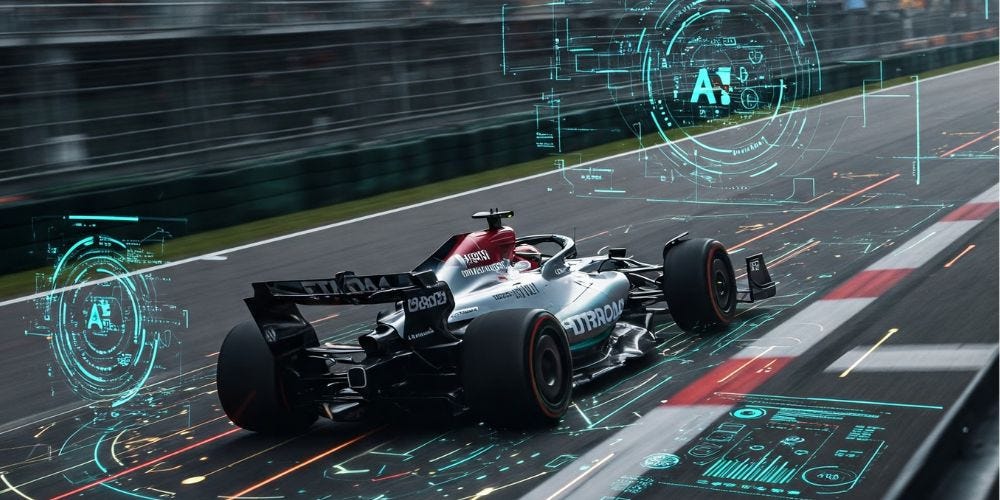
Teams combine this information with simulation models and predictive analytics to improve race strategy.
AI and machine learning can help teams:
Model tire degradation and optimize pit-stop timing.
Simulate thousands of race scenarios.
Evaluate the impact of weather and track conditions.
Identify performance differences between drivers and car configurations.
Improve reliability through predictive maintenance.
At Interlagos, where sudden rain can transform race conditions, the ability to process information quickly can make the difference between winning and losing.
2. Driver biomechanics, cognitive performance and physiological monitoring
F1 drivers operate under extreme physical and cognitive demands. They must sustain concentration while experiencing high G-forces, cockpit heat, vibration, and significant cardiovascular strain.
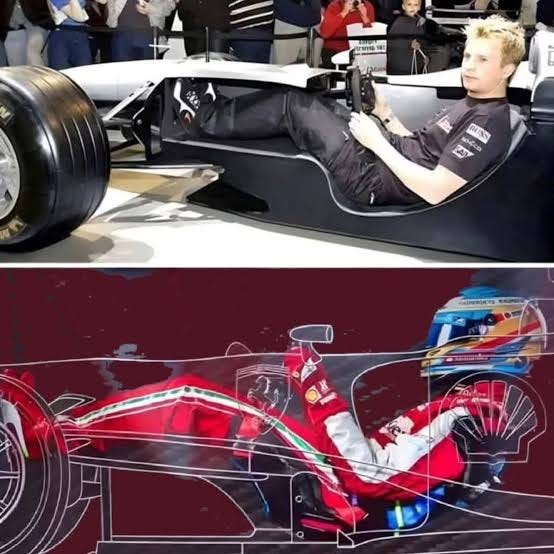
Technologies supporting driver performance include physiological monitoring, reaction-time assessments, neck-strength testing, simulator-based cognitive training, and sleep and recovery tracking.
These tools help performance teams understand how fatigue, heat, stress, and physical conditioning influence driving performance.
However, measuring a driver’s physiological state does not automatically establish how that state affects lap time. Meaningful interpretation requires individual baselines and contextual analysis.
3. Digital twins and simulation
F1 teams use sophisticated simulators and virtual models to evaluate car setups, aerodynamic changes, and race strategies before implementing them on track.
Digital-twin approaches are particularly valuable because physical testing opportunities are limited.
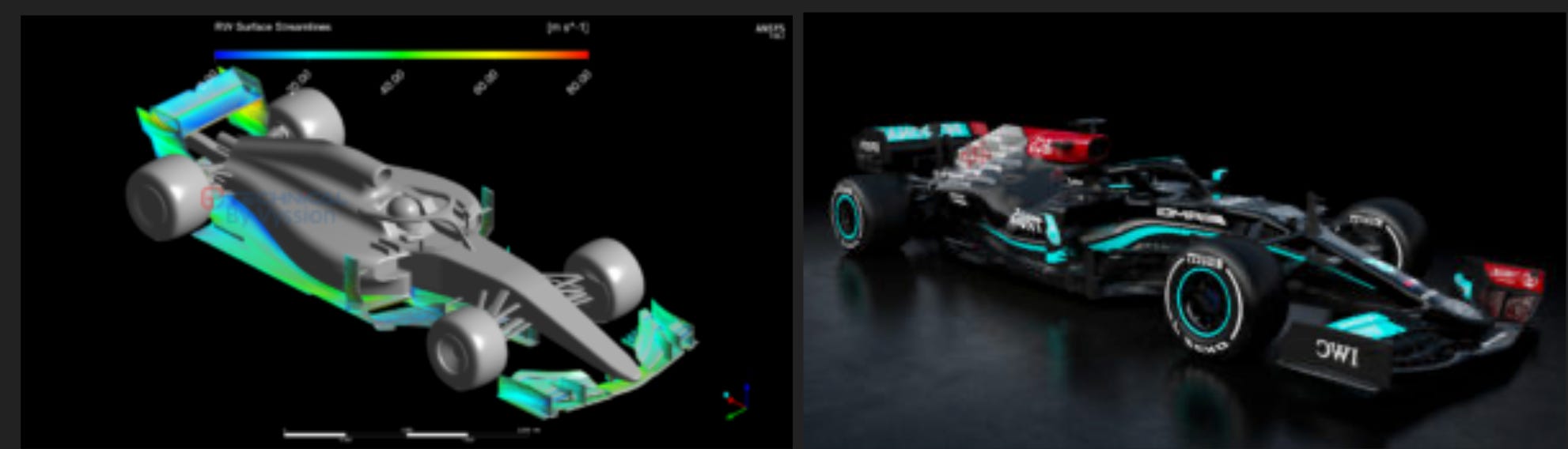
The same principle is increasingly relevant to sports technology: using virtual environments to assess movement, workload, equipment, or tactical decisions before making changes in real-world competition.
4. Computer vision and automated performance analysis
High-speed cameras, computer vision, and advanced sensor systems support vehicle development and race analysis.
For teams, these technologies can help quantify driving lines, braking behavior, pit-stop execution, and competitor performance.
Upside perspective
Formula 1 demonstrates what happens when engineering, data science, human performance, and operational decision-making become deeply integrated.
For sports technology companies working with NBA, NFL, NHL, or soccer organizations, there are valuable lessons in how F1 teams structure their data operations.
The opportunity is not simply to collect more information. It is to integrate information from multiple sources and turn it into actionable decisions.
One particularly interesting area is the potential transfer of technologies developed for motorsport into other elite sports, including simulation, predictive maintenance of equipment, computer vision, and cognitive-performance training.
2. NCAA Football: Alabama vs. LSU — A Historic Rivalry and a Powerful College Sports Business
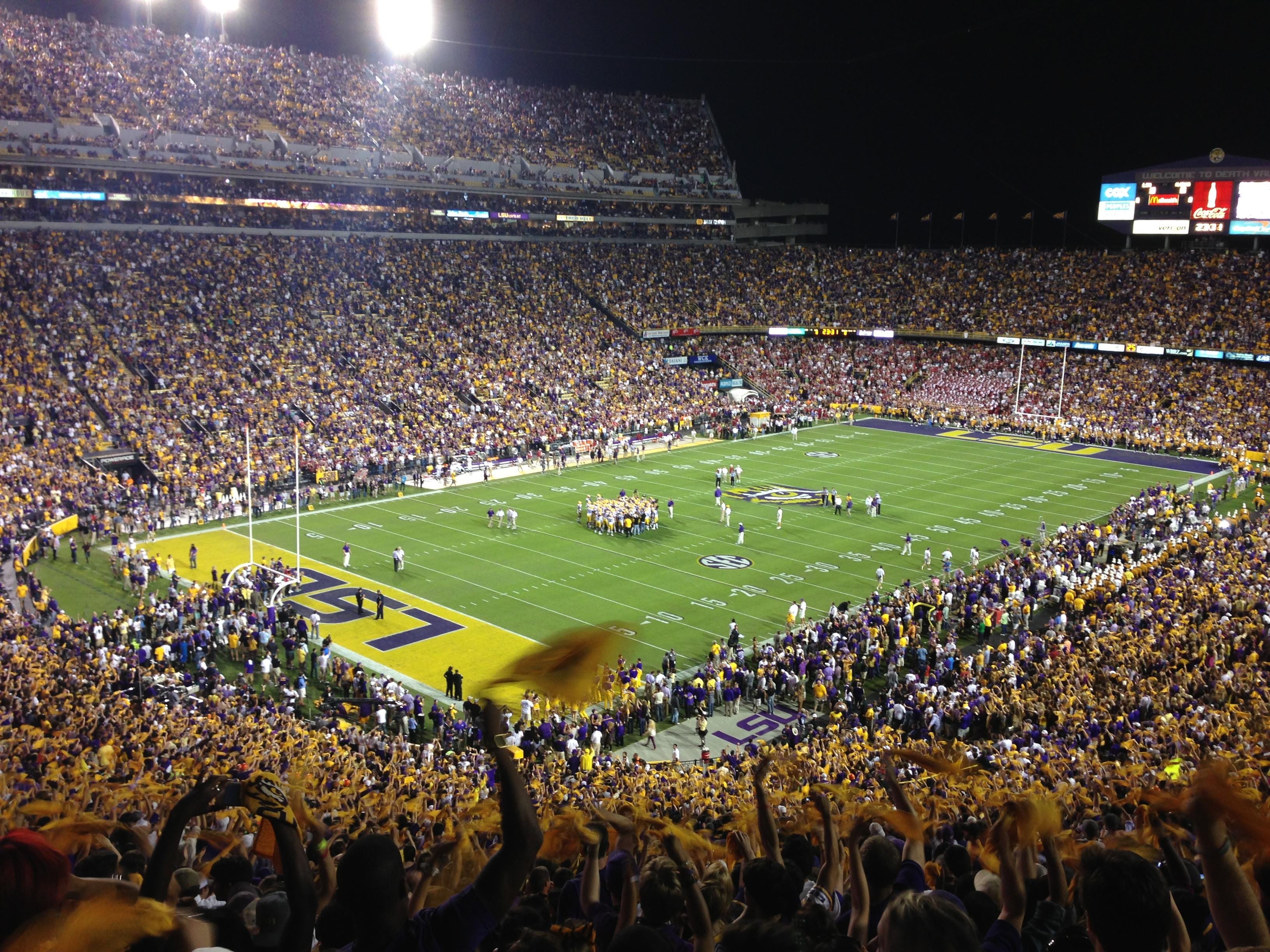
Saturday, November 7, 2026 | 3:30 PM ET | Tiger Stadium, Baton Rouge | ABC
A. History: One of college football’s defining rivalries
The rivalry between the University of Alabama and Louisiana State University dates back to November 18, 1895, when LSU defeated Alabama 12–6.
More than a century later, the matchup remains one of the most anticipated games in Southeastern Conference football.
Alabama has historically dominated the series, but LSU has produced several landmark victories.
One of the rivalry’s most memorable chapters came in 2011, when No. 1 LSU defeated No. 2 Alabama 9–6 in overtime. Alabama subsequently won the rematch in the BCS National Championship Game, 21–0.
In 2019, LSU, led by quarterback Joe Burrow, defeated Alabama 46–41 in a game that helped define its national championship season.
The 2026 matchup is particularly significant because both programs continue to compete at the highest level of college football, with postseason implications and national attention.
B. Economic impact: College football as a major commercial enterprise
College football has evolved into a multibillion-dollar business supported by media rights, ticket sales, sponsorships, licensing, donations, and increasingly sophisticated commercial operations.
The SEC is central to this transformation.
1. Broadcasting and media rights
The SEC’s long-term agreement with ESPN and ABC has made major conference games a critical component of the American sports television business.
Alabama–LSU is particularly attractive because of its history, large fan bases, and national relevance.
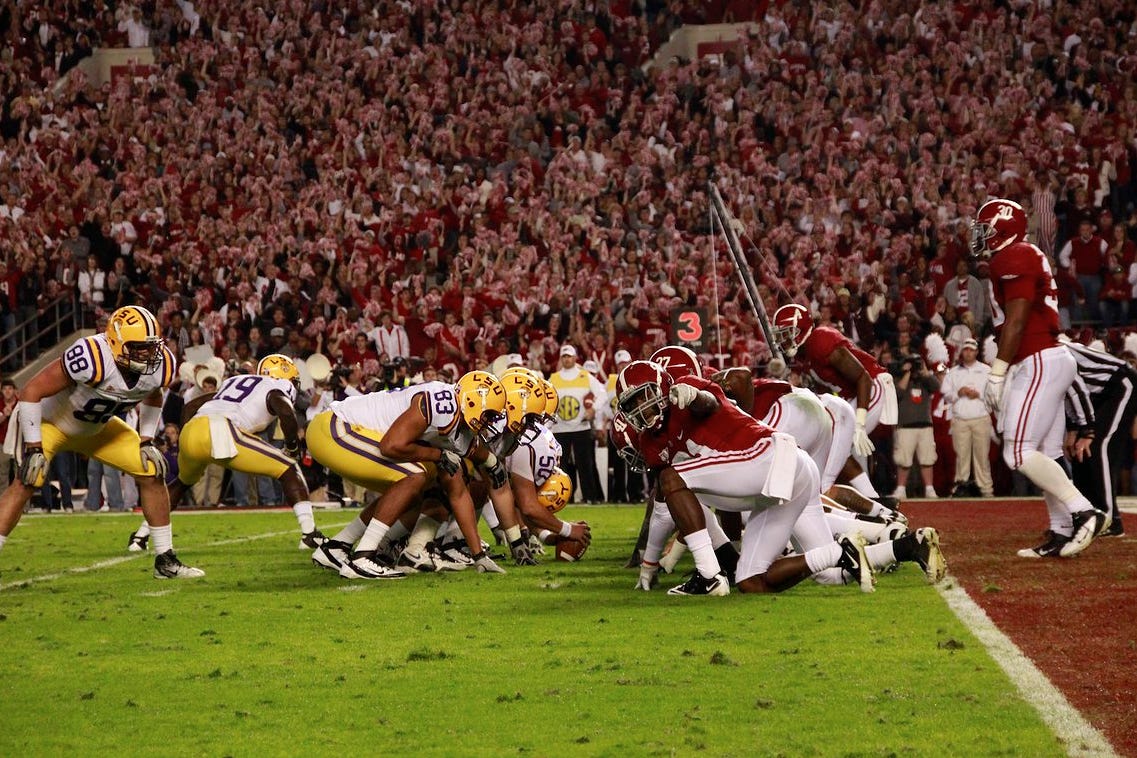
High-profile games help broadcasters generate advertising revenue, attract viewers, and strengthen the commercial value of their sports programming.
However, the revenue attributable to an individual Alabama–LSU game is not publicly itemized in the same way as a standalone event’s ticket sales.
2. Economic impact on Baton Rouge
LSU home football games create significant commercial activity throughout Baton Rouge.
Tiger Stadium has a seating capacity exceeding 100,000, making it one of the largest college football stadiums in the country.
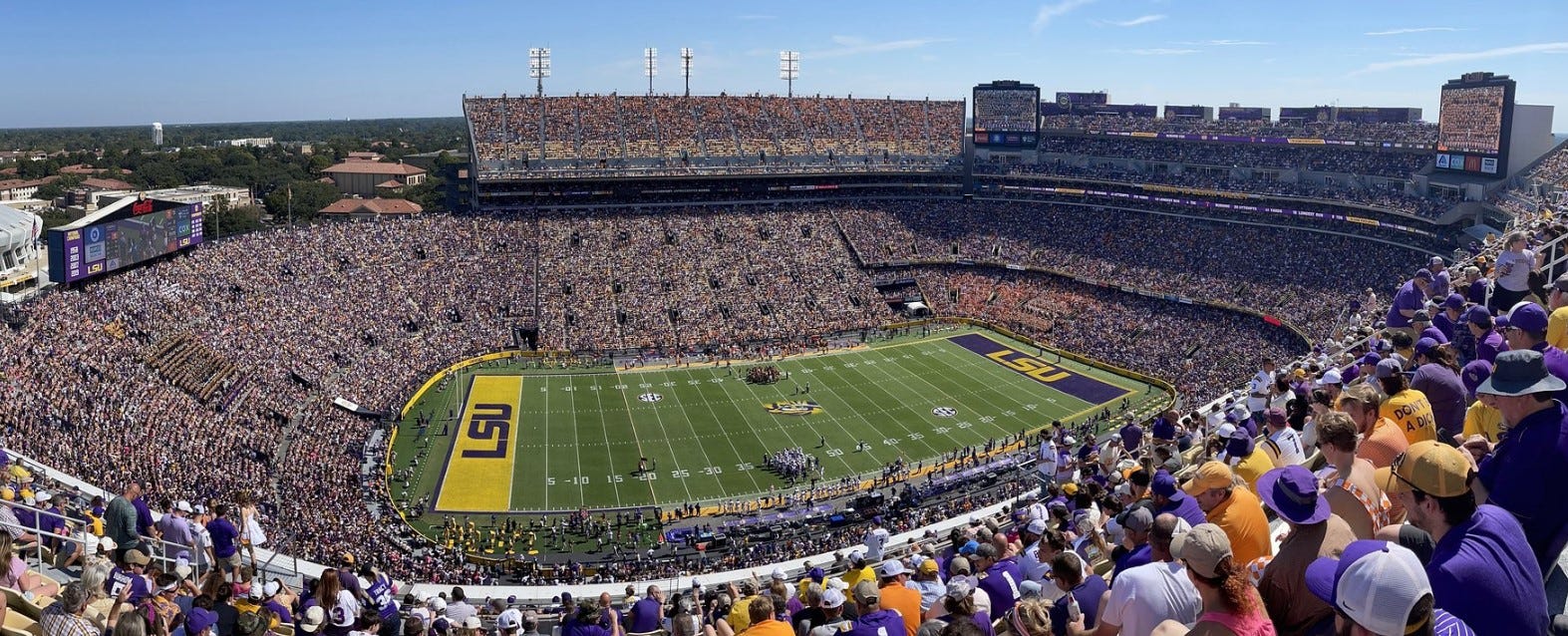
A major SEC matchup can support substantial spending across hotels, restaurants, transportation, parking, retail, and entertainment.
Visiting fans, alumni, corporate sponsors, and media organizations contribute to this activity.
The economic impact extends beyond game day, with businesses benefiting from visitors arriving earlier in the weekend.
A precise economic impact figure for the November 7, 2026 game is not yet established. It would be misleading to equate total visitor spending with new net economic benefit to the region.
3. NIL, revenue sharing and athlete commercialization
The introduction of Name, Image, and Likeness opportunities, followed by changes to college athlete compensation, has fundamentally transformed the economics of NCAA football.
Major programs increasingly compete not only through coaching, facilities, and recruiting, but also through the financial resources available to attract and retain players.
This has created new commercial opportunities for athletes, brands, marketing agencies, and technology companies.
It has also increased pressure on athletic departments to demonstrate the value of investments in athlete development and performance.
C. Technology: How sports science is transforming college football
The modern college football program is increasingly becoming a sophisticated sports performance organization.
At leading NCAA institutions, technology plays an important role in training, injury management, tactical preparation, and athlete development.
1. Wearables and athlete monitoring
GPS and local positioning systems, accelerometers, and other monitoring technologies help performance departments evaluate training demands.
Depending on the system, practitioners can measure:
Distance and high-speed running exposure.
Acceleration and deceleration.
Movement intensity and external workload.
Positional differences in physical demands.
Changes in training load across the week.
These measurements can help strength and conditioning coaches design more individualized training programs.

For football, however, no single wearable captures every relevant physical demand. Collisions, blocking, and other high-contact movements require additional context and careful interpretation.
2. Force plates and biomechanical assessment
Force plates are increasingly used across elite sports to evaluate neuromuscular performance.
In football, practitioners may use them to assess lower-body force production, asymmetries, jump performance, and changes in an athlete’s physical readiness.
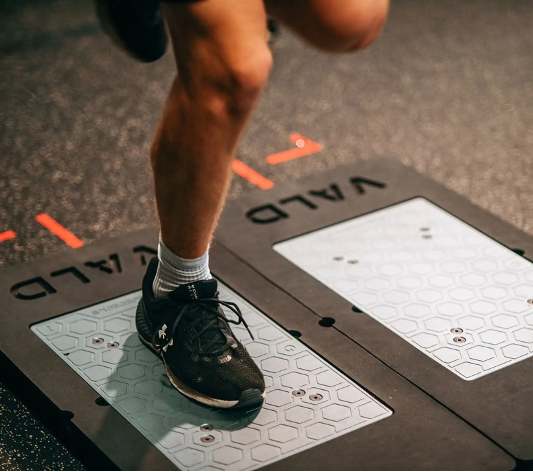
When combined with other assessments, these measurements can support rehabilitation and return-to-play decisions.
Importantly, force-plate data should not be treated as a standalone injury-prediction tool.
3. AI-powered video analysis and scouting
Computer vision and AI are creating new opportunities for football programs to analyze player movement and tactical behavior.
Potential applications include automated tagging of game footage, player tracking, route recognition, defensive formation analysis, and identification of technical patterns.
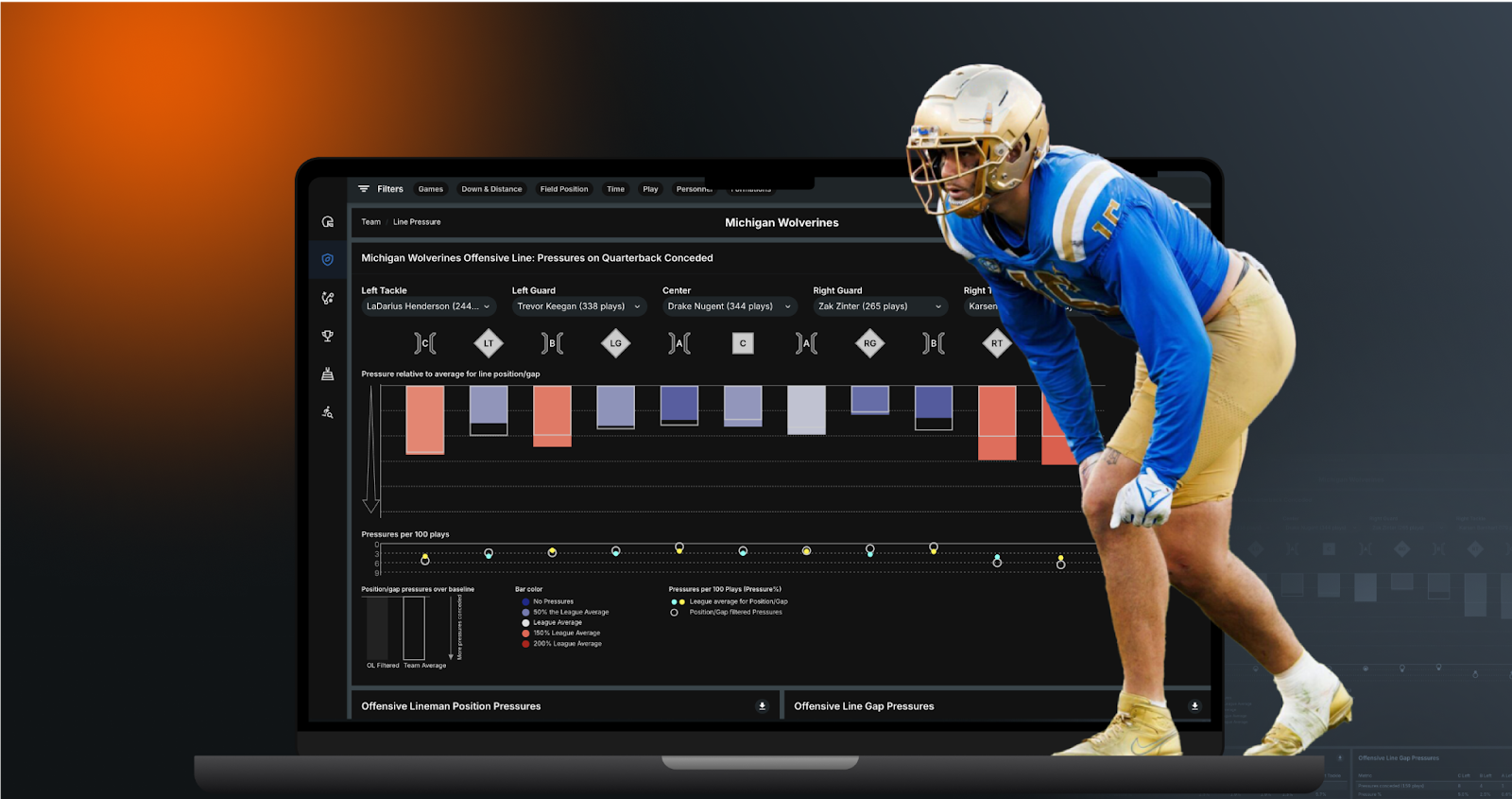
These technologies may help coaching staffs reduce the time spent manually reviewing video.
They also create opportunities to connect tactical analysis with biomechanical and physical-performance information.
4. Recovery, sleep and mental preparation
College football players must balance demanding training schedules, travel, academic responsibilities, and competitive pressure.
Sleep monitoring, recovery assessments, mental-performance training, and individualized conditioning programs can help practitioners better understand athlete readiness.
One challenge for NCAA programs is the variability in budgets, staffing, and access to technology across institutions.
A solution that works for a major SEC football program may not be practical for a smaller NCAA athletic department.
Upside perspective
Alabama–LSU illustrates how college football is becoming one of the most attractive markets for sports technology companies.
Major NCAA programs increasingly resemble professional sports organizations in their use of performance science, data analytics, and specialized staff.
At the same time, the broader NCAA market presents a significant opportunity for more affordable, scalable technologies.
One of the biggest opportunities is to develop platforms that combine athlete monitoring, biomechanics, medical information, training workloads, and video analysis.
The next competitive advantage may come less from acquiring additional technology and more from integrating existing systems into a unified decision-making process.
3. NFL: Green Bay Packers vs. New England Patriots — Two Historic Franchises in the NFL’s Technology Economy
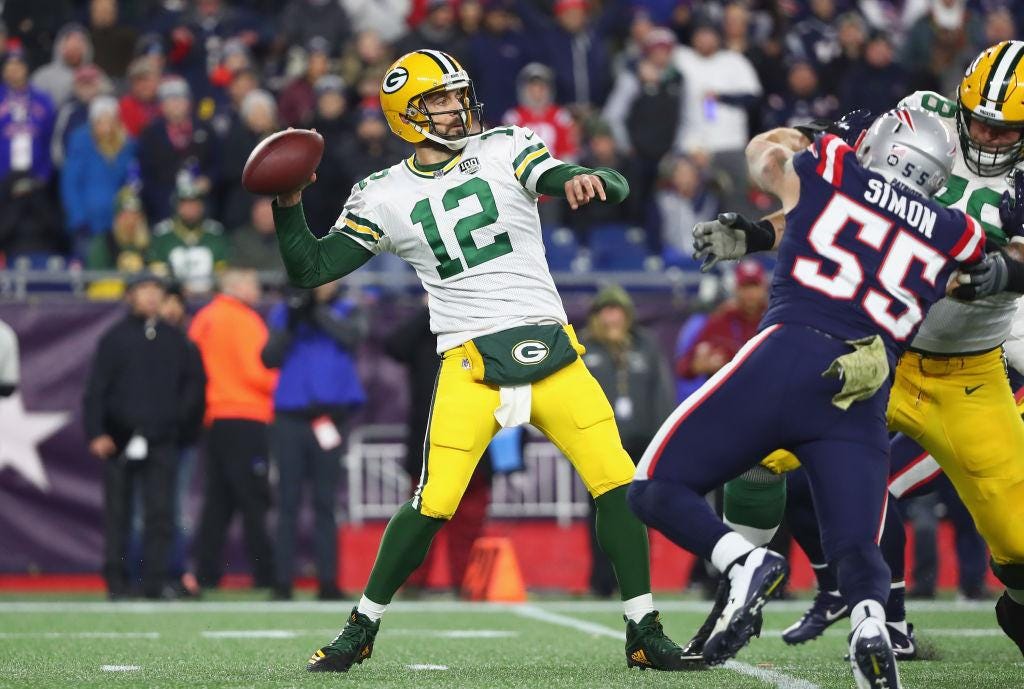
Sunday, November 8, 2026 | 4:25 PM ET | Gillette Stadium, Foxborough | FOX
A. History: Two franchises that helped define the NFL
Few NFL franchises have histories as rich as the Green Bay Packers and New England Patriots.
The Packers, founded in 1919, are among the league’s oldest and most recognizable organizations. Green Bay’s legacy includes the legendary Vince Lombardi era, five Super Bowl appearances, and four Super Bowl victories.
The Patriots, founded in 1959 and beginning play in 1960, became one of the most successful professional sports franchises of the 21st century under head coach Bill Belichick and quarterback Tom Brady.
Between 2001 and 2018, New England won six Super Bowls, establishing one of the most dominant dynasties in American sports history.
The franchises also share a memorable championship connection.
In Super Bowl XXXI, played in January 1997, the Packers defeated the Patriots 35–21, with quarterback Brett Favre leading Green Bay to its first Super Bowl victory in nearly three decades.

Although the two teams do not meet regularly because they compete in different conferences, their matchups carry considerable historical significance.
Their most recent meeting before 2026 took place in 2022, when Green Bay defeated New England in overtime.
The November 8 matchup features another chapter in the teams’ histories, with quarterbacks Jordan Love and Drake Maye representing a newer generation of NFL talent.
B. Economic impact: The NFL’s powerful commercial ecosystem
The NFL is one of the world’s most valuable sports properties, supported by extraordinary media rights agreements, sponsorships, ticketing, merchandise, and digital engagement.
1. Broadcasting rights and media economics
The NFL’s long-term media rights agreements with major broadcasters and technology companies are collectively valued at more than $100 billion over their duration.
These agreements include partnerships with CBS, FOX, NBC, ESPN/ABC, and Amazon, alongside additional distribution arrangements.
For broadcasters, NFL games remain among the most valuable live television properties because they consistently attract large audiences.

The Packers–Patriots matchup benefits from two nationally recognized brands with passionate fan bases.
Its FOX broadcast also demonstrates the commercial appeal of NFL personalities: Tom Brady, a former Patriots quarterback, is part of the commentary team for the game.
2. Local economic impact
Gillette Stadium is a major economic asset for the New England region.
Patriots home games support spending on hospitality, transportation, parking, food and beverage, merchandise, and nearby businesses.
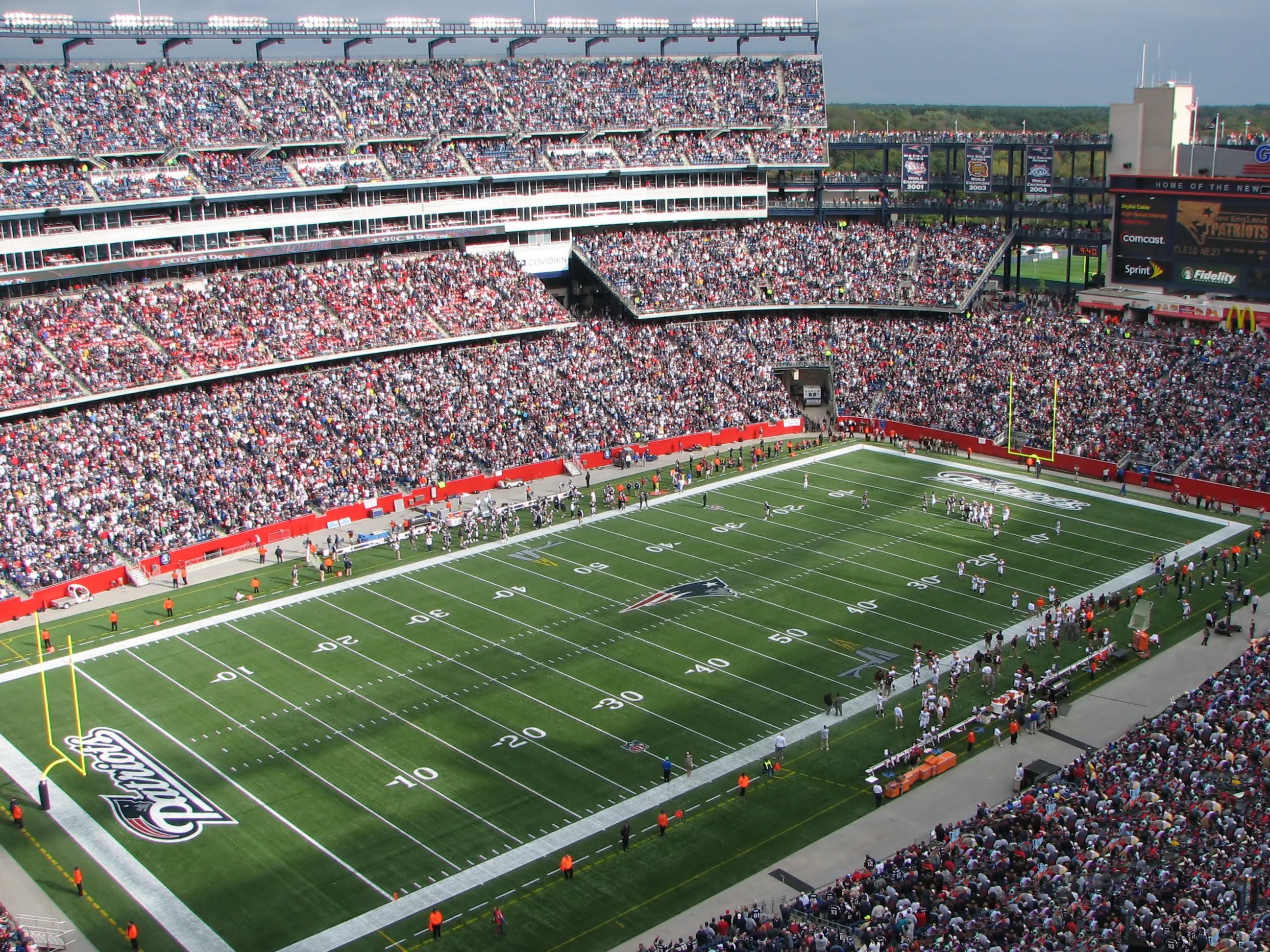
The broader stadium complex, including Patriot Place, benefits from both game-day activity and year-round commercial operations.
For Green Bay, the Packers represent an unusually important economic and cultural institution in a relatively small market.
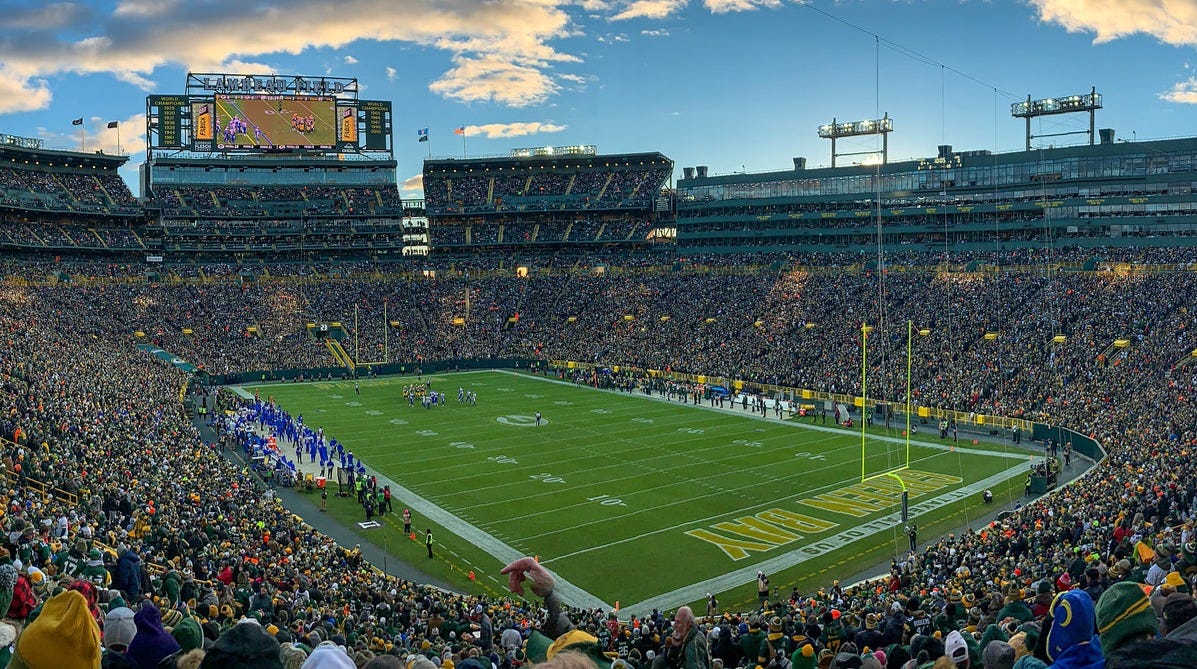
The franchise attracts fans from across the country, generating tourism and commercial activity that extends beyond the local population.
Both organizations demonstrate how professional sports franchises can serve as anchors for regional economic development.
However, the net local economic impact of a particular NFL game is difficult to isolate. Visitor spending, stadium revenue, and economic value added are different measures.
3. Sponsorships, merchandise and digital monetization
NFL franchises have developed sophisticated commercial strategies involving stadium naming rights, sponsorship activations, premium hospitality, licensing, and digital content.
The next phase of growth will increasingly involve using technology to better understand fan behavior.
AI-powered personalization, customer analytics, dynamic pricing, and digital engagement platforms can help franchises improve the fan experience and identify additional commercial opportunities.
C. Technology: The NFL’s evolution toward data-driven performance
NFL teams are investing in technologies designed to improve player performance, rehabilitation, scouting, coaching, and medical decision-making.
Given the sport’s physical demands, one of the most important areas of innovation is the relationship between athlete monitoring and injury reduction.
1. Wearables, tracking and player workload
NFL teams use various tracking and monitoring technologies to better understand how players move during practices and games.
The NFL’s Next Gen Stats infrastructure uses tracking technology to capture player location, speed, acceleration, and movement patterns.
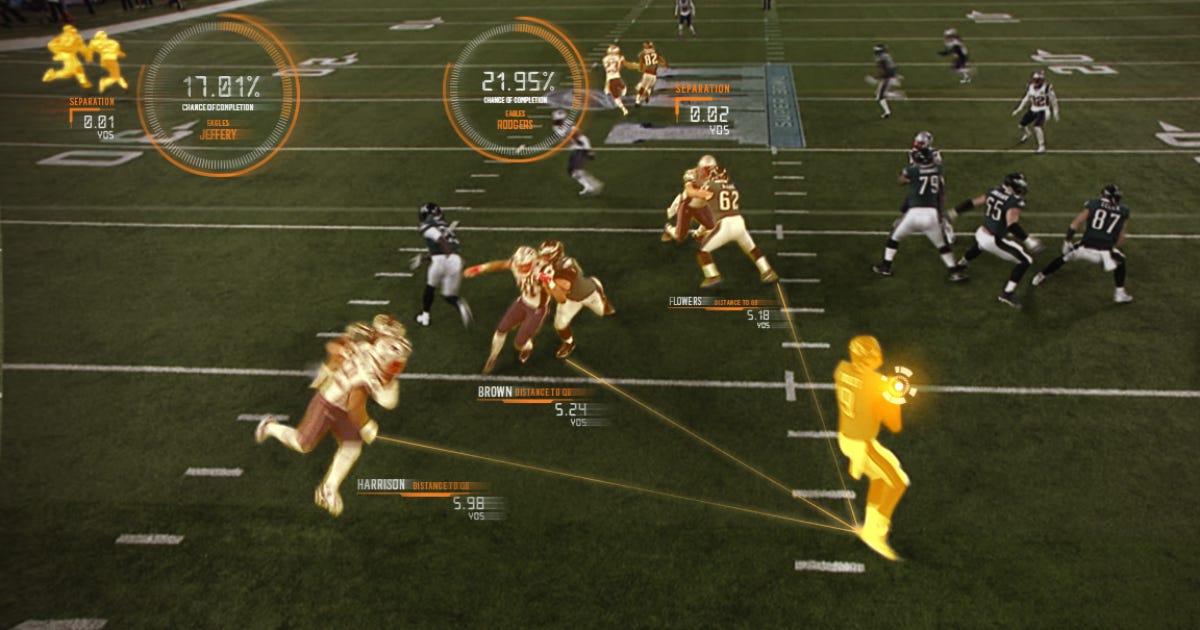
These data can support advanced statistical analysis and performance evaluation.
Within team performance departments, monitoring technologies can also help practitioners assess physical demands, including high-intensity movements, changes in direction, and cumulative training exposure.
The challenge is that football is a highly physical, contact-intensive sport. Traditional running metrics do not fully capture the mechanical stress associated with blocking, tackling, and collisions.
This creates opportunities for technologies that combine movement tracking with impact analysis and biomechanical assessment.
2. Biomechanics and injury reduction
The NFL has invested in research and technologies intended to improve player health and safety.
Areas of interest include helmet design, impact biomechanics, lower-extremity injuries, and improvements to playing surfaces.
Teams may also use motion capture, force plates, high-speed cameras, and other biomechanical tools to evaluate movement quality and physical performance.
These technologies can help practitioners assess:
Sprinting and acceleration mechanics.
Lower-body force production.
Changes in movement patterns during rehabilitation.
Position-specific physical demands.
Return-to-play progression following injury.
One particularly promising area is the integration of biomechanics with training workloads and medical information.
Rather than evaluating each dataset independently, performance departments can develop a more comprehensive understanding of an athlete’s condition.
Nevertheless, injury risk is multifactorial, and no single technology can reliably predict whether a player will be injured.
3. AI, computer vision and football intelligence
AI-powered video analysis and computer vision are creating new possibilities for NFL coaching and scouting departments.
Potential applications include automated identification of offensive and defensive formations, player movement analysis, route recognition, and evaluation of individual technical performance.
AI can also help teams organize and retrieve information from large video libraries.
For example, coaching staffs may be able to identify every instance of a particular defensive coverage or offensive route combination more efficiently.
The next opportunity is to connect tactical video analysis with physical performance data.
Imagine a system that allows a coach to examine not only how a wide receiver executed a route, but also the player’s acceleration profile, deceleration demands, and biomechanical characteristics during that movement.
Such integrated analysis could help connect coaching, sports science, and rehabilitation departments.
4. Recovery, sleep and cognitive performance
The NFL season places substantial physical and psychological demands on players.
Travel, short recovery windows, repeated collisions, and the pressure of competition create complex challenges for performance departments.
Technologies supporting sleep assessment, recovery monitoring, cognitive training, and physiological evaluation may help practitioners individualize athlete preparation.
For quarterbacks in particular, cognitive performance and decision-making are increasingly interesting areas for technology development.
Virtual reality, simulation, eye tracking, and decision-training platforms offer opportunities to recreate game scenarios and assess how players process information under pressure.
However, the effectiveness of these technologies must be evaluated through meaningful performance outcomes rather than simply improvements on proprietary training scores.
Upside perspective
The Packers–Patriots matchup illustrates the NFL’s continued evolution toward more sophisticated, integrated performance operations.
One of the biggest challenges facing teams is not necessarily a lack of technology.
It is the fragmentation of information across different departments.
Sports performance staff, athletic trainers, rehabilitation specialists, coaches, and medical personnel often work with different systems and datasets.
This creates an opportunity for sports technology companies to develop solutions that bring these departments closer together.
AI-powered assistants, integrated athlete management platforms, automated video analysis, and biomechanical assessment tools could help teams make better-informed decisions while reducing administrative workload.
For technology vendors, the key will be demonstrating measurable value, integrating into existing workflows, and providing evidence that their products improve decision-making or operational efficiency.
4. What These Three Events Tell Us About the Future of Sports Technology
Although Formula 1, NCAA football, and the NFL operate in different environments, they reveal several important trends shaping the sports technology industry.
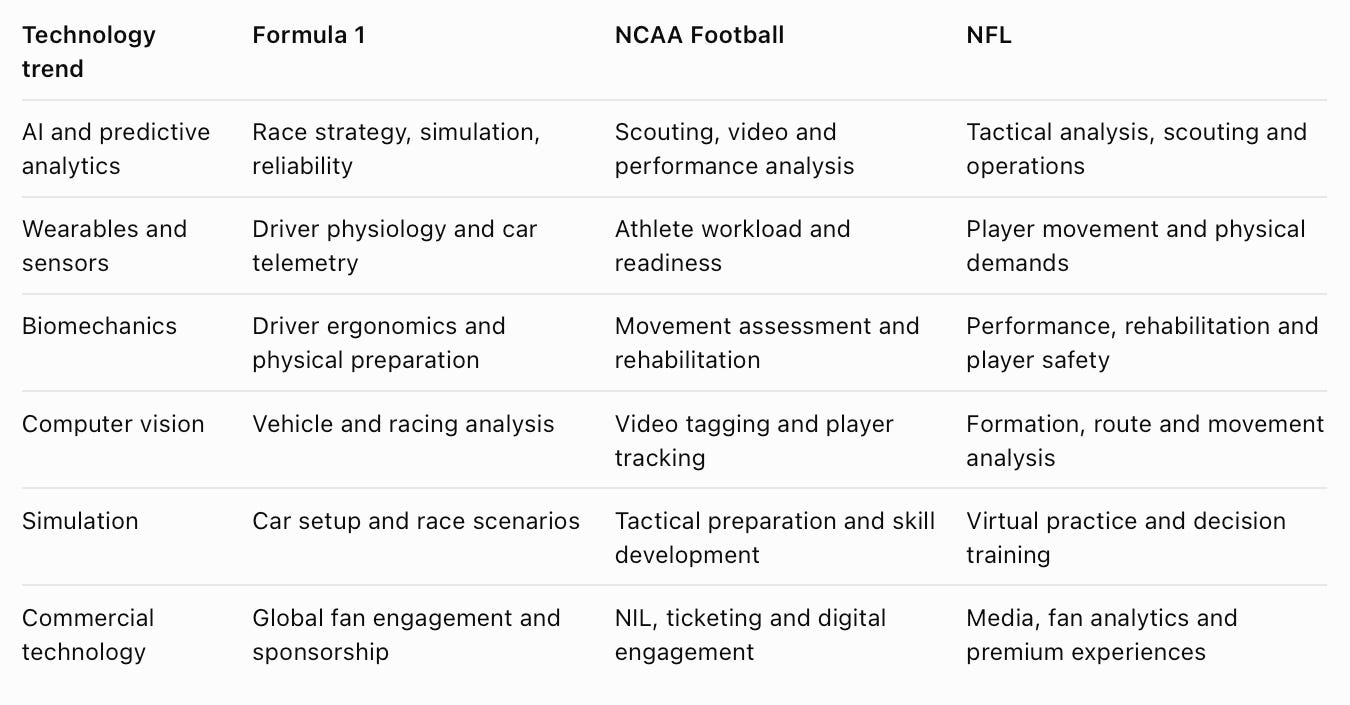
Five important industry takeaways
1. AI is becoming an increasingly important competitive tool.
Across all three sports, organizations are exploring how AI can transform complex datasets into useful insights.
The greatest value will likely come from solutions that improve decisions rather than simply generate additional reports.
2. Integration is becoming more important than individual technologies.
Teams increasingly operate with multiple data systems, including GPS, force plates, medical records, video platforms, and athlete management software.
The opportunity is to connect these systems and make information more accessible to practitioners.
3. Human performance remains central to technological innovation.
Whether it is an F1 driver dealing with physical and cognitive fatigue or an NFL player returning from injury, technology ultimately needs to support human performance.
This creates opportunities for companies specializing in biomechanics, sleep, recovery, cognitive training, and individualized athlete monitoring.
4. Sports organizations are becoming more sophisticated commercial enterprises.
Technology is transforming not only what happens during competition but also how organizations generate revenue.
AI-driven marketing, sponsorship analytics, personalized fan experiences, and digital content distribution will continue to shape the economics of sports.
5. Demonstrating ROI will become increasingly important.
As teams invest in more sophisticated technology, they will expect stronger evidence of value.
For sports technology startups, successful adoption will depend on answering practical questions: Does the technology save time? Does it improve decision-making? Can it integrate into existing workflows? Does it generate measurable performance or commercial benefits?
These questions will become particularly important as organizations seek to control costs while maintaining competitive advantages.
Conclusion: Three Sports, One Common Future
The São Paulo Grand Prix, Alabama–LSU rivalry, and Packers–Patriots matchup represent three different expressions of the modern sports industry.
Formula 1 demonstrates the extraordinary potential of engineering, simulation, and real-time analytics.
NCAA football illustrates how tradition, passionate fan communities, and growing commercialization are accelerating investment in athlete development and sports science.
The NFL showcases the scale of the professional sports business and the opportunities created by advanced tracking, biomechanics, AI, and integrated performance technologies.
What connects all three is the increasing importance of data, technology, and innovation.
The most successful organizations will not necessarily be those that purchase the greatest number of technologies. They will be those that identify the right solutions, integrate them effectively, and translate information into better decisions.
For sports technology companies, this creates significant opportunities, but also growing expectations.
The next generation of sports technology will need to move beyond data collection and deliver meaningful, measurable outcomes for athletes, practitioners, teams, and fans.
At Upside, we believe this is where the future of sports innovation is heading: a more connected, intelligent, and evidence-driven sports ecosystem.
And weekends like this one provide a powerful reminder that behind every great sporting event is an increasingly complex world of technology, economics, and human performance.
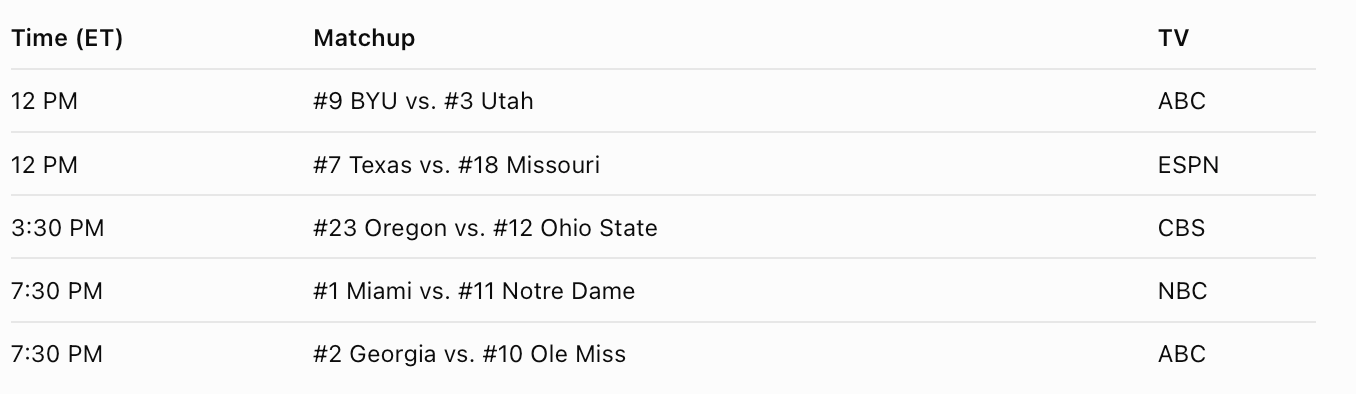
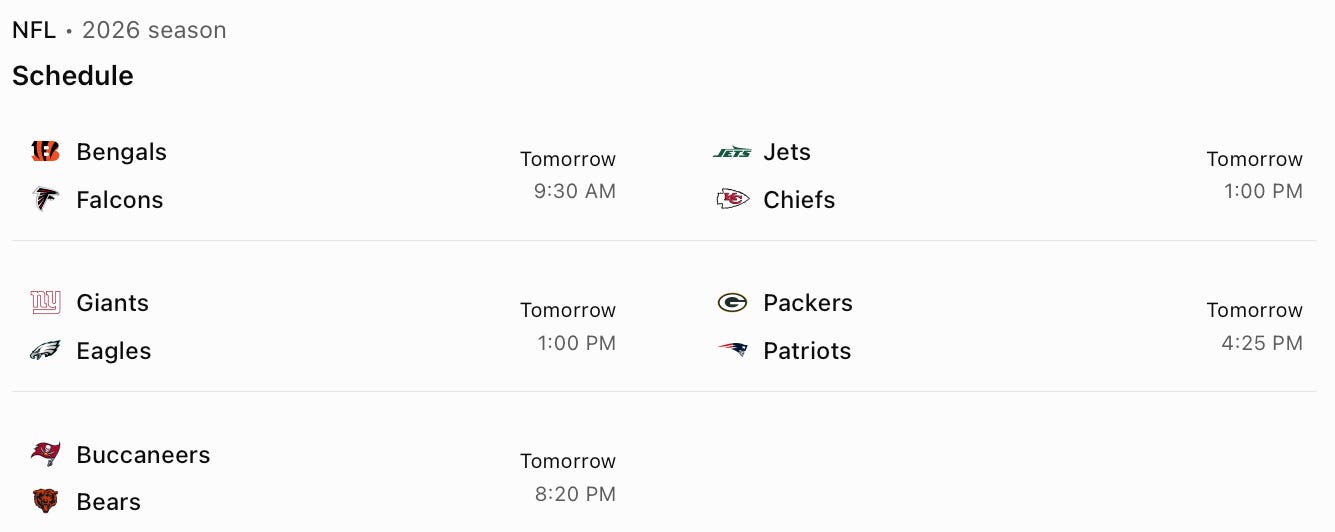
More games worth watching this weekend:
Saturday, November 7 — College football
Sunday, November 8 — NFL highlights
Other sports to keep an eye on
NBA: Orlando Magic vs. Golden State Warriors on Saturday at 8:30 PM ET; Lakers vs. Pistons on Sunday at 6 PM ET.
NHL: Rangers vs. Kraken on Saturday; Canadiens vs. Maple Leafs on Sunday.
Soccer: Premier League fixtures, MLS Cup playoffs and NWSL playoff action.
College basketball: The new season continues, including Arkansas vs. Virginia on Sunday at 1 PM ET on ESPN.