

Introduction: A changing landscape in soccer ownership
Over the past decade, professional soccer has become an increasingly attractive investment opportunity for wealthy individuals, private equity firms, institutional investors, and international investment groups. Major League Soccer has experienced significant franchise valuation growth, while English Premier League clubs have attracted substantial capital thanks to their global broadcasting reach, commercial strength, and international fan bases.
However, recent developments suggest that the soccer investment market may be entering a new phase. Rather than focusing exclusively on acquiring clubs and benefiting from rising valuations, some owners are beginning to reassess their investments, explore opportunities to sell, or seek additional capital to finance future growth.
Several developments stand out:
November 9: CF Montréal, with an estimated valuation of $440 million, announced a formal sales process after more than three decades of Saputo family ownership.
November 12: Reports suggested that as many as eight Premier League clubs were seeking investment or open to offers.
November 13: The San Jose Earthquakes announced an ownership agreement reportedly valued at $625 million, including PayPal Park.
October 2026: Everton and Crystal Palace were linked to potential ownership transactions, with reported asking prices or valuations of approximately £800 million and £900 million, respectively.
These developments are particularly interesting because professional soccer continues to attract investor interest, especially in North America following the 2026 FIFA World Cup. The central question is therefore not necessarily whether investors are losing confidence in soccer, but whether they are becoming more selective about valuations, financial returns, and the capital required to operate competitive clubs.
For the sports technology industry, as well as the performance, medical, and sports science departments working inside professional clubs, these ownership changes could have important consequences. New investors may introduce different spending priorities, demand measurable returns on technology investments, reorganize departments, or accelerate the adoption of AI, analytics, and integrated performance systems.
This analysis examines the latest ownership developments, the financial forces behind them, which clubs could be next, and the potential implications for teams, investors, and sports-tech companies.
Recent soccer clubs for sale and the rationale behind their decisions
Recent soccer ownership activity includes full-club sales, controlling-stake acquisitions, minority investments, and shareholder restructurings. These transactions should not be treated as equivalent, since owners seeking additional capital do not necessarily intend to exit their investments.
San Jose Earthquakes (MLS)
Confirmed Ownership Sale at a Reported $625 Million Valuation
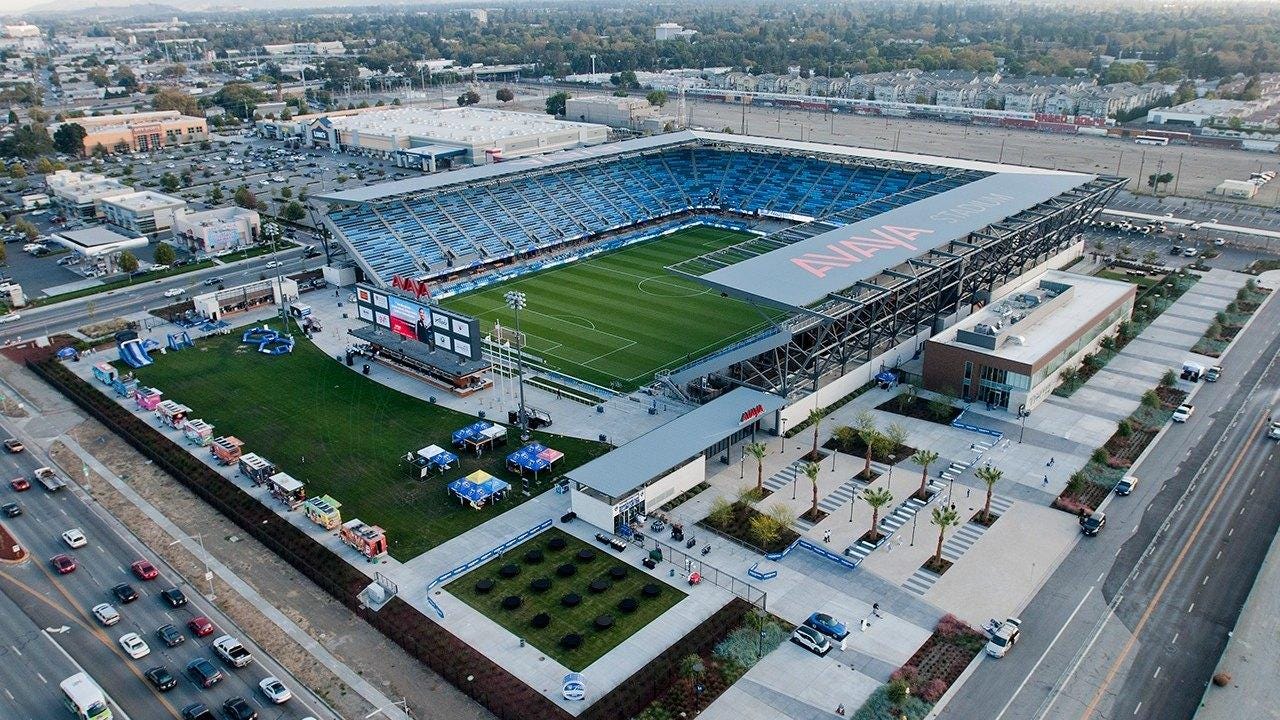
PayPal Park — San Jose, California
On November 13, 2026, the San Jose Earthquakes officially announced that sports, media, and investment executive Heath Freeman had reached an agreement to acquire the club and its home stadium, PayPal Park, from longtime owner John Fisher and partners.
The transaction carries a reported enterprise valuation of approximately $625 million, although the club has not officially disclosed the financial terms. Major League Soccer’s Board of Governors unanimously approved the ownership transfer, with the transaction expected to close in the coming weeks.
Freeman is a founding member and president of Alden Global Capital and has extensive experience across media, sports, and real estate. His existing sports investments include the Florida Freedom professional bull-riding team and leadership of the AVP professional beach volleyball organization.
Fisher originally acquired the Earthquakes alongside Lew Wolff in 2007, when the ownership group paid a $20 million MLS expansion fee to bring the franchise back to San Jose. Nearly two decades later, the reported $625 million transaction illustrates the significant appreciation of MLS franchise assets, although the figures are not directly comparable because the current transaction also includes PayPal Park.
Potential reasons behind the sale:
Capital allocation: Fisher is also financing the Athletics’ relocation to Las Vegas, including a new ballpark project estimated at approximately $2 billion. Selling the Earthquakes could provide additional financial flexibility.
Investment returns: After nearly 20 years of ownership, Fisher has an opportunity to realize substantial value from the growth of MLS and the San Jose franchise.
Portfolio strategy: The sale allows Fisher to concentrate more resources on his remaining sports investments, particularly the Athletics.
New ownership ambitions: Freeman has publicly expressed his commitment to investing in the Earthquakes, improving competitiveness, and strengthening the club’s relationship with the Bay Area community.
These are potential financial and strategic considerations rather than officially confirmed reasons for Fisher’s decision.
Upside Take:
The San Jose Earthquakes transaction is another important indicator of the growing investment appeal of professional soccer in North America. The reported $625 million valuation demonstrates how MLS franchises have evolved into substantial sports business assets.
The ownership change could also create opportunities for additional investment in player development, sports science, athlete performance, medical infrastructure, and technology adoption, although no specific new spending commitments in these areas have been announced.
More broadly, the transaction reinforces a trend across professional sports: ownership changes are not necessarily driven by financial distress or poor sporting results. They can also reflect portfolio reallocation, long-term investment returns, and the arrival of investors with new ambitions for a club’s commercial and sporting development.
CF Montréal (MLS)
Estimated club valuation: $440 million (Forbes 2026). No confirmed asking price.
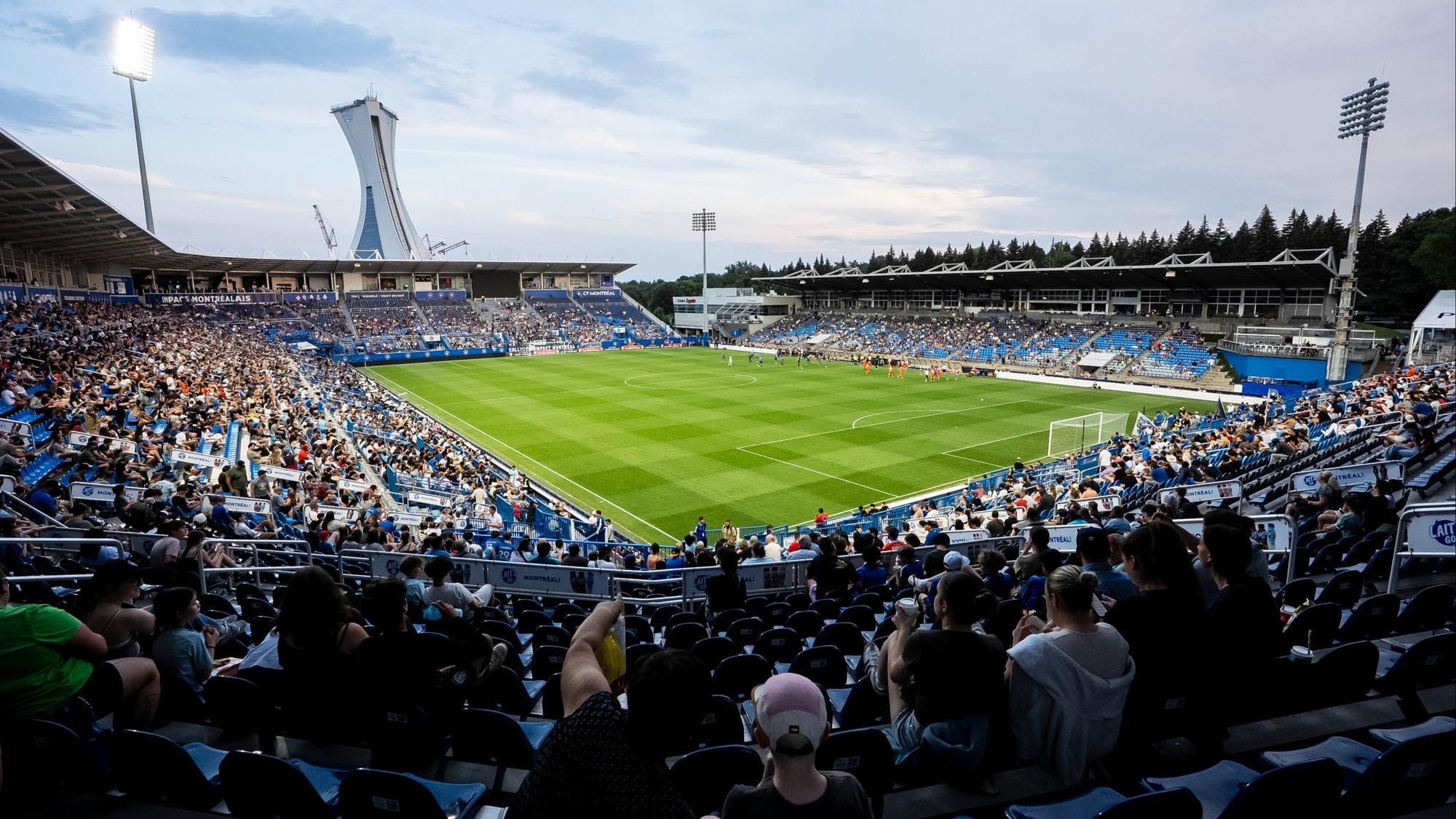
Stade Saputo — Montréal, Québec
On November 9, CF Montréal chairman Joey Saputo announced a formal sales process, potentially ending more than three decades of family ownership. The club appointed BMO Capital Markets and National Bank of Canada Capital Markets to advise on the transaction, with a preference for investors committed to maintaining the club’s long-term presence in Montréal.
Key factors behind the ownership transition:
Succession planning: The Saputo family is exploring the next chapter of the club’s ownership.
Long-term investment: Future owners will need sufficient resources to support sporting and commercial development.
Infrastructure: Stadium and training facility requirements could influence the investment proposition.
Competitive positioning: Prospective buyers will evaluate the resources required to compete effectively in MLS.
Although the sales process followed a difficult sporting period, Saputo indicated that the decision was not driven by immediate financial concerns or results. The situation instead highlights the challenges associated with transitioning a family-owned organization to investors capable of supporting its next phase of development.
Vancouver Whitecaps (MLS)
Estimated club valuation: $445 million (Forbes 2026). No confirmed asking price.
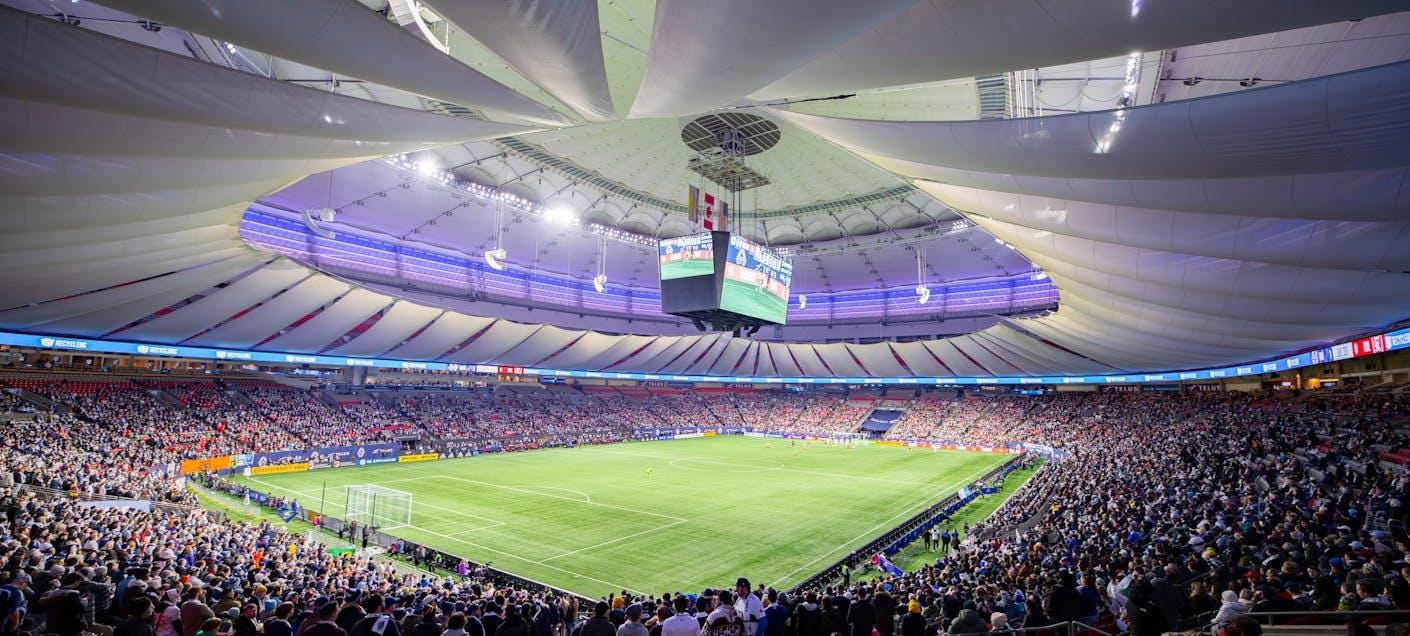
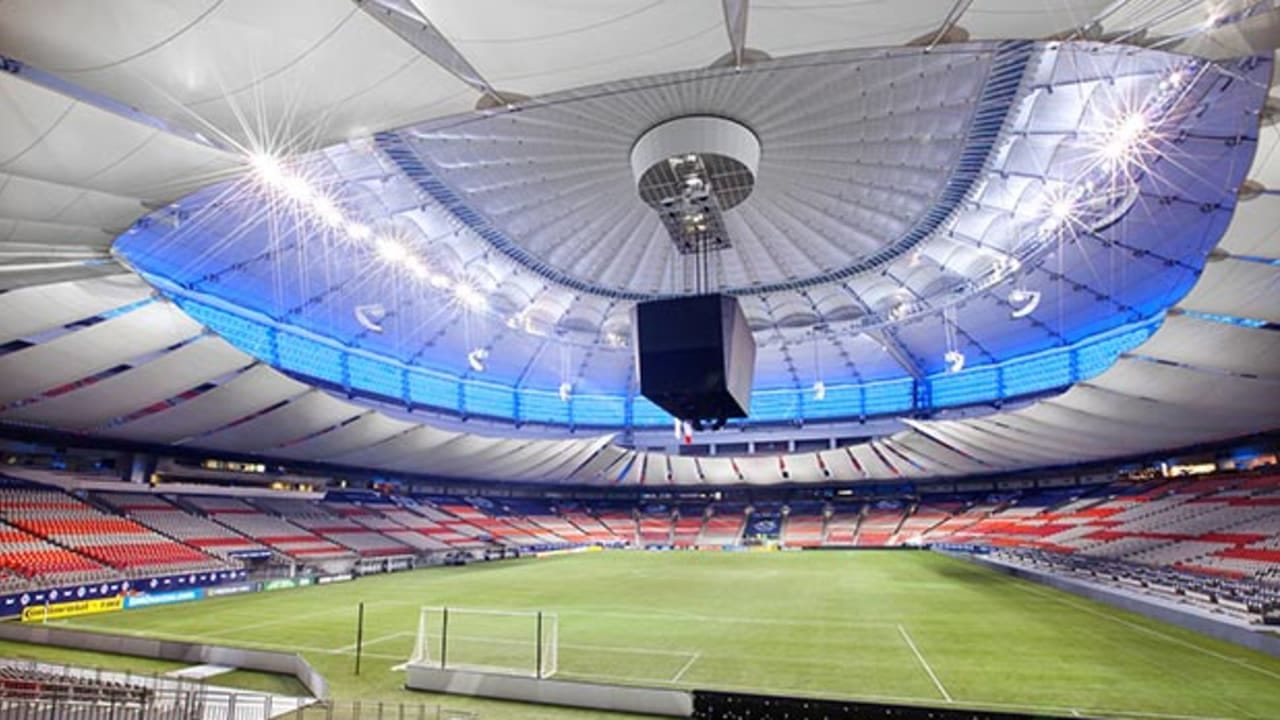
BC Place — Vancouver, British Columbia
The Vancouver Whitecaps represent another important MLS ownership situation, with the club’s owners having explored a sale amid questions surrounding its long-term commercial and infrastructure strategy.
Key considerations for potential buyers:
Stadium economics: The club plays at BC Place, which it does not own.
Commercial growth: Sponsorship, hospitality, and matchday revenues will influence future returns.
Infrastructure investment: Training facilities and long-term stadium arrangements may require additional capital.
Market potential: Vancouver offers access to a major Canadian sports market.
With an estimated valuation of $445 million, the Whitecaps illustrate why MLS franchise values cannot be evaluated solely through league-wide growth. Venue control, local commercial opportunities, and future capital requirements remain important considerations for investors.
Everton (EPL)
Reported potential asking price: approximately £800 million, including debt.
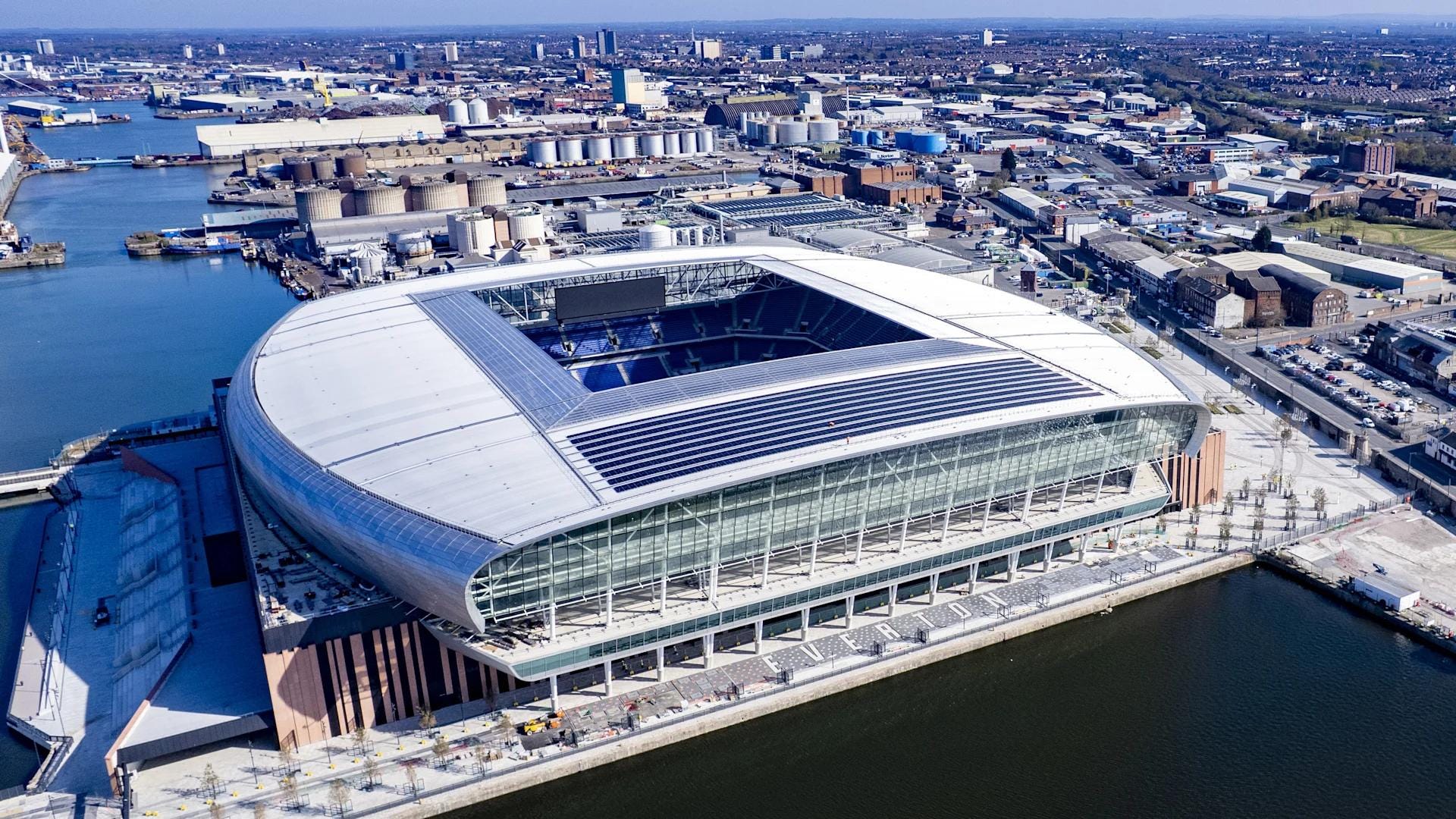
Hill Dickinson Stadium — Liverpool, England
Everton provides one of the more intriguing examples of changing ownership dynamics in European soccer because reports of a potential transaction emerged less than two years after The Friedkin Group acquired the club in December 2024.
In October 2026, reports indicated that the ownership group was exploring additional investment, including the possibility of selling a controlling interest, with a potential transaction value of approximately £800 million, reportedly including around £380 million in long-term debt.
Potential reasons for exploring a transaction:
Stadium development: Everton’s move into Hill Dickinson Stadium has transformed its commercial infrastructure.
Financial restructuring: Improvements in the club’s financial position could make it more attractive to investors.
Multi-club ownership: The Friedkin Group’s ownership of AS Roma creates additional regulatory and strategic considerations.
Capital allocation: The owners may wish to redirect resources toward other investments.
Everton illustrates how investors may acquire a financially challenged club, improve its operating position, and subsequently explore opportunities to realize value. However, another ownership transition could create uncertainty around recruitment, sporting strategy, and departmental budgets.
Crystal Palace (EPL)
Reported valuation sought: approximately £900 million.
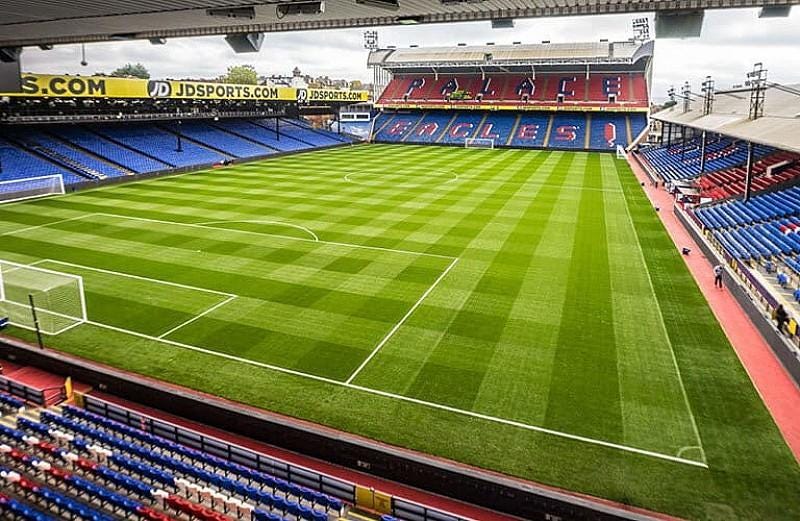
Selhurst Park — London, England
Crystal Palace’s owners have reportedly explored outside investment or a potential sale, with a valuation around £900 million discussed in recent reporting. The club’s London location, Premier League membership, and commercial development opportunities make it an attractive asset for prospective investors.
Key factors influencing potential investment:
Stadium expansion: Planned improvements to Selhurst Park require capital.
Rising valuations: Existing shareholders may see an opportunity to realize some of their investment.
Commercial potential: The club benefits from its location in one of the world’s largest soccer markets.
Ownership flexibility: A minority investment could provide capital without requiring a complete sale.
The reported valuation is notable compared with the approximately £190 million paid for a reported 43% minority stakein 2025, although differences in transaction structure and ownership rights limit direct comparisons.
Crystal Palace demonstrates that owners seeking additional capital are not necessarily planning to sell their entire club. Minority investments and strategic partnerships may become increasingly common as teams look for ways to finance infrastructure and commercial expansion.
Tottenham Hotspur (EPL)
Current selling price: No confirmed asking price or active sales process.
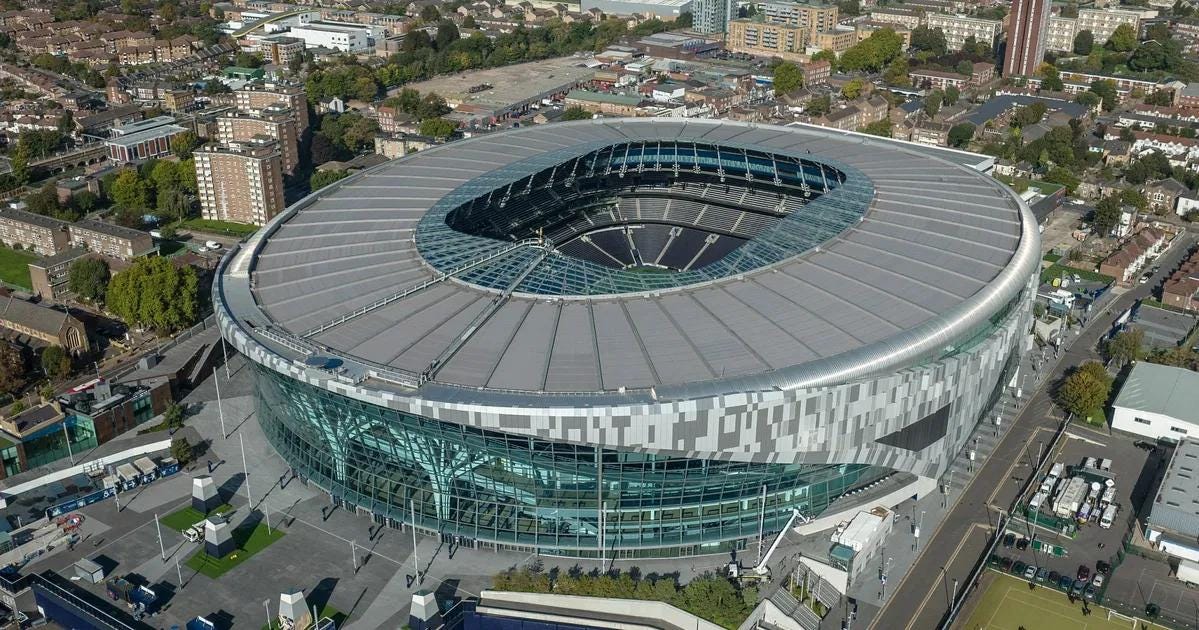
Tottenham Hotspur Stadium — London, England
Tottenham is frequently discussed as an attractive potential acquisition target because of its modern stadium, London location, international fan base, and commercial infrastructure.
Factors that could attract investors:
A modern stadium capable of generating substantial non-matchday revenue.
A globally recognized Premier League brand.
Significant commercial and sponsorship opportunities.
Access to the London sports and entertainment market.
However, these characteristics do not establish that Tottenham’s owners intend to sell. The club should therefore be viewed as a potential future investment target rather than an organization with a confirmed active sales process.
Is this trend likely to continue?
The recent ownership activity across MLS and the Premier League suggests that soccer clubs will remain important acquisition and investment targets over the coming years. However, the structure and rationale behind future transactions may evolve as investors place greater emphasis on financial sustainability, operational efficiency, and capital requirements.
Several factors could support continued ownership activity.
A. Rising valuations are encouraging owners to cash out
Owners who acquired clubs 10–20 years ago may now hold assets worth substantially more than their original investments. The reported $625 million San Jose Earthquakes transaction illustrates how established MLS franchises can become valuable assets within broader investment portfolios.
For long-term owners, selling a club may represent a logical financial decision, particularly when other investments require substantial capital. However, higher acquisition prices also create challenges for buyers because future returns become increasingly dependent on commercial revenue growth and improvements in profitability.
B. Operating costs continue to increase
Professional soccer clubs generate revenue through broadcasting, sponsorships, ticket sales, merchandise, and commercial partnerships, but they also face significant expenses.
Major cost drivers include:
Player salaries and transfer fees.
Stadium operations and infrastructure development.
Coaching, performance, medical, and sports science departments.
Academies and player-development programs.
Technology platforms, analytics, and administrative infrastructure.
In European soccer, competitive pressure can encourage clubs to reinvest additional revenue into player recruitment rather than improve operating margins. MLS operates under a different financial structure, but owners still face substantial investment requirements associated with facilities, staffing, and commercial development.
C. Stadium ownership is becoming increasingly important
Modern stadiums can generate revenue throughout the year through concerts, corporate events, premium hospitality, naming rights, and retail operations. Clubs that control their stadiums may therefore have greater flexibility in developing commercial opportunities than those operating under more restrictive leasing arrangements.
For prospective investors, stadium ownership can influence several important factors:
Matchday and non-matchday revenue potential.
Long-term infrastructure costs.
Commercial partnerships and hospitality opportunities.
Asset valuations and financing requirements.
The stadium situations involving Everton and Vancouver demonstrate why infrastructure can play a significant role in ownership decisions and investment valuations.
D. The 2026 FIFA World Cup could accelerate investment interest
The 2026 FIFA World Cup created additional international exposure for soccer in the United States, Canada, and Mexico, potentially strengthening the long-term commercial prospects of MLS and other North American soccer properties.
Potential benefits include increased sponsorship interest, fan acquisition, youth participation, international partnerships, and media exposure. However, these opportunities will only translate into sustainable revenue growth if clubs have the commercial infrastructure and organizational capabilities needed to capitalize on them.
E. Institutional investors are changing expectations
Traditional soccer ownership has often been influenced by sporting passion, community identity, prestige, and long-term legacy. Institutional investors may approach clubs with greater emphasis on financial performance, governance, operating efficiency, and potential exit opportunities.
This could lead to:
Greater scrutiny of operating budgets and departmental expenses.
More sophisticated financial reporting and performance measurement.
Increased use of analytics and technology to improve efficiency.
Greater emphasis on long-term commercial revenue growth.
Although stronger financial discipline can benefit clubs, tensions may emerge when short-term financial objectives conflict with sporting investment and organizational stability.
F. Multi-club ownership is creating additional complexity
Multi-club ownership structures allow investors to share scouting resources, analytics infrastructure, commercial relationships, and player-development systems across organizations. However, these arrangements can create regulatory complications, particularly when clubs under common ownership qualify for the same European competitions.
As governing bodies continue to scrutinize ownership structures, some investors may be encouraged to restructure their portfolios, sell minority interests, or reconsider their involvement in particular clubs.
Upside’s outlook: Professional soccer will likely remain attractive to investors, but future transactions may reflect a more selective approach to valuations and financial performance. Buyers will increasingly evaluate commercial opportunities, infrastructure requirements, operational efficiency, and the capital needed to achieve sustainable growth.
Which soccer clubs could be next to go up for sale?
Beyond the recent ownership developments involving San Jose, CF Montréal, Everton, and Crystal Palace, another important question is which MLS and European soccer clubs could attract new owners or investors over the next 12–24 months.
Although predicting future sales is inherently uncertain, several clubs warrant attention because of existing investment discussions, ownership structures, or the financial requirements associated with their future development.
Clubs to watch between November 2026 and 2028
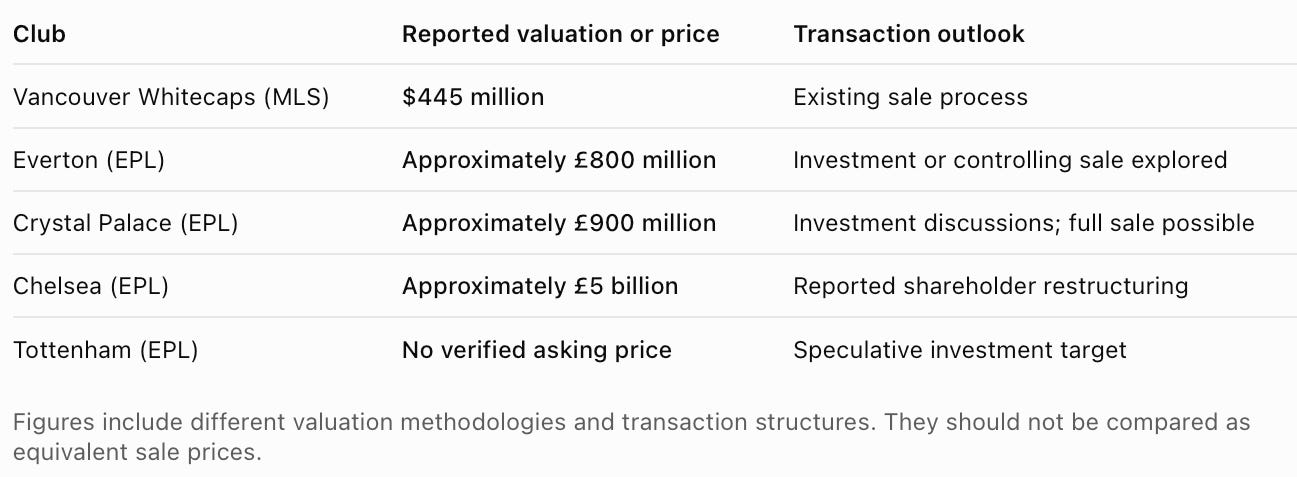
Vancouver Whitecaps: One of the clearest MLS transaction candidates
Estimated valuation: $445 million.
Vancouver remains one of the more credible potential ownership transactions because its existing owners have already explored selling the club. For prospective investors, the opportunity involves acquiring an established organization in a major Canadian market, although the club’s stadium arrangements and future infrastructure requirements could influence negotiations.
A new ownership group may prioritize:
Improving stadium and commercial economics.
Expanding sponsorship and hospitality revenue.
Investing in training facilities and player development.
Strengthening long-term financial sustainability.
The Whitecaps’ stadium is pictured in Section 2, alongside the club’s ownership analysis.
Everton and Crystal Palace: Two EPL situations to monitor
Everton: Approximately £800 million reported potential asking price, including debt.
Crystal Palace: Approximately £900 million reported valuation sought.
Both clubs have been linked to potential investment or ownership transactions, although their circumstances differ. Everton’s situation involves a relatively recent acquisition, a new stadium, and broader ownership portfolio considerations, while Crystal Palace’s investment discussions are closely connected to rising valuations and infrastructure financing requirements.
Their respective stadium photographs and transaction details appear in Section 2.
Chelsea: Could shareholder consolidation trigger a major transaction?
Reported valuation: approximately £5 billion.
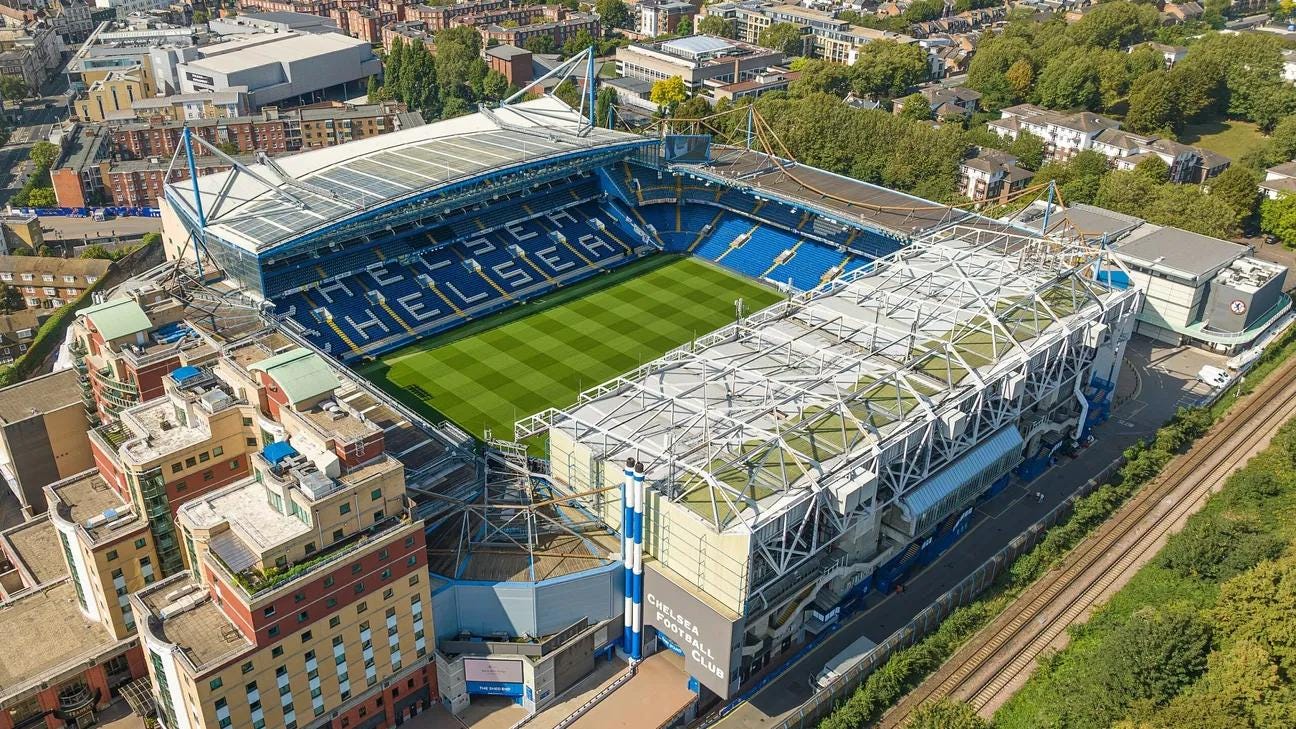
Stamford Bridge — London, England
Chelsea represents a different type of potential ownership change because recent reports have focused on the possibility of existing shareholders restructuring their interests rather than selling the entire club to an outside investor.
In September 2026, reports suggested that Clearlake Capital was considering acquiring the interests of fellow shareholders Todd Boehly and Mark Walter in a transaction that could value Chelsea at approximately £5 billion.
Such a transaction could significantly change ownership and decision-making authority without necessarily resulting in a conventional full-club sale, illustrating how future soccer investment activity may involve shareholder buyouts and ownership consolidation rather than straightforward acquisitions.
Tottenham: An attractive investment target, but no confirmed sale
Current asking price: Not available.
Tottenham’s modern stadium, London location, international brand, and commercial infrastructure make it an attractive potential investment target. However, there is no confirmed active sales process, and the club should therefore remain on a speculative watchlist rather than be presented as formally for sale.
The Tottenham Hotspur Stadium photograph appears in Section 2.
Could other MLS clubs follow?
MLS owners face growing expectations regarding stadium development, training infrastructure, commercial expansion, and the quality of sporting operations. As franchise valuations rise, some ownership groups may eventually decide to realize gains, bring in minority investors, or redirect capital toward other opportunities.
The strongest indicators of potential future sales will include:
Formal sales processes or advisory appointments.
Publicly disclosed investment discussions.
Ownership succession planning.
Significant infrastructure financing requirements.
Confirmed willingness by shareholders to consider offers.
The next 12–24 months could therefore bring more minority investments, staged acquisitions, shareholder restructurings, and strategic partnerships rather than a rapid succession of full-club takeovers.
Potential impact on performance, medical, and sports science departments
One of the most overlooked consequences of soccer club ownership changes concerns the departments responsible for athlete health, performance, rehabilitation, and long-term player development. While public discussion typically focuses on transfer budgets, stadium investments, and the ambitions of incoming owners, ownership transitions can also have substantial consequences for medical directors, heads of performance, sports scientists, physiotherapists, athletic trainers, rehabilitation specialists, and strength and conditioning coaches.
These departments represent an increasingly important part of a club’s sporting infrastructure, particularly as player salaries and transfer valuations continue to rise. Maintaining athlete availability, supporting effective rehabilitation, and improving operational efficiency can have meaningful sporting and financial implications.

A. Greater pressure to demonstrate return on investment
New owners may introduce more rigorous financial oversight across sporting departments, including requests for clearer evidence that investments in staff, equipment, and technology deliver measurable benefits.
Potential performance indicators include:
Player availability and time-loss injuries.
Rehabilitation outcomes and injury recurrence.
Staff productivity and operational efficiency.
Technology utilization and integration.
Long-term player development.
However, measuring the financial return on sports science and medical investments is considerably more complicated than evaluating commercial activities. Injury rates are influenced by numerous factors, while rehabilitation timelines must reflect clinical considerations rather than financial targets.
B. Potential restructuring of departments
Incoming ownership groups may review organizational structures and consider whether performance, rehabilitation, medical, and sports science functions should operate within more integrated departments.
Potential changes include:
Consolidation of overlapping administrative functions.
Greater coordination between medical and performance teams.
Centralization of technology procurement.
Changes in departmental leadership and reporting structures.
Although restructuring can improve collaboration and efficiency, poorly managed transitions may disrupt established workflows and create uncertainty among staff responsible for athlete care.
C. Greater adoption of AI and integrated performance technologies
Professional soccer clubs increasingly rely on GPS tracking, force plates, motion capture, athlete management systems, medical records, video analysis, and recovery monitoring. However, many organizations still struggle with fragmented data and workflows requiring staff to move between multiple systems.
New owners may prioritize technology investments that:
Connect existing performance and medical platforms.
Reduce manual data collection and administrative work.
Improve communication between departments.
Support athlete monitoring and rehabilitation planning.
Provide clearer reporting for sporting leadership.
Artificial intelligence could help staff organize information, identify relevant trends, and summarize athlete data, provided these applications are implemented with appropriate privacy protections, security, and human oversight.
D. Changes in technology procurement and vendor relationships
New owners may review existing technology contracts to determine whether individual products provide sufficient value, whether platforms overlap, and whether procurement decisions align with the club’s broader strategy.
This could create opportunities for startups offering interoperable solutions with credible evidence of effectiveness, while creating challenges for vendors relying primarily on long-standing relationships without clearly demonstrated benefits.
E. Risks to staff continuity and player care
Medical and performance departments depend on detailed knowledge of athletes, established communication processes, and long-term relationships between players and practitioners. Frequent leadership changes or poorly planned restructuring can disrupt rehabilitation programs and weaken collaboration.
Incoming owners should therefore preserve essential clinical functions, document existing workflows, and involve department leaders in transition planning to minimize unnecessary disruption.
F. Greater emphasis on academies and player development
Owners seeking sustainable financial performance may place greater emphasis on developing players internally rather than relying exclusively on expensive transfers.
This could encourage additional investment in:
Academy coaching and player-development programs.
Sports science and performance monitoring.
Injury prevention and rehabilitation.
Strength and conditioning.
Integrated player-development analytics.
For clubs with limited transfer budgets, effective academies can provide sporting value while also creating potential financial benefits through player progression and future transfers.
Recommendations: How soccer clubs should prepare for ownership changes
Whether a club is actively for sale, exploring minority investment, or preparing for a possible acquisition, management should view the process as an opportunity to strengthen its operational foundations.
At Upside, we believe six priorities deserve particular attention.
1. Conduct a comprehensive operational and technology audit
Clubs should evaluate the technologies, services, and workflows currently used across performance, medical, scouting, coaching, and commercial departments.
The audit should identify:
Overlapping or underutilized technologies.
Unnecessary administrative processes.
Opportunities for integration.
Existing contractual commitments.
Areas where investment could improve efficiency.
This assessment can provide prospective investors with a clearer understanding of the organization’s strengths and weaknesses while helping management identify opportunities to deploy resources more effectively.
2. Protect investment in athlete health and performance
Medical and performance departments should be treated as essential components of the club’s sporting and financial strategy rather than simply administrative cost centers.
Investment decisions should prioritize athlete welfare, player availability, rehabilitation quality, and long-term squad development, while preserving clinical independence and evidence-based return-to-play decisions.
3. Prioritize technology integration over technology accumulation
Many clubs have invested in multiple technologies without creating an integrated infrastructure that allows departments to use information efficiently.
Rather than continually purchasing additional products, clubs should prioritize solutions that connect existing systems, improve communication, reduce duplication, and make relevant information more accessible to authorized practitioners.
4. Establish meaningful performance and financial KPIs
Clubs should develop reporting systems that connect sporting performance with operational and financial objectives.
Relevant indicators could include:
Player availability and rehabilitation outcomes.
Academy progression.
Staff efficiency.
Sponsorship performance.
Stadium utilization.
Commercial revenue growth.
These indicators should support better decisions and continuous improvement rather than encourage departments to pursue numerical targets at the expense of athlete welfare.
5. Preserve institutional knowledge during ownership transitions
Experienced staff possess valuable knowledge about athletes, organizational culture, operational processes, and historical decisions. Losing this knowledge during a poorly managed transition can create disruption and require substantial time to rebuild established relationships.
Clubs should document essential processes, maintain continuity in athlete care, retain critical personnel where appropriate, and involve departmental leaders in transition planning.
6. Develop a long-term investment strategy
Successful ownership transitions require more than immediate financial restructuring or changes in sporting leadership. Clubs should establish a coordinated investment strategy covering the first team, academy, stadium, training facilities, technology infrastructure, and commercial operations.
The objective should be to balance short-term competitive ambitions with investments capable of generating sustainable value over multiple seasons.
What does this mean for sports-tech startups?
The ownership changes taking place across MLS and European soccer could create meaningful opportunities for sports-tech companies, although they should not automatically be interpreted as a signal that clubs will increase technology spending.
Some new owners may allocate additional resources toward modernization, AI, data analytics, and performance infrastructure, while others may seek to consolidate existing vendors and reduce unnecessary expenses.
For startups selling into professional soccer, four priorities will become increasingly important:
Demonstrate measurable value: Explain how the solution improves a specific workflow or outcome rather than relying on a long list of features.
Integrate with existing systems: Clubs may increasingly prefer solutions that connect with their existing technology infrastructure.
Understand the buyer: Medical directors, heads of sports science, sporting directors, and CFOs evaluate technology investments differently.
Simplify implementation: Limited staff time, complex procurement processes, and ownership transitions can slow technology adoption.
Interoperability will become particularly important as clubs seek to connect athlete management systems, GPS platforms, biomechanics tools, medical information, and video analysis within coordinated environments.
Sports-tech companies should also recognize that ownership transitions can temporarily delay purchasing decisions, particularly when budgets, departmental responsibilities, or procurement procedures are under review.
From Upside’s perspective, this environment reinforces the importance of independent technology scouting, evidence-based product evaluation, and workflow analysis. Clubs that understand their operational requirements before purchasing technology will be better positioned to select solutions that create lasting value.
Conclusion: Is the soccer investment boom entering a new phase?
The recent ownership developments involving San Jose Earthquakes, CF Montréal, Vancouver Whitecaps, Everton, Crystal Palace, and other professional soccer organizations suggest that the global soccer investment market is entering an important period of reassessment. Although these transactions involve different circumstances, they collectively highlight the growing importance of capital allocation, infrastructure investment, financial sustainability, and ownership strategy in a sport that has experienced substantial commercial growth over the past decade.
It would be premature to conclude that investors are abandoning professional soccer or that the industry’s long-term growth prospects have fundamentally weakened. Instead, the market appears to be evolving toward a more selective investment environment in which prospective buyers are paying closer attention to operating expenses, stadium economics, commercial opportunities, governance, and the capital required to support future development.
For long-term owners, rising valuations may create attractive opportunities to realize financial gains, particularly when other investments require substantial resources. For institutional investors, the next phase may involve greater scrutiny of acquisition prices, more sophisticated ownership structures, and a stronger emphasis on generating sustainable financial returns rather than relying primarily on future valuation increases.
These changes could also have important consequences for the people and technologies supporting professional soccer organizations. Performance and medical departments may face greater pressure to demonstrate their operational value, while sports-tech vendors could encounter more rigorous procurement processes and increased demand for integrated solutions capable of delivering measurable benefits.
However, ownership transitions also create opportunities to improve how clubs operate. Investors willing to strengthen medical infrastructure, support player development, modernize technology systems, and preserve institutional knowledge may be better positioned to build sustainable organizations capable of competing over the long term.
At Upside, we believe the next competitive advantage in professional soccer will come from combining disciplined investment decisions, operational excellence, and evidence-driven technology adoption. Clubs that successfully integrate these priorities will be better equipped to navigate changing ownership structures while maintaining the sporting performance and organizational stability required for long-term success.
Ultimately, the most important question is not simply who owns a professional soccer club or how much an investor is willing to pay for it. The more important question is whether that ownership group can turn its financial investment into a sustainable organization that delivers competitive success, commercial growth, and long-term value for its players, employees, supporters, and shareholders.
Sources and references
The following reporting supports the principal recent ownership developments discussed in the analysis:
San Jose Earthquakes — Official ownership announcement and the reported $625 million transaction value.
CF Montréal — Official sales process announcement and its estimated $440 million valuation.
Sky News — Everton explores new investment and a possible sale.
Off The Pitch — Premier League investment market and potential sales.
You may also like:

🏟️Upside Analysis: The New Owners of Professional Sports: How Private Equity and Investment Groups Are Transforming the Global Sports Industry

Upside Global | Investment & Sports Business Analysis | October 2026