
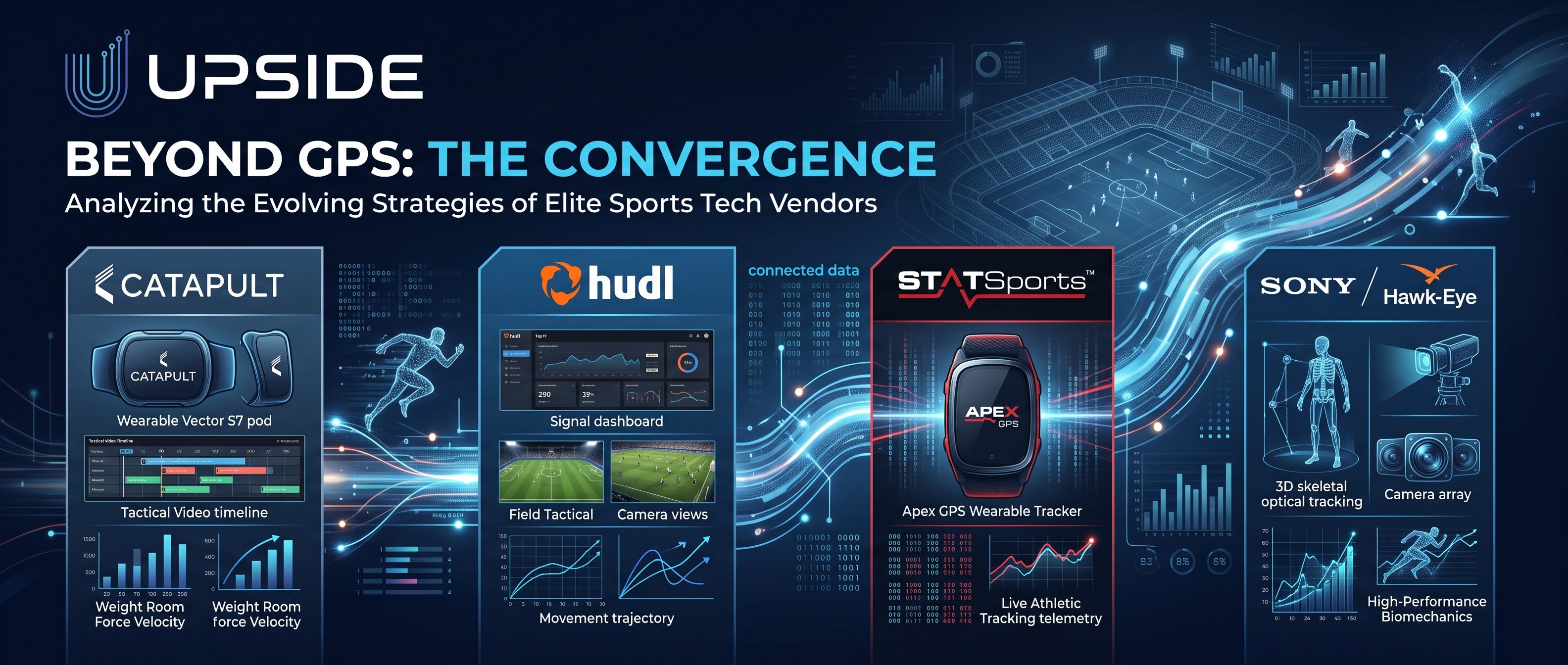
GPS has become a core tool in elite sports. It helps practitioners quantify running demands, design training sessions, monitor sprint exposure and assess whether an athlete returning from injury is progressing toward competition demands.
But its widespread adoption has also created a problem: a precise-looking dashboard can encourage more confidence than the underlying measurement deserves.
The challenge goes beyond accuracy. Even a perfectly measured running distance cannot tell a practitioner everything about an athlete’s mechanical workload, physiological response or readiness.
For teams, the next stage of athlete monitoring should therefore combine better measurement with a broader interpretation of what matters. For vendors, it means building products that connect movement, video, strength and physiological information into useful decisions.
1. Should We Trust GPS Data? Is It Still Relevant?
A 2014 validation study found that 10 Hz devices measured total distance with interunit typical error of 1.3%, while errors across the tested movement measures and devices ranged up to 19.9% as speed increased (1)
A 2025 study of Catapult Vector S8 reported accumulated-distance mean bias of −1.42% and between-device typical error below 3.13% across the tested variables. This was a specific protocol with 12 male sub-elite athletes (2)
A separate study comparing STATSports GPS with Second Spectrum optical tracking found optical estimates were, on average, 4% higher for total distance, 12% higher for high-speed running and 18% higher for sprint distance (3)
Where the challenges arise
GPS becomes harder to interpret during short explosive actions, sharp changes of direction and rapid acceleration or braking. Older experimental evidence demonstrated declining instantaneous-velocity accuracy as acceleration increased, illustrating why validation must match the movement being measured. (4)
Processing matters too. Filtering, speed thresholds and minimum effort duration can determine whether an action is recorded as a high-intensity effort. A systematic review found that these processing choices were frequently omitted from acceleration research, limiting reproducibility and comparison. [5]
Satellite visibility, venue conditions and device setup also affect data quality. Teams should distinguish measurement accuracy from consistency between units and from consistency across repeated sessions.
Trust it within its validated use
GPS remains relevant when practitioners understand its limits and use consistent methods.
Teams should keep device allocation and metric definitions stable where possible, document software changes, review signal quality and validate important measures in conditions resembling their own sport.
A small change in a noisy metric should not automatically trigger a training decision. Equally, a substantial and repeated change in a well-validated metric can be useful.
Most importantly, external workload describes the activity performed; it does not fully describe the athlete’s response to that activity. Two athletes can complete similar running volumes and experience very different physiological demands.
GPS should inform discussions about training and return to play alongside the athlete’s symptoms, clinical findings, strength, recovery and practitioner judgment.
2. What Other Technologies Are Relevant?
Optical tracking: movement with game context
Optical tracking can provide player and ball positions without requiring a body-worn device. Linking movement with footage helps analysts understand why a run happened: pressing an opponent, covering space, recovering defensively or responding to a tactical instruction.
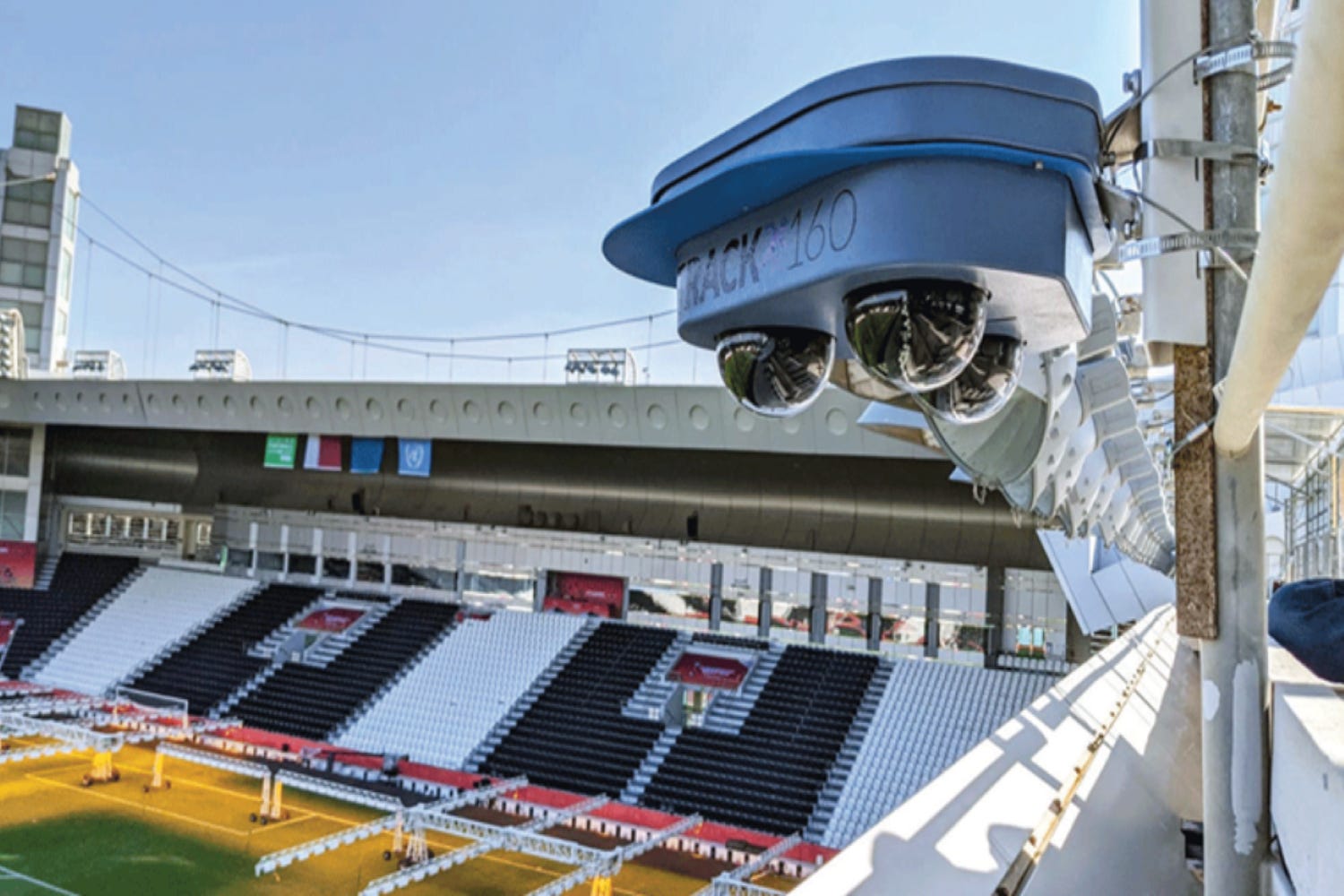
Markerless motion capture can add more detailed biomechanical information where the system has been validated for that application. It should not be assumed that every optical tracking platform measures joint mechanics accurately.
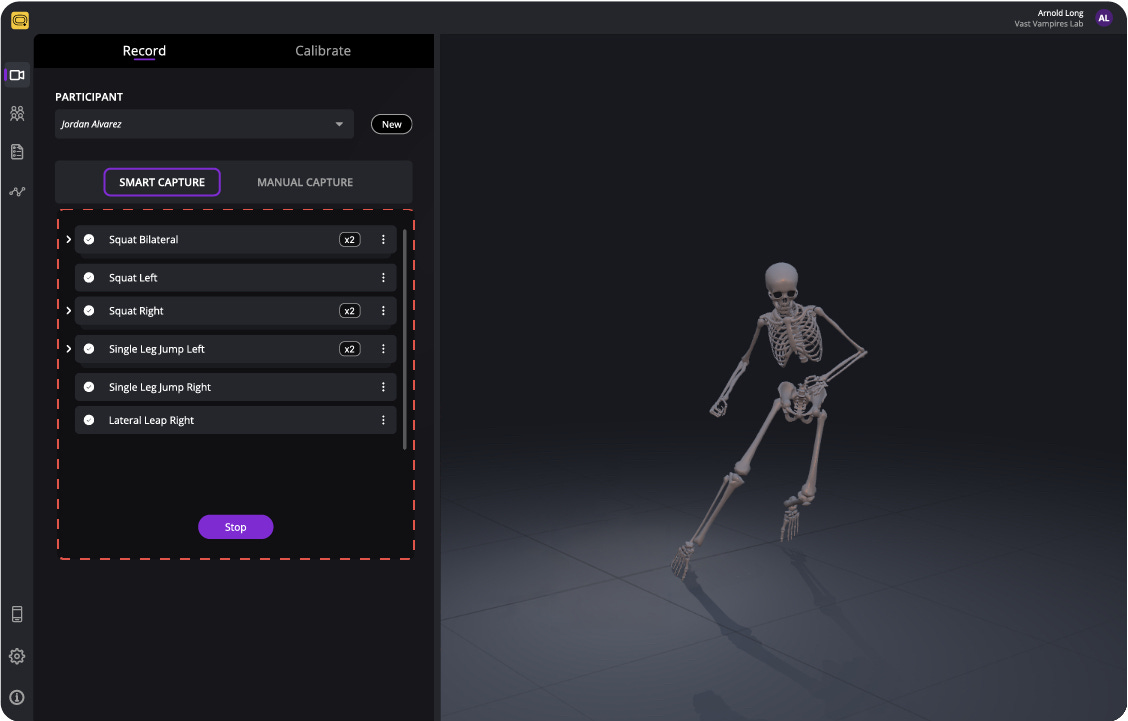
Picture: OnTraq’s 3D Markerless solution, by Qualisys
Optical systems also have limitations, including occlusion, identity errors, camera coverage and processing assumptions. GPS and optical data should not simply be combined into one historical dataset without checking agreement. Research comparing Catapult and Tracab in official matches found that the systems were not perfectly interchangeable, particularly for high-intensity measures. [6]
Their value is complementary: wearables offer continuity across training environments, while optical systems can add competition coverage and tactical context.
ADI: understanding how athletes move
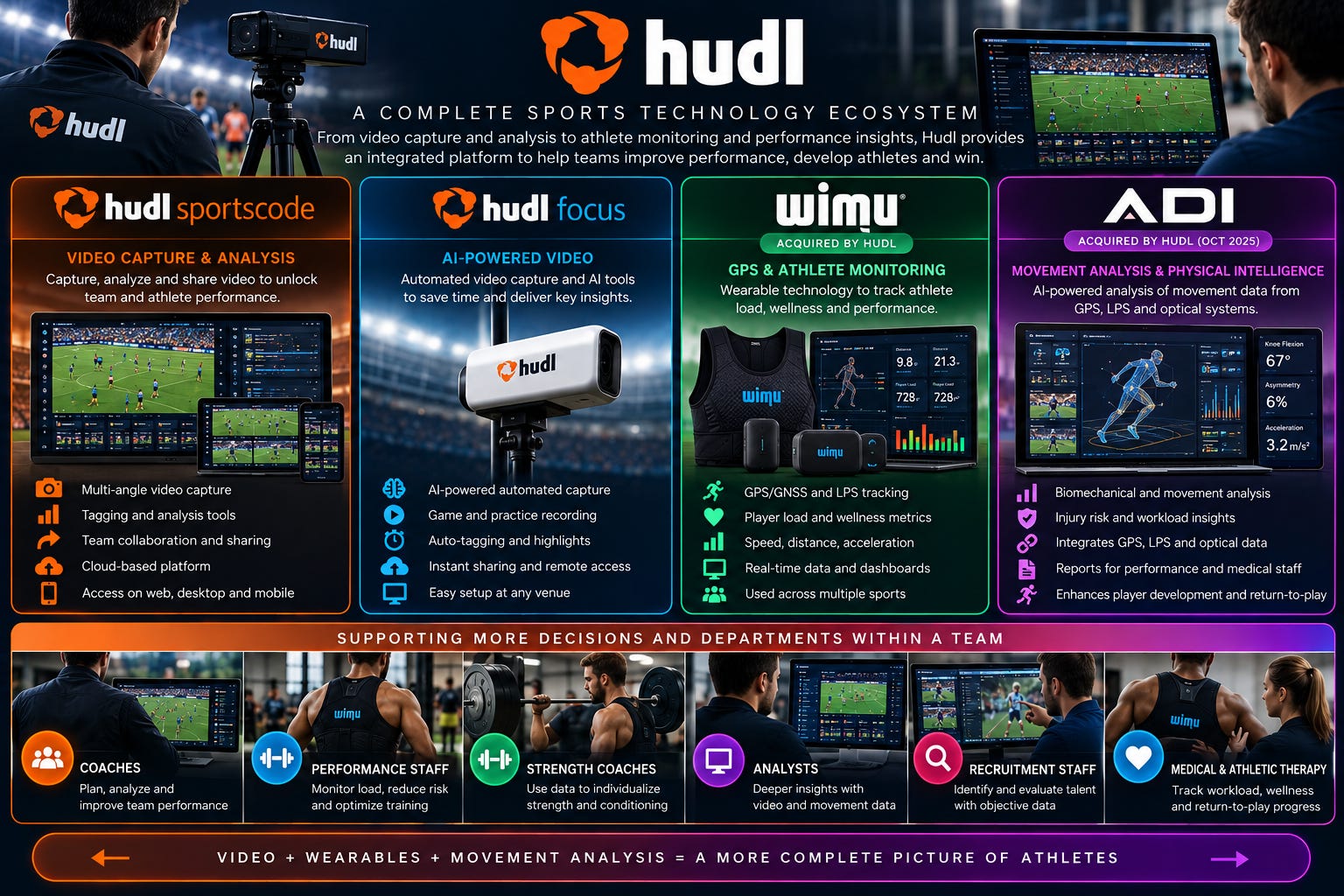
Athletic Data Innovations, acquired by Hudl in October 2025, represents a different part of the solution. It is an analysis platform that combines tracking data, including GPS and optical sources, rather than a replacement positioning sensor. [7]
Hudl announced ADI’s integration into Hudl Signal in July 2026. Its stated proposition is to analyze both speed-change and direction-change acceleration, extending analysis beyond linear movement metrics. [8]
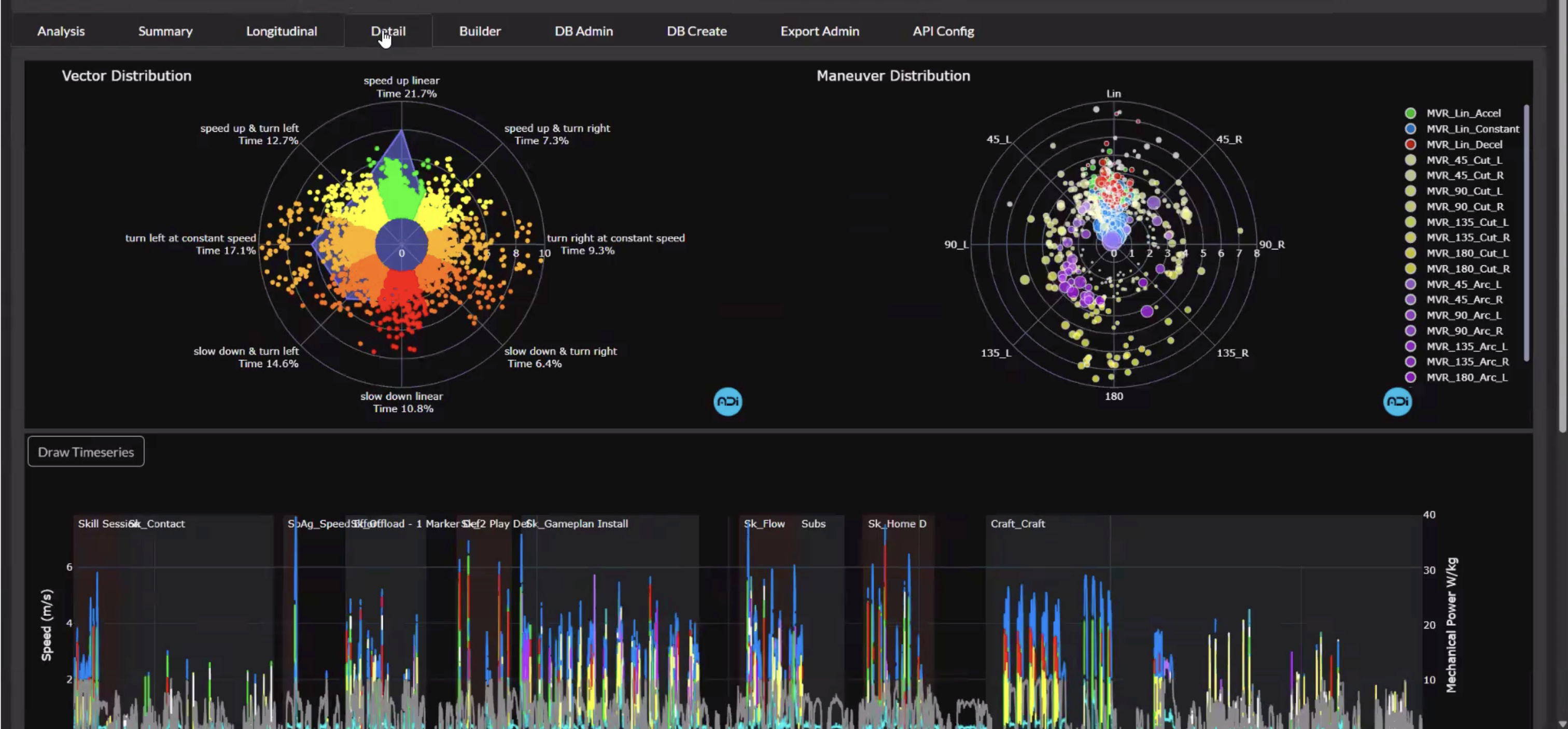
Picture: Hudle’s ADI integration
That distinction matters. An athlete can turn sharply while maintaining a similar speed. A metric focused only on changes in speed may fail to represent the demands of that action.
However, algorithm-derived movement metrics remain estimates. They do not directly measure tissue loading, and sophisticated processing cannot automatically repair poor source data. Teams should ask whether these metrics are independently validated and whether they improve decisions beyond existing measures.
Biomarkers: the athlete’s internal response
Biomarkers can add information about physiological response, recovery and health that position tracking cannot provide.
Blood-based measures such as creatine kinase can contribute to an athlete assessment, but interpretation requires individual baselines, standardized sampling and knowledge of recent training. Research highlights substantial confounding and limited applicability of isolated biomarkers for workload management. [9]
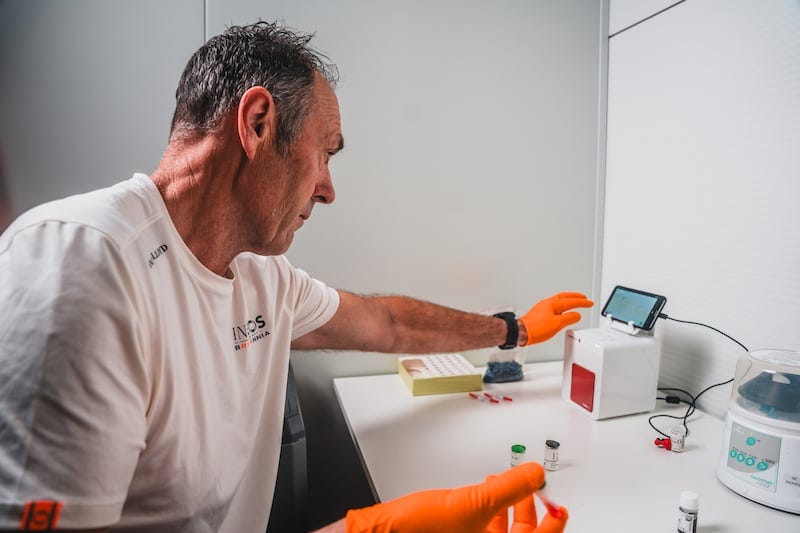
Picture: Orreco’s biomarker solution
Lactate testing can help assess metabolic responses to exercise. Continuous lactate sensing is a potentially useful future complement, but teams should require validation of the specific device, measurement compartment, lag and performance during real sporting conditions before treating it as equivalent to blood lactate.
Glucose measurements should likewise not be interpreted as a direct measure of fatigue or readiness.
The goal is to connect what the athlete did with how the athlete responded, while recognizing that no single biomarker supplies a complete answer.
Strength, neuromuscular and subjective measures
Force plates, velocity-based training tools, heart-rate monitoring, session RPE and athlete-reported wellness can add useful perspectives. Their value depends on reliable protocols and a clear connection to a decision.
A sensible monitoring program uses the smallest practical set of measures needed to answer its questions. More sensors can otherwise create more work without improving care or coaching.
3. Why Catapult and Sony/STATSports Are Broadening Their Portfolios
The strategic pressure is to solve a larger share of the practitioner’s workflow.
Running metrics alone cannot fully explain performance. Teams increasingly need to connect physical output with strength training, tactical actions, recruitment information and recovery.
Acquisitions can accelerate that expansion by bringing specialist technology, expertise and established customer relationships. But continued M&A is not inevitable: internal development and partnerships can also broaden a portfolio.
Catapult: beyond athlete tracking
Catapult’s acquisition of SBG Sports Software in 2021 expanded its video and data-analysis capabilities. Perch joined Catapult in June 2025, adding strength-training technology, and Catapult announced the IMPECT acquisition in October 2025, extending its football intelligence offering. [10–12]
The strategic logic is to serve more decisions and departments within a team: performance staff, strength coaches, analysts and recruitment personnel.
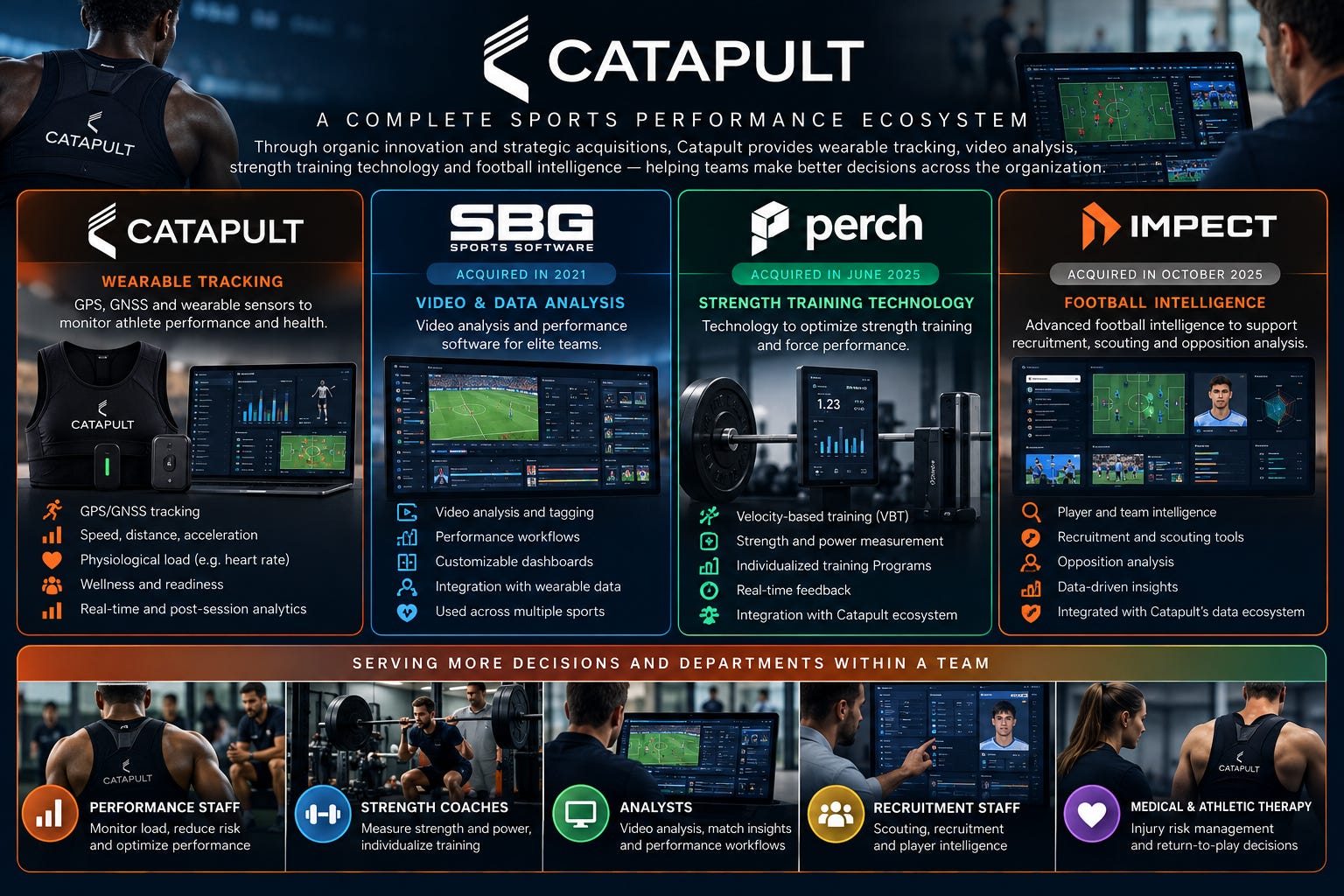
My view is that this reduces dependence on differentiation in wearable hardware alone. The opportunity is not just to collect more data, but to connect existing data to the moments when staff need to act.
Sony/STATSports: wearable and optical capabilities
Sony announced its majority acquisition of STATSports on October 8, 2025. Its announcement explicitly identified an opportunity to combine wearable tracking with the optical capabilities of Hawk-Eye and KinaTrax. [13]
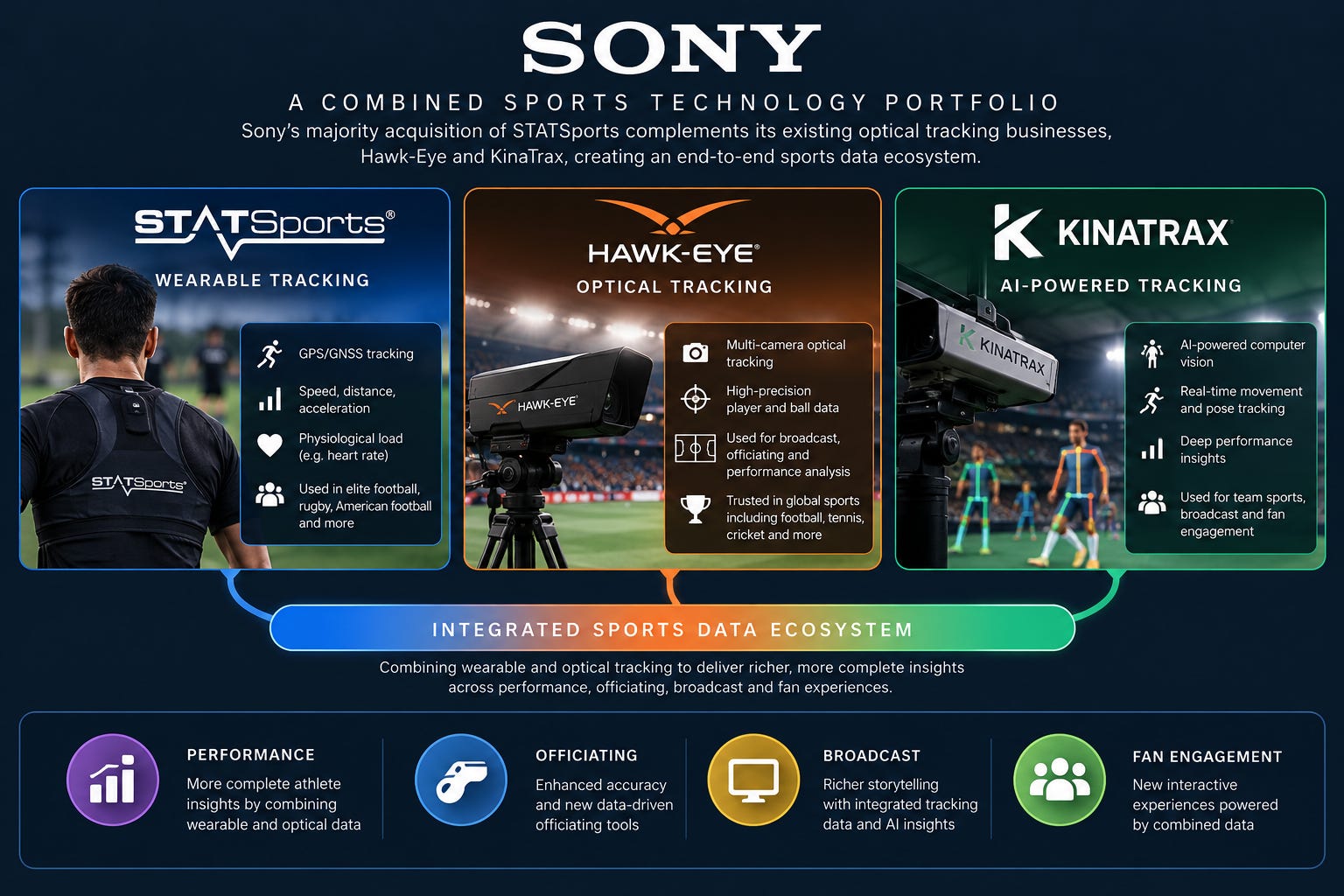
This gives Sony a foundation for connecting different measurement approaches. It does not, by itself, prove that every product already operates as one integrated performance platform.
Hudl is pursuing the same convergence
Hudl’s acquisition of ADI shows that video and analysis vendors are also moving deeper into athlete monitoring.
The competitive boundaries are becoming less distinct: wearable companies expand into video and analytics, while video companies expand into physical-performance interpretation.
Integration determines whether M&A creates value
A larger product portfolio can still leave practitioners managing separate logins, incompatible definitions and disconnected dashboards.
Acquisitions create practical value when vendors align athlete identities, timestamps, units and workflows while supporting usable APIs and data export.
Teams should judge integration by what staff can accomplish, how well they can integrate new technologies, rather than the number of acquired brands. Independent validation, support quality and data portability remain important purchasing criteria.
4. Comparing the Technology Stacks and Strategies
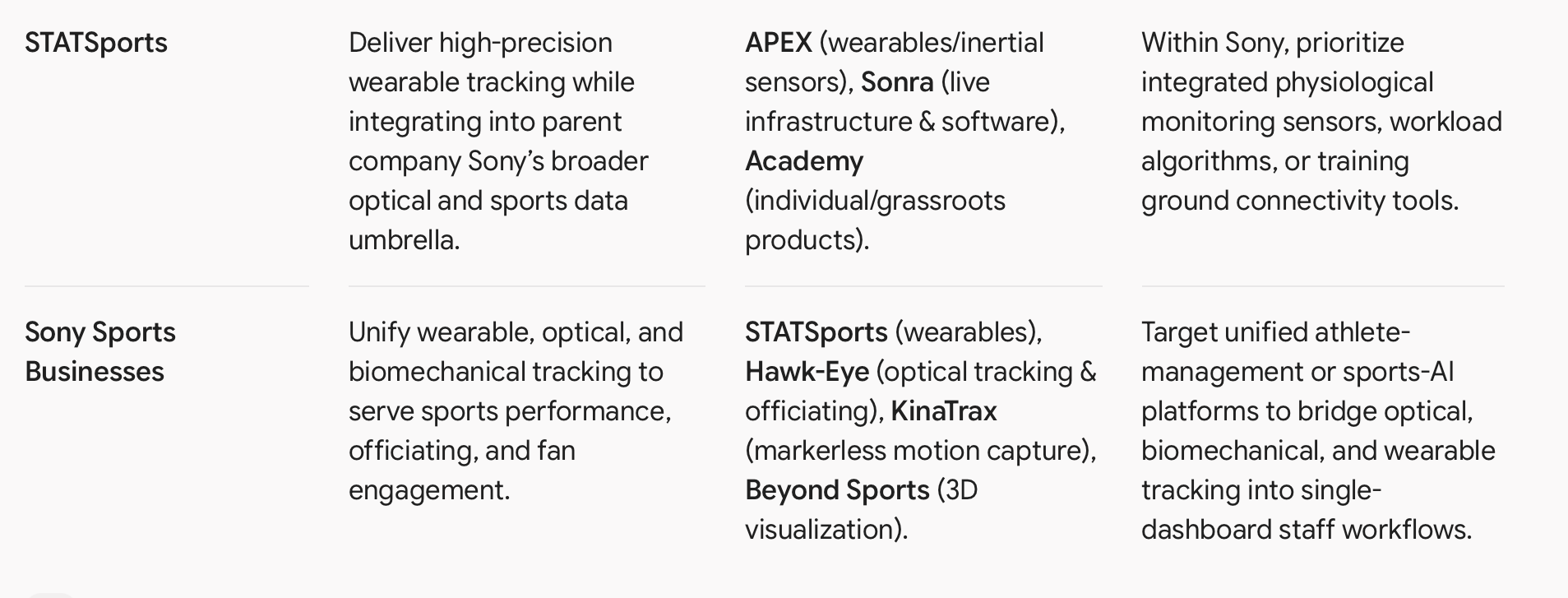
The comparison below reflects publicly described products as of October 2026. STATSports is shown separately to distinguish its wearable offering from Sony’s broader portfolio; Sony acquired a majority stake in STATSports in October 2025. Product ownership does not establish that every component is already integrated.
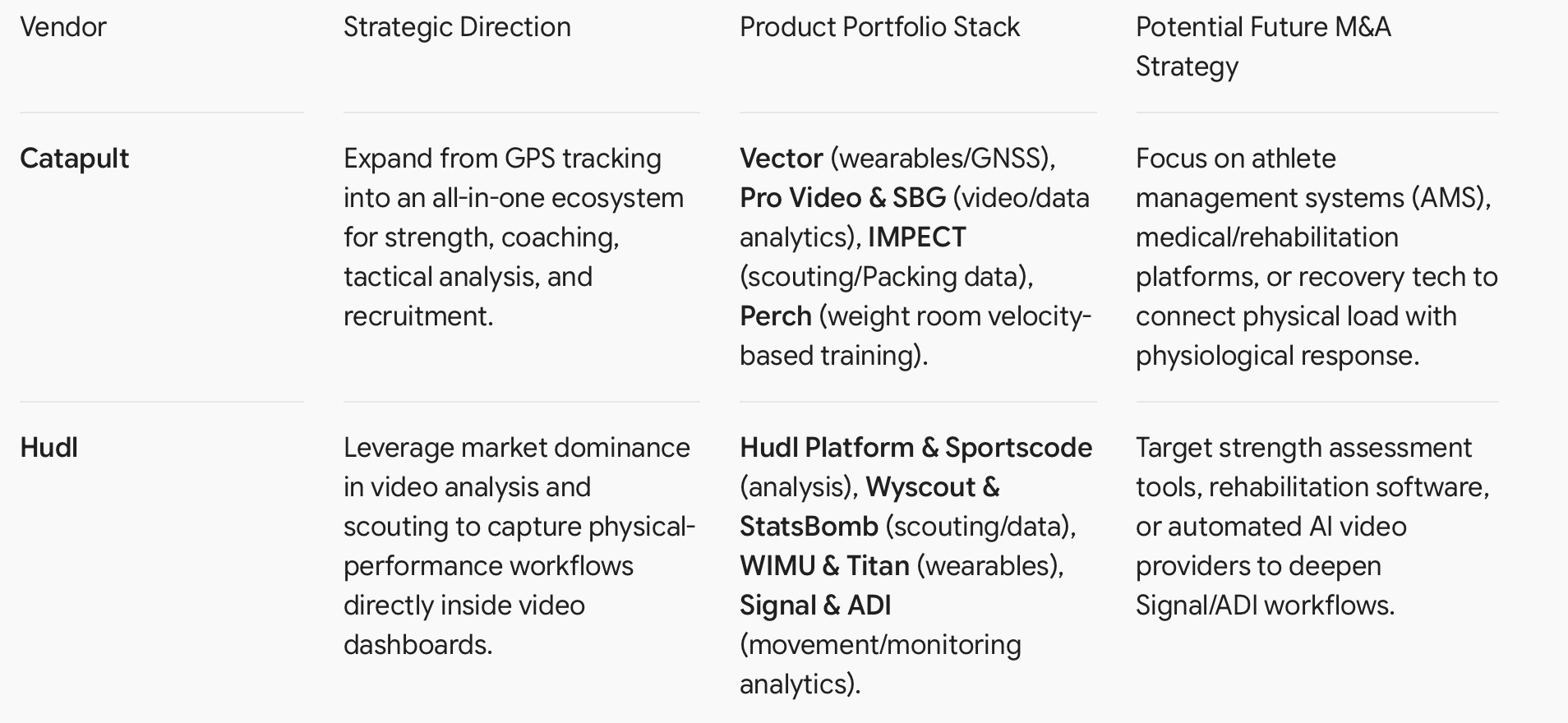
Catapult: Catapult’s strategic direction focuses on expanding beyond traditional GPS wearable tracking into an end-to-end, multi-department ecosystem covering coaching, strength training, tactical analysis, and recruitment through aggressive acquisitions (SBG, Perch, IMPECT). By integrating Vector tracking data with gym-based velocity training, match video, and scouting analytics, Catapult aims to increase account value and operational stickiness, though its main execution challenge lies in turning this broad portfolio into seamless, unified workflows across disparate performance departments.
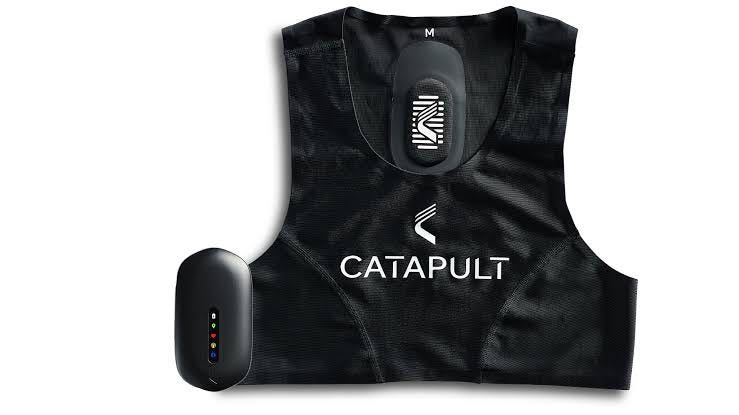
Catapult Vector wearable tracking system. Source: Catapult Sports
Hudl: Hudl is pursuing convergence from a video-first origin, extending its widely used tactical and scouting platforms (Sportscode, Wyscout, StatsBomb) directly into physical-performance monitoring via WIMU/Titan wearables and ADI multidirectional movement analytics. Its portfolio strategy leverages established relationships with technical and tactical staff to embed physical workload metrics into video analysis, giving it a strong advantage in contextualizing movement, provided it can maintain data consistency and demonstrate that its specialized acceleration algorithms offer proven practical value over raw GPS data.

Hudl Signal athlete monitoring software. Source: Hudl
STATSports: Operating as the dedicated wearable specialist within Sony’s broader sports group, STATSports focuses on high-precision physical load tracking using its APEX hardware, Sonra analysis software, and live infrastructure for elite and academy markets. Its strategy centers on delivering robust, high-frequency GPS and inertial data while relying on parent company Sony to bridge the gap toward multi-modal tracking, with its primary execution test being whether it can deliver functional, deep product integrations rather than remaining a standalone wearable silo under shared ownership.
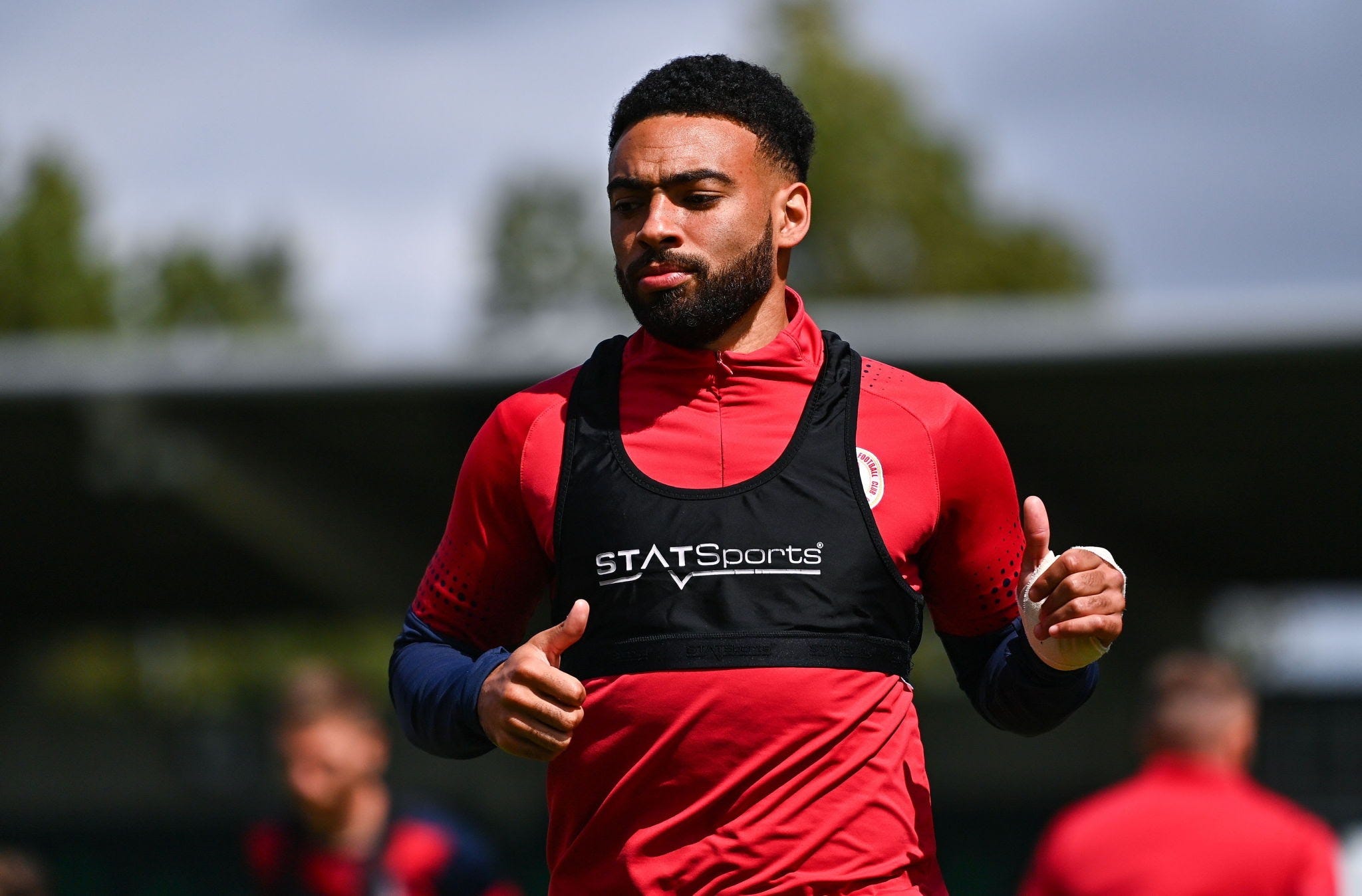
STATSports APEX athlete tracking system. Source: Ben McShane / Sportsfile via Getty Images
Sony Sports Businesses: Sony’s overarching sports portfolio strategy builds an integrated end-to-end ecosystem combining STATSports wearables, Hawk-Eye optical tracking, KinaTrax markerless biomechanics, and Beyond Sports visualization tools. By uniting optical, wearable, and skeletal data, Sony seeks to serve the full continuum from technical performance to officiating and broadcast entertainment, facing the key operational hurdle of unifying platforms designed for vastly different end-users and data infrastructure requirements into accessible, day-to-day practitioner workflows.

Sony Hawk-Eye optical biomechanics tracking. Source: Sony
Upside’s take: These companies are approaching the same opportunity from different starting points. Catapult is extending its athlete-monitoring business into strength, coaching and recruitment. Hudl combines a broad video and scouting portfolio with wearables and deeper movement analysis, making it a competitor in physical performance as well as football analysis. STATSports remains the specialist wearable business within Sony’s broader sports portfolio, while Sony brings complementary optical, biomechanical and visualization capabilities. This convergence makes the contest increasingly about how well a supplier connects measurement with decisions across a team. Selective acquisitions can accelerate that shift, but the strongest portfolio will be the one that delivers validated insights, accessible data and simpler workflows, not necessarily the one with the most brands.
5. What the Future of GPS Looks Like
GPS is likely to remain an important measurement layer, especially in outdoor training. Its role will sit within a broader monitoring system.
Better hardware must demonstrate better measurement. Multi-constellation GNSS, improved sensors and processing may improve performance, but each generation needs validation. Catapult’s Vector 8 launch emphasizes cloud workflows, expanded live coverage and third-party biometric integration as well as tracking capabilities. These are vendor-stated benefits, not independent proof of every accuracy claim. [14]
Movement analysis will become more multidirectional. Teams will increasingly examine turning, curved running and braking alongside distance and speed. Interpretation should remain specific to the movement and sport.
Data will connect more closely with context. A demanding effort becomes more useful when practitioners know the drill, tactical action or match phase that produced it.
Uncertainty should become visible. Dashboards should help users recognize missing data, poor signal conditions and changes too small to distinguish from measurement noise.
AI may reduce reporting work. Useful applications include organizing sessions, identifying unusual patterns and connecting footage with physical metrics. Recommendations still need to be traceable to the evidence and reviewable by staff.
Validation must represent the users. Evidence from one male team-sport sample should not automatically be generalized to women, youth athletes or every sport. Teams need measurement evidence relevant to their population and conditions.
The commercial advantage will increasingly come from delivering reliable information with less operational burden and better interoperability.
Conclusion
GPS remains useful, but its measurements should be interpreted with appropriate confidence and context.
The strongest criticism is not that all GPS load is wrong It is that teams can mistake a movement estimate for a complete measure of athlete workload, or treat changes in a dashboard as more meaningful than the measurement allows.
Optical tracking, ADI-style multidirectional analysis, physiological measures and strength testing can help address these gaps. Each brings its own limitations and must earn its place in the monitoring workflow.
For Catapult, Sony/STATSports and Hudl, portfolio expansion creates an opportunity to connect these perspectives. Acquisition alone is not enough: the products must work together and make the practitioner’s job easier.
The future belongs to monitoring systems that help staff understand what the athlete did, how the athlete responded and what decision that evidence supports.
Sources
https://journals.plos.org/plosone/article?id=10.1371/journal.pone.0333792
https://www.huddle.hudl.com/blog/hudl-acquires-adi-multidirectional-metrics
You may also like:

🌟Upside Featured Article: Objective Data Is Replacing Guesswork in Elite Football Clubs

Objective Data Is Replacing Guesswork in Elite Football Clubs