
Introduction: Can an AI Agent Really Change Your Eating Habits?
Artificial intelligence is rapidly transforming the way we work, communicate, and access information. However, one of its most promising applications may be much more personal: helping people make better decisions about their health, nutrition, and fitness. Over the past several years, we have witnessed an explosion of fitness applications, calorie trackers, wearable devices, and digital coaching platforms. While these technologies have made health and fitness data more accessible, many still require users to manually enter information, navigate complicated dashboards, or follow rigid programs that don’t always fit their lifestyles.
What if you could simply text a personal coach whenever you needed advice about what to eat, when to exercise, or how to reach your fitness goals? What if that coach gradually learned about your schedule, preferences, and habits, becoming more personalized with every interaction?
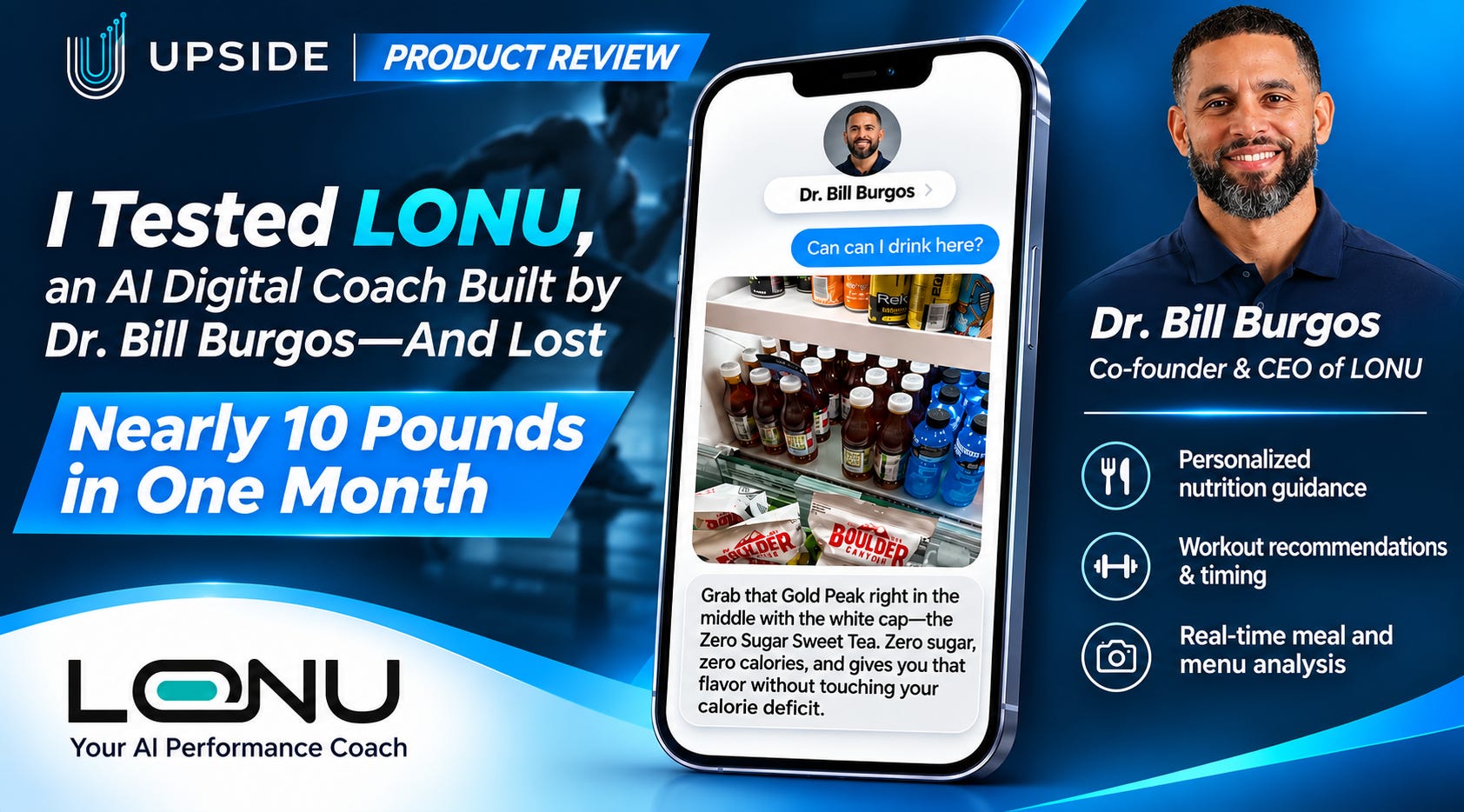
I recently had the opportunity to test LONU, an AI-powered digital coach and digital twin developed by Dr Bill Burgos, an NBA Head Strength & Conditioning Coach across the Knicks, Timberwolves, and Magic. What makes LONU particularly interesting is that Burgos incorporated his own coaching philosophy into the AI agent, bringing elements of his experience in elite sports performance to a consumer-facing technology platform.
After using LONU for one month, I came away genuinely impressed. I lost nearly 10 pounds in just one month while using the product, significantly improved my eating habits, and became much more aware of the amount of sugar I was consuming. However, what impressed me most wasn’t simply the weight loss. It was how naturally the AI agent became part of my daily routine and how much I learned about nutrition through repeated interactions. My experience raises interesting questions about the future of personalized AI coaching and its potential applications in both consumer wellness and professional sports.
Meet Dr Bill Burgos: Bringing NBA Performance Expertise to AI Coaching
One of LONU’s most compelling aspects is the professional experience of its creator. Dr Bill Burgos has spent years working in NBA strength and conditioning, including roles with the New York Knicks, Minnesota Timberwolves, and Orlando Magic. His background in professional basketball has exposed him to environments where physical conditioning, nutrition, recovery, and consistency are essential components of athlete performance. Working with elite athletes also requires understanding that successful training and nutrition programs must account for individual needs, demanding schedules, and the importance of developing sustainable habits.
Rather than creating another generic AI nutrition chatbot, Burgos incorporated his coaching philosophy into LONU’s AI agent. The objective is to translate elements of his approach to physical conditioning, nutrition, and behavioral consistency into a personalized digital coaching experience that can serve a much broader audience. This is an important distinction because most consumers do not have access to the level of support available to professional athletes, who often work with dedicated strength and conditioning coaches, sports nutritionists, and performance specialists.
LONU attempts to help bridge that gap by making coaching guidance available through a conversational AI interface. Instead of requiring users to hire a personal coach or follow a predefined fitness program, the platform provides recommendations based on their individual goals, preferences, and daily routines. Although an AI agent cannot fully replicate the judgment and expertise of an experienced human coach, LONU illustrates how specialized knowledge developed in professional sports can potentially be translated into scalable consumer technology.
How Does LONU Work?
The concept behind LONU is relatively simple: imagine having a personal nutrition and fitness coach available around the clock through a text conversation. When users first begin interacting with the platform, the AI agent asks questions to understand their objectives, whether they want to lose weight, build muscle, improve their eating habits, increase their energy levels, or become more physically active. It also gathers information about their schedules, food preferences, routines, and lifestyle, gradually building a more personalized understanding of their needs.
As users continue interacting with LONU, the agent uses this information to provide recommendations that are increasingly relevant to their circumstances. Instead of following a static nutrition plan, users can ask questions throughout the day, send pictures of their meals, photograph restaurant menus, or request guidance on what to eat and when to exercise. The experience is designed to feel like an ongoing conversation rather than a traditional application that requires users to navigate multiple screens or manually search through nutritional databases.
What I particularly appreciated was the simplicity of the interaction. I could ask LONU a question in natural language, share a picture, and receive a recommendation without having to learn a complicated interface. It felt much more like texting a knowledgeable personal coach than using another traditional fitness application. This conversational approach significantly reduced the effort required to seek nutritional guidance, which became especially valuable when I was traveling, attending meetings, or eating outside my normal routine.
My Personal Experience: Losing Nearly 10 Pounds in One Month
I started using LONU because I wanted to improve my eating habits and lose some weight. Like many busy professionals, I frequently travel, attend meetings, eat at restaurants, and don’t always have the time to carefully analyze the nutritional content of everything I consume. I wasn’t looking for a complicated diet program or a solution that would require me to spend significant time tracking every calorie. Instead, I wanted practical guidance that could help me make better decisions without disrupting my schedule.
After just one month of using LONU, I had lost nearly 10 pounds. While that was a meaningful result, the biggest surprise was how much I learned about my existing eating habits. I realized that several foods and drinks I regularly consumed contained significantly more sugar than I had imagined. Before using LONU, I wasn’t necessarily paying close attention to these details, and I often made nutritional decisions based on convenience rather than a clear understanding of what I was consuming.
The AI agent helped me identify foods that weren’t aligned with my goals and suggested alternatives that better suited my daily calorie targets. Rather than simply telling me to avoid certain foods, it helped me understand the nutritional trade-offs associated with different choices. Gradually, I became more conscious of sugar content, portion sizes, and the relationship between my food choices and overall calorie intake.
What made the experience particularly valuable was that I didn’t feel as though I was following a restrictive diet. Instead, I was learning how to make better decisions in everyday situations. Over the course of that month, I began approaching breakfast, lunch, dinner, snacks, and even coffee differently. LONU didn’t just accompany my nearly 10-pound weight loss; it fundamentally changed the way I think about food. That improvement in nutritional awareness may ultimately prove more valuable than the weight loss itself.
Real-World Example: Breakfast at Nashville Airport
One experience that particularly impressed me occurred while I was traveling back to New York from Nashville. I was at Nashville Airport and had purchased breakfast, something I would normally have eaten without giving much thought to its nutritional composition. This time, however, I decided to take a picture of my plate and send it to LONU to see what the AI agent would recommend.
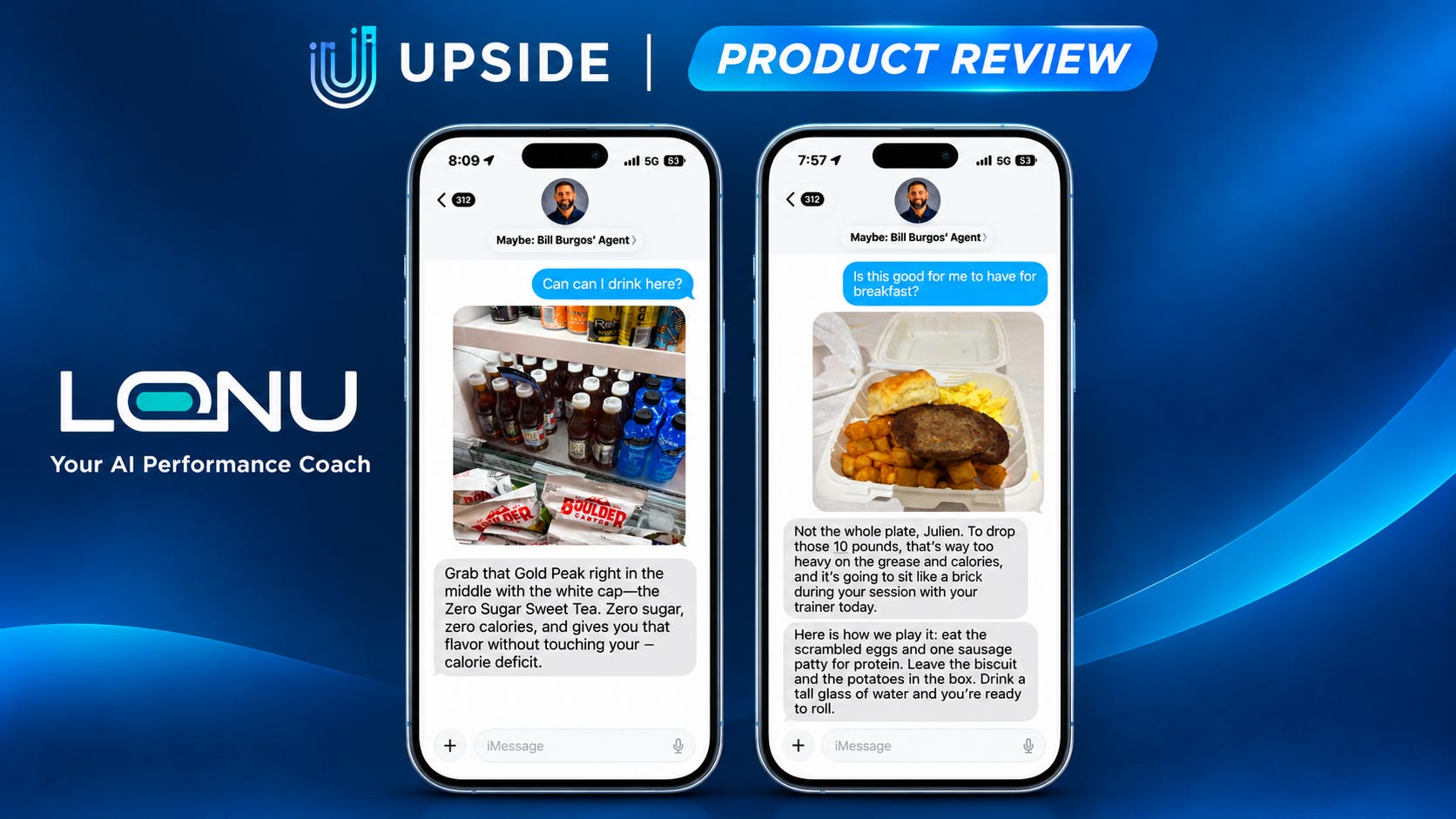
Within the conversation, LONU analyzed the picture and advised me on which foods on my plate I should eat and which ones I should limit or avoid to remain aligned with my daily nutritional goals. The interaction was remarkably straightforward. I didn’t need to manually enter every ingredient, search through a calorie database, or spend time estimating the nutritional content of the meal. I simply took a picture, asked for advice, and received recommendations that I could immediately apply.
For me, this was one of the most compelling demonstrations of the technology’s practical value. LONU was providing guidance at the exact moment I needed to make a decision, using the food that was actually available to me rather than suggesting an ideal meal that I couldn’t realistically prepare or purchase. This type of contextual assistance could be particularly valuable for frequent travelers, business executives, and athletes who regularly eat outside their normal environments.
The Nashville Airport experience also highlighted an important shift in how AI can support personal wellness. Instead of requiring users to plan every meal in advance, conversational AI agents can help them navigate real-world situations as they occur. While food recognition from photographs has inherent limitations, the convenience of receiving immediate, actionable guidance made a meaningful difference in my experience.
Restaurant Menus, Starbucks, and Everyday Food Decisions
Another feature I found extremely useful was LONU’s ability to analyze restaurant menus and recommend what to order. For example, when visiting Starbucks, I could take a picture of the menu and ask the AI agent which food or drink would best fit my nutritional objectives. I might explain that I needed an energy boost in the afternoon but still wanted to remain within my daily calorie target. Based on that context, LONU would suggest options that better aligned with my goals.
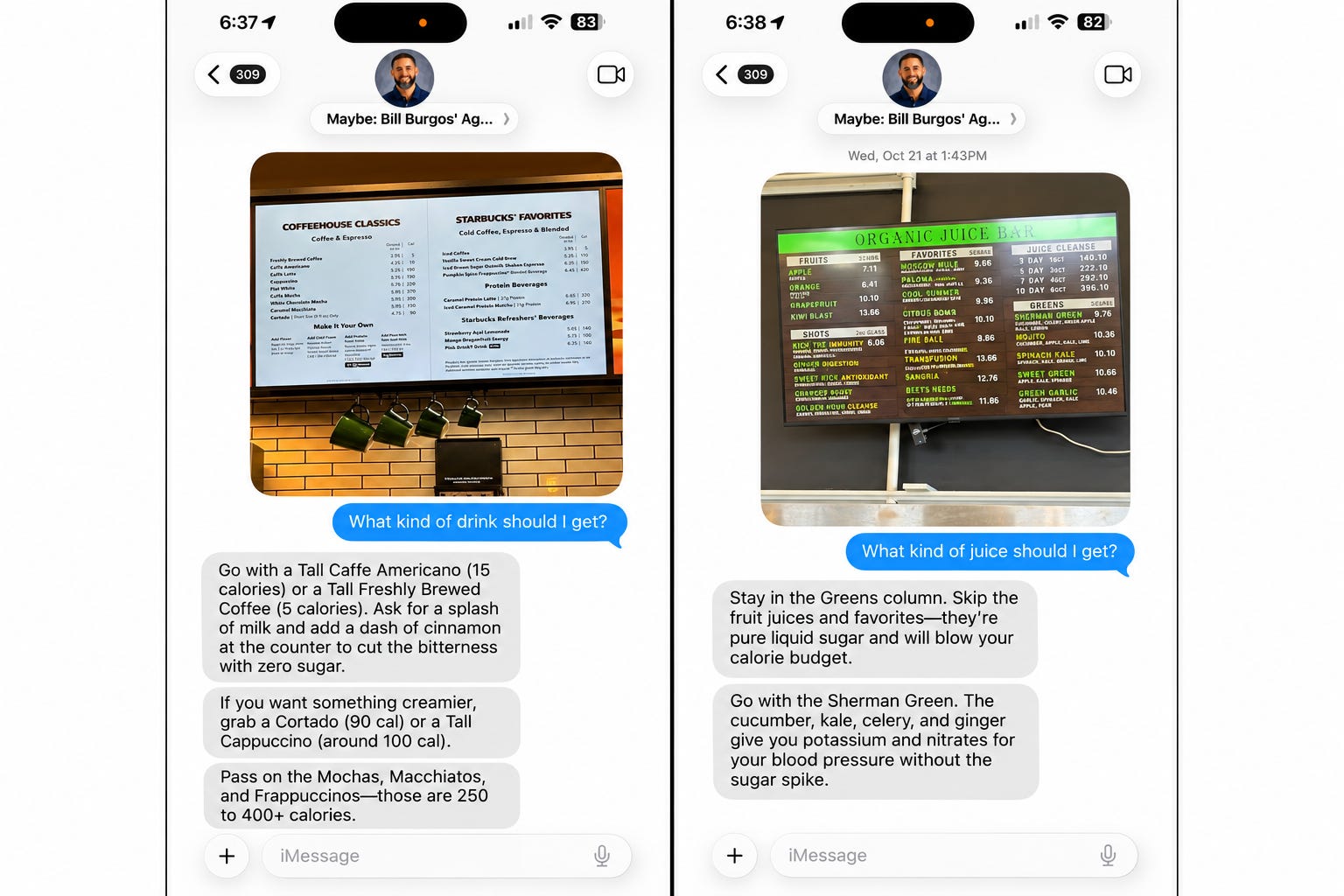
The same approach worked at restaurants. Rather than spending time trying to determine which dishes were healthiest or estimating the nutritional content of unfamiliar meals, I could photograph a menu and ask the agent for recommendations. This was particularly useful because LONU already had information about my goals and preferences, allowing it to provide guidance without requiring me to explain my objectives during every interaction.
LONU can also recommend where to eat when users arrive in an unfamiliar city. For someone who travels frequently, this is an interesting capability because it extends the coaching experience beyond individual meals. Users can ask the AI agent to suggest restaurants that fit their nutritional objectives and then request recommendations about what to order once they arrive.
These experiences made LONU feel less like a traditional calorie tracker and more like a personal decision-making assistant. Rather than expecting me to change my lifestyle around the application, it provided guidance within the situations I was already encountering. That distinction was particularly important in making the product easy to incorporate into my daily routine.
Beyond Nutrition: LONU Also Acts as a Personal Fitness Coach
Although nutrition was the primary focus of my experience, LONU is not limited to helping users decide what to eat. The AI agent also provides guidance on physical activity, including how to work out, what types of exercises to perform, and when to schedule workouts. Because it learns about users’ goals, schedules, and preferences, it can recommend approaches to exercise that fit their daily routines rather than requiring them to follow a rigid training program.
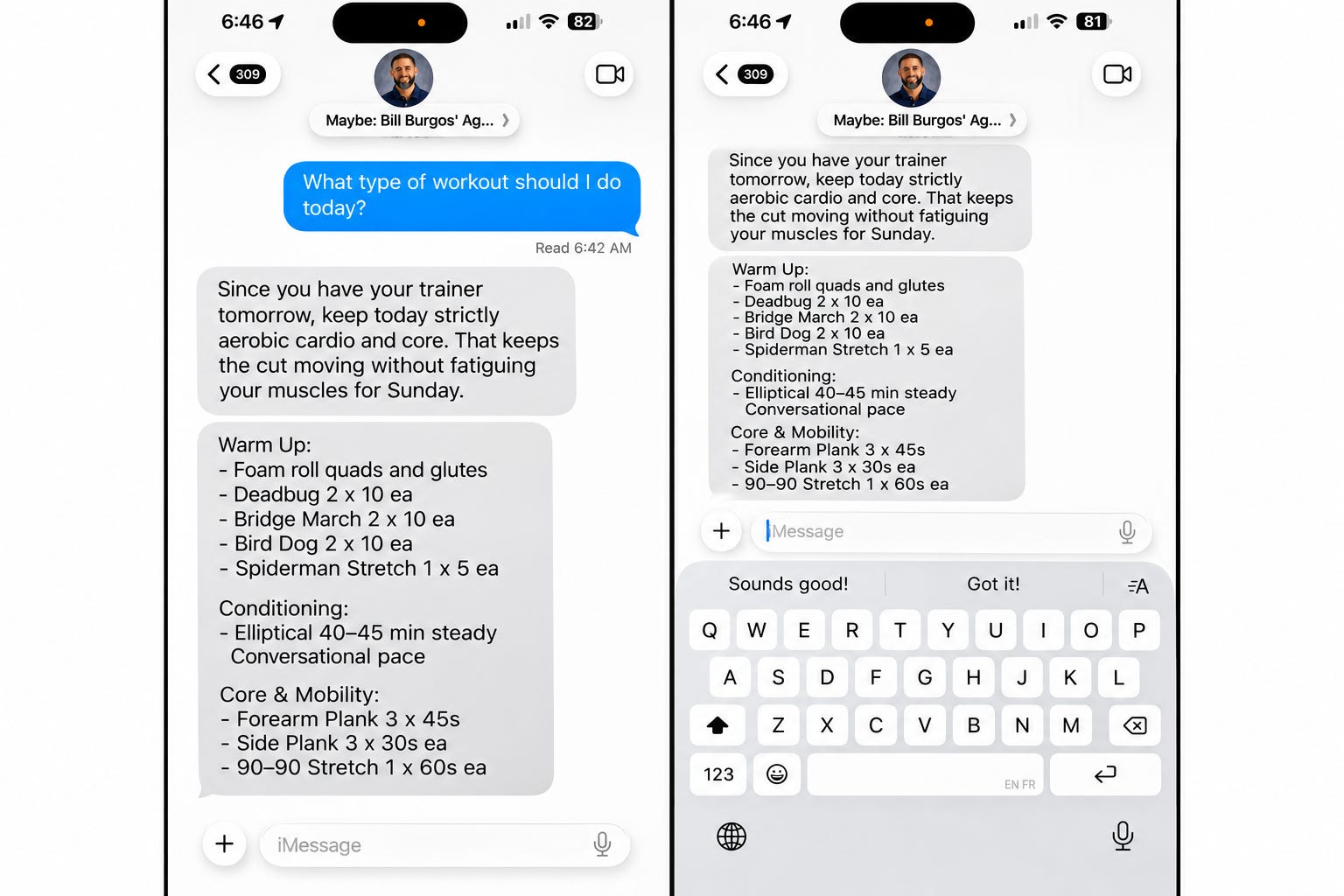
For example, someone focused on losing weight may have different training objectives from someone trying to build muscle or improve general fitness. LONU allows users to discuss these goals with the AI agent and request recommendations that reflect their circumstances. This is particularly relevant for people with demanding professional schedules, frequent travel commitments, or limited access to consistent training facilities.
This is also where Dr Bill Burgos’s professional background becomes especially interesting. Having worked in NBA strength and conditioning, Burgos brings a coaching philosophy shaped by the demands of elite athletic performance. By incorporating that philosophy into LONU, he is attempting to make elements of professional performance coaching accessible through a conversational AI platform.
The ability to connect nutrition and exercise within the same experience is another important aspect of the product. Traditionally, consumers might use one application to track calories, another to plan workouts, and a third to monitor physical activity. LONU brings nutrition and fitness guidance together through one AI agent, potentially reducing the fragmentation that often characterizes consumer wellness technology. The effectiveness of specific workout recommendations would still need to be evaluated, particularly for users with specialized training requirements or medical considerations.
The Most Surprising Part: The AI Agent Became Almost Addictive
One of the most unexpected aspects of my experience was how frequently I started using LONU. Initially, I approached the product as something I would consult occasionally when I had questions about nutrition. However, as I became more familiar with the agent and started seeing the value of its recommendations, I found myself interacting with it almost every time I ate. Before ordering breakfast, choosing a snack, or selecting something from a restaurant menu, I would often ask LONU for advice.
The experience became almost addictive, not because the application was constantly sending notifications or trying to capture my attention, but because the recommendations were immediately useful. Every interaction helped me make a decision, and the conversational format made it easy to ask follow-up questions. Because the AI agent already understood my goals and preferences, I didn’t have to repeatedly explain what I was trying to accomplish.
Over time, something interesting happened: I started anticipating what LONU would recommend. I became better at identifying foods that contained excessive sugar, understanding calorie trade-offs, and recognizing which meals were more consistent with my nutritional objectives. After a while, I found that I didn’t need to consult the agent as frequently because I had started internalizing many of the lessons from our previous interactions.
This was perhaps the most important aspect of the entire experience. LONU wasn’t simply helping me make better decisions in the moment; it was helping me develop the knowledge and habits to make those decisions independently. In a market where many applications measure success through engagement and time spent using the product, there is something particularly interesting about an AI coach whose long-term value may include making users less dependent on constant guidance.
What Makes LONU Different From Traditional Fitness Apps?
The nutrition and fitness technology market is already crowded, with consumers able to choose from calorie-tracking applications, workout planning platforms, wearable ecosystems, and increasingly sophisticated AI-powered health assistants. However, LONU combines several elements that made the experience distinctive during my testing: a coaching philosophy rooted in professional sports, a conversational interface, contextual recommendations, and an emphasis on changing daily habits.
The first differentiator is the expertise behind the technology. Dr Bill Burgos’s experience working with NBA athletes provides a foundation for LONU’s approach to nutrition, physical conditioning, and behavioral consistency. Incorporating his coaching philosophy into the AI agent creates an interesting connection between elite sports performance and consumer wellness, although the extent to which that expertise improves outcomes would require independent evaluation.
The second differentiator is the simplicity of the user experience. Instead of navigating complicated dashboards or manually entering extensive nutritional information, users can communicate through natural language and photographs. This makes the platform particularly convenient when decisions need to be made quickly, such as choosing breakfast at an airport or ordering a drink at Starbucks.
The third differentiator is the contextual nature of the recommendations. LONU can provide guidance based on what users are doing, where they are eating, and what they are trying to accomplish. Finally, the emphasis on learning and habit formation stood out during my experience. Rather than simply tracking what I consumed, the agent helped me become more aware of my choices and gradually more confident in making decisions independently.
These capabilities are not necessarily exclusive to LONU, and a formal comparison with competing AI nutrition platforms would be needed to establish its technical advantages. Nevertheless, the combination created a coaching experience that I found practical, engaging, and educational.
Potential Applications in Professional Sports
Although I tested LONU primarily as a consumer, I also see potential applications in the professional sports industry. Elite athletes typically receive guidance from sports nutritionists, strength and conditioning coaches, and performance specialists. However, athletes spend significant time outside team facilities, particularly during road trips, international competitions, and off-season training periods. They regularly make nutritional decisions at airports, hotels, restaurants, and other locations where their team’s support staff may not be physically present.
This creates an interesting opportunity for AI-powered coaching agents. Imagine an NBA player arriving at an airport after a road game and asking an AI agent what to eat based on an individualized nutrition plan established by the team’s sports dietitian. Similarly, a professional soccer player traveling internationally could potentially use an AI agent to navigate unfamiliar restaurant menus while remaining aligned with their nutritional objectives.
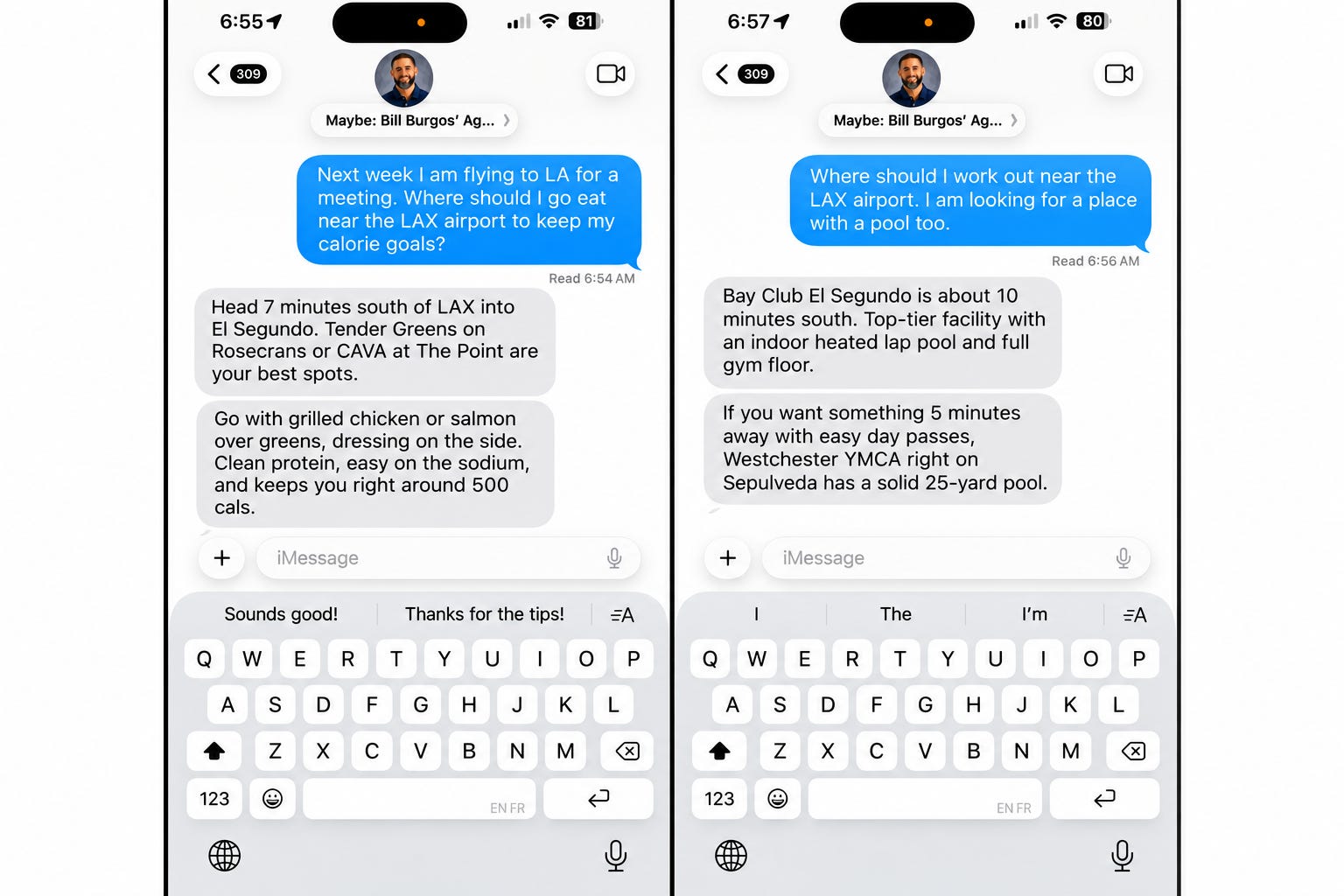
Beyond travel nutrition, conversational AI agents could potentially support athlete education, off-season routines, and the reinforcement of habits established by team performance professionals. Younger athletes, in particular, may benefit from accessible explanations about nutritional choices and the relationship between food, training, and recovery. Coaches and nutritionists could also explore whether these tools might help extend their guidance between in-person consultations.
The most interesting opportunity for professional teams may be the ability to complement existing performance staff rather than replace them. A sports nutritionist cannot accompany every athlete to every restaurant, but a properly configured AI agent could potentially reinforce individualized recommendations when direct support is unavailable. However, such applications would require rigorous validation, appropriate privacy protections, and integration with plans developed by qualified professionals. At this stage, these should be viewed as potential applications rather than established capabilities or validated outcomes of LONU in elite sports environments.
The Bigger Opportunity: AI Digital Twins and the Future of Personalized Coaching
LONU also illustrates a broader transformation taking place across the AI industry. We are gradually moving from applications that simply provide information toward AI agents that learn about users and help them make decisions based on their individual circumstances. In LONU’s case, the agent builds an increasingly detailed understanding of users’ goals, preferences, schedules, and habits, allowing the experience to become more contextual over time.
The digital twin concept is particularly interesting in this context. Rather than treating every question as an isolated interaction, a personalized AI agent can use accumulated information to develop a more consistent understanding of the individual. Someone trying to lose weight may require different recommendations from someone focused on building muscle, while a frequent traveler may need a different approach from someone who prepares most meals at home. The ability to account for these differences could become an important feature of next-generation digital coaching platforms.
However, it is important to distinguish between a conversational AI agent that maintains a personalized user profile and a scientifically validated physiological digital twin. The latter would typically require more sophisticated modeling and validation. Without additional technical information about LONU’s architecture, it would be premature to characterize its personalization capabilities as equivalent to a validated physiological model.
For the sports technology industry, the broader opportunity could extend beyond nutrition and fitness into areas such as recovery, sleep, athlete education, and individualized performance support. As AI agents become more sophisticated, the ability to combine specialized coaching expertise with contextual data and natural-language interaction could open new possibilities for both consumers and professional sports organizations.
My Overall Assessment
After testing LONU for one month, I came away impressed by both the simplicity of the experience and its practical impact on my daily life. I lost nearly 10 pounds in just one month while using the product, became significantly more conscious of my sugar consumption, and developed better eating habits. While I cannot attribute the weight loss exclusively to the AI agent, LONU played an important role in helping me become more aware of my nutritional choices and make decisions that aligned with my goals.
What stood out most was how seamlessly the technology integrated into my routine. Whether I was eating breakfast at Nashville Airport, ordering something at Starbucks, reviewing a restaurant menu, or considering when to work out, I could simply ask the agent for guidance. I didn’t have to learn a complicated interface or manually enter extensive information, and the recommendations were available at the moment I needed them.
The experience also became more valuable over time. Initially, I relied heavily on LONU to help me make decisions, sometimes consulting the agent almost every time I ate. However, as I became more familiar with its recommendations, I started developing a better understanding of nutrition and became more confident making decisions independently. For me, this progression from receiving guidance to developing better habits was the product’s greatest benefit.
The fact that LONU incorporates Dr Bill Burgos’s coaching philosophy adds another interesting dimension, particularly from a sports technology perspective. It represents an attempt to translate expertise developed in NBA strength and conditioning into a scalable consumer product. Although further evaluation would be needed to compare LONU with competing platforms or establish its effectiveness across a broader population, my experience demonstrated the practical appeal of personalized, conversational AI coaching.
Conclusion: The Future of AI Coaching Is About Changing Behavior
There is tremendous excitement surrounding AI agents, but many products still struggle to demonstrate tangible value in people’s everyday lives. LONU is one of the AI-powered products I have tested that delivered a meaningful personal benefit. In just one month, I lost nearly 10 pounds while using the platform, changed my eating habits, and became much more aware of what I was consuming. More importantly, the experience helped me develop a better understanding of nutrition and make more informed decisions in situations where I previously would not have paid much attention to my choices.
What makes LONU particularly interesting is the combination of conversational AI, contextual recommendations, and a coaching philosophy developed through years of experience in NBA strength and conditioning. Bill Burgos is exploring how specialized expertise traditionally available to elite athletes can be translated into a digital experience accessible to a broader audience. For consumers, this could mean more convenient nutrition and fitness guidance, while for professional sports organizations, it raises possibilities for extending the reach of performance specialists beyond the training facility.
With LONU, as a team, you don’t need to spend months and six figures trying to build an internal AI tool from scratch. They’ve already built the infrastructure at LONU.
Because Bill’s team has lived inside pro locker rooms for decades, they understand the real-world workflow of a performance staff. This understanding makes it simple for any teams to direct how the agent is customized for their roster.
Also LONU isn’t here to get between the teams and their players; they’re here to eliminate the administrative friction so the team can stay on the floor, focus on hands-on training, and build stronger relationships with their athletes.
My experience with LONU also reinforced a broader belief about the future of AI agents. Their greatest value may not come from answering more questions or encouraging users to spend more time interacting with technology. Instead, it may come from helping people develop better habits, make more informed decisions, and eventually become more independent.
The most valuable AI agents may not be the ones that simply know the most about us. They may be the ones that help us make better decisions, change our behavior, and ultimately become less dependent on them.
For me, LONU demonstrated that AI coaching can be much more than a technological novelty. It can become a practical tool that fits naturally into everyday life and helps turn information into meaningful behavioral change.
To learn more about LONU click on the link below:
Interested in having us review your product? Contact us at julien@upsideglobal.co.
Best,
Julien

You may also like:

🔥Upside NBA Group Chat with Dr Bill Burgos (ex NY Knicks), Derek Millender (Cavs) on NBA Preseason, Private Coaches, Best Practices, Common Mistakes & Advice.

Today we have the honor of interviewing a group of NBA sports performance experts.
🔥Upside Video Chat with AI Experts: Bill Burgos (NBA S&C coach, LONU CEO), Adam Cheyer (Siri Co-Founder), Jordan Stewart-Mackie (EPL I NBA Performance Scientist), Adam Douglas (Penguins/NHL)

Today as part of our continued effort on AI and the impact on elite sports, we have the honor to interview a interviewing a group of experts in AI and elite sports: