
Introduction
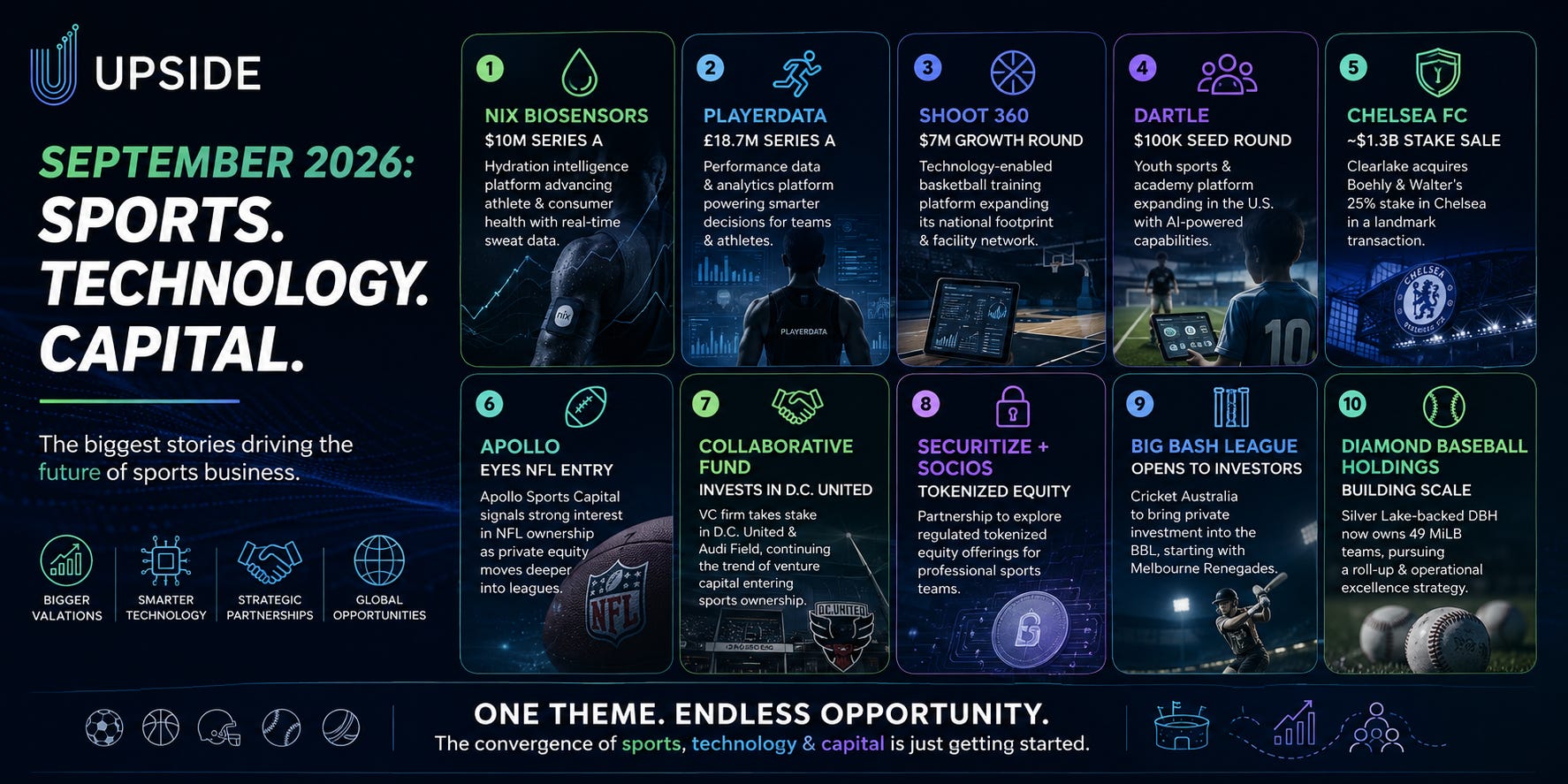
September 2026 is highlighting an important shift in the sports business landscape: technology companies are attracting larger pools of institutional capital, while professional sports teams themselves are increasingly being treated as investable assets.
On the sports-tech side, investors are putting money behind technologies that can generate proprietary athlete data, improve performance and connect physical facilities with digital platforms. Nix Biosensors’ $10M Series A and Shoot 360’s $7M growth round are examples of this trend.
At the same time, capital is moving deeper into sports ownership. Clearlake’s approximately $950M acquisition of the remaining Chelsea stake, Apollo’s interest in NFL ownership, Collaborative Fund’s investment in D.C. United and Audi Field, and Cricket Australia’s decision to open the Big Bash League to private investment all demonstrate the increasing financialization of professional sports.
A third development sits at the intersection of the two: making sports assets more accessible, scalable and potentially liquid through technology, illustrated by Securitize and Socios exploring tokenized minority equity in professional teams.
1. Nix Biosensors — $10M Series A
What happened
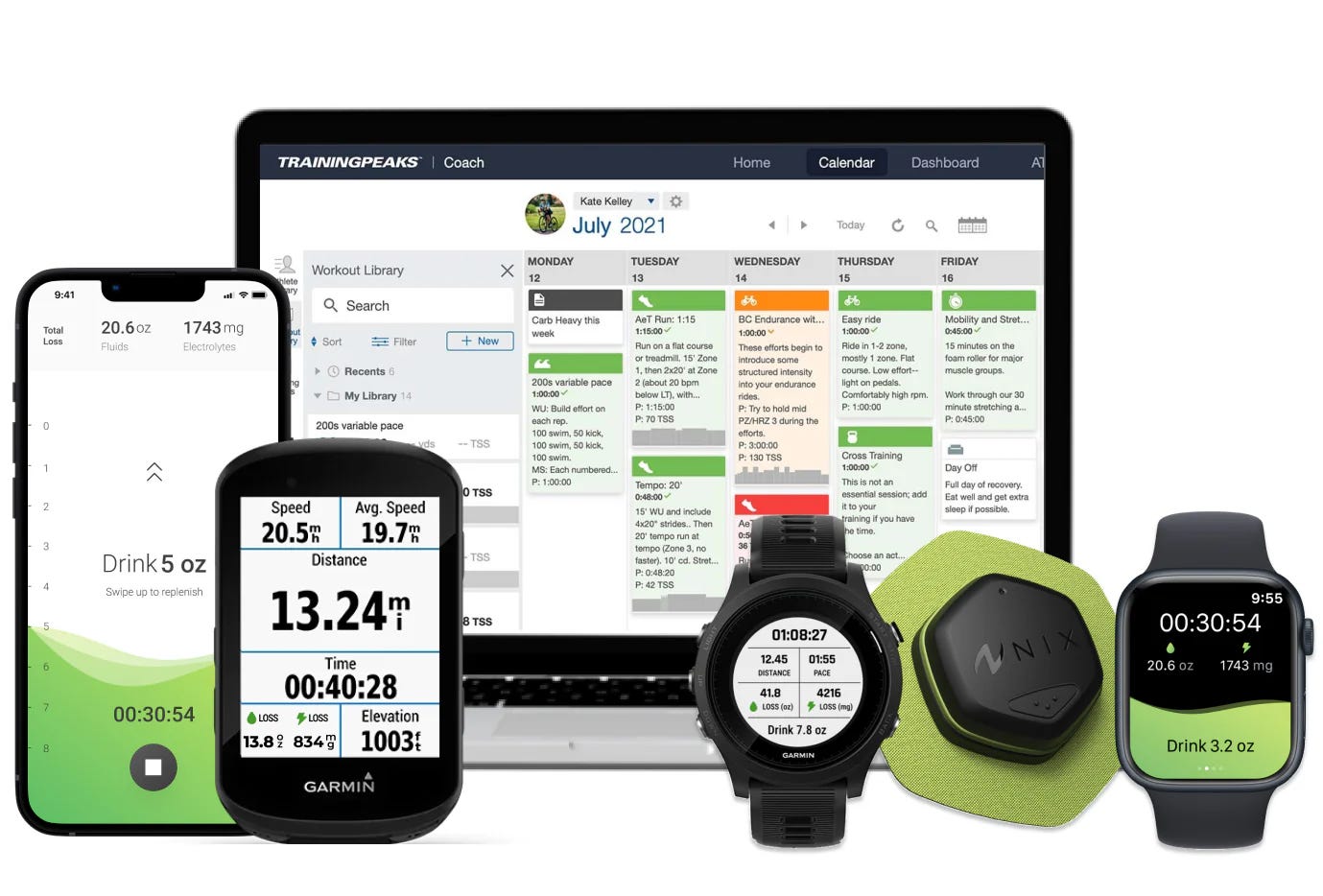
Nix Biosensors announced a $10M Series A on September 15, bringing total funding to $17M. The company develops real-time hydration monitoring technology and says the funding will support its Nix Health platform and proprietary hydration algorithms. The investor group includes several sports-team owners, including ownership interests connected to the Boston Celtics, St. Louis Blues, Baltimore Orioles, Boston Legacy FC and Texas Rangers.
Why it matters
This is about more than another wearable company raising money.
The investment illustrates the increasing value investors place on proprietary physiological datasets.
The model is increasingly:
Sensor → Data → Dataset → Algorithm → Actionable insight
rather than simply selling hardware.
The participation of sports owners is also notable because it creates a direct connection between sports ownership and sports-tech investment.
Upside angle
Hydration is becoming part of a much larger athlete-health ecosystem involving:
hydration
recovery
fatigue
sleep
nutrition
physiological monitoring
personalized recommendations
This supports the broader movement toward continuous athlete monitoring rather than periodic testing.
2. PlayerData — £18.7M Series A
What happened
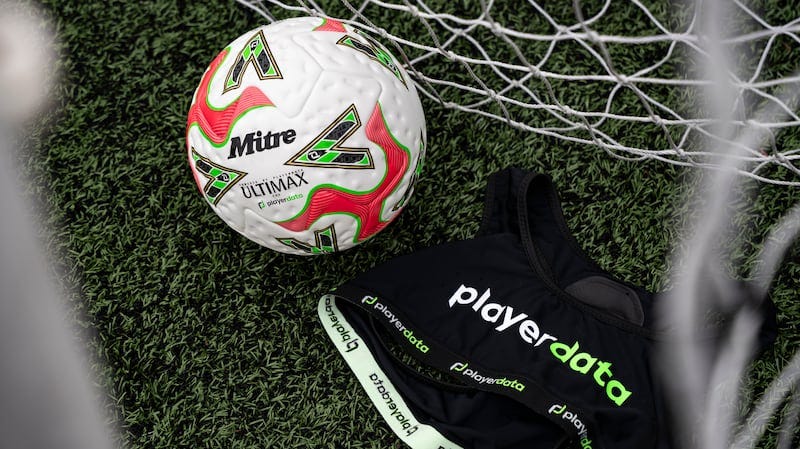
UK sports-performance company PlayerData reportedly raised approximately £18.7M in Series A funding in September. The company focuses on athlete monitoring and performance data.
Why it matters
The size of the financing is important because it demonstrates investor appetite for B2B sports-performance infrastructure.
The opportunity increasingly isn’t simply collecting more athlete data. It is connecting:
wearables → data → analytics → AI → decisions
Teams already have enormous amounts of information. The next generation of sports-tech companies will need to help organizations turn that information into something practitioners can actually use.
Upside angle
This is directly relevant to the challenge you see across professional teams: integration and usability can be just as important as the underlying technology.
3. Shoot 360 — $7M
What happened
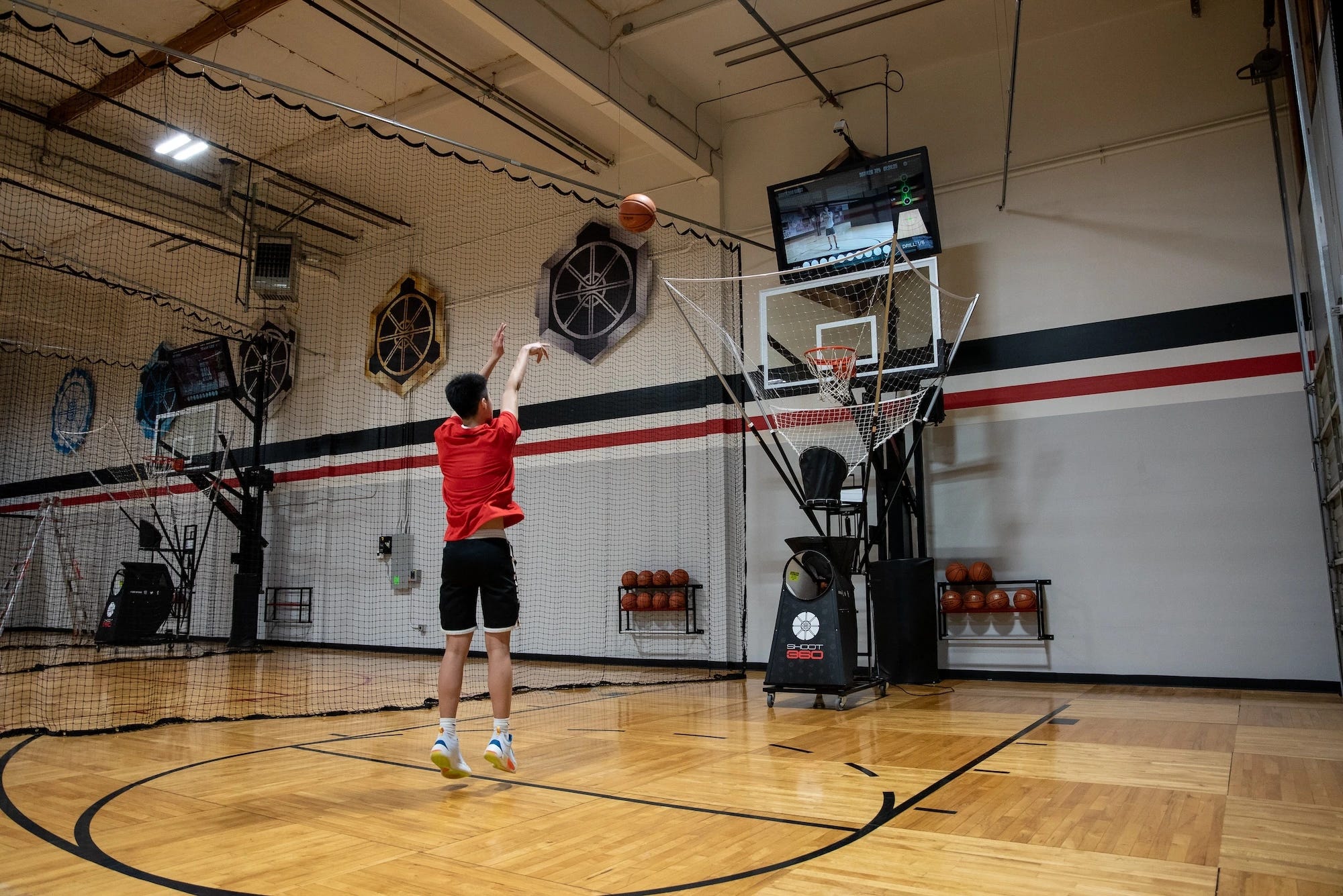
Shoot 360 raised $7M in growth funding, led by COPA Innovation Laboratories and COPA Venture Capital. The company operates more than 65 locations and combines machine vision, performance analytics and technology-driven basketball training.
Why it matters
This is an interesting hybrid business model:
Sports technology + athlete development + physical facilities + data + franchising.
The investment is therefore not simply a bet on software.
COPA can combine its athlete-assessment and performance expertise with Shoot 360’s physical footprint and technology platform.
Upside angle
It demonstrates another potential sports-tech model:
Technology can increase the value and scalability of physical sports infrastructure.
That could become increasingly relevant as investors look at sports facilities, training centers and academies as technology-enabled assets.
4. Dartle — $100K
What happened
Indian sports-tech startup Dartle raised $100K from Inflection Point Ventures to expand its U.S. presence and develop AI capabilities. It reportedly has 14 academy customers and eight paid U.S. pilots.

Why it matters
The financing is relatively small, but the more interesting point is the internationalization of sports-tech businesses.
Sports technology is increasingly being developed in markets such as India, the UK, Australia and Europe and then brought into the U.S. sports ecosystem.
Upside angle
The opportunity extends well beyond professional teams:
academies + youth sports + scouting + recruiting + player development
could represent a much larger market than the professional sports market alone.
5. Chelsea — approximately $1.3B minority-stake transaction
What happened
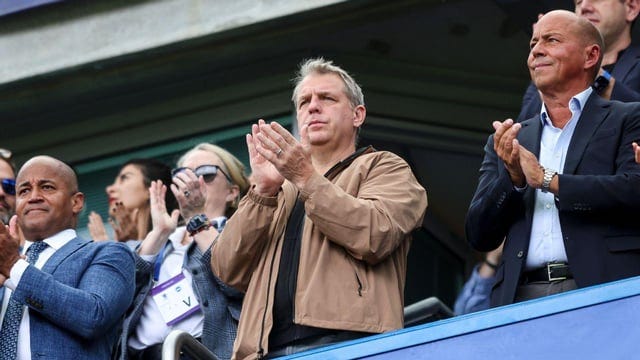
Clearlake Capital agreed to acquire Todd Boehly and Mark Walter’s combined 25% stake in Chelsea for approximately £950M ($1.3B). Clearlake will take full control of the club. The transaction values Chelsea at approximately £5B including debt, according to the Financial Times.
Why it matters
This demonstrates the increasing liquidity of major sports assets.
An investor doesn’t necessarily need to:
buy a team → hold it → sell the entire team.
Instead:
buy → create value → sell a stake → recycle capital → retain or transfer control
can become part of the sports-investment ecosystem.
Upside angle
As ownership becomes more financially sophisticated, owners are likely to think more systematically about the technologies that can increase the value of the underlying asset.
That potentially creates more opportunities for:
performance technology
fan engagement
data infrastructure
commercial technology
stadium technology
AI
6. Apollo — Interest in the NFL
What happened
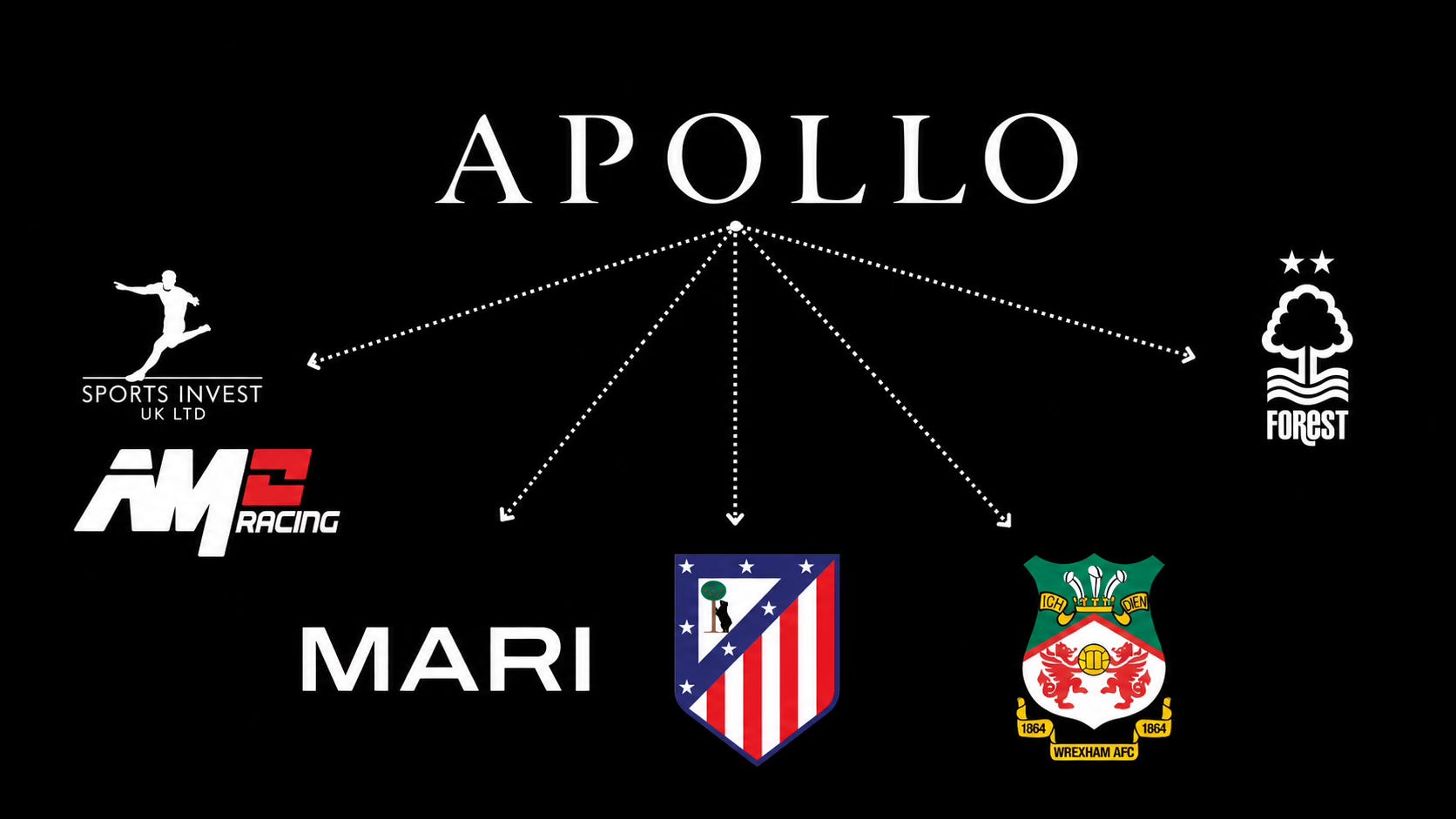
Apollo Sports Capital has expressed interest in investing in an NFL franchise. Apollo has already built a sports portfolio that includes interests involving the Yankees, Atlético Madrid and Wrexham, although Apollo is not currently an approved NFL private-equity investor.
Why it matters
This illustrates how sports is increasingly being viewed as part of the alternative-investment universe.
Large investment firms are attracted to the characteristics of sports assets, including:
scarcity of franchises
strong fan engagement
media rights
sponsorship
international expansion
recurring commercial revenue
potential long-term asset appreciation
The NFL is particularly interesting because there are only 32 franchises.
Upside angle
The more institutional capital enters sports ownership, the more sophisticated owners may become about measuring technology ROI.
For sports-tech companies, that could mean selling technology based less on:
“This is innovative.”
and more on:
“This increases the value or performance of your sports asset.”
7. Collaborative Fund — D.C. United & Audi Field
What happened
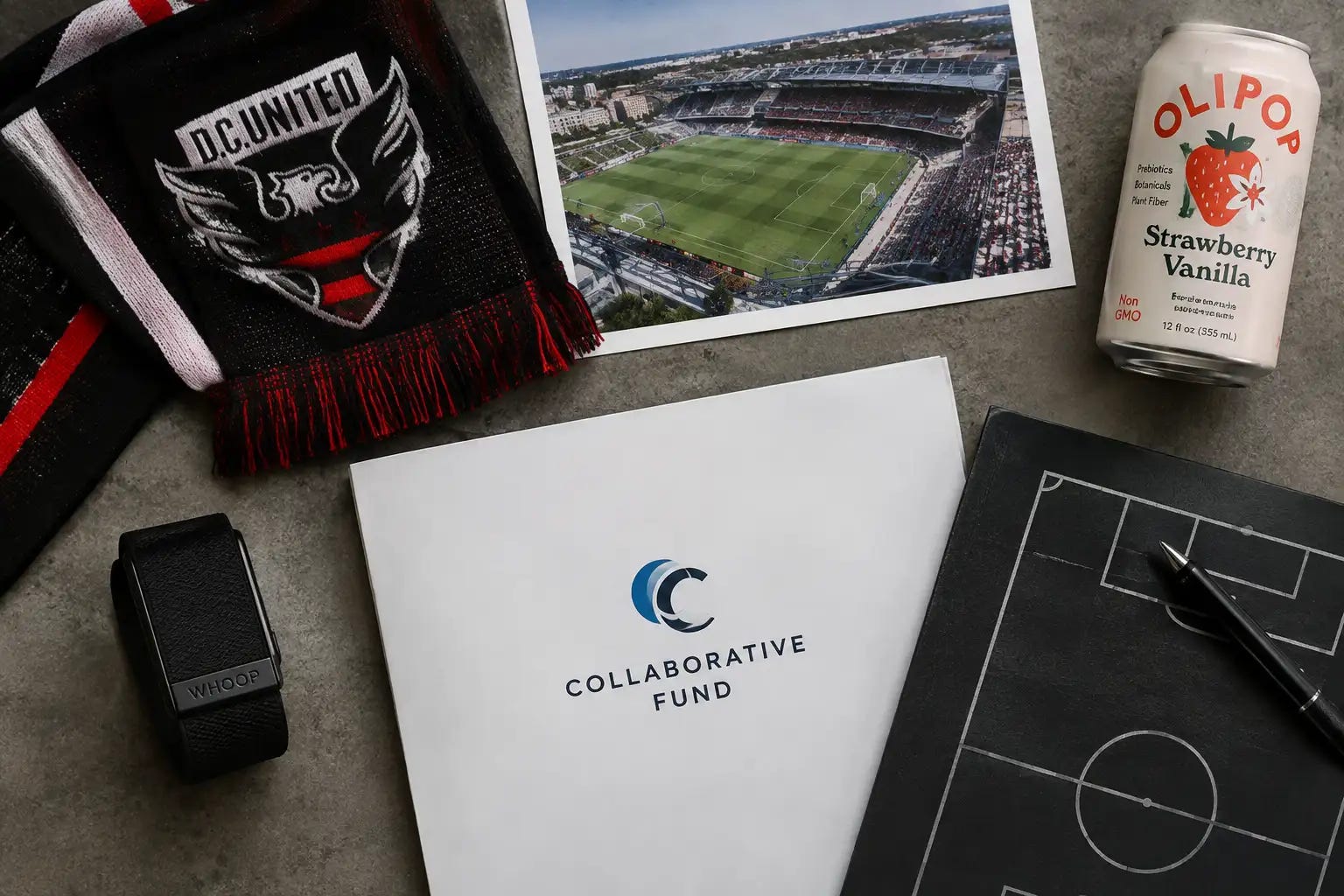
New York-based Collaborative Fund announced that it is taking a stake in D.C. United and Audi Field. The firm has approximately $1B under management and is investing from its existing venture ecosystem rather than creating a traditional sports-specific private-equity vehicle.
Why it matters
This is particularly interesting because it represents a different approach to sports ownership.
The thesis isn’t simply:
“Sports are a good investment.”
It is closer to:
“A sports franchise is a consumer platform.”
D.C. United provides access to:
fans + stadium + community + content + sponsorship + technology + youth development.
Upside angle
For the VC community, this creates an interesting question:
Can owning a sports franchise create strategic distribution opportunities for a venture portfolio?
That is highly relevant to your planned Upside VC dinner.
8. Securitize + Socios — Tokenized Team Equity
What happened
Securitize and Socios announced a partnership to explore regulated tokenized minority-equity offerings involving professional sports teams. The proposed structures would remain subject to securities laws, league requirements and individual club approvals.

Why it matters
Sports teams are highly valuable but historically difficult to access as investments.
Tokenization potentially creates a new model:
Team equity → fractional ownership → broader investor participation → potentially greater liquidity
It is important to emphasize that this is still a development-stage initiative, not evidence that professional team equity is already broadly tokenized and liquid.
Upside angle
If the model eventually works at scale, technology could fundamentally change the financial structure of sports ownership.
9. Big Bash League — Private Investment
What happened
Cricket Australia announced on September 8 that it would open the Big Bash League to private investment, beginning with the sale of a 100% stake in the Melbourne Renegades licence. New ownership is targeted for the 2027–28 season.
Cricket Australia says it will retain control over areas including international scheduling, player availability, salary caps and investor approval.

There is also opposition: Cricket NSW has raised concerns that external investors could reduce the resources available for grassroots cricket.
Why it matters
The significance goes beyond cricket.
Private ownership of franchises is increasingly appearing across different sports and markets.
It suggests that the franchise model is becoming a global sports-finance structure, rather than something concentrated in the major U.S. leagues and European football.
Upside angle
New owners often want to accelerate:
fan engagement
commercial revenue
technology
performance
content
international expansion
That creates potential demand for sports-tech solutions.
10. Diamond Baseball Holdings — 49 Minor League Teams
What happened
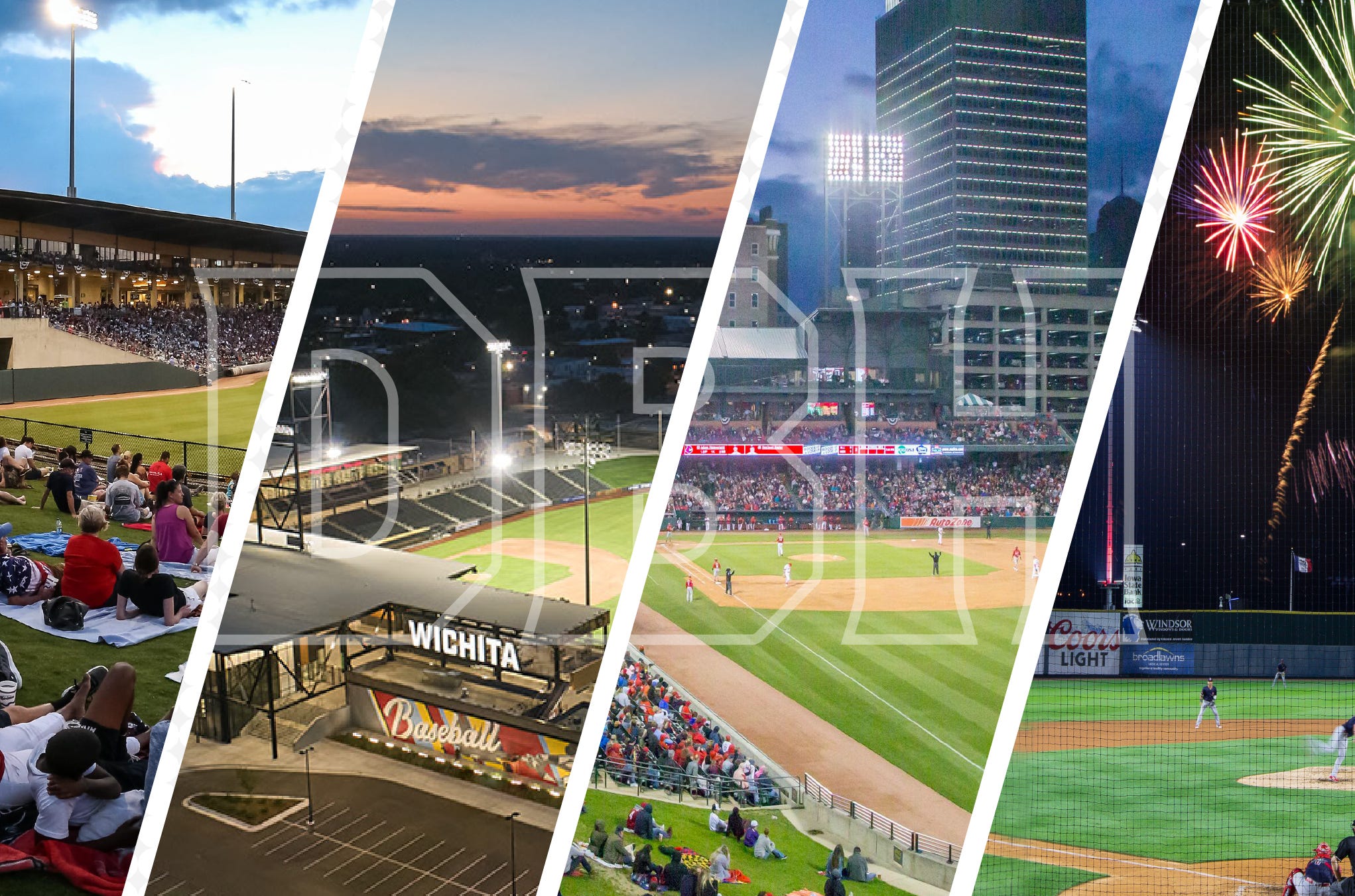
Silver Lake-backed Diamond Baseball Holdings has accumulated 49 of the 120 affiliated Minor League Baseball teams and said in September that it remains interested in acquiring additional teams.
Why it matters
This represents a different investment strategy:
Don’t just buy one sports asset. Build a portfolio.
The potential advantages include:
operating efficiencies
centralized technology
shared commercial expertise
data
sponsorship
media
venue development
Upside angle
Portfolio ownership could become particularly interesting for sports-tech vendors.
Instead of selling:
one technology → one team
a technology company could potentially sell:
one platform → an entire team portfolio.
That can materially change the economics of sports-tech adoption.
Major Sports M&A — September 2026
1. HYROX — L Catterton-led consortium acquires majority stake
Date: Sept. 8
Value: Reportedly ~€600M / ~$700M
L Catterton, alongside HYROX founders Christian Toetzke and Moritz Fürste and other investors, acquired a majority stake in the rapidly growing fitness-racing platform from Infront Sports & Media.

Why it matters: Shows growing investor appetite for participation-based sports brands that combine events, communities, fitness, media and consumer products.
2. GameSquare — acquires FanEngine assets
Date: Sept. 9
Value: Initially ~$15.9M in GameSquare stock, plus potential earn-outs
GameSquare agreed to acquire FanEngine’s sports, music and entertainment assets, including technology designed to help IP owners build direct fan relationships through gamification, events, content, commerce and experiences.
Why it matters: A clear example of the convergence of sports tech + fan data + media + commerce.
3. Nomadar — acquires majority stake in Fox Soccer Academy
Date: Sept. 14
Value: Undisclosed
Nomadar agreed to acquire a majority interest in Fox Soccer Academy, which operates across the U.S., U.K. and Austria and serves approximately 2,100 players.
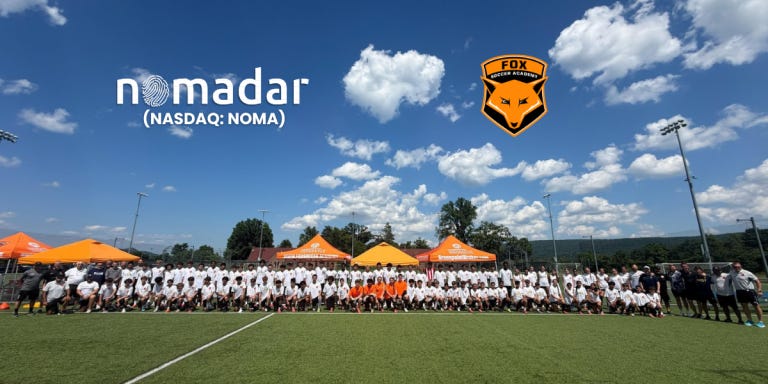
Why it matters: Highlights consolidation around youth development, high-performance training and international sports pathways.
The key takeaway for Upside
September’s deals point to a broader shift:
Sports M&A is increasingly moving beyond teams and media rights into sports participation, technology, fan engagement and athlete development.
The HYROX and FanEngine transactions are probably the two most relevant to an Upside audience because they demonstrate investors buying sports ecosystems and technology-enabled engagement platforms, rather than simply acquiring traditional sports assets.
Conclusion
September 2026 points to a broader convergence between sports, technology and institutional capital.
Three trends stand out:
1. Sports-tech is becoming infrastructure
Companies such as Nix and Shoot 360 show investment moving toward technologies that combine data, performance, physical infrastructure and actionable insights.
2. Teams are becoming financial platforms
Chelsea, D.C. United, the Big Bash League, Apollo’s NFL interest and Diamond Baseball Holdings demonstrate different ways institutional capital is entering professional sports.
3. Technology could change the ownership model itself
The Securitize/Socios initiative illustrates how technology could potentially make sports ownership more accessible and eventually more liquid.
The most interesting development, therefore, may not be sports tech versus sports investment. It is the convergence of the two:
Capital → sports assets → technology → better performance, operations and fan engagement → greater asset value.
And that creates a particularly relevant theme for Upside: sports teams aren’t just potential customers for sports-tech startups—they can increasingly become investors, strategic partners, distribution platforms and, in some cases, the underlying asset being financed.
That would make a strong overarching theme for your 2027 Upside VC / sports-owner VIP dinner:
“The Convergence of Sports, Technology & Capital.”
📺 Sports to Watch — September 19–20, 2026
🏈 NFL
Steelers @ Patriots — Sunday, 1:00 PM ET
Dolphins @ 49ers — Sunday, 4:25 PM ET
Colts @ Chiefs — Sunday, 8:20 PM ET
🏈 College Football
Georgia @ Arkansas — Saturday, noon ET
LSU @ Ole Miss — Saturday, 7:30 PM ET
Notre Dame vs. Michigan State — Saturday, 7:30 PM ET
⚽ Premier League
Tottenham vs. Aston Villa — Saturday, 7:30 AM ET
Arsenal @ Brighton — Saturday, 10:00 AM ET
Coventry City @ Nottingham Forest — Saturday, 12:30 PM ET
🏎️ MotoGP — Austrian GP
Sprint: Saturday, 8:55 AM ET
Grand Prix: Sunday, 7:30 AM ET
⛳ BMW PGA Championship
Final round: Sunday, 7:00 AM ET
Wentworth, England.
🏎️ NASCAR — Bristol
Bass Pro Shops Night Race — Saturday, 7:30 PM ET
🏀 WNBA
Phoenix @ Dallas — Saturday, 1:00 PM
Chicago @ Atlanta — Saturday, 7:00 PM
Seattle @ Golden State — Saturday, 9:00 PM
🎾 Davis Cup
USA vs. Czech Republic
Canada vs. France
Saturday coverage on Tennis Channel.
🏉 Rugby
Cronulla-Sutherland vs. Sydney — NRL preliminary final, Saturday, 6:00 AM ET.
The line that matters most here: "sports teams aren't just customers for sports-tech, they can become investors and distribution platforms." That's the shift. Owners who used to just write checks for wins are now building portfolios - tech, data, media, all feeding the same asset. If you're building anything athlete or sports-adjacent, the move is the same: stop selling a product, start owning a piece of the value you create.