
The sports technology industry is undergoing another wave of consolidation, and one of the latest transactions could have significant implications for the competitive landscape.
On October 7, 2026, Sportradar announced an agreement to sell Atrium Sports, the coaching and scouting business associated with Synergy Sports, to Teamworks for $170 million in cash.
The transaction is expected to close during the fourth quarter of 2026, subject to customary closing conditions.

At first glance, this may look like another acquisition in a crowded sports technology market. However, the deal reveals two distinct strategic directions.
Teamworks is strengthening its position as an integrated technology platform serving sports organizations and athletes.
Sportradar is narrowing its focus toward sports betting, gaming, media and the underlying technologies that support those markets.
The transaction also raises important questions about the future of independent sports-tech vendors, particularly those operating in video analysis, scouting, athlete management and performance analytics.
For professional teams, the implications could extend well beyond the ownership of Synergy Sports.
We believe this deal is another indication that the sports technology industry is moving toward a smaller number of larger platforms offering increasingly integrated solutions.
Understanding the Deal and Its Rationale
To understand why this transaction matters, it is useful to revisit Sportradar’s original acquisition of Synergy Sports in 2021.
At that time, Sportradar was expanding its presence in the United States and strengthening its relationships with professional leagues, colleges and sports organizations.
Synergy Sports had a strong position in basketball and baseball video analytics, scouting and coaching technology.
According to Sportradar’s original acquisition announcement, Synergy had relationships spanning the NBA, MLB, NCAA Division I basketball and much of NCAA Division I baseball.
The acquisition was intended to strengthen Sportradar’s sports data and video technology capabilities.
Five years later, the company’s strategic priorities have evolved.
The October 2026 transaction is particularly interesting because Sportradar is not selling every technology associated with its original Synergy acquisition.
It will retain certain assets, capabilities and associated revenue, including:
Automated video production camera technology.
Automated graphics solutions.
Certain computer vision capabilities.
Competition management products.
These technologies are already integrated into Sportradar’s broader business and support its core offerings. This distinction is critical.
Sportradar is effectively separating the coaching and scouting business from the technologies it considers strategically important for its betting, gaming and media operations.
For Teamworks, the attraction is the opportunity to acquire an established team-facing analytics business rather than build a comparable product portfolio from scratch.
Upside Take: This is not simply a sale of a video analytics business. It is a strategic separation of two markets that increasingly require different products, customers, commercial models and investment priorities.
Why This Acquisition Makes Sense for Teamworks
For Teamworks, the acquisition fits an increasingly clear strategy: building a comprehensive software, data and analytics ecosystem for professional sports organizations.
A. Expanding its coaching, scouting and video analytics capabilities
Teamworks initially became known for helping sports organizations manage communication, scheduling, operations and athlete-related workflows.
Through acquisitions, it has progressively expanded into athlete management, performance, recruiting, intelligence and coaching technology.
Atrium Sports adds an established business with deep expertise in basketball and baseball scouting and video analytics.
That matters because these capabilities are used by coaches, analysts, scouts and front-office personnel on a daily basis.
The acquisition could enable Teamworks to integrate video and scouting insights with existing athlete and organizational data.
For example, a team might eventually connect:
Athlete workload and physical preparation.
Training and medical information.
Match and competition video.
Scouting reports and player evaluations.
Advanced performance metrics.
Recruitment and roster decisions.
The potential result is a more complete picture of athlete performance and team operations.
B. Building a stronger multi-sport intelligence platform
Teamworks has already made several important acquisitions.
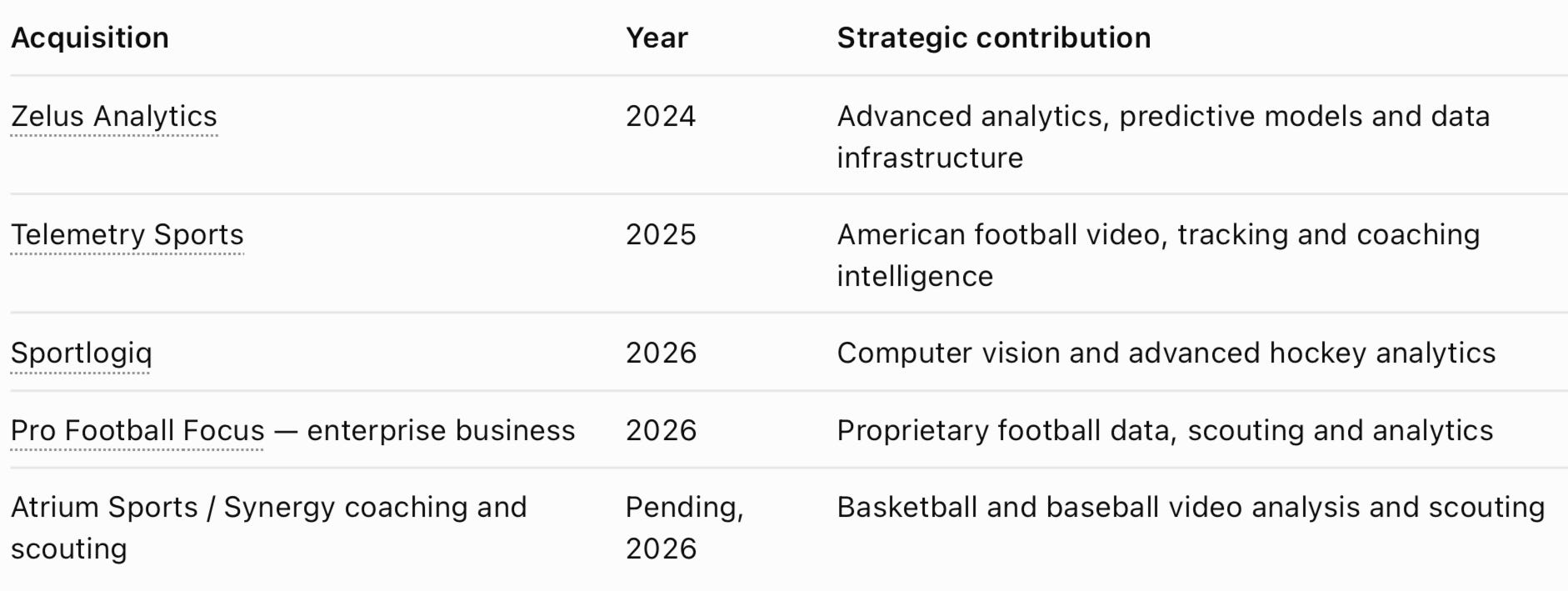
The pattern is becoming difficult to ignore.
Teamworks is acquiring specialized technology businesses with strong positions in individual sports, then bringing them into a broader platform.
Upside Take: Teamworks is no longer simply an athlete management and operations software provider. It is positioning itself as a multi-sport intelligence platform that can support decisions across coaching, scouting, recruitment, performance and team operations.
C. Cross-selling to its existing customers
Teamworks already has an extensive footprint across professional and collegiate sports.
In April 2026, the company reported serving more than 7,000 organizations globally, including relationships with all NFL, NHL and Premier League teams, 87% of NBA teams and 90% of MLB teams. These are company-reported figures covering its broader product portfolio, not necessarily individual product adoption.
This customer base creates potential commercial advantages.
Teamworks could introduce Synergy’s capabilities to existing customers while offering Synergy customers additional Teamworks products.
This could increase annual contract values, improve customer retention and reduce the costs associated with acquiring new customers.
D. Strengthening its AI strategy
The acquisition could also reinforce Teamworks’ ambitions in artificial intelligence.
AI models become more valuable when they can draw upon high-quality, relevant and appropriately licensed data.
Combining video, scouting information, player tracking, performance data and contextual information could support more sophisticated analytics.
Potential applications include automated scouting reports, player comparisons, opponent analysis and AI-assisted game preparation.
However, these possibilities should be viewed as future opportunities, not capabilities automatically delivered by the acquisition.
The company will need to address data ownership, licensing, integration and the reliability of AI-generated recommendations.
E. Improving its competitive position
Teamworks is competing with an expanding group of sports technology companies, including Hudl, Catapult and specialized analytics providers.
Acquiring Atrium Sports gives it another established product and customer base in coaching and scouting.
It may also reduce the need for teams to purchase certain products from multiple independent vendors.
That creates opportunities for more integrated offerings, although it also raises the stakes for product quality and customer service.
Why This Deal Makes Sense for Sportradar
Sportradar’s rationale is different from Teamworks’.
For Sportradar, the transaction appears to be primarily about strategic focus, capital allocation and portfolio simplification.
A. Refocusing on betting, gaming and media
Sportradar’s core business increasingly centers on providing sports data, technology and services to betting operators, gaming businesses, media companies and sports organizations.
The company has also expanded its relationships with prediction-market platforms, including Kalshi and Polymarket.
The coaching and scouting business serves a different customer base and has different commercial requirements.
Rather than continue investing in every segment of sports technology, Sportradar appears to be prioritizing areas that more directly support its core business.
B. Monetizing a non-core asset
The $170 million cash consideration provides Sportradar with additional financial flexibility.
The company stated that the transaction represents an attractive double-digit EBITDA multiple relative to its own market valuation.
This suggests management believes it is monetizing the business at a favorable valuation. However, the precise standalone EBITDA, sale multiple and investment return have not been disclosed.
The proceeds could support debt reduction, shareholder returns, technology investment or future acquisitions, depending on management’s capital allocation decisions.
C. Retaining strategically important technologies
One of the most interesting aspects of this transaction is Sportradar’s decision to retain selected video, graphics, computer vision and competition management assets.
These technologies have applications beyond coaching and scouting.
For example, automated video production and computer vision can support sports content generation, data collection and media experiences.
By retaining them, Sportradar can preserve capabilities relevant to its betting and media customers while exiting the team-facing coaching and scouting business.
D. Reducing organizational complexity
Serving professional teams is different from serving sportsbooks and media companies.
The products, customer expectations, pricing models and sales cycles can vary considerably.
Separating the businesses may allow Sportradar to focus resources on fewer strategic priorities.
Upside Take: Sportradar is not necessarily retreating from sports technology. It is concentrating on the parts of the sports technology value chain that best support its commercial strategy.
How Is the Competition Likely to React?
The acquisition could influence the strategies of several competitors.
The following assessments are Upside’s projections, not announced acquisition plans.
Hudl
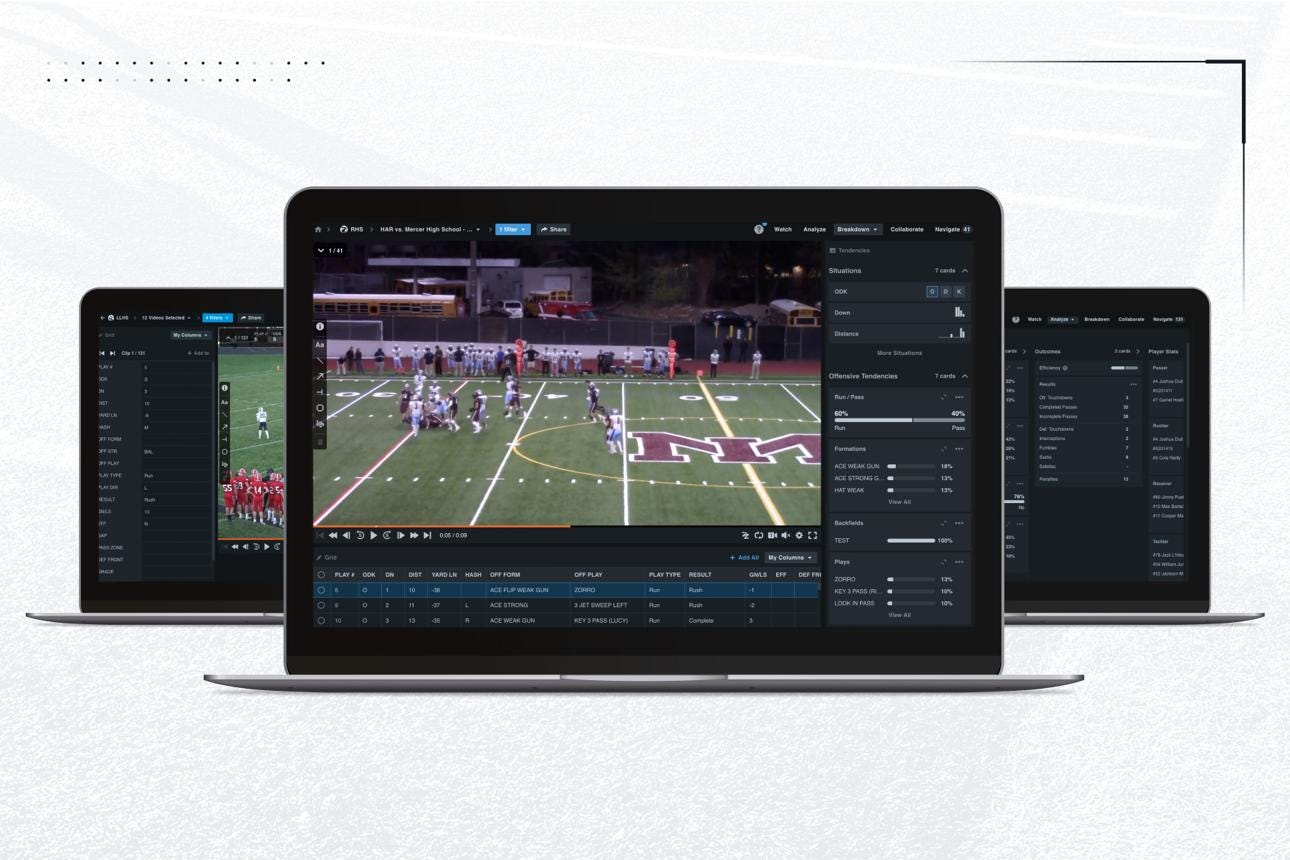
Hudl is likely to remain one of Teamworks’ most important competitors in video, scouting and analytics.
Its acquisition of StatsBomb in 2024 strengthened its data and scouting capabilities, while subsequent acquisitions expanded its presence across sports.
Potential response: Continue integrating video, data and scouting products, while selectively acquiring technologies that deepen its analytics capabilities.
Catapult Sports
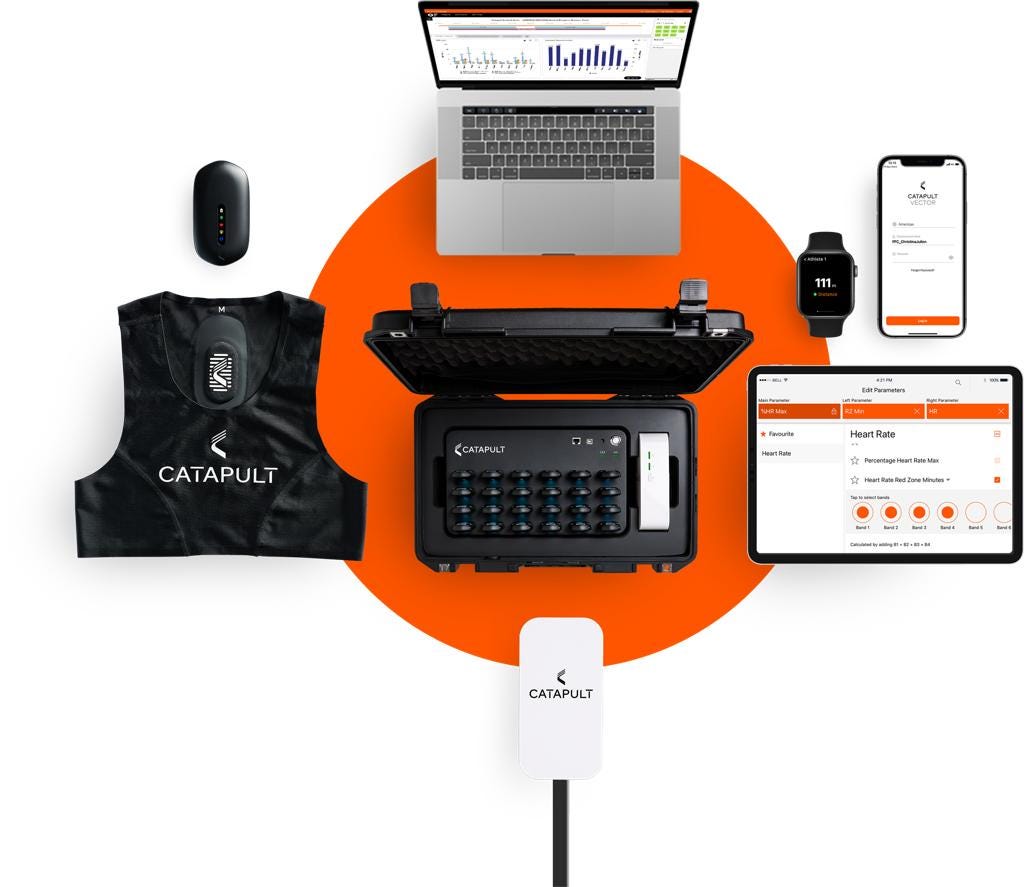
Catapult has been expanding beyond wearables into video, strength training and scouting.
Its 2025 acquisitions of Perch and IMPECT illustrate its strategy of combining athlete performance data with additional intelligence products.
Potential response: Accelerate integration of physical performance, video and scouting capabilities, particularly in soccer and other elite sports.
Sony
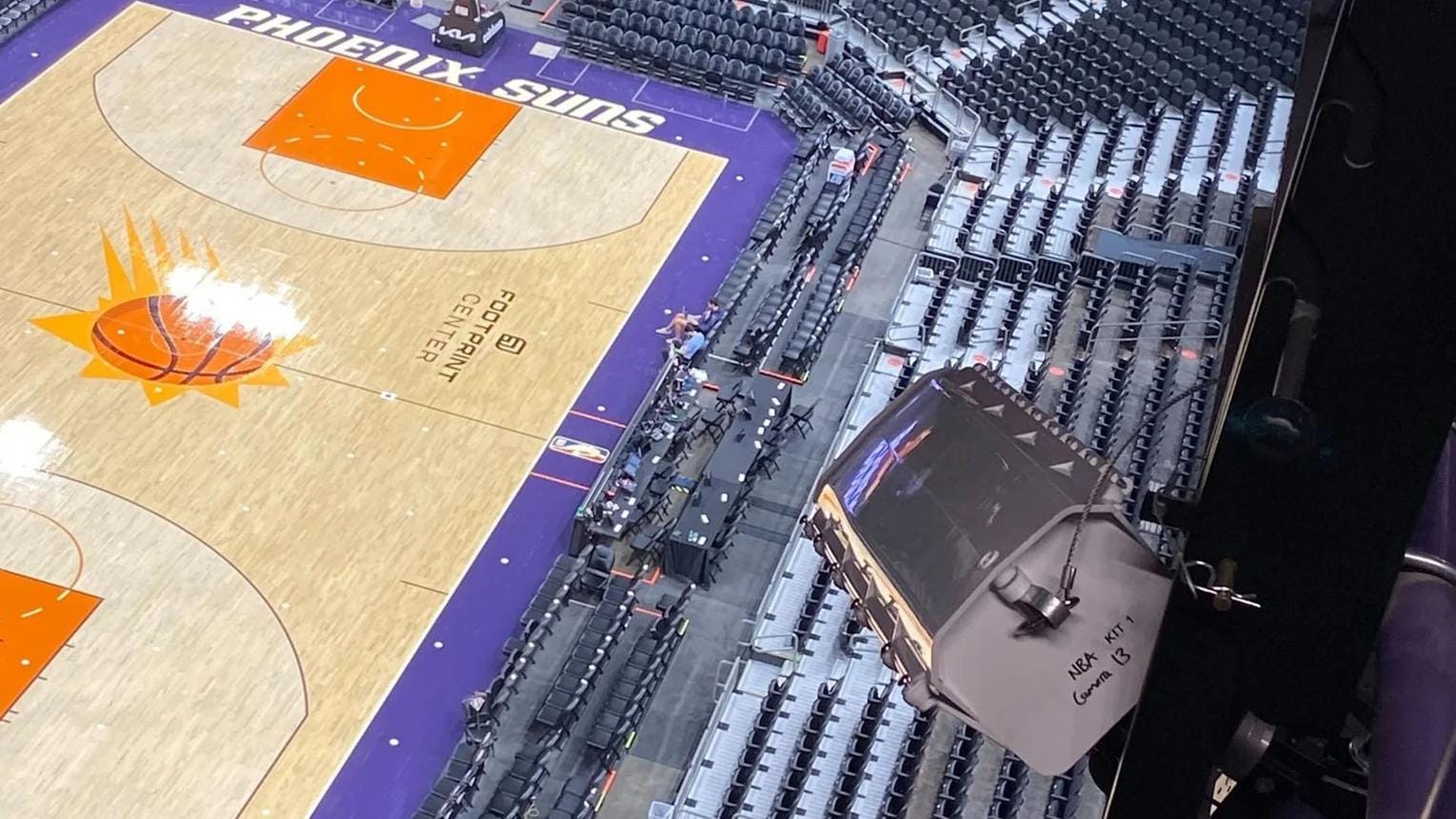
Sony has an important position in sports technology through imaging, tracking and data capabilities, including Hawk-Eye Innovations.
Potential response: Continue developing automated tracking, computer vision and data services, with opportunities to integrate these technologies into broader sports production and analysis workflows.
Genius Sports
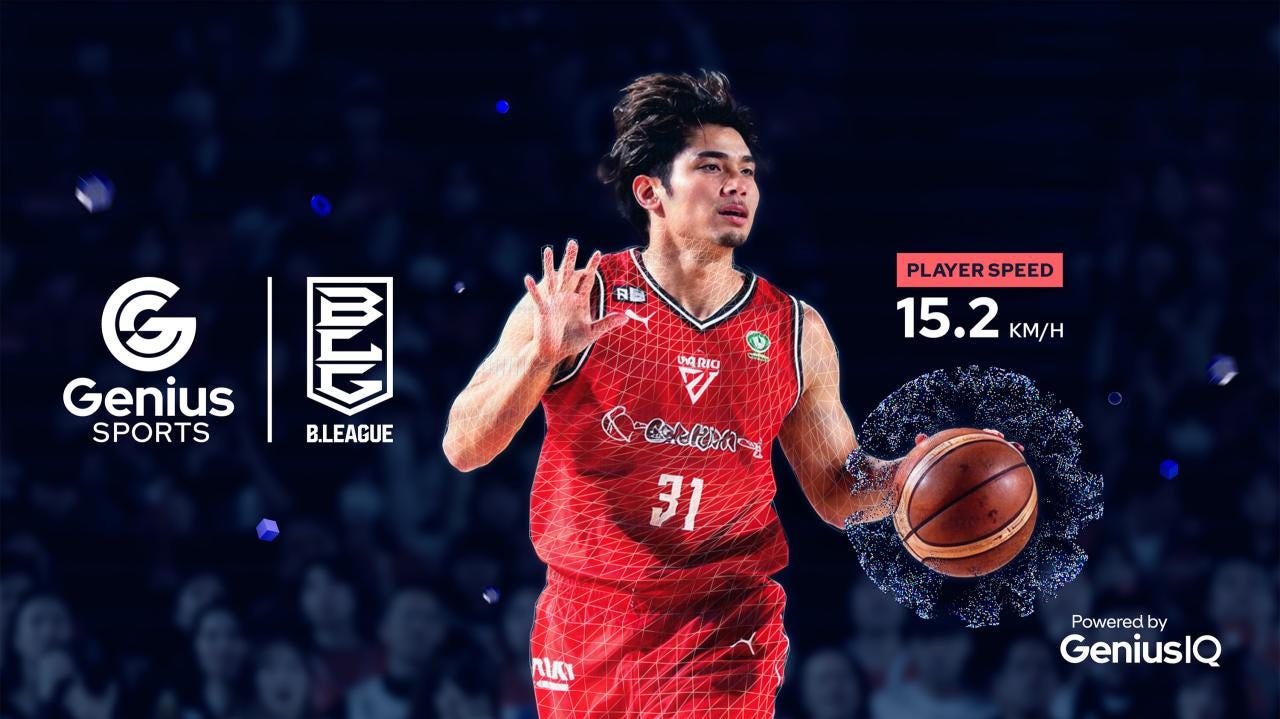
Genius Sports operates in sports data, betting technology and related analytics markets.
Potential response: Focus on proprietary data, computer vision, media technology and opportunities that strengthen its position with leagues, sportsbooks and commercial partners.
Competitive implications at a glance
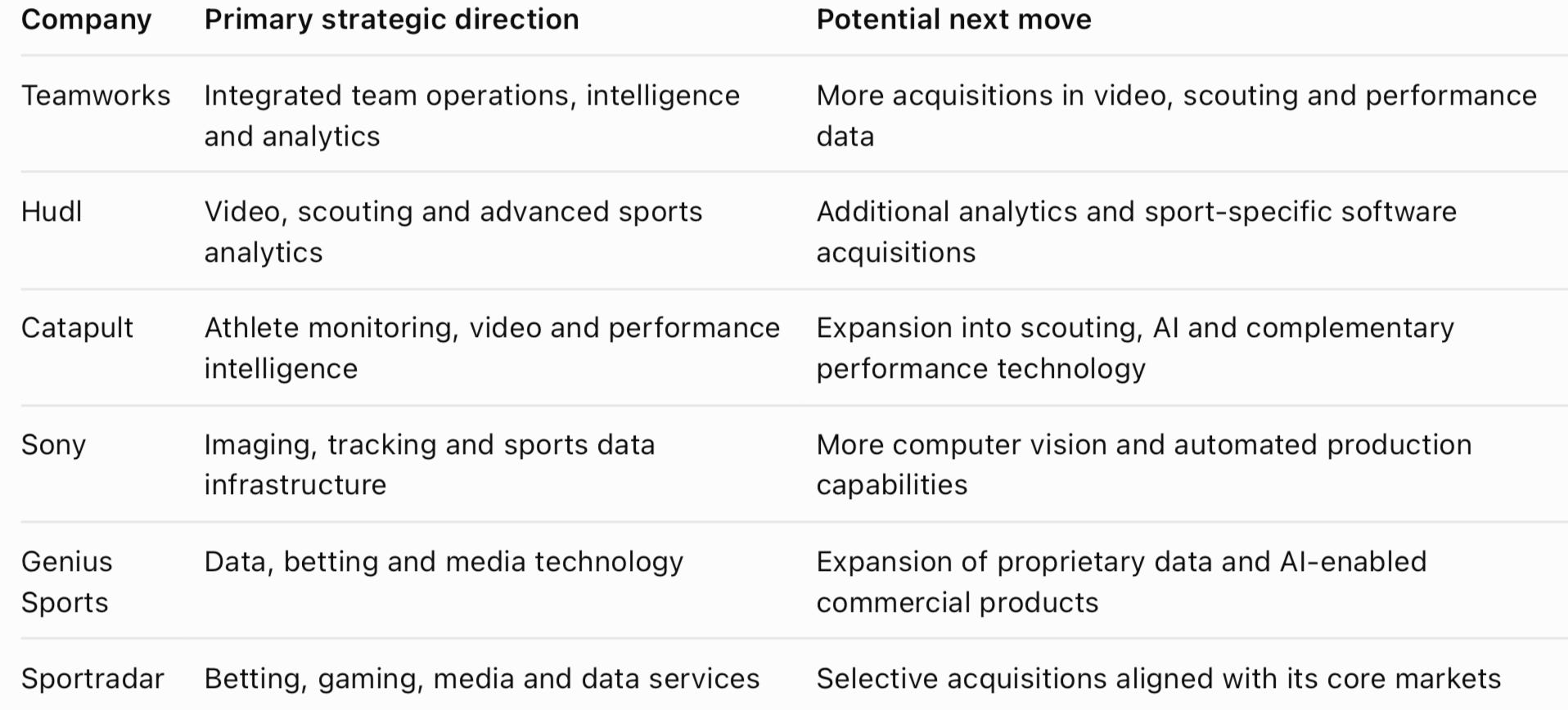
The biggest competitive shift may be the increasing overlap between companies that historically served different departments within professional teams.
How This Acquisition Fits a Larger Industry Trend
The Atrium Sports transaction is part of a broader consolidation trend.
For many years, sports technology was highly fragmented.
Teams purchased GPS systems from one vendor, video analysis from another, athlete management software from a third, and scouting solutions from additional providers.
That model created several challenges:
Multiple subscriptions and vendor relationships.
Data stored in separate systems.
Integration and interoperability problems.
Additional administrative work for practitioners.
Difficulty combining information into actionable insights.
Larger technology providers increasingly see an opportunity to address these challenges through integrated platforms.
The convergence of sports technology
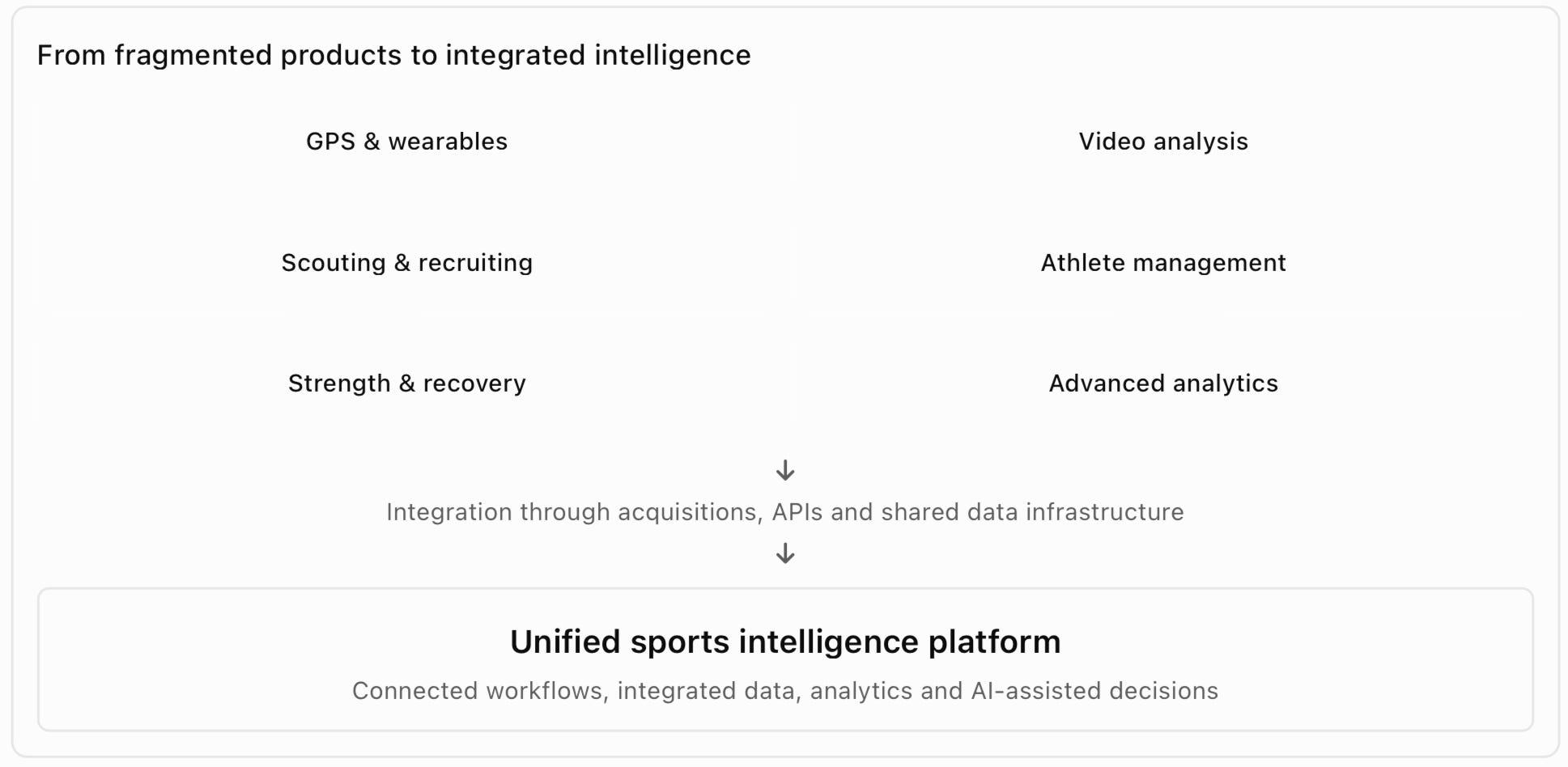
While their approaches differ, they are increasingly competing to become central technology partners for professional sports organizations.
Upside Take: The industry is moving from selling individual products toward selling interconnected technology ecosystems.
However, there is an important caveat.
Acquiring several companies does not automatically create an integrated platform. Successful integration requires compatible data structures, reliable workflows, strong customer support and meaningful interoperability.
That is where the next phase of competition will be decided.
Future M&A Trends: What Could Happen Next?
We expect further consolidation across the sports technology industry over the next three to five years.
Several categories could become attractive acquisition targets.
A. AI-powered sports analytics startups
Companies developing AI-based scouting, player evaluation, automated reporting and performance analysis could attract interest from larger platforms.
The strategic value lies in converting large volumes of data into actionable insights.
B. Computer vision and markerless motion capture
Camera-based technologies are becoming increasingly relevant to athlete tracking, biomechanics and performance analysis.
These businesses may attract buyers seeking to expand their capabilities without relying exclusively on wearable hardware.
C. Athlete management and data integration platforms
As teams seek to connect information from multiple sources, companies offering data infrastructure, APIs and interoperable software could become attractive targets.
D. Strength training and rehabilitation technologies
Catapult’s acquisition of Perch illustrates the growing interest in technologies used inside the weight room.
Additional opportunities could emerge in strength assessment, rehabilitation monitoring and movement analysis.
E. Specialized sport-specific analytics
Teamworks’ acquisitions of Telemetry Sports, Sportlogiq and PFF’s enterprise business demonstrate the value of acquiring established capabilities within particular sports.
We may see similar interest in analytics companies specializing in basketball, soccer, baseball, rugby and other sports.
F. Further consolidation among mid-sized vendors
Some smaller sports-tech companies may struggle to compete with larger platforms offering multiple integrated products.
Others may lack the capital required to expand internationally, invest in AI or support increasingly complex customer requirements.
For these companies, acquisition by a larger provider may become an attractive exit strategy.
Three possible scenarios for the industry
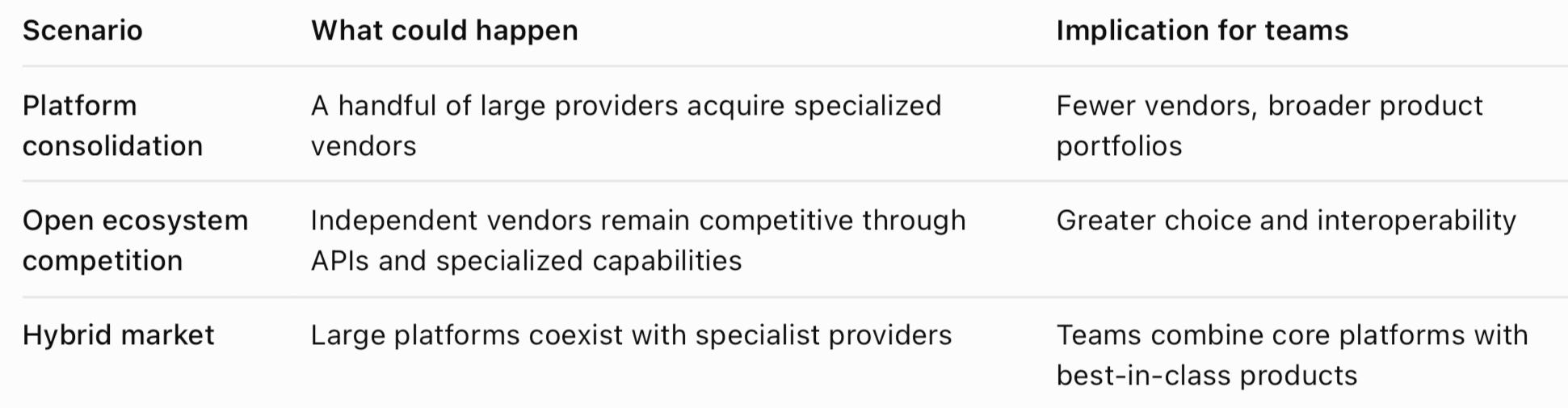
Of these, the hybrid model appears the most plausible near-term outcome.
Professional teams have diverse requirements, and no single company is likely to provide the best solution in every technology category.
Specialized startups can continue to succeed when they deliver superior capabilities, scientific credibility and strong customer service.
Conclusion
Sportradar’s agreement to sell Atrium Sports to Teamworks for $170 million is more than a financial transaction.
It highlights two different approaches to building successful sports technology businesses.
Teamworks is expanding its presence across team operations, coaching, scouting and performance intelligence.
Sportradar is sharpening its focus on betting, gaming, media and the technologies that support those businesses.
For Teamworks, the acquisition adds established coaching and scouting capabilities, particularly in basketball and baseball, while creating opportunities to integrate these products with its existing analytics and operational software.
For Sportradar, the sale provides additional capital and allows the company to concentrate on markets more closely aligned with its strategic priorities.
For competitors such as Hudl, Catapult and Sony, the transaction is another reminder that the competitive landscape is changing rapidly.
And for independent sports-tech startups, it reinforces an important reality: companies with valuable technology, strong customer relationships and differentiated intellectual property may become increasingly attractive acquisition targets.
But the implications for professional teams deserve equal attention.
Consolidation could simplify technology procurement and improve data integration. It could also create risks around vendor dependence, pricing, product flexibility and customer choice.
Ultimately, the winners will not necessarily be the companies that acquire the most startups.
They will be the companies that successfully integrate their technologies, deliver meaningful value to practitioners and help teams make better decisions.
At Upside, we believe the next phase of sports technology will be defined less by the number of products a vendor owns and more by how effectively those products work together.
The $170 million Atrium Sports transaction is another significant step in that direction.