
🏀 Upside Basketball Study (1): From Star Player to Star Coach? Does NBA Playing Performance Predict Coaching Success?
Published in the Journal of Management Scientific Reports (August 2026) by Joyce Elena Schleu, Kai N. Klasmeier, Jens Mazei and Joachim Hüffmeier.
Study: From Star Player to Star Coach? The Longitudinal Validity of Performance-Based Promotion in the National Basketball Association.
Authors: Joyce Elena Schleu, Kai N. Klasmeier, Jens Mazei and Joachim Hüffmeier.
Institutions: Radboud University (Netherlands), Federal Institute for Occupational Safety and Health (Germany), and TU Dortmund University (Germany).
Full study: Access the published research
🧩 Introduction
Does being an exceptional NBA player make someone more likely to become a successful NBA head coach? And should professional sports organizations prioritize former elite athletes when recruiting their future leaders?
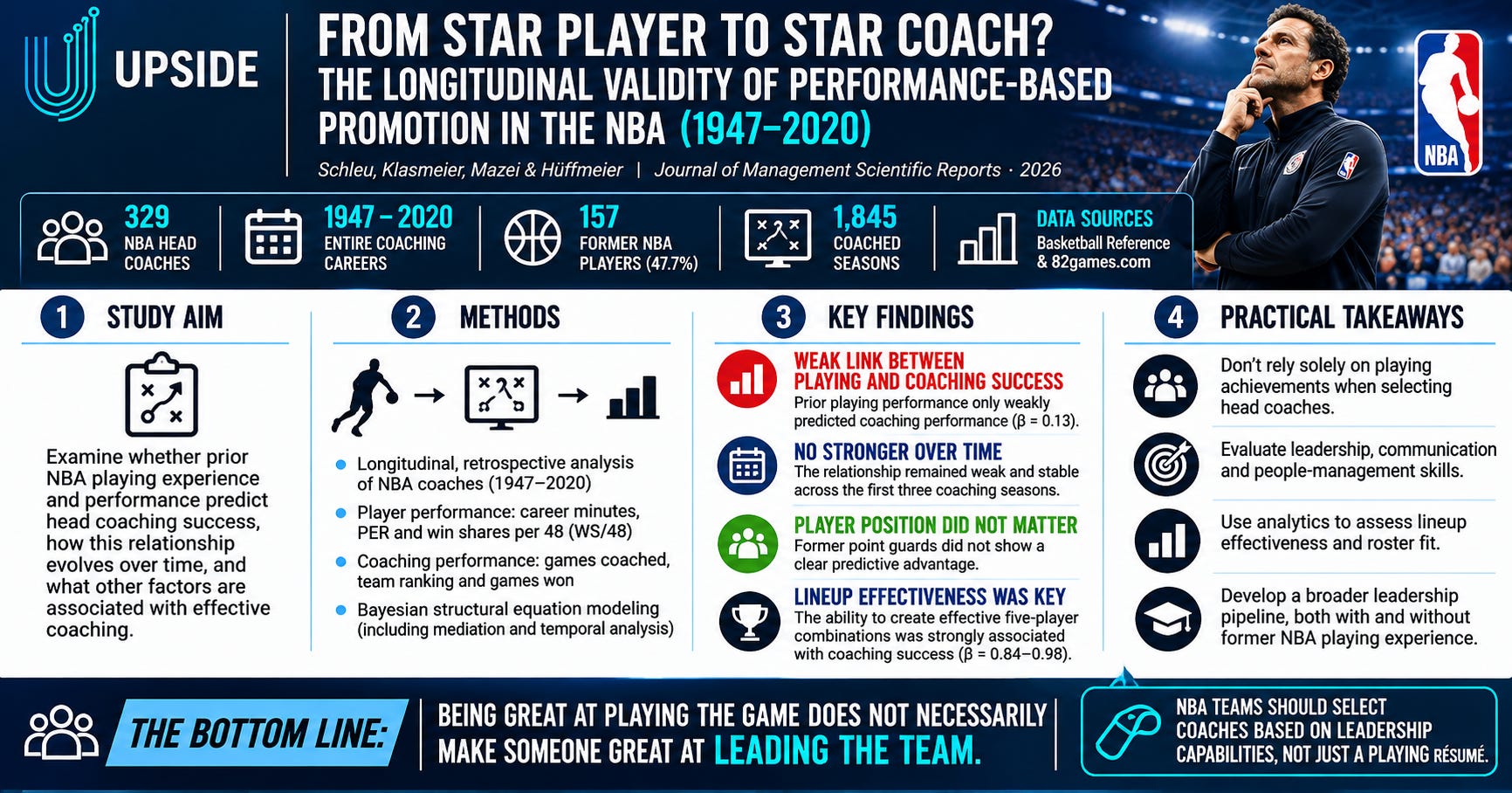
This study examined the careers of 329 NBA head coaches between 1947 and 2020, investigating whether previous playing experience and individual player performance could predict subsequent coaching success.
The researchers also examined whether the relationship between playing performance and coaching effectiveness became stronger or weaker over time, whether former point guards had a particular advantage, and whether successful former players were better at identifying effective player combinations.
One of the most important findings was that previous NBA playing performance was only a weak predictor of subsequent coaching performance, and this relationship remained weak over time.
The findings challenge the traditional assumption that high-performing athletes naturally possess the skills required to become high-performing coaches.
Beyond basketball, the research raises important questions for professional sports organizations about leadership recruitment, succession planning and the promotion of practitioners into senior management positions.
From star player to star coach - The longitudinal validity of performance-based promotion in the National Basketball Association.pdf
🧪 Study Overview
Design: Longitudinal retrospective analysis using historical NBA player and head coaching performance data.
Period analyzed: 1947–2020.
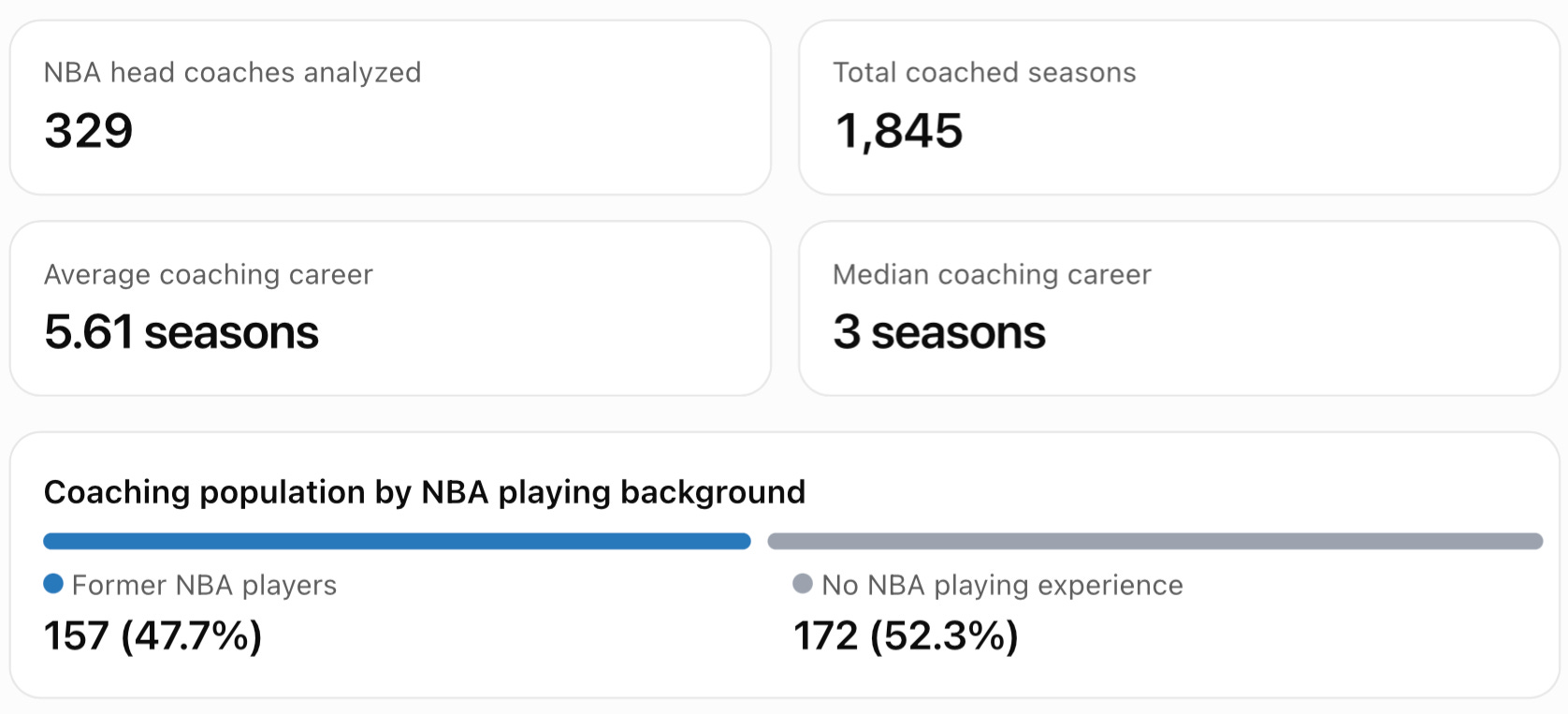
Data sources: Basketball Reference and 82games.com.
The main longitudinal analysis focused on the first three head coaching seasons of 157 former NBA players, representing 387 coached seasons.
A separate analysis of lineup effectiveness used data from 92 coaches across 425 coached seasons between 2004 and 2019.
Player and coaching performance indicators

The researchers also examined previous assistant coaching experience, player position, team quality before the coach’s appointment, continuity with the franchise and previous playing experience with the same organization.
Statistical methods included Bayesian structural equation modeling and Bayesian multilevel structural equation modeling.
From star player to star coach - The longitudinal validity of performance-based promotion in the National Basketball Association.pdf
From star player to star coach - The longitudinal validity of performance-based promotion in the National Basketball Association.pdf
📊 Key Findings
🏀 1. Being a Former NBA Player Does Not Necessarily Make Someone a Better Head Coach
One of the most interesting findings was that previous NBA playing experience alone had very limited predictive value for head coaching success.
The researchers compared the coaching performance of former NBA players with coaches who had never played in the NBA.

Although former NBA players demonstrated a slight advantage in the number of games coached, the magnitude of the relationship was very small.
Previous NBA playing experience may provide valuable knowledge of the competitive environment, locker room dynamics and tactical requirements. However, the findings suggest that this experience alone is insufficient to reliably predict coaching effectiveness.
Implication: NBA franchises should avoid placing disproportionate emphasis on previous professional playing experience when evaluating head coaching candidates.
From star player to star coach - The longitudinal validity of performance-based promotion in the National Basketball Association.pdf
📉 2. Elite Playing Performance Was Only a Weak Predictor of Coaching Success
The researchers investigated whether the most successful former NBA players subsequently became the most successful head coaches.
Player performance was evaluated using career minutes played, Player Efficiency Rating (PER) and Win Shares per 48 minutes.
The main analysis identified a weak positive relationship between previous playing performance and subsequent coaching performance, with a standardized coefficient of β = 0.13 (95% credible interval: 0.02–0.25).
Strength of the relationship between playing and coaching performance
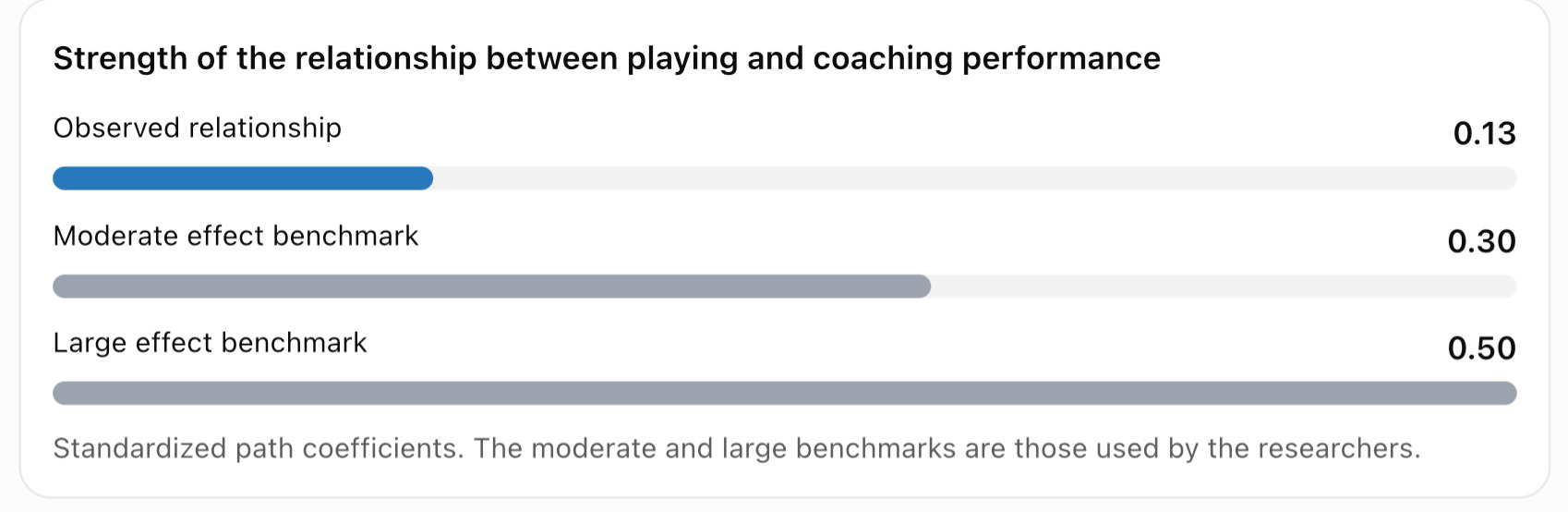
Standardized path coefficients. The moderate and large benchmarks are those used by the researchers.
This suggests that the characteristics that make someone an exceptional basketball player are not necessarily the same characteristics that make someone an exceptional head coach.
For example, shooting accuracy, athleticism, wingspan and the ability to perform under physical pressure are important for players. However, head coaches require additional competencies, including communication, strategic planning, player development, motivation and personnel management.
The findings do not suggest that former star players cannot become exceptional coaches. Rather, their previous playing achievements provide limited information about their future coaching effectiveness.
📅 3. The Advantage of Former Star Players Did Not Increase Over Time
Another important objective was to determine whether former high-performing players became more effective coaches as they accumulated coaching experience.
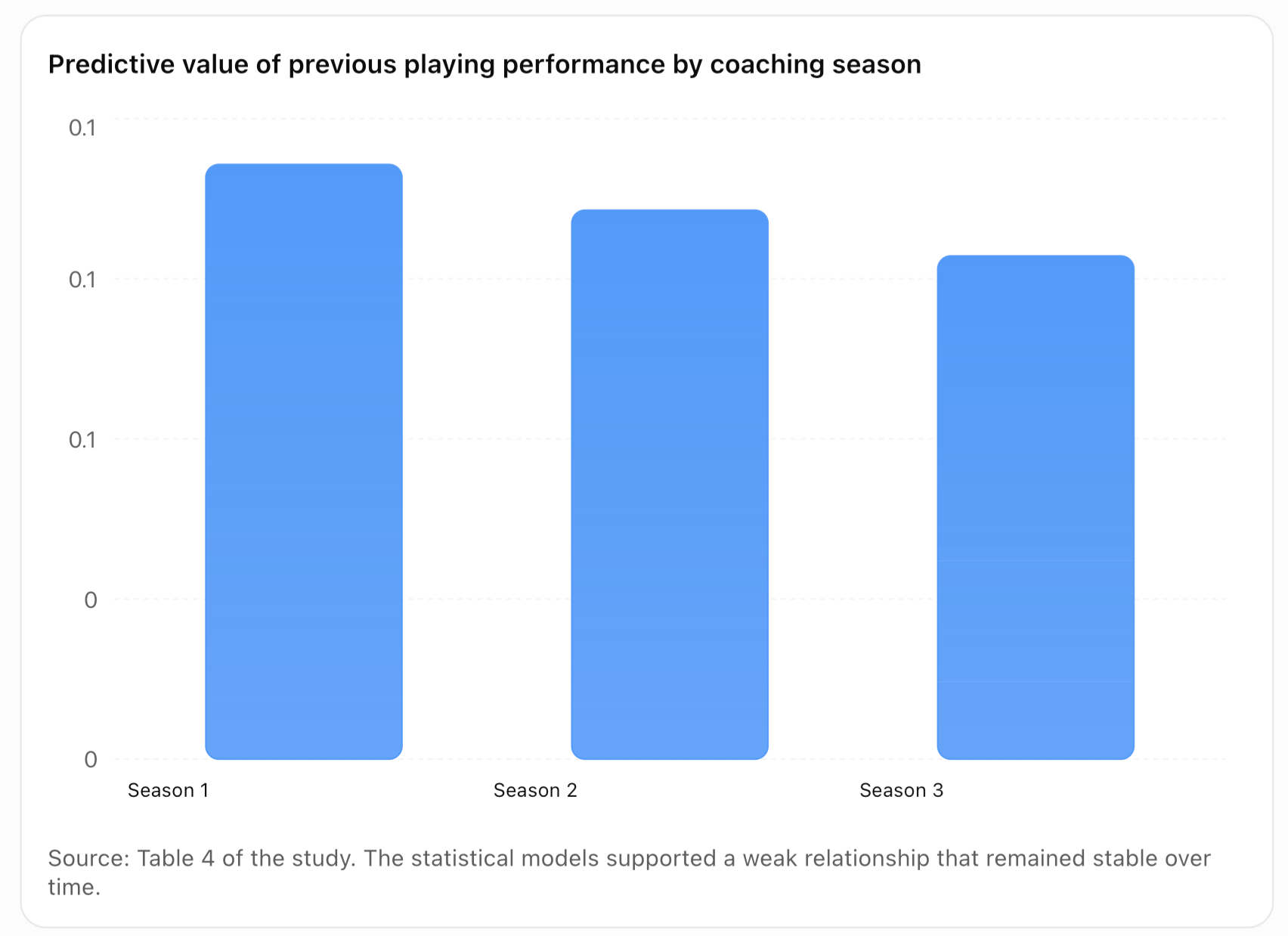
The researchers evaluated the relationship between playing performance and coaching performance across the first three seasons of a head coach’s career.
The researchers tested three competing leadership perspectives:

The Theory of Expert Leadership suggests that former elite performers should gradually become more effective leaders because of their superior domain expertise and strategic decision-making capabilities.
However, the researchers did not find evidence supporting this prediction in the NBA.
Even when the analysis was restricted to 115 coaches with continuous employment at the same franchise, the relationship did not become stronger over time.
Implication: NBA organizations should not assume that the advantages associated with a successful playing career will automatically translate into superior coaching performance as a coach gains experience.
🎯 4. Former Point Guards Did Not Demonstrate a Clear Predictive Advantage
Point guards are frequently described as coaches on the floor because of their responsibilities for organizing offensive plays, reading defenses, communicating with teammates and making tactical decisions under pressure.
The researchers hypothesized that the performance of former point guards might be a stronger predictor of coaching success than the performance of players from other positions.
The rationale was that point guards share several responsibilities with head coaches, including:
Tactical decision-making.
Communication and leadership.
Organizing offensive and defensive plays.
Reading opposition strategies.
Adjusting team behavior during games.
However, the statistical analysis did not identify a reliable difference in the predictive relationship between previous playing performance and coaching success for point guards compared with other positions.
One possible explanation is that managing a team’s tactical decisions during a game remains substantially different from managing an entire roster, coaching staff and competitive strategy over a full NBA season.
The findings do not establish that point guards are worse or better coaches overall. They indicate that previous playing performance was not a reliably stronger predictor of coaching success for this particular position.
👥 5. Effective Player Combinations Were Strongly Associated With Coaching Success
One of the strongest findings concerned functional leadership, which the researchers defined as the ability to use available team resources to create an effective team.
To evaluate this capability, the researchers analyzed the 20 most frequently used five-player lineups, calculating their winning percentages weighted by playing time.
The results demonstrated a strong relationship between lineup effectiveness and overall coaching performance.
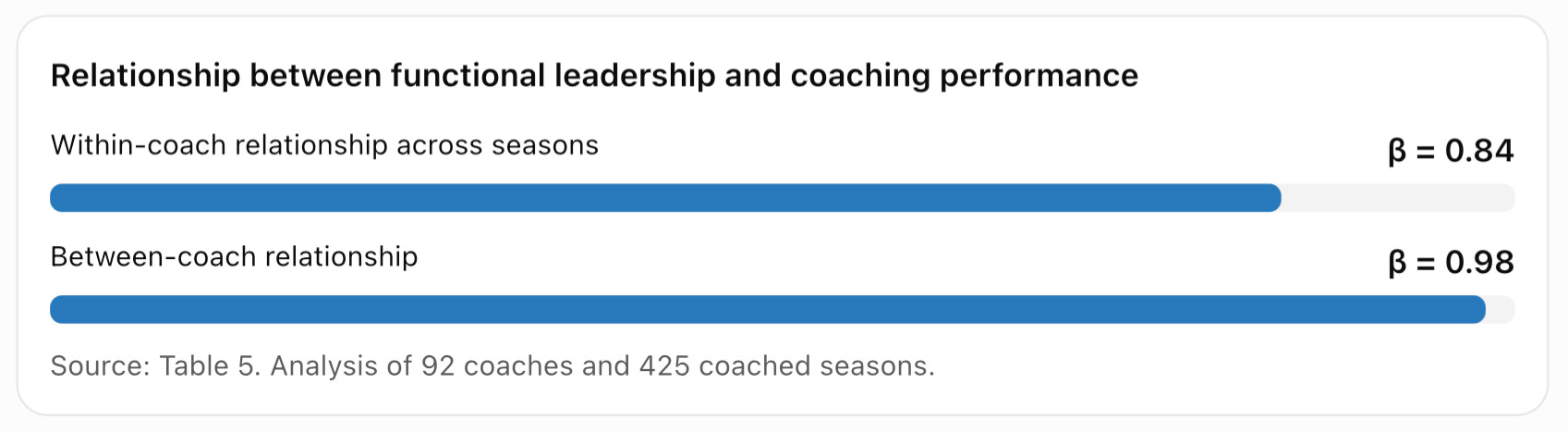
This finding highlights the potential importance of a coach’s ability to identify complementary players, optimize rotations and create effective tactical combinations.
However, the lineup metric and overall coaching performance both reflect team results. Consequently, the strong association should not be interpreted as proof that lineup selection independently caused better coaching outcomes.
For NBA coaching and analytics departments, the findings nevertheless reinforce the value of evaluating collective performance rather than individual player talent alone.
🔍 6. Former Star Players Were Not Necessarily Better at Building Effective Lineups
Interestingly, despite the strong relationship between functional leadership and coaching performance, the researchers did not find evidence that better former NBA players were more effective at composing successful five-player lineups.
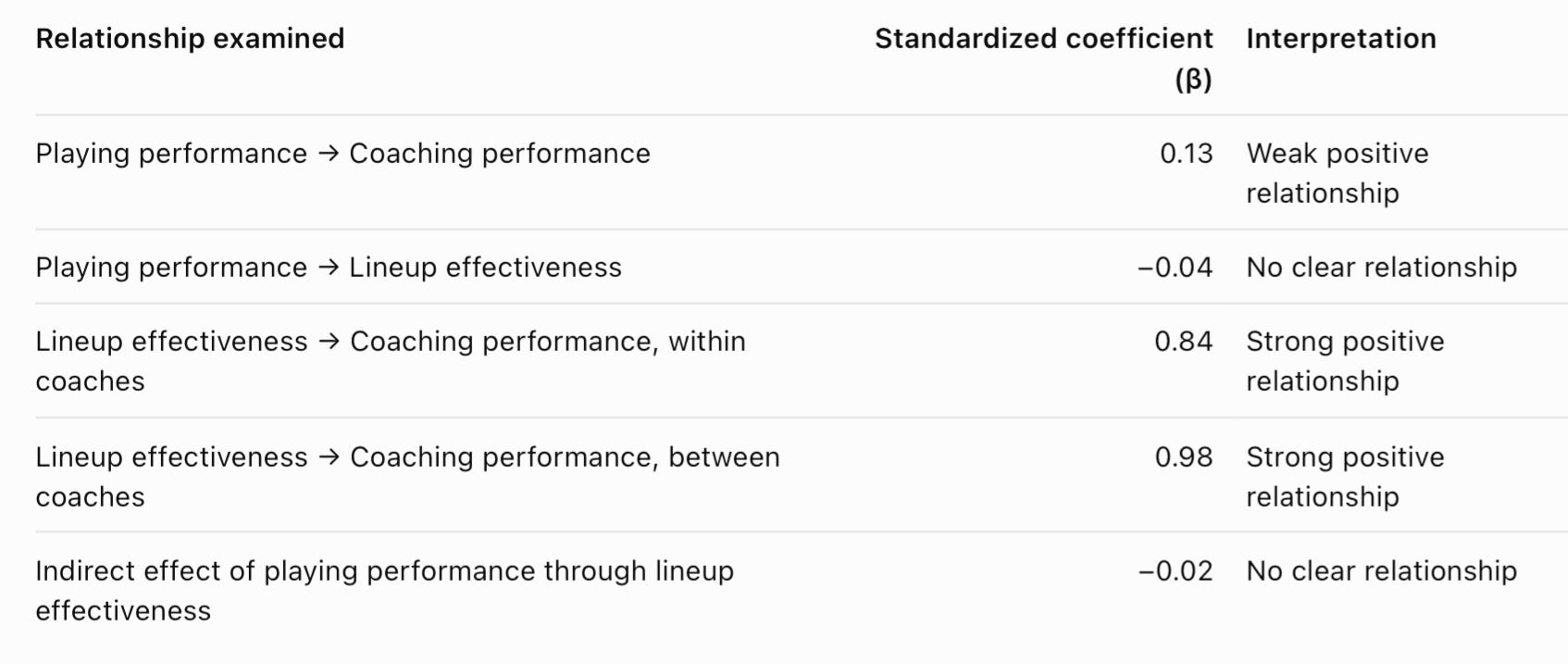
The results suggest that understanding how to perform effectively as an individual player is not necessarily equivalent to understanding how to optimize the collective performance of an entire team.
This distinction is particularly relevant in modern basketball, where coaches must balance individual talent, tactical compatibility, defensive matchups, player availability and rotation management.
The researchers found no evidence that functional leadership, as measured in this study, explained the relationship between previous playing performance and coaching success.
🧠 Implications for NBA Teams and Practitioners
The study has several important implications for NBA executives, coaching staff, performance directors, analytics departments and human resources professionals.
For NBA executives and general managers, the findings suggest that coaching recruitment should focus more heavily on demonstrated leadership competencies rather than previous playing achievements. Successful coaching experience in lower leagues, international basketball or other relevant environments may provide valuable evidence of a candidate’s suitability.
For head coaches and assistant coaches, the research highlights the importance of developing competencies that extend beyond technical basketball knowledge. Communication, conflict management, tactical adaptability, player development and the ability to manage multidisciplinary teams are all relevant to the responsibilities of a head coach.
For basketball analytics departments, the findings reinforce the importance of evaluating lineup effectiveness and understanding how different players perform collectively. Analytics tools could help coaching staff identify complementary player combinations, evaluate rotations and contextualize team performance.
For sports performance and medical departments, the study raises a broader leadership question. Should the most technically proficient strength and conditioning coach, athletic trainer, rehabilitation specialist or sports scientist automatically be promoted to a departmental leadership position?
Managing a performance or medical department requires competencies that extend beyond technical expertise, including staff management, interdisciplinary communication, strategic planning, resource allocation and organizational leadership.
These are practical extensions of the research. The study did not directly evaluate leadership effectiveness among sports performance or medical practitioners.
📌 Recommendations
For NBA General Managers and Team Executives
Avoid using previous NBA playing achievements as the primary criterion for selecting head coaches.
Evaluate candidates based on demonstrated leadership and coaching competencies.
Consider successful coaching experience in international leagues, collegiate basketball and developmental leagues.
Use structured interviews, leadership assessments and realistic coaching scenarios during recruitment.
Assess whether a candidate’s leadership capabilities align with the franchise’s competitive objectives, including rebuilding, player development or championship contention.
Broaden the candidate pool to include qualified individuals without previous NBA playing experience.
For Head Coaches and Assistant Coaches
Develop leadership, communication and personnel management skills alongside technical basketball knowledge.
Use objective performance data to evaluate tactical decisions and player rotations.
Collaborate closely with analytics, medical and sports performance departments.
Develop individualized approaches to player motivation and development.
Seek mentorship and professional development opportunities before transitioning into senior coaching positions.
For Basketball Analytics Departments
Evaluate the effectiveness of five-player lineups across different competitive contexts.
Analyze player compatibility, offensive efficiency and defensive performance.
Develop contextualized reports that support coaching decisions.
Evaluate lineup performance while accounting for opposition quality and available roster talent.
Avoid attributing team success exclusively to individual player or coaching performance.
For Sports Performance and Medical Directors
Distinguish technical expertise from leadership potential when promoting practitioners.
Develop succession plans that include leadership training and management responsibilities.
Assess communication, collaboration and decision-making capabilities when recruiting departmental leaders.
Provide opportunities for practitioners to gain management experience before assuming senior leadership positions.
Evaluate leadership performance using multiple indicators rather than technical proficiency alone.
For Former Professional Athletes Considering Coaching Careers
Recognize that a successful playing career provides a foundation, but not a guarantee of coaching success.
Pursue formal coaching education and leadership development.
Gain practical experience through assistant coaching and player development roles.
Develop an understanding of performance analytics and multidisciplinary team management.
Learn how to translate personal expertise into effective instruction for athletes with different abilities and learning styles.
These recommendations combine the authors’ leadership selection recommendations with practical applications for elite sports organizations. The specific interventions were not tested in the study.
⚠️ Limitations
The authors identified several important limitations.
1. Observational research design: The study relied on historical performance data. Although the researchers included control variables and longitudinal measurements, they could not establish causal relationships between playing experience and coaching success.
2. Limited measurement of leadership competencies: Coaching performance was primarily evaluated through wins, team rankings and the number of games coached. Communication, player satisfaction, team culture, emotional intelligence and other leadership characteristics were not directly measured.
3. Limited longitudinal analysis: Although the historical dataset covered more than seven decades, the main predictive analysis focused on the first three coaching seasons. This limits conclusions about how the relationship might evolve over longer coaching careers.
4. Limited measurement of functional leadership: The researchers used five-player lineup effectiveness as a proxy for functional leadership. Alternative offensive and defensive lineup measures could not be incorporated successfully into the mediation models because of statistical convergence problems.
5. Historical changes in the NBA: The dataset covered 1947–2020, a period during which basketball tactics, coaching responsibilities, sports technology, league regulations and organizational structures evolved considerably.
6. Male-only population: All head coaches included in the study were men. Additional research is required to determine whether the findings apply to women’s basketball and more diverse leadership populations.
7. Limited measurement of organizational resources: Historical financial and payroll data were not sufficiently available to incorporate comprehensive organizational resource measures into the main longitudinal analysis.
8. Limited generalizability: The NBA represents a highly competitive and specialized professional environment. The findings cannot automatically be generalized to other sports, collegiate athletics or traditional corporate organizations.
9. Selection bias and restricted performance range: The research examined individuals who had already secured NBA head coaching positions. It therefore cannot establish how former players who never received coaching opportunities would have performed.
Future research should incorporate direct assessments of leadership behavior, player satisfaction, organizational culture, coaching development, tactical decision-making and longer-term coaching outcomes.
✅ Conclusion
This study provides important insights into the relationship between previous athletic performance and subsequent leadership effectiveness in professional basketball.
After examining the careers of 329 NBA head coaches between 1947 and 2020, the researchers found that previous NBA playing experience and individual playing performance had limited predictive value for coaching success.
The relationship between playing performance and coaching effectiveness remained weak across the first three coaching seasons, while previous playing position did not significantly strengthen this relationship.
At the same time, the ability to create effective five-player combinations was strongly associated with coaching performance. However, former high-performing NBA players did not demonstrate a clear advantage in this particular capability.
For NBA franchises, the findings reinforce the importance of developing evidence-based recruitment strategies that prioritize demonstrated coaching competencies, leadership capabilities and organizational fit rather than relying excessively on a candidate’s reputation as a former player.
For sports performance and medical departments, the research also raises important questions about how organizations identify and develop their future leaders. Being an exceptional practitioner does not necessarily mean that someone will become an exceptional department director.
Technical expertise remains valuable, but leadership requires a broader and potentially different set of competencies.
The central takeaway is simple:
Being great at playing the game does not necessarily make someone great at leading the team. In elite sports, organizations should select their future leaders based not only on what they accomplished in their previous roles, but also on their ability to help others succeed.
🏈 Upside NFL Study: Video Analysis of Achilles Tendon Ruptures in the National Football League (2018–2024)
Published in The American Journal of Sports Medicine (2026).
Study: Video Analysis of Achilles Tendon Ruptures in the National Football League: Situational Patterns, Injury Mechanisms, and Paths for Injury Prevention.
Authors: Rachel H. Teater, Bronislaw Gepner, Cody M. O’Cain, Laura C. Schmitt, Ryan Butcher, Nate Weir, Robert B. Anderson, and E. Meade Spratley.
Institutions: Biomechanics Consulting and Research, University of Virginia, The Ohio State University, Green Bay Packers, and OrthoCarolina.
Research funding: National Football League (NFL) and National Football League Players Association (NFLPA).
Full study: Download the original research paper.
🧩 Introduction
Why do NFL players rupture their Achilles tendons during seemingly low-intensity movements, and could changes in movement mechanics help prevent one of the most devastating injuries in professional football?
Achilles tendon ruptures (ATRs) are among the most severe musculoskeletal injuries in the NFL, comparable to anterior cruciate ligament (ACL) tears in terms of time lost. Previous research indicates that the average return-to-play period exceeds eight months, with some athletes requiring significantly longer recovery periods and others experiencing career-ending injuries.
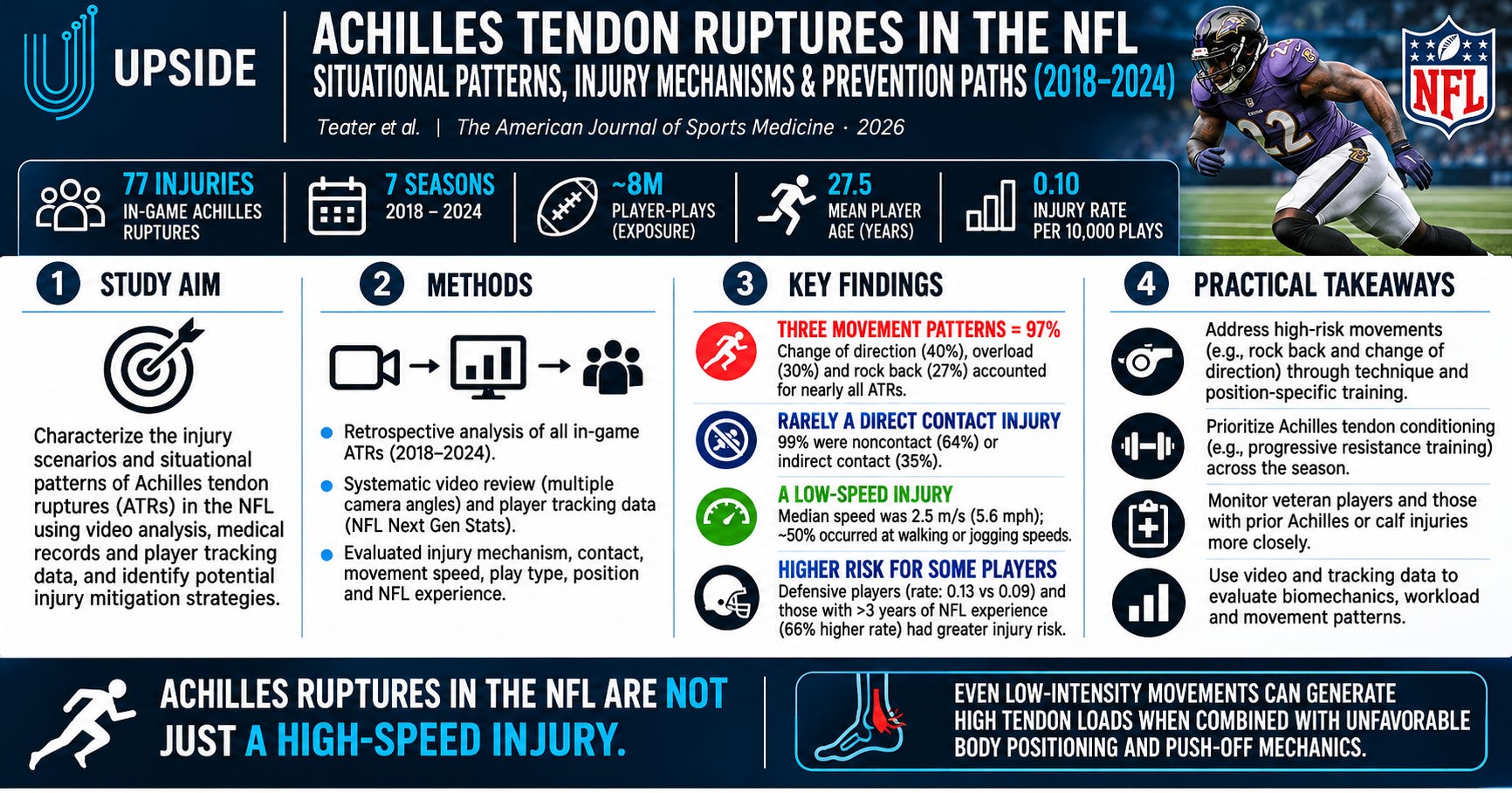
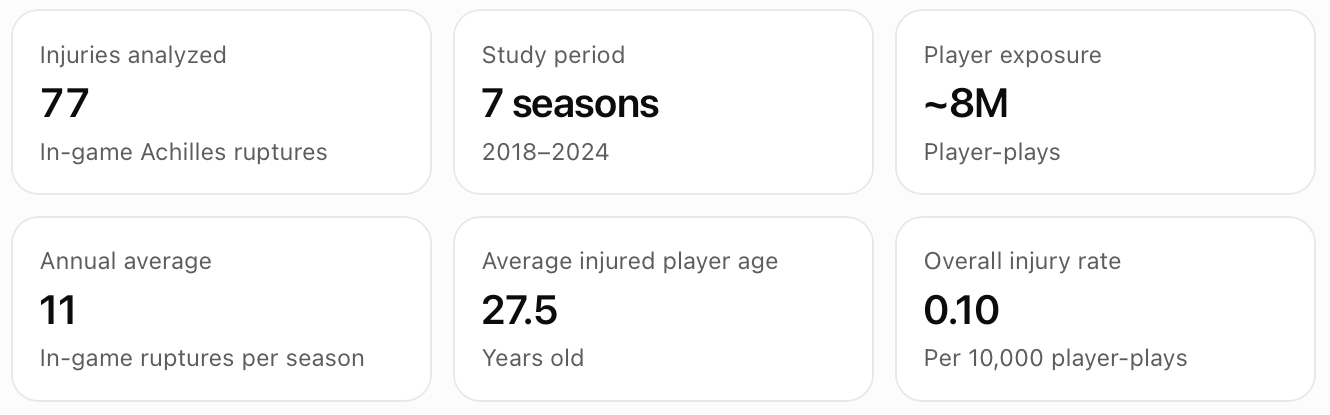
This study analyzed 77 Achilles tendon ruptures across seven NFL seasons (2018–2024), combining systematic video analysis, league-wide electronic medical records, epidemiological data, and synchronized player tracking information from the NFL’s Next Gen Stats platform.
One of the most surprising findings was that Achilles tendon ruptures predominantly occurred during relatively low-speed movements rather than maximum-speed running or direct collisions.
The researchers also identified three primary injury scenarios accounting for 97% of all ruptures: change of direction, overload, and rock back movements.
These findings suggest that injury prevention strategies may need to place greater emphasis on body positioning, push-off mechanics, tendon health, and position-specific movement patterns rather than focusing exclusively on high-speed running exposure.
Video Analysis of Achilles Tendon Ruptures in the National Football League - Situational Patterns, Injury Mechanisms, and Paths for Injury Prevention.pdf
🧪 Study Overview
Design: Retrospective descriptive epidemiological study combining systematic video analysis and player tracking data.
Data sources:
NFL centralized electronic medical records (EMR).
NFL Game Statistics and Information System (GSIS).
NFL Next Gen Stats (NGS), powered by Zebra Technologies.
Multiple broadcast, non-broadcast, and fixed stadium camera feeds.
The researchers initially identified 78 injuries involving 77 unique players. One injury occurring between plays was excluded, leaving 77 live-game injuries for analysis.
Two independent biomechanics experts reviewed each injury, typically using between five and 20 synchronized camera angles recorded at 30–60 frames per second. Player tracking data were collected at 10 Hz through sensors installed in players’ shoulder pads.
The researchers evaluated injury mechanisms, player-to-player contact, movement direction, speed at injury, player position, NFL experience, game phase, play type, and season type.
Statistical methods included exact Poisson regression, incidence rate ratios (IRRs), 95% confidence intervals, and Cohen’s kappa to assess agreement between video reviewers.
Video Analysis of Achilles Tendon Ruptures in the National Football League - Situational Patterns, Injury Mechanisms, and Paths for Injury Prevention.pdf
Video Analysis of Achilles Tendon Ruptures in the National Football League - Situational Patterns, Injury Mechanisms, and Paths for Injury Prevention.pdf
📊 Key Findings
🏈 1. Three Movement Scenarios Accounted for 97% of Achilles Tendon Ruptures
The researchers identified three primary injury scenarios that collectively accounted for 75 of the 77 Achilles tendon ruptures.
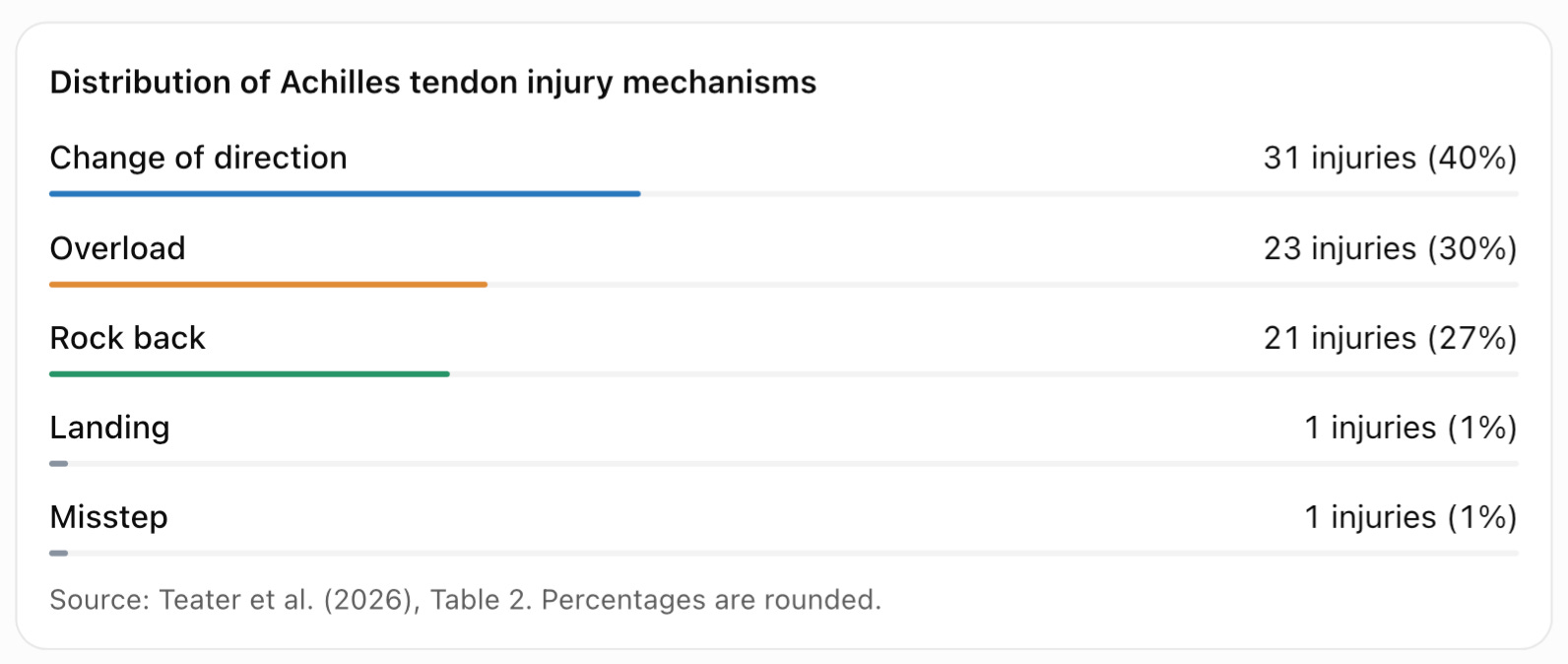
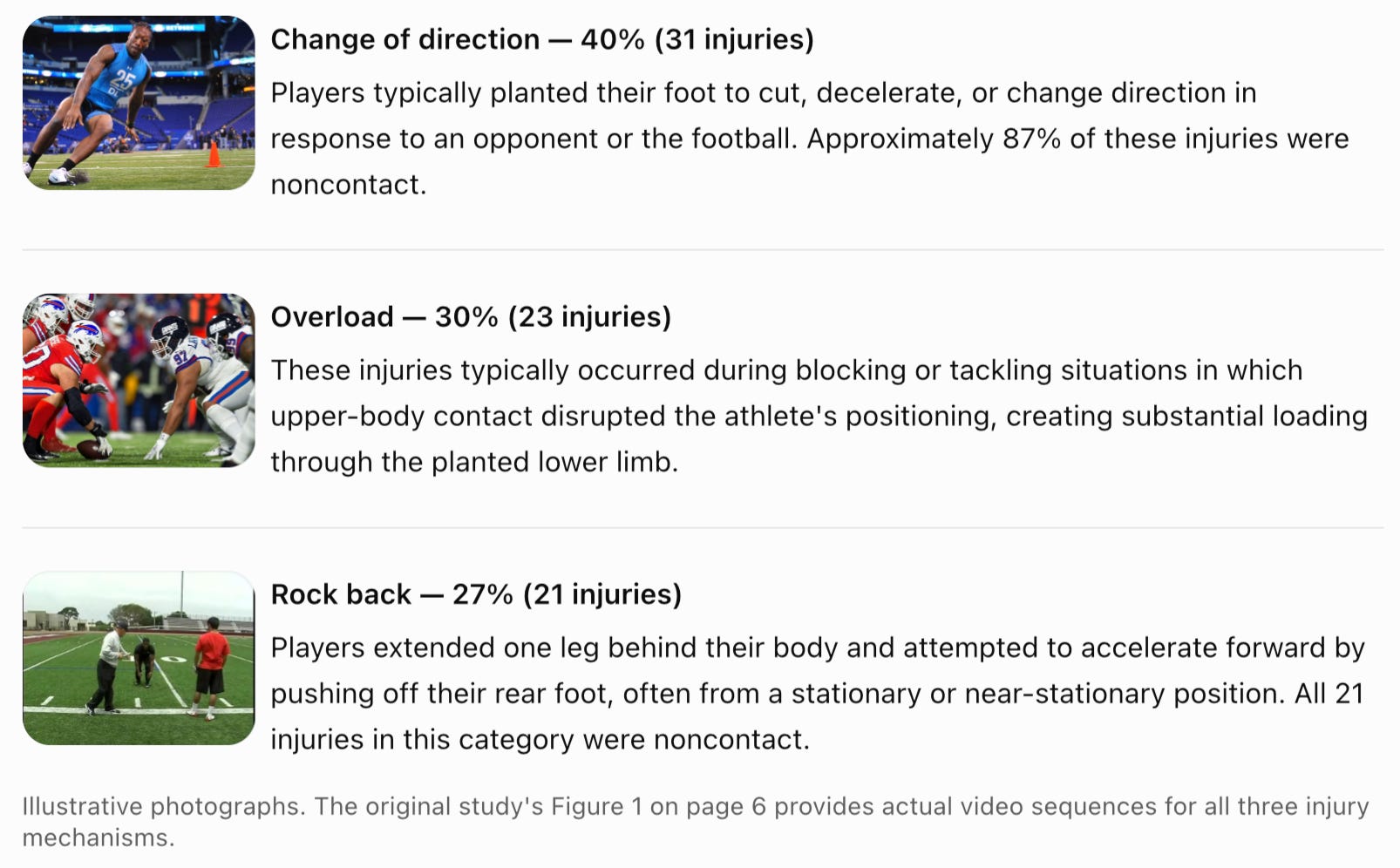
The rock back scenario is particularly interesting because it frequently involves a deliberate movement strategy rather than an unpredictable reaction to an opponent.
Implication: NFL teams may have an opportunity to address specific movement patterns through position-specific technical coaching and biomechanical interventions.
Video Analysis of Achilles Tendon Ruptures in the National Football League - Situational Patterns, Injury Mechanisms, and Paths for Injury Prevention.pdf
Video Analysis of Achilles Tendon Ruptures in the National Football League - Situational Patterns, Injury Mechanisms, and Paths for Injury Prevention.pdf
🚫 2. Nearly All Achilles Tendon Ruptures Occurred Without Direct Contact
Despite the highly physical nature of American football, direct contact with the injured lower limb was rarely involved in Achilles tendon ruptures.
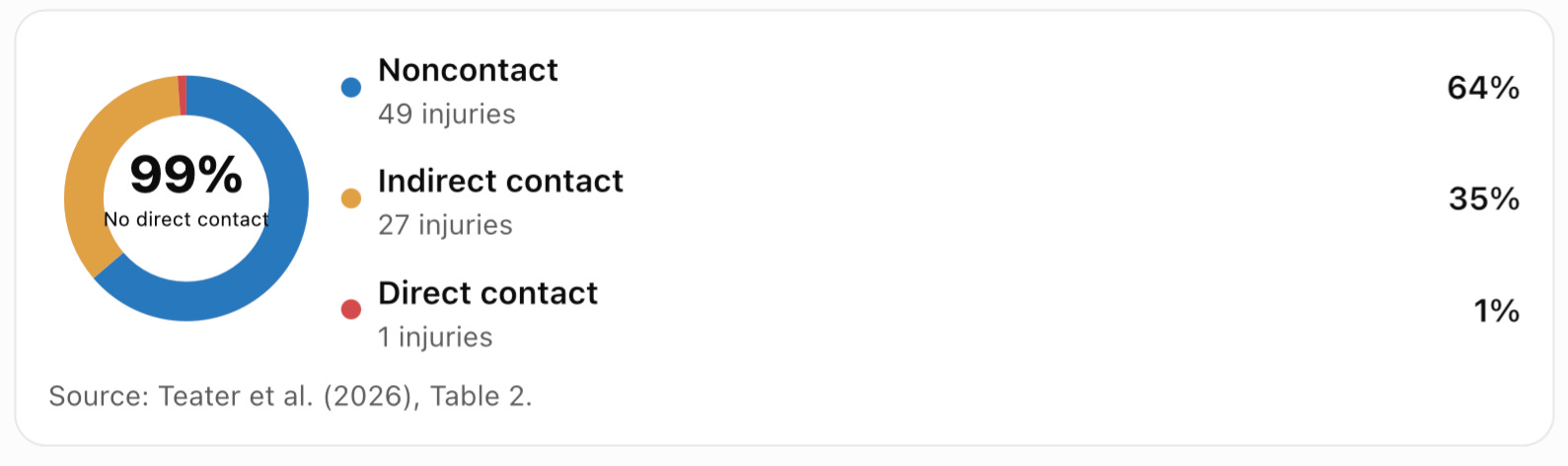
Only one rupture involved direct contact with the injured player’s foot.
The findings indicate that Achilles tendon ruptures in the NFL are predominantly associated with internally generated forces and movement mechanics, although indirect contact with another player can also contribute to excessive tendon loading.
Implication: Injury mitigation strategies focused primarily on reducing direct collisions may have limited effectiveness in preventing Achilles tendon ruptures.
Video Analysis of Achilles Tendon Ruptures in the National Football League - Situational Patterns, Injury Mechanisms, and Paths for Injury Prevention.pdf
📉 3. Half of All Achilles Tendon Ruptures Occurred at Walking or Jogging Speeds
One of the most important findings was the relatively low speed at which players were moving when their Achilles tendons ruptured.
The median player speed at the time of injury was 2.5 meters per second (5.6 mph), equivalent to approximately 33% of maximum positional speed.
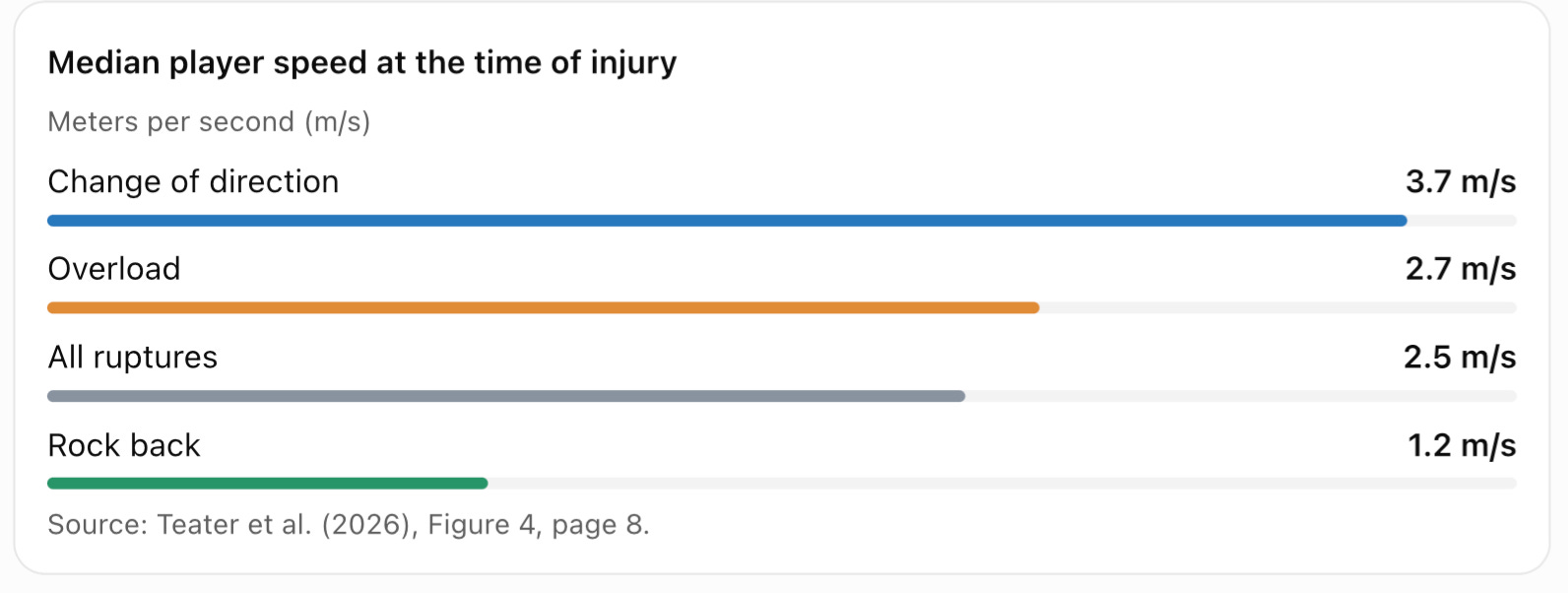
Additional findings included:
Approximately 50% of all ruptures occurred at walking or jogging speeds.
Only seven injuries occurred within the running or sprinting speed zones, all during change-of-direction movements.
Rock back injuries occurred at a median of just 15% of maximum positional speed.
All but one rock back injury occurred within walking or jogging speed zones.
This distinguishes Achilles tendon ruptures from other major football injuries, such as hamstring strains, which frequently occur during sprinting, and change-of-direction ACL injuries, which are often associated with higher speeds and intense deceleration.
The authors referenced previous NFL research reporting a median speed of 5.3 m/s for change-of-direction ACL injuries, compared with 3.7 m/s for Achilles ruptures in similar movement scenarios.
Implication: Monitoring high-speed running and sprint exposure alone is unlikely to capture the full range of movements associated with Achilles tendon injury risk.
Video Analysis of Achilles Tendon Ruptures in the National Football League - Situational Patterns, Injury Mechanisms, and Paths for Injury Prevention.pdf
Video Analysis of Achilles Tendon Ruptures in the National Football League - Situational Patterns, Injury Mechanisms, and Paths for Injury Prevention.pdf
🦶 4. A Consistent Biomechanical Pattern Was Identified Across Injuries
Despite differences in player positions and game situations, the researchers observed a recurring body position at the moment of rupture.
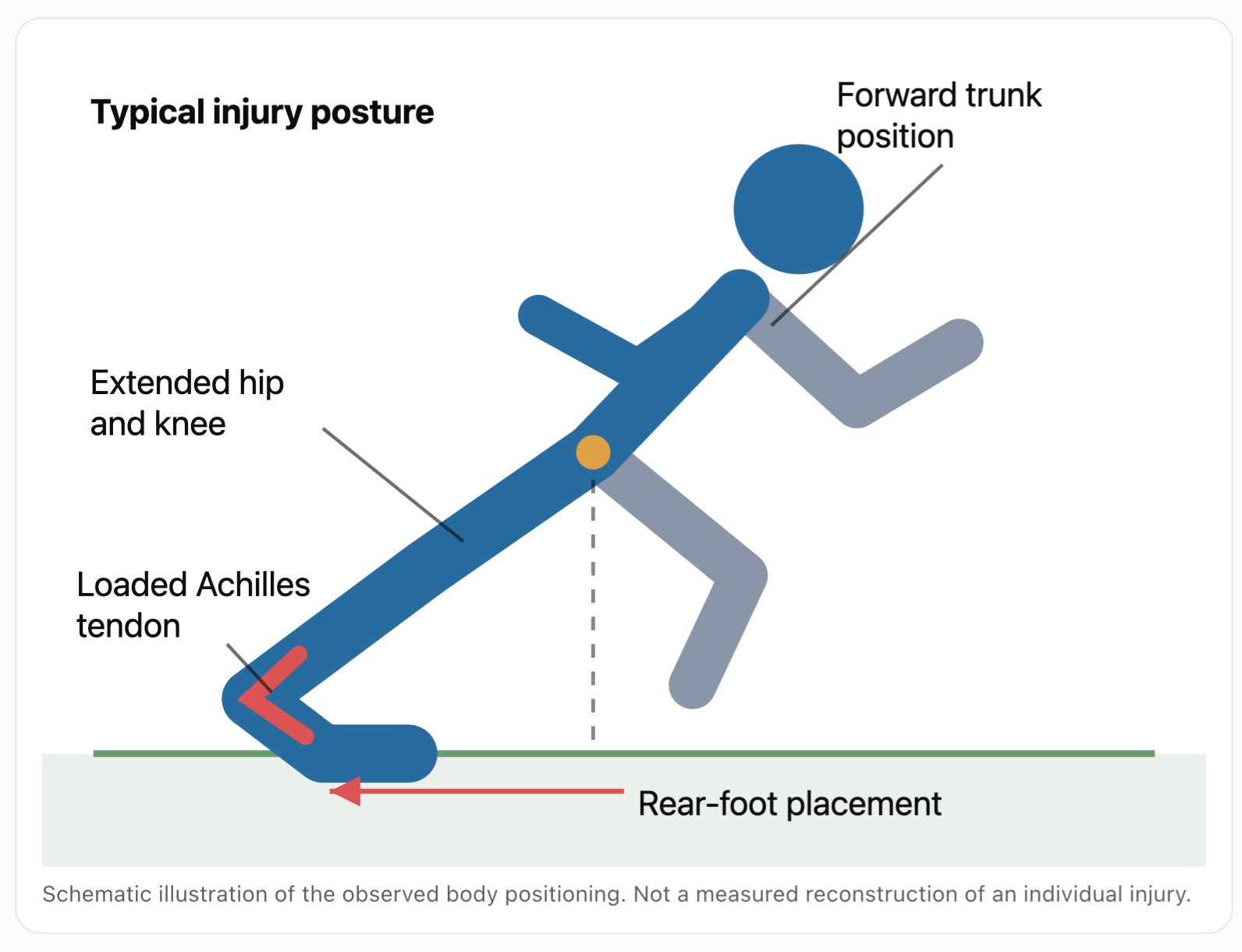
Common biomechanical characteristics included:
The injured leg positioned far behind the athlete’s center of mass.
A high degree of ankle dorsiflexion.
An extended knee and hip.
The majority of the athlete’s load concentrated on the injured limb.
Forward positioning or rotation of the upper body.
The opposite foot frequently unloaded or off the ground.
On average, the rupture occurred approximately 0.12 seconds after initial foot contact with the playing surface.
The authors proposed that the combination of calf muscle contraction, ankle dorsiflexion, and extended rear-leg positioning could generate substantial Achilles tendon tension, even when the athlete is moving slowly.
However, tendon forces and precise joint angles were not directly measured.
Implication: Whole-body movement speed should not be interpreted as a direct measure of localized Achilles tendon loading.
Video Analysis of Achilles Tendon Ruptures in the National Football League - Situational Patterns, Injury Mechanisms, and Paths for Injury Prevention.pdf
Video Analysis of Achilles Tendon Ruptures in the National Football League - Situational Patterns, Injury Mechanisms, and Paths for Injury Prevention.pdf
🛡️ 5. Defensive Players Experienced the Highest Injury Rates
Defensive players accounted for the largest proportion of Achilles tendon ruptures during the seven-season study period.

Safeties and linebackers demonstrated the highest overall positional injury rates.
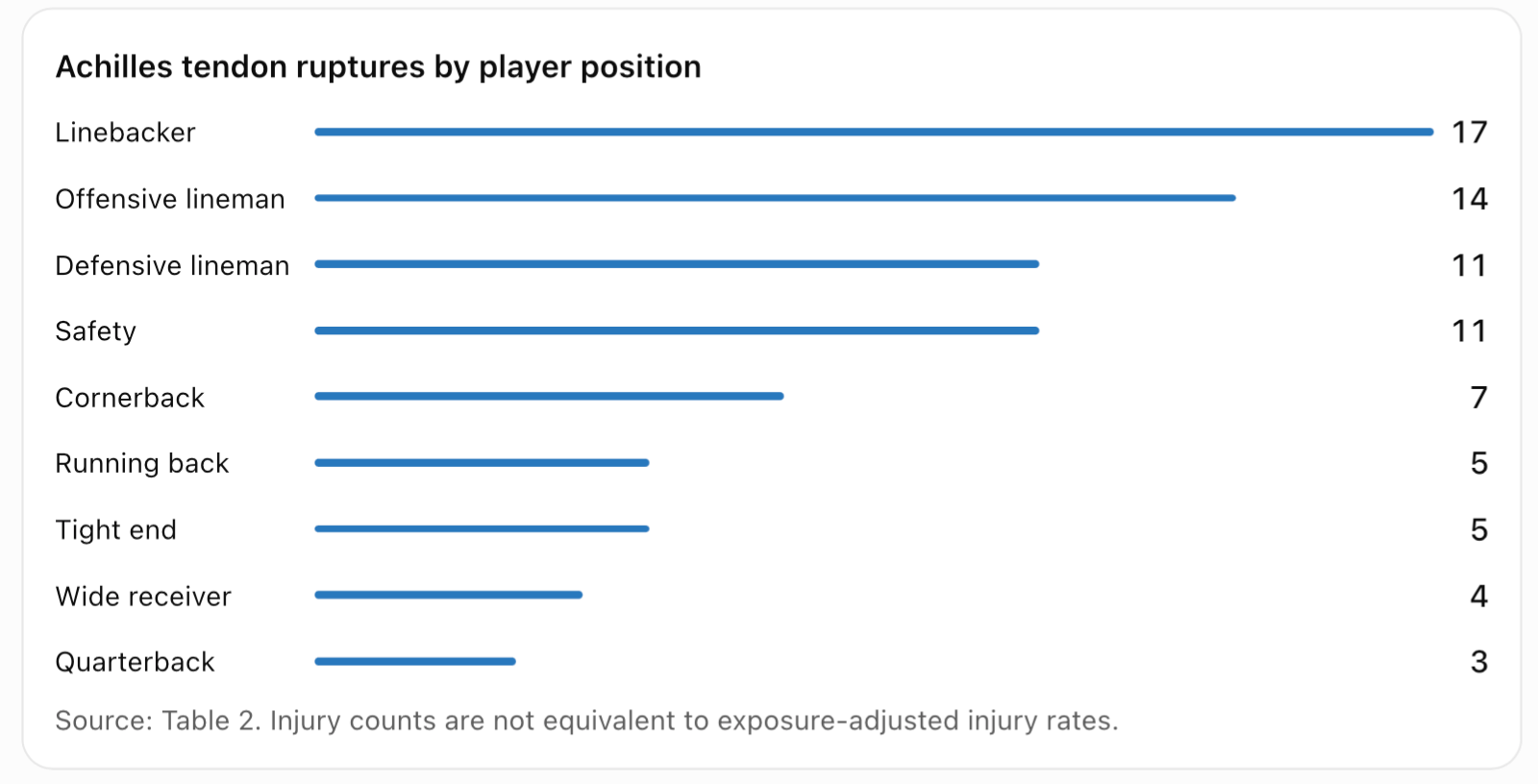
The researchers also identified differences in injury mechanisms across positions:
Safeties and linebackers: High overall injury rates and elevated change-of-direction injury rates.
Offensive and defensive linemen: Highest overload injury rates, collectively accounting for 74% of overload ruptures.
Safeties: Highest rock back injury rate.
Running backs and tight ends: Among the positions with the highest change-of-direction injury rates.
Although linemen experienced a substantial number of injuries, their overall exposure-adjusted injury rates were lower than those of safeties and linebackers.
Implication: NFL performance and medical departments should consider position-specific injury mitigation programs rather than relying exclusively on a standardized team-wide approach.
Video Analysis of Achilles Tendon Ruptures in the National Football League - Situational Patterns, Injury Mechanisms, and Paths for Injury Prevention.pdf
Video Analysis of Achilles Tendon Ruptures in the National Football League - Situational Patterns, Injury Mechanisms, and Paths for Injury Prevention.pdf
🎯 6. Rock Back Movements Represent a Potential Injury Prevention Opportunity
The researchers identified three specific football situations accounting for 18 of the 21 rock back injuries.
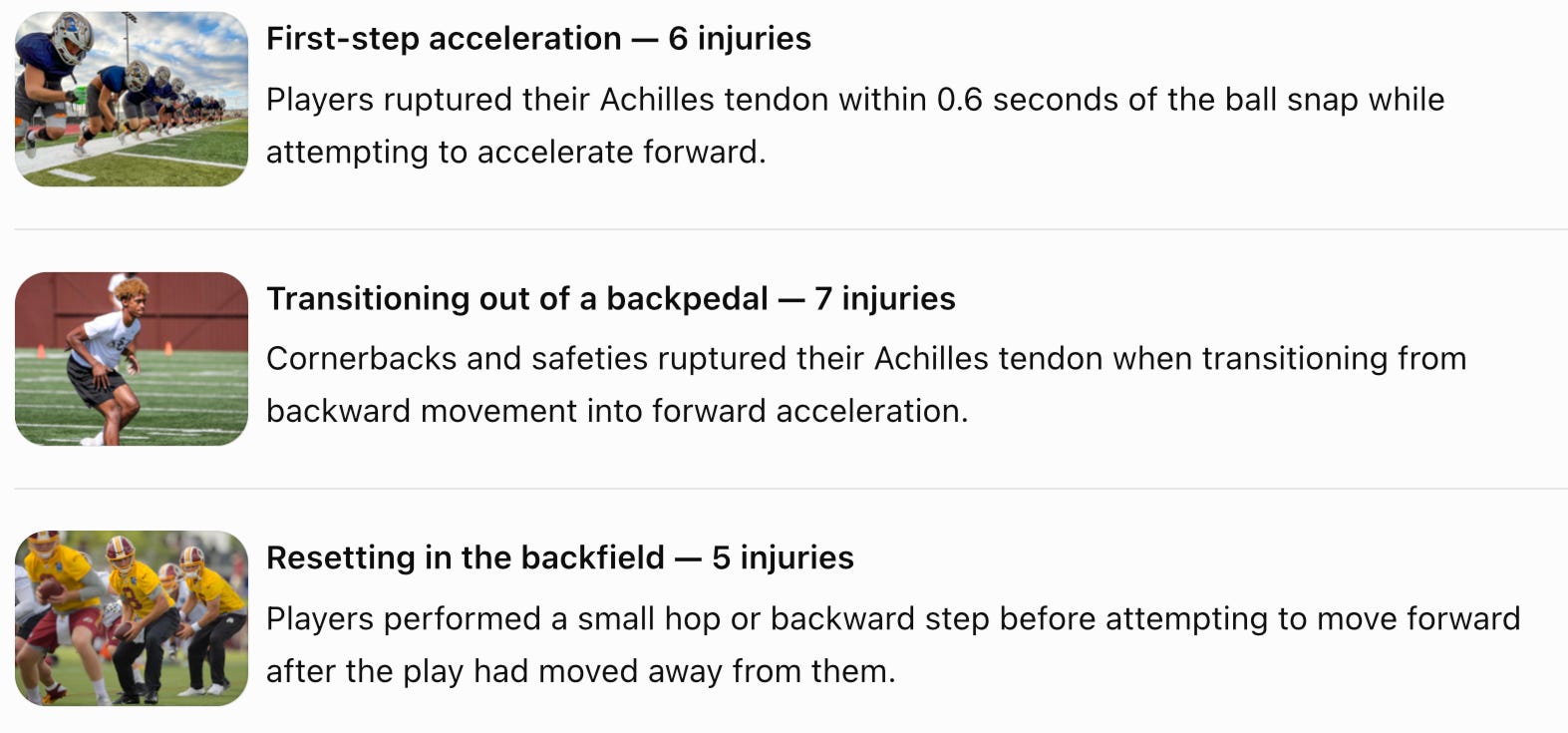
These movements are particularly relevant because they are often planned or voluntary, potentially making them more amenable to technical coaching than unpredictable collision-related movements.
The authors suggested that maintaining some knee and hip flexion during backward steps, limiting excessive rear-foot placement, and distributing push-off forces more evenly between limbs could represent potential intervention strategies.
These techniques have not yet been demonstrated to reduce Achilles tendon rupture rates in NFL players.
Implication: Position coaches, strength and conditioning coaches, and biomechanics specialists could collaborate to investigate alternative acceleration techniques that preserve performance while potentially reducing excessive tendon loading.
Video Analysis of Achilles Tendon Ruptures in the National Football League - Situational Patterns, Injury Mechanisms, and Paths for Injury Prevention.pdf
Video Analysis of Achilles Tendon Ruptures in the National Football League - Situational Patterns, Injury Mechanisms, and Paths for Injury Prevention.pdf
👴 7. Experienced NFL Players Had a Significantly Higher Injury Rate
Players with more than three years of NFL experience accounted for 57% of all Achilles tendon ruptures.
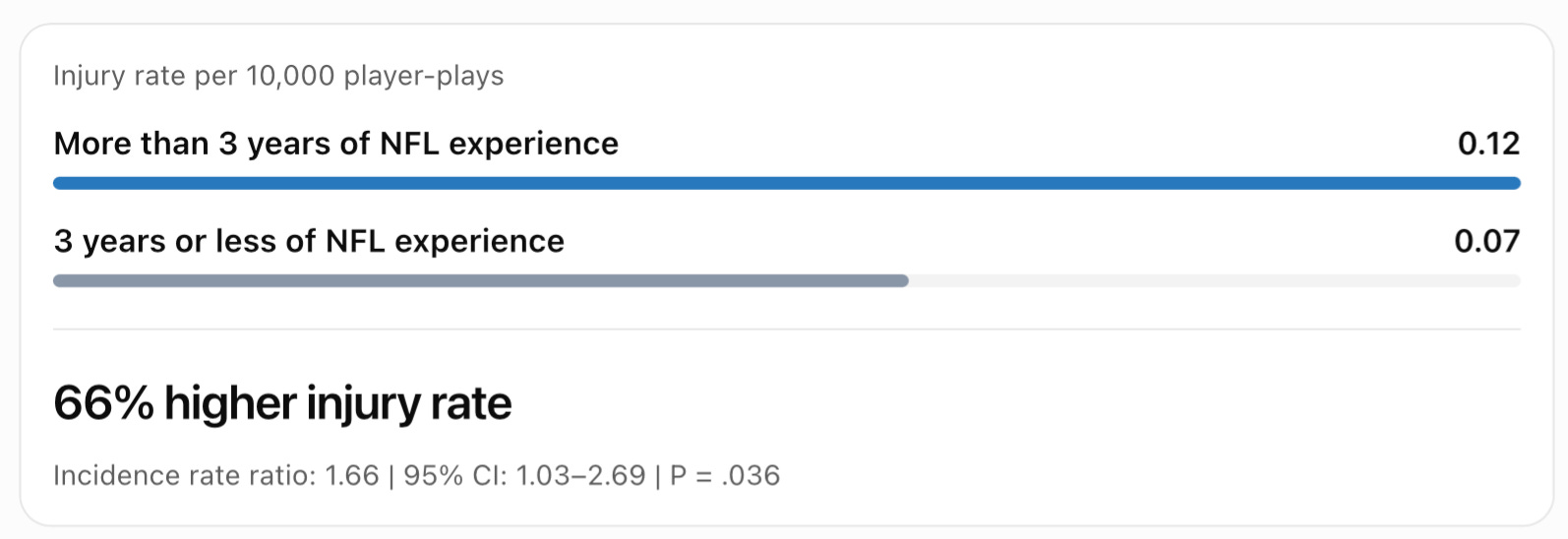
The authors suggested that age-related changes in tendon stiffness and elasticity, accumulated exposure, and underlying tendon health could potentially contribute to this increased injury rate.
However, the study did not examine detailed previous injury histories, tendon degeneration, or cumulative individual workloads.
Consequently, it cannot establish which factors explain the association between NFL experience and injury risk.
Implication: Veteran players and athletes with previous Achilles or calf injuries may warrant additional individualized monitoring and tendon conditioning.
Video Analysis of Achilles Tendon Ruptures in the National Football League - Situational Patterns, Injury Mechanisms, and Paths for Injury Prevention.pdf
Video Analysis of Achilles Tendon Ruptures in the National Football League - Situational Patterns, Injury Mechanisms, and Paths for Injury Prevention.pdf
📅 8. Achilles Tendon Injury Risk Remained Relatively Consistent Throughout the Season
The researchers did not identify statistically significant differences in Achilles tendon rupture rates between preseason, regular-season, and postseason games.

Although most injuries occurred during the regular season, this reflects the greater number of games and player exposures during that period.
Both preseason and regular-season games had an injury rate of approximately 0.10 ruptures per 10,000 player-plays.
The researchers also found no statistically significant differences in injury rates across game quarters.
This contrasts with some previous NFL studies that suggested Achilles tendon injuries were more common during the early stages of the season.
However, the current study excluded practice-related and offseason injuries, which may follow different patterns.
Implication: Achilles tendon injury mitigation should be considered a year-round priority rather than an intervention concentrated exclusively around training camp or the beginning of the regular season.
Video Analysis of Achilles Tendon Ruptures in the National Football League - Situational Patterns, Injury Mechanisms, and Paths for Injury Prevention.pdf
Video Analysis of Achilles Tendon Ruptures in the National Football League - Situational Patterns, Injury Mechanisms, and Paths for Injury Prevention.pdf
🏈 9. Passing Plays Were Associated With Higher Injury Rates
Approximately 68% of Achilles tendon ruptures occurred during passing plays.

Passing plays had an injury rate of 0.14 ruptures per 10,000 player-plays, compared with 0.08 for rushing plays.
The difference between passing and rushing plays was statistically significant (P = .034).
Passing plays frequently involve rapid directional changes, defensive backpedaling, blocking, and acceleration from relatively stationary positions, all of which overlap with the primary injury scenarios identified in this study.
However, the research does not establish that passing plays themselves cause Achilles tendon ruptures.
Implication: Teams could investigate the movement demands associated with pass coverage, pass protection, and route-running when designing position-specific injury mitigation programs.
Video Analysis of Achilles Tendon Ruptures in the National Football League - Situational Patterns, Injury Mechanisms, and Paths for Injury Prevention.pdf
Video Analysis of Achilles Tendon Ruptures in the National Football League - Situational Patterns, Injury Mechanisms, and Paths for Injury Prevention.pdf
🧠 Implications for NFL Teams and Practitioners
This study has several important implications for performance directors, head athletic trainers, rehabilitation specialists, strength and conditioning coaches, sports scientists, and position coaches.
For sports performance departments, the findings highlight the importance of looking beyond traditional external workload metrics. Although maximum speed, sprint distance, and acceleration exposure remain valuable indicators, they do not necessarily reflect the localized mechanical stress experienced by the Achilles tendon.
For medical departments, the findings reinforce the potential value of monitoring tendon health, particularly among veteran players and athletes with a history of Achilles tendinopathy or calf injuries. Targeted resistance training and ultrasound screening could be explored as components of individualized injury mitigation programs.
For strength and conditioning coaches, the research highlights the importance of developing athletes’ capacity to tolerate substantial tendon loading during acceleration, changes of direction, and football-specific movements.
For position coaches, the identification of rock back injuries presents a particularly interesting opportunity. Because these movements are frequently deliberate rather than reactive, coaches could investigate alternative foot placement and acceleration techniques without compromising athletic performance.
For sports scientists and biomechanics specialists, the study demonstrates the value of combining video analysis, wearable tracking data, and medical records. However, more advanced biomechanical technologies may be necessary to quantify localized tendon loading accurately.
🌍 Relevance to Other Professional Sports: NBA and Soccer
The findings also have implications beyond American football.
The researchers identified similarities between NFL Achilles tendon ruptures and previously documented injury mechanisms in professional basketball and soccer.
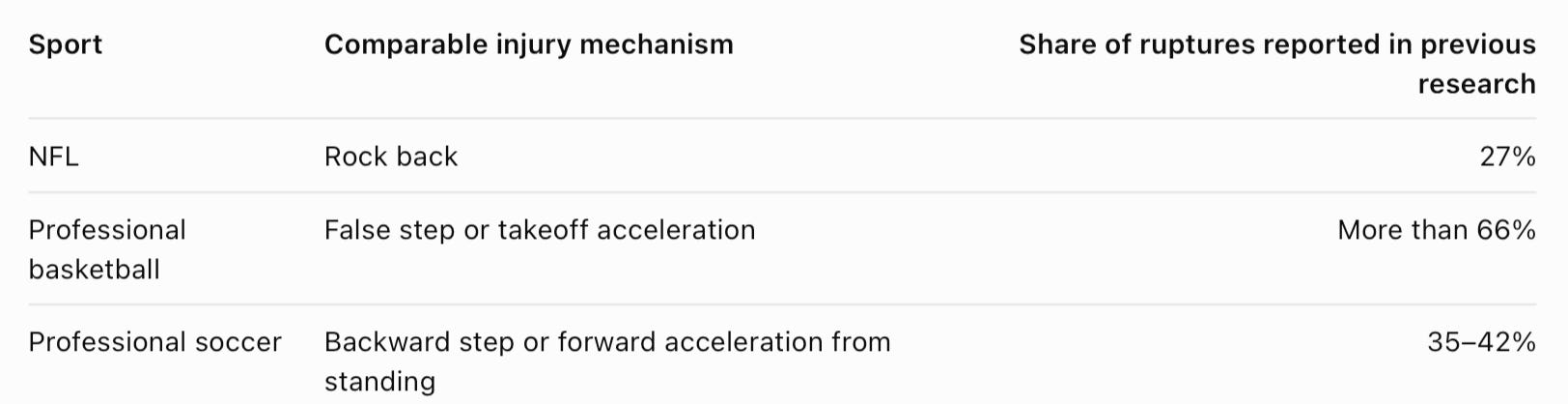
Across these sports, athletes frequently experience Achilles tendon ruptures when extending their rear leg behind their center of mass before attempting to accelerate forward.
This suggests that NBA, MLS, EPL, and other professional sports organizations could benefit from investigating similar movement patterns.
However, the overload mechanism identified in the NFL is more specific to American football because of the sustained blocking and tackling situations associated with the sport.
Video Analysis of Achilles Tendon Ruptures in the National Football League - Situational Patterns, Injury Mechanisms, and Paths for Injury Prevention.pdf
Video Analysis of Achilles Tendon Ruptures in the National Football League - Situational Patterns, Injury Mechanisms, and Paths for Injury Prevention.pdf
📌 Recommendations
The following recommendations combine the authors’ proposed interventions with practical applications for elite sports practitioners. Their effectiveness in preventing Achilles tendon ruptures still requires validation.
For NFL Performance Directors and Strength & Conditioning Coaches
Incorporate progressive Achilles tendon resistance training into individualized conditioning programs.
Evaluate acceleration and push-off mechanics, including movements performed at low speeds.
Develop position-specific change-of-direction and acceleration exercises.
Monitor veteran players and athletes with previous Achilles or calf injuries.
Maintain tendon conditioning programs throughout the competitive season.
Avoid relying exclusively on high-speed running exposure as an indicator of Achilles tendon stress.
For Head Athletic Trainers and Medical Staff
Consider targeted ultrasound assessments to identify underlying tendon abnormalities where clinically appropriate.
Monitor athletes with previous Achilles tendinopathy or tendon ruptures.
Integrate tendon health assessments with strength testing and biomechanical evaluations.
Establish individualized monitoring strategies for potentially higher-risk athletes.
Collaborate with performance staff to develop evidence-informed tendon loading programs.
Ultrasound screening should not be treated as a definitive predictor of future Achilles tendon rupture.
For Position Coaches
Evaluate first-step acceleration techniques.
Investigate excessive rear-foot placement during push-off movements.
Explore maintaining greater knee and hip flexion during backward steps.
Work with defensive backs on transitions from backpedaling to forward acceleration.
Evaluate lower-limb positioning during blocking and resistance to opposing players.
Validate any technical modifications against football-specific performance requirements.
For Sports Scientists and Biomechanics Specialists
Combine player tracking data with synchronized video analysis.
Investigate markerless motion capture and computer vision technologies to quantify joint mechanics.
Use force plates and biomechanical assessments to investigate push-off forces in controlled environments.
Evaluate cumulative acceleration exposure and individual workload patterns.
Develop more sophisticated approaches to estimating localized Achilles tendon loading.
Investigate whether specific movement patterns are associated with elevated injury risk relative to how frequently players perform them.
For Rehabilitation and Return-to-Play Staff
Consider assessing football-specific acceleration and push-off mechanics during rehabilitation.
Progressively reintroduce change-of-direction movements.
Incorporate position-specific movement scenarios into late-stage rehabilitation where appropriate.
Evaluate an athlete’s ability to tolerate progressive tendon loading.
Collaborate with position coaches when transitioning athletes back into football activities.
The study did not evaluate rehabilitation protocols or return-to-play outcomes, so these recommendations represent practical extensions rather than directly tested interventions.
Video Analysis of Achilles Tendon Ruptures in the National Football League - Situational Patterns, Injury Mechanisms, and Paths for Injury Prevention.pdf
💻 Opportunities for Sports Technology Vendors
From a sports technology perspective, this research highlights several potential areas of innovation.
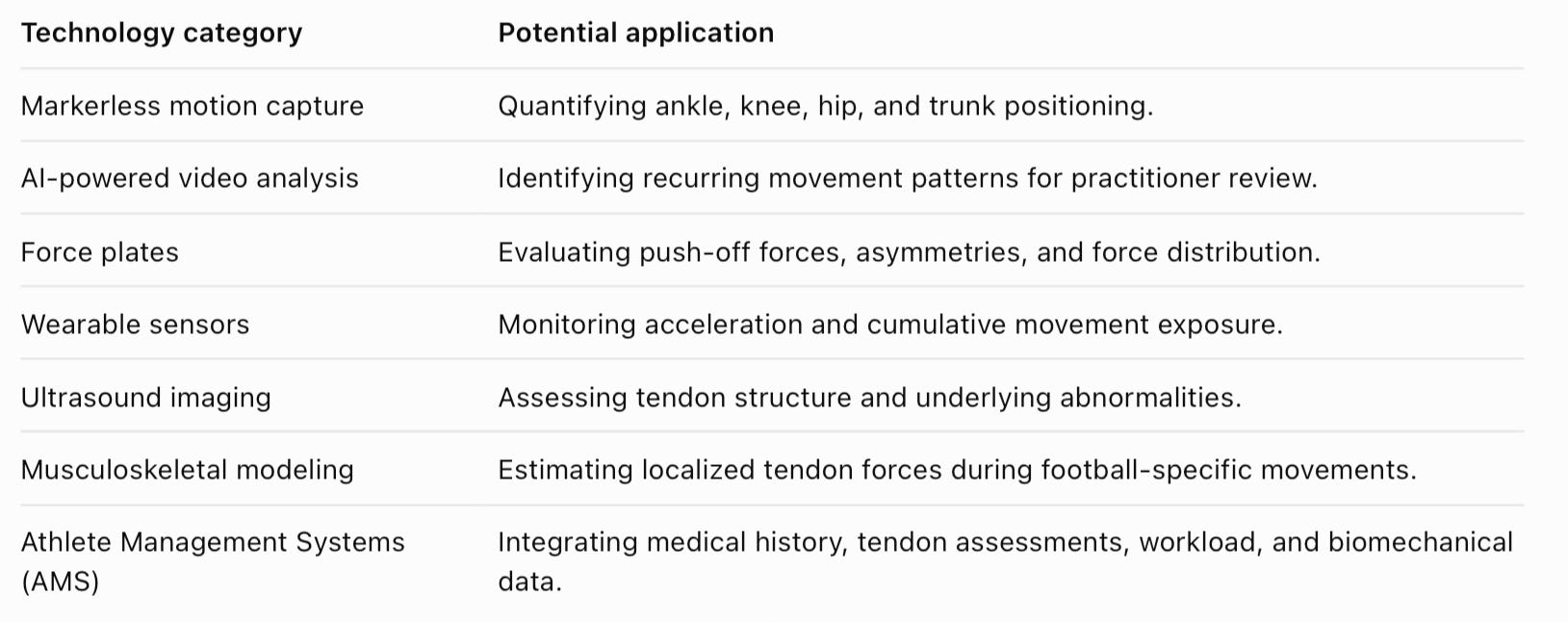
One of the biggest opportunities for sports technology companies could be developing solutions that help practitioners understand localized tissue loading rather than simply measuring whole-body movement intensity.
The combination of AI-powered video analysis, higher-frequency motion tracking, and musculoskeletal modeling could eventually provide more detailed insights into the mechanical demands placed on the Achilles tendon.
However, the ability of these technologies to predict or prevent Achilles tendon ruptures remains unproven. These are potential commercial and research opportunities identified from the study’s findings, not products or technologies validated by the researchers.
⚠️ Limitations
The authors identified several important limitations:
1. No quantitative joint-angle measurements: The researchers identified characteristic body positions through qualitative video analysis but did not directly quantify ankle, knee, or hip angles.
2. No direct tendon-force measurements: Achilles tendon loading, ground reaction forces, and internal joint forces were not directly measured. The proposed biomechanical mechanisms are therefore interpretations of the observed movements.
3. Player tracking frequency: NFL Next Gen Stats data were collected at 10 Hz, potentially limiting the researchers’ ability to capture extremely rapid changes in speed and movement orientation.
4. No detailed previous injury history: The study did not investigate previous Achilles tendinopathy, tendon degeneration, calf injuries, or other underlying medical conditions.
5. No individual workload analysis: Cumulative training loads, acceleration exposure, fatigue, and workload spikes were not evaluated as potential contributing factors.
6. Practice and offseason injuries were excluded: The research focused exclusively on live-game injuries. Achilles tendon ruptures occurring during training may involve different mechanisms or situational patterns.
7. No rehabilitation or clinical outcome data: The researchers did not investigate surgical treatments, rehabilitation strategies, return-to-play timelines, or subsequent athletic performance.
8. No evaluation of playing surfaces or footwear: The study did not establish whether specific playing surfaces, cleat configurations, or footwear characteristics contributed to injury risk.
9. No movement-specific exposure data: Although the study identified recurring injury mechanisms, it did not establish how frequently players performed each movement without injury. Consequently, the absolute risk associated with individual movement patterns remains unknown.
10. No intervention validation: The proposed changes in movement mechanics and tendon conditioning strategies have not been prospectively tested to establish whether they reduce Achilles tendon rupture rates.
Future research should incorporate higher-frequency biomechanical tracking, individual workload data, tendon health assessments, practice-related injuries, and prospective intervention studies.
Video Analysis of Achilles Tendon Ruptures in the National Football League - Situational Patterns, Injury Mechanisms, and Paths for Injury Prevention.pdf
Video Analysis of Achilles Tendon Ruptures in the National Football League - Situational Patterns, Injury Mechanisms, and Paths for Injury Prevention.pdf
✅ Conclusion
This study provides important insights into the circumstances, movement patterns, and potential biomechanical mechanisms associated with Achilles tendon ruptures in the NFL.
By combining systematic video analysis, electronic medical records, and synchronized player tracking data across seven NFL seasons, the researchers identified several findings that could challenge conventional approaches to Achilles tendon injury prevention.
The most important findings were:
97% of ruptures occurred during three primary movement scenarios: change of direction, overload, and rock back.
99% occurred without direct contact with the injured limb.
50% occurred at walking or jogging speeds.
27% involved rock back movements, all of which were noncontact.
Players with more than three years of NFL experience had a 66% higher injury rate.
Safeties and linebackers experienced the highest positional injury rates.
In-game injury rates remained relatively consistent throughout the competitive season.
For NFL performance directors, athletic trainers, rehabilitation specialists, and strength and conditioning coaches, the findings reinforce the importance of looking beyond traditional speed and workload metrics when investigating Achilles tendon injury risk.
The identification of rock back movements is particularly promising because these movements are often deliberate and could potentially be modified through technical coaching, biomechanical assessments, and individualized training programs.
For sports technology vendors, the study highlights the potential value of combining computer vision, motion capture, wearable sensors, and biomechanical modeling to better understand localized tissue loading.
Ultimately, reducing Achilles tendon ruptures may require a multidisciplinary approach combining tendon conditioning, movement mechanics, individualized athlete monitoring, and collaboration between medical, performance, and coaching departments.
The central takeaway is simple:
Achilles tendon ruptures in the NFL are not necessarily a high-speed injury. Even seemingly low-intensity movements can generate substantial tendon loading when combined with unfavorable body positioning and push-off mechanics.
Understanding how athletes move may be just as important as understanding how fast they move.
🏃 Upside Sports Performance Study: Early Sport Specialization Is Associated With Increased Odds of Chronic Injury in College Students
Published in the Journal of Sport Rehabilitation (July 15, 2026).
Study: Early Sport Specialization Is Associated With an Increased Odds of Chronic Injury in College Students.
Authors: Timothy J. Zinke, Scott E. Ross, Pam K. Brown, and Carl G. Mattacola.
Institutions: Grace College, Department of Exercise Science, and the University of North Carolina Greensboro, Department of Kinesiology and School of Health and Human Sciences, USA.
Full study: Access the original study
🧩 Introduction
Does specializing in a single sport at an early age increase an athlete’s likelihood of experiencing chronic injuries later in life? And what are the primary factors driving young athletes to specialize in a sport or eventually discontinue their participation?
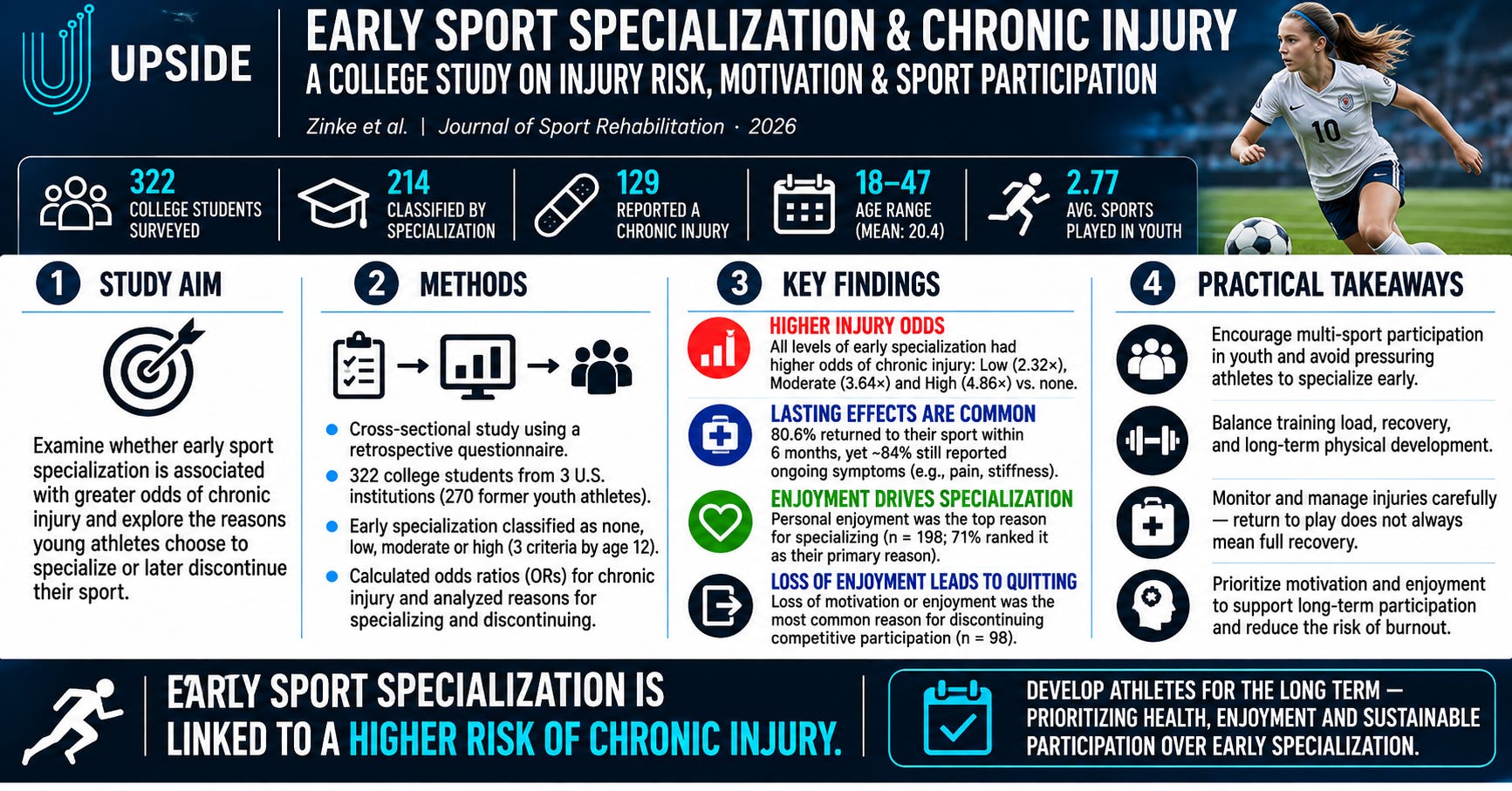
This study examined 322 college students to investigate the relationship between early sport specialization, long-term injuries, motivation, and continued sports participation.
With approximately 60 million children between the ages of 6 and 18 participating in organized sports in the United States, there is growing concern about the physical and psychological consequences of early sport specialization.
Despite recommendations from major sports medicine organizations to avoid premature specialization, many young athletes continue to focus on a single sport in the hope of securing college scholarships, improving their competitive performance, or eventually becoming professional athletes.
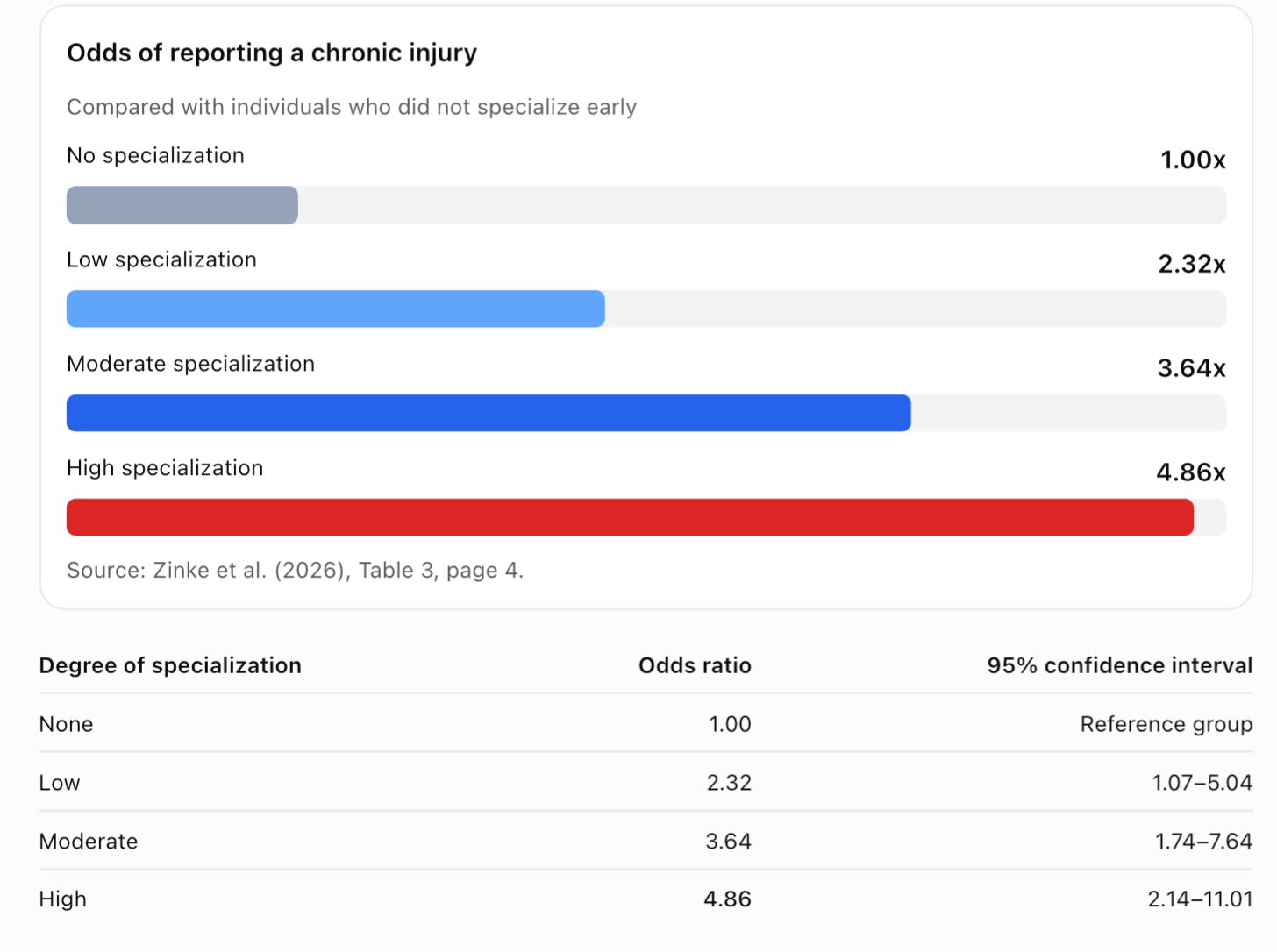
One of the most striking findings was that individuals who were highly specialized by the age of 12 had 4.86 times the odds of reporting a chronic injury compared with individuals who did not specialize early.
The researchers also found that personal enjoyment was the primary reason young athletes chose to specialize, while the loss of motivation or enjoyment was the most common reason for discontinuing competitive participation in their sport.
Early Sport Specialization is Associated With an Increased Odds of Chronic Injury in College Students.pdf
🧪 Study Overview
Design: Cross-sectional study based on a retrospective questionnaire.
Data collection period: September–November 2023.
Participants: 322 college students from three US institutions, including two Division I state universities and one small liberal arts college.
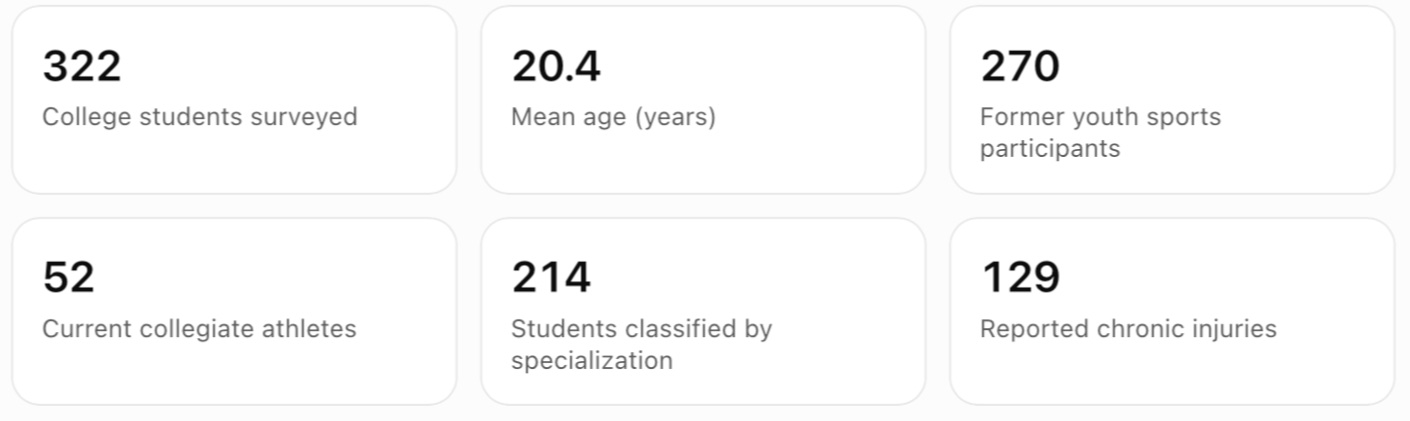
The participants ranged in age from 18 to 47 years, with 69.3% identifying as biologically female and 30.1% as biologically male.
The researchers used a questionnaire covering sporting history, training frequency, injury history, current physical activity, and motivations for specializing or discontinuing sports participation.
A chronic injury was defined as an injury that continued to affect an individual for at least one year following its initial occurrence.
Early Sport Specialization is Associated With an Increased Odds of Chronic Injury in College Students.pdf
Early Sport Specialization is Associated With an Increased Odds of Chronic Injury in College Students.pdf
How early sport specialization was classified
The researchers evaluated three criteria by the age of 12:
Selecting a primary sport.
Discontinuing participation in all other sports.
Participating in the primary sport for more than eight months per year.

Statistical analysis included descriptive statistics, unadjusted odds ratios (ORs), and 95% confidence intervals to evaluate the association between specialization and chronic injuries.
Early Sport Specialization is Associated With an Increased Odds of Chronic Injury in College Students.pdf
Early Sport Specialization is Associated With an Increased Odds of Chronic Injury in College Students.pdf
📊 Key Findings
🚨 1. Early Sport Specialization Was Associated With Significantly Higher Odds of Chronic Injury
The most important finding was that all three degrees of early sport specialization were associated with significantly greater odds of reporting a chronic injury compared with no early specialization.
Odds of reporting a chronic injury
The proportion of participants reporting chronic injuries also increased progressively with specialization.
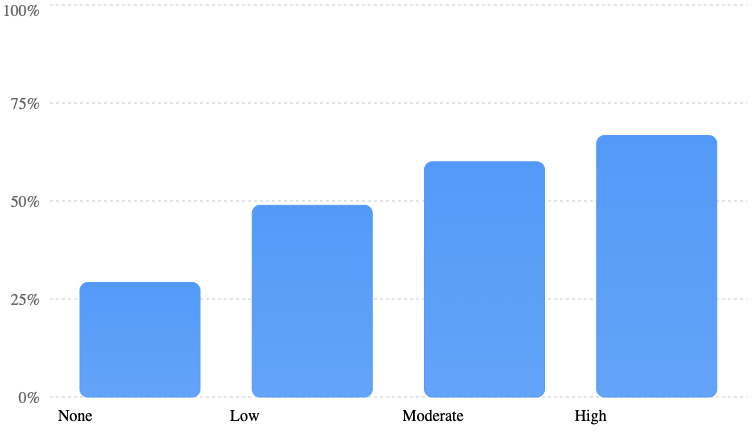
These findings suggest a graded relationship between the degree of early specialization and long-term injury outcomes.
Importantly, even athletes with a low degree of early specialization demonstrated significantly higher odds of reporting chronic injuries.
However, these are unadjusted odds ratios, not relative risks, and the study cannot establish that early specialization directly caused the injuries.
Early Sport Specialization is Associated With an Increased Odds of Chronic Injury in College Students.pdf
Implication: Youth sports organizations should consider the potential long-term health consequences of encouraging athletes to specialize before adolescence.
🩹 2. Nearly Half of Former Youth Sports Participants Reported a Chronic Injury
Of the 270 college students who participated in organized sports growing up, 129 (47.8%) reported experiencing a chronic injury.
The most common anatomical location was the knee, followed by the ankle, lower back, and shoulder.
The most frequently reported injury types were:
Ligament sprains: 44 cases.
Musculotendinous strains and tears: 30 cases.
Knee injuries accounted for 23.3% of all reported chronic injuries.
Interestingly, only 28 of the 129 individuals reporting chronic injuries were current collegiate athletes. The remaining 101 were not competing at the intercollegiate level.
This demonstrates that the long-term consequences of youth sports injuries extend beyond athletes who continue competing at an elite or collegiate level.
Early Sport Specialization is Associated With an Increased Odds of Chronic Injury in College Students.pdf
🏥 3. Returning to Play Did Not Necessarily Mean Full Recovery
One of the most concerning findings was the persistence of symptoms long after athletes returned to competition.
Although 80.6% of individuals with chronic injuries returned to their sport within six months, approximately 84% continued to experience some effects of their injury at the time of the survey.
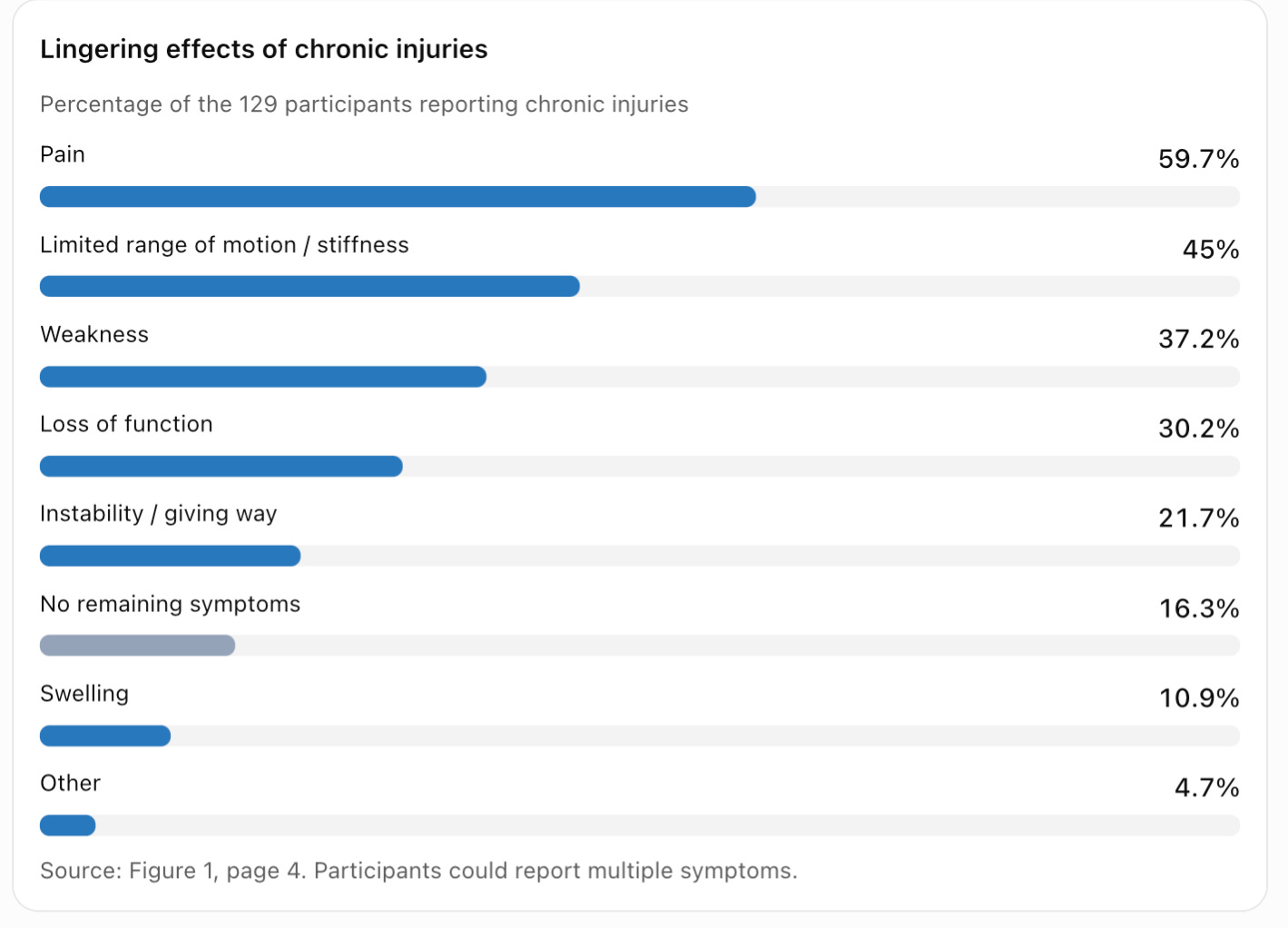
Nearly 60% of participants with chronic injuries continued to experience pain, while 45% reported restricted range of motion or stiffness.
These findings highlight the important distinction between returning to competition and achieving complete functional recovery.
The study did not evaluate the rehabilitation protocols used by these athletes or determine whether premature return to play contributed to their persistent symptoms.
Early Sport Specialization is Associated With an Increased Odds of Chronic Injury in College Students.pdf
Early Sport Specialization is Associated With an Increased Odds of Chronic Injury in College Students.pdf
Implication: Athletic trainers, physical therapists, and rehabilitation specialists should consider monitoring athletes beyond their initial return to competition, particularly when symptoms or functional deficits persist.
❤️ 4. Personal Enjoyment Was the Primary Driver of Early Sport Specialization
Contrary to the assumption that young athletes specialize primarily because of parental pressure, coaching expectations, or the prospect of becoming professional athletes, the researchers found that personal enjoyment was the strongest motivating factor.
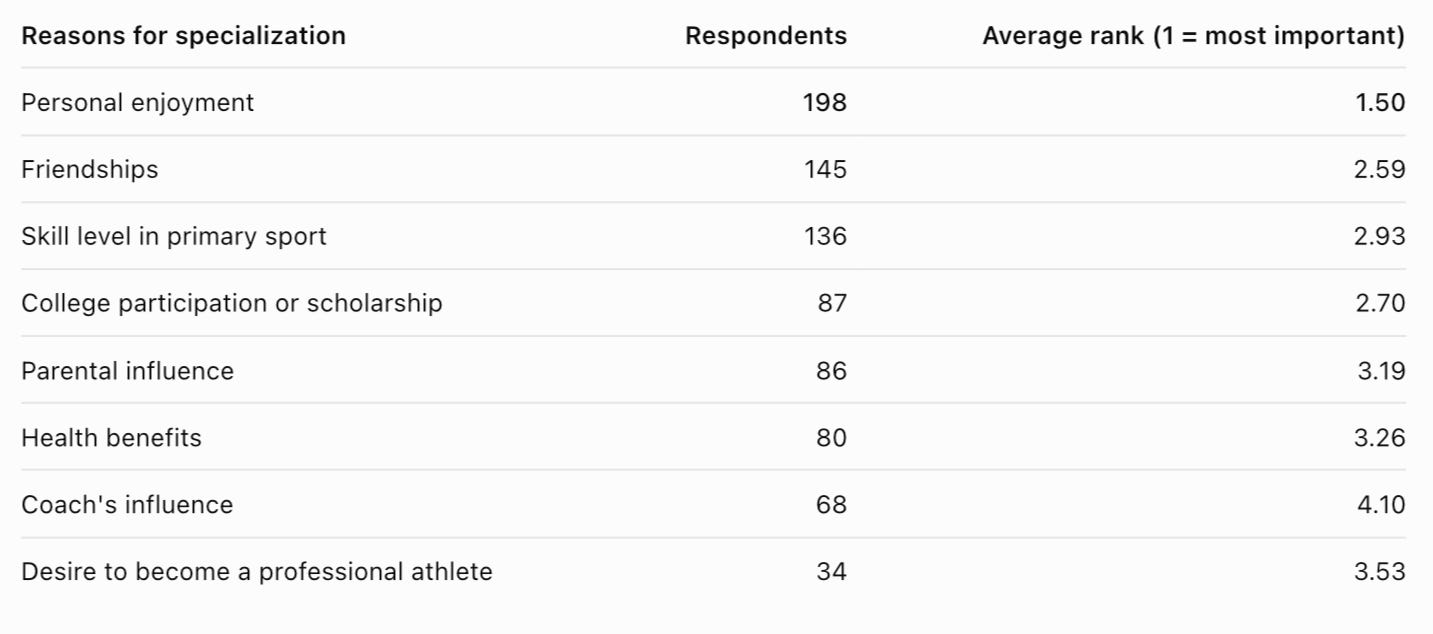
Of the 198 respondents who identified personal enjoyment as a reason for specialization:
71% ranked it as their primary reason.
86% ranked it among their top two reasons.
95.5% ranked it among their top three reasons.
Friendships and perceived sporting ability were also important factors, while the desire to become a professional athlete was considerably less frequently cited.
These findings suggest that early specialization is driven by a complex combination of intrinsic motivation, social relationships, perceived ability, and external influences.
Early Sport Specialization is Associated With an Increased Odds of Chronic Injury in College Students.pdf
Early Sport Specialization is Associated With an Increased Odds of Chronic Injury in College Students.pdf
🧠 5. Loss of Enjoyment, Stress and Performance Pressure Were the Main Reasons for Discontinuing Competitive Sports
The researchers examined 190 respondents who previously had a primary sport but were no longer competing in it at the intercollegiate level.
Loss of motivation or enjoyment was the most frequently reported reason, followed by increased stress and performance pressure.
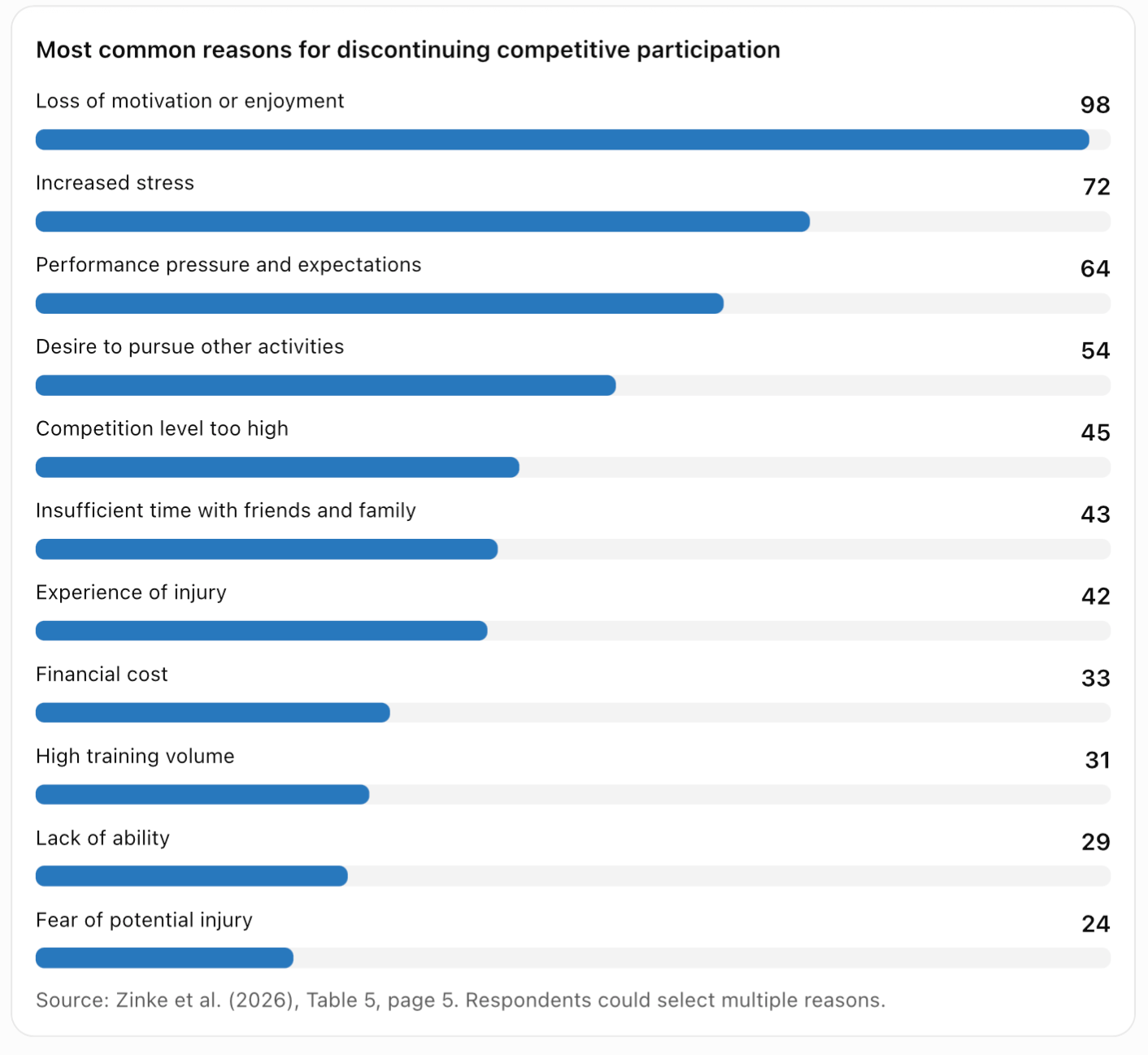
Loss of enjoyment, increased stress, and performance pressure collectively accounted for the primary reason for discontinuing competitive participation among 52% of respondents.
This highlights the importance of psychological wellbeing and intrinsic motivation in long-term athlete development.
While early specialization is often intended to improve an athlete’s competitive prospects, excessive pressure and a declining sense of enjoyment may undermine the motivation necessary to sustain participation.
The study did not, however, establish that early specialization directly caused psychological burnout.
Early Sport Specialization is Associated With an Increased Odds of Chronic Injury in College Students.pdf
⚠️ 6. Chronic Injuries Could Contribute to Athletes Discontinuing Their Sport
Although injury was not the most frequently reported reason for discontinuing competitive participation, it was particularly influential among individuals who identified it as a contributing factor.
Among the 42 respondents who cited injury:
40.5% identified injury as their primary reason for stopping.
80% reported having sustained a chronic injury.
76% of those with a chronic injury who discontinued participation because of injury were still experiencing pain at the time of the survey.
Among respondents with chronic injuries, experiencing an injury was the second most frequently ranked top-two reason for discontinuing participation, behind loss of enjoyment.
These findings suggest that the consequences of youth sports injuries may extend beyond physical performance and influence athletes’ willingness or ability to continue competing.
However, the researchers could not determine whether the decision was driven by persistent symptoms, the traumatic experience of the original injury, or fear of reinjury.
Early Sport Specialization is Associated With an Increased Odds of Chronic Injury in College Students.pdf
Early Sport Specialization is Associated With an Increased Odds of Chronic Injury in College Students.pdf
🏀 7. Sports Participation Became More Intensive During Adolescence
The study also provided interesting insights into the evolution of youth sports participation.
Of the 270 respondents who participated in organized youth sports, 82% reported playing more than one sport, with an average of 2.77 sports throughout childhood.
However, the amount of time dedicated to organized sports increased substantially during adolescence.

This increase in organized sports exposure highlights the importance of managing training volume, competition schedules, recovery opportunities, and psychological demands as young athletes progress through adolescence.
However, the study did not isolate the independent contribution of training volume to chronic injury outcomes.
Early Sport Specialization is Associated With an Increased Odds of Chronic Injury in College Students.pdf
🧠 Implications for Teams, Academies and Sports Performance Practitioners
The study has several important implications for youth sports organizations, NCAA programs, professional sports academies, athletic trainers, strength and conditioning coaches, and sports psychologists.
For youth sports coaches and academy directors, the findings highlight the importance of balancing technical development and competitive ambitions with long-term physical health. Encouraging premature specialization may expose athletes to unfavorable long-term injury outcomes without necessarily guaranteeing future competitive success.
For sports performance and strength and conditioning departments, the research reinforces the potential value of diversified movement experiences, progressive training loads, adequate recovery, and age-appropriate physical development. Developing a broad foundation of athletic abilities may be particularly relevant before athletes transition toward more specialized training environments.
For athletic trainers and rehabilitation specialists, the persistence of pain, weakness, stiffness, and functional limitations highlights the importance of monitoring athletes beyond their initial return to competition. An athlete’s ability to participate does not necessarily indicate that all physical impairments have resolved.
For NCAA performance and medical departments, the findings suggest that understanding an incoming athlete’s youth sports history, degree of specialization, and previous injuries could provide valuable context when designing individualized training and rehabilitation programs.
For sports psychologists, the study reinforces the central role of intrinsic motivation, enjoyment, and social relationships in sustainable athlete development. Psychological wellbeing should be considered alongside physical performance and competitive results.
For parents, the findings highlight the importance of balancing scholarship aspirations and professional ambitions with their children’s long-term health, enjoyment, and willingness to continue participating in sports.
📌 Recommendations
The following recommendations represent practical applications of the findings rather than interventions directly tested by the researchers.
For Youth Coaches and Academy Directors
Encourage participation in multiple sports during childhood where appropriate.
Avoid unnecessarily pressuring athletes to specialize before adolescence.
Prioritize long-term athlete development over short-term competitive results.
Provide age-appropriate training and competition schedules.
Regularly evaluate athletes’ motivation and enjoyment.
Create environments where athletes can communicate concerns about fatigue, pain, or psychological pressure.
For Sports Performance and Strength & Conditioning Staff
Develop broad athletic foundations, including strength, coordination, balance, mobility, and movement competency.
Monitor cumulative training and competition exposure across school, club, and private training environments.
Individualize training loads according to physical maturity, injury history, and recovery.
Incorporate sufficient recovery periods throughout the season.
Pay particular attention to athletes participating in highly repetitive, sport-specific activities.
Collaborate with technical coaches and medical staff to coordinate long-term development.
For Athletic Trainers and Rehabilitation Specialists
Document athletes’ previous injury histories and early specialization backgrounds.
Monitor persistent pain, weakness, instability, and range-of-motion limitations.
Incorporate objective functional assessments into rehabilitation programs.
Distinguish between return to participation, return to sport, and return to performance.
Continue monitoring athletes after their return to competition.
Educate athletes and parents about the potential long-term consequences of unresolved injuries.
For NCAA Performance and Medical Departments
Incorporate youth sports participation history into incoming athlete assessments.
Identify preexisting injuries and persistent functional limitations.
Consider previous training exposure when developing individualized conditioning programs.
Establish communication between performance, medical, rehabilitation, and coaching departments.
Monitor psychological wellbeing alongside physical readiness.
Avoid using specialization history alone as a validated injury prediction tool.
For Sports Psychologists and Mental Performance Coaches
Regularly assess athletes’ intrinsic motivation and enjoyment.
Identify potential signs of psychological burnout and excessive performance pressure.
Encourage athlete autonomy and involvement in development decisions.
Help athletes manage expectations associated with college scholarships and professional ambitions.
Promote healthy relationships between athletes, parents, and coaches.
Support injured athletes experiencing fear of reinjury or declining motivation.
For Parents of Young Athletes
Encourage children to explore different sports and physical activities.
Avoid treating early specialization as a prerequisite for college scholarships or professional success.
Pay attention to recurring pain, fatigue, stress, and declining motivation.
Support appropriate recovery and time away from organized competition.
Seek professional medical evaluation when injuries or symptoms persist.
Prioritize the child’s long-term health and enjoyment over short-term competitive achievements.
⚠️ Limitations
The study has several important limitations that should be considered when interpreting its findings.
1. Cross-sectional study design: The research identified associations between early specialization and chronic injury but cannot establish a causal relationship.
2. Retrospective self-reported data: Participants were asked to recall their childhood sports participation and injury histories, creating the potential for recall bias.
3. Limited sample size: Although 322 students completed the survey, only 214 could be classified by degree of early specialization for the odds ratio analysis.
4. Unadjusted odds ratios: The statistical analysis did not account for potentially important confounding variables, including sex-related differences in injury rates. The independent effects of sport type and training exposure were also not established.
5. Only one chronic injury recorded per participant: Respondents who experienced multiple chronic injuries were asked to describe only their most impactful injury. Consequently, the study may underestimate the overall chronic injury burden.
6. Exclusion of lifelong single-sport athletes: Individuals who had only ever participated in one sport were excluded from the odds ratio calculations because of incomplete classification data. This could have influenced the results.
7. Limited generalizability: Participants were recruited through wellness courses at three US colleges and universities, with women representing approximately 69% of the sample. The results may not be representative of all youth or collegiate athletes.
8. Questionnaire validation and response rate: Although the questionnaire underwent expert review and pilot testing, further validation is needed. The researchers were also unable to determine the overall survey response rate.
9. No direct assessment of athletic success: The study did not establish whether early specialization improves or reduces the likelihood of obtaining a college scholarship or becoming a professional athlete.
10. Uncertainty regarding sports discontinuation: The researchers could not determine whether persistent symptoms, fear of reinjury, or the original injury experience was responsible for athletes discontinuing competitive participation. Furthermore, not competing at the intercollegiate level does not necessarily mean that an individual has stopped playing recreationally.
Future research should incorporate prospective longitudinal studies, objective medical records, sport-specific training exposure, psychological assessments, and larger athlete populations.
Early Sport Specialization is Associated With an Increased Odds of Chronic Injury in College Students.pdf
✅ Conclusion
This study provides important insights into the potential long-term physical and psychological consequences associated with early sport specialization.
The researchers found a progressive increase in the odds of reporting chronic injuries as the degree of specialization increased, with highly specialized athletes demonstrating 4.86 times the odds of reporting a chronic injury compared with individuals who did not specialize early.
Another particularly concerning finding was that approximately 84% of individuals who reported chronic injuries continued to experience symptoms at the time of the survey, despite most having returned to their sport within six months of the original injury.
The study also highlights the importance of psychological wellbeing. Personal enjoyment was the strongest motivating factor behind sport specialization, while loss of enjoyment, increased stress, and performance pressure were the leading reasons for discontinuing competitive participation.
For youth sports organizations, NCAA programs, professional academies, and sports performance practitioners, these findings reinforce the importance of adopting a holistic approach to long-term athlete development that integrates physical conditioning, injury prevention, rehabilitation, psychological wellbeing, and intrinsic motivation.
For parents and coaches, the findings challenge the assumption that encouraging children to specialize as early as possible is necessarily the best pathway toward future athletic success.
While further longitudinal research is required to establish causality, the study provides compelling reasons to carefully evaluate the potential trade-offs associated with early specialization.
The central takeaway is simple:
Developing successful athletes should not come at the expense of their long-term physical health, psychological wellbeing, or enjoyment of sports. The objective should not simply be to develop better athletes at a younger age, but to develop healthier, more resilient athletes who can sustain their participation and performance over time.
You may also like:
📚 Upside Studies: (1) NBA / FIBA Study: S&C Coaches’ Warm-Up Practices. (2) NFL Study: ACL Injuries (3) Study: Hamstring strain injuries (HSIs)

🏀 Upside Study: A Cross-National Survey of Basketball Strength and Conditioning Coaches’ Warm-Up Practices
📚 Upside Analysis: Leadership Skills Development - 4 Case Studies: The San Antonio Spurs (NBA), The Tampa Bay Lightning (NHL), The Seattle Seahawks (NFL), The New England Patriots (NFL)

Case Study #1: The San Antonio Spurs: A Culture Built on Stability and Intentional Mentorship