

Today we have the honor of interviewing Chris Moseley, the Head of Medical at the Red Bulls NY, an MLS team.
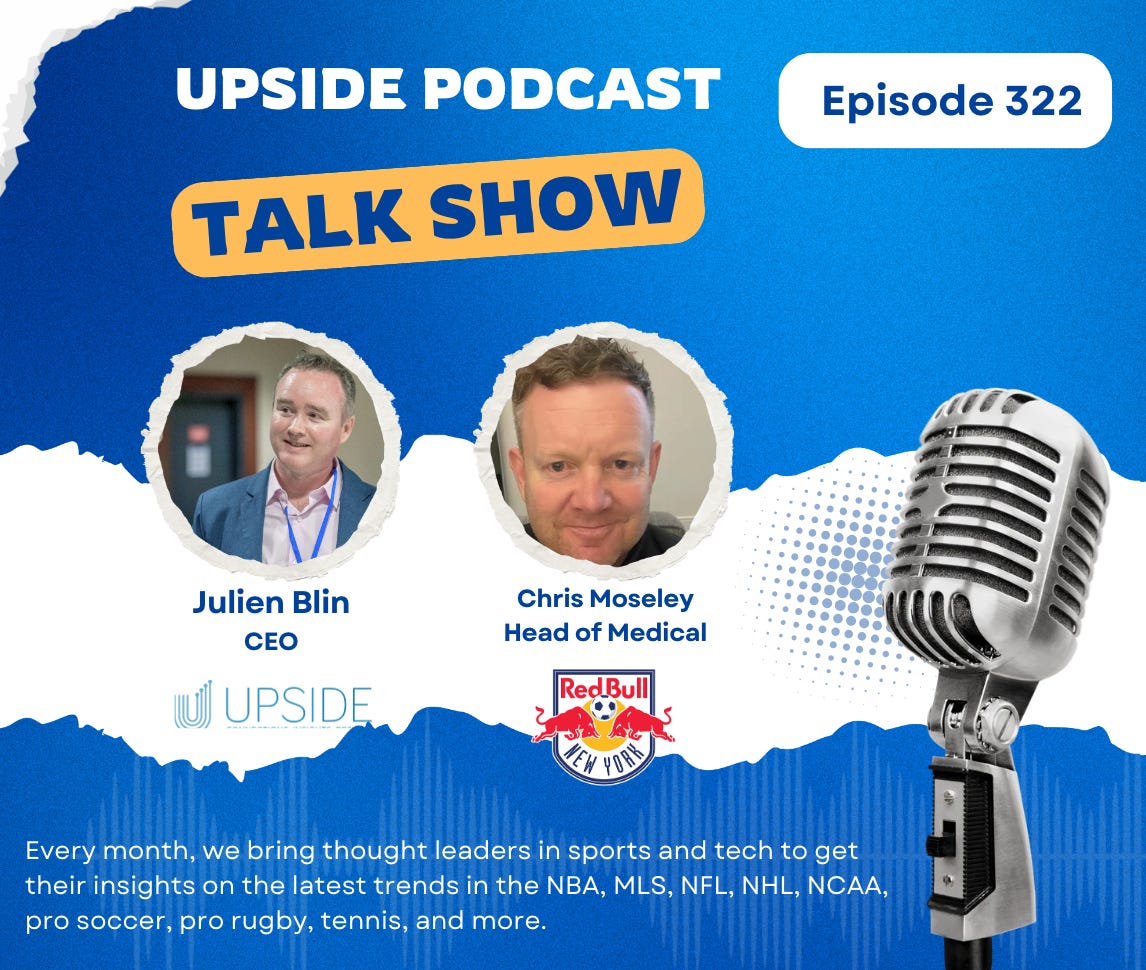
Chris Moseley is currently the Head of Medical at the New York Red Bulls, where he oversees the club’s entire medical strategy, including athletic training, physiotherapy staff, and coordination with external doctors to support both first-team and development players. He joined the club in 2024 after a long tenure at Middlesbrough FC, where he spent over two decades—progressing from First Team Physiotherapist to Head Physiotherapist in 2011 and working across more than 1,000 matches. Earlier in his career, he served as a First Team Physiotherapist at Stoke City F.C., building a strong foundation in elite football medical performance before moving into senior leadership roles
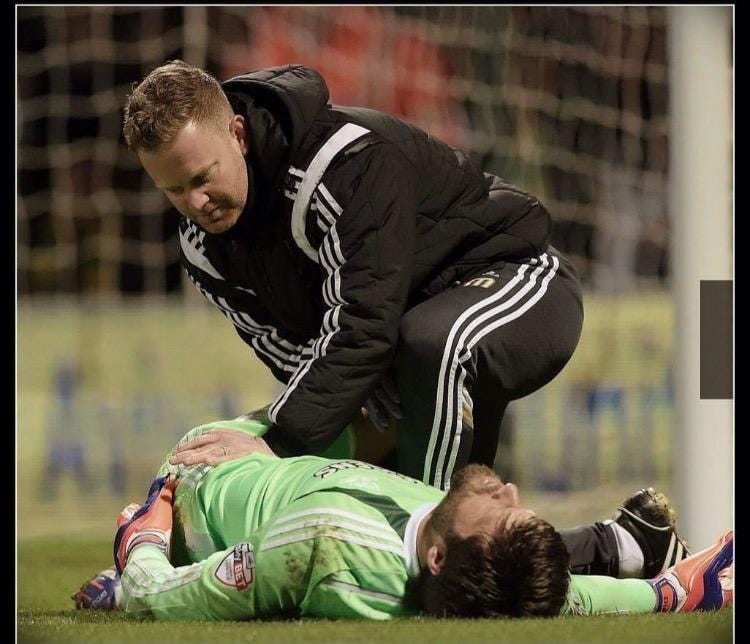
You can watch the video interview below by clicking on the Youtube link. You can also listen to the audio interview by clicking on the link at the top of the page:
📝Show Notes: Through this interview, we touched on:
His background and what led him to the Red Bulls NY.
His role at the Red Bulls NY, and what a typical day looks like.
His approach towards injury reduction and innovation.
How he sees the world of injury reduction in elite sports evolving in the coming years.
Which technologies he would build if he had unlimited resources.
You can read the full transcript of the podcast interview with Chris located at the top of this blog post.
Here are the quotes from the interview with Chris:
Q1. Background & Journey to the Red Bulls NY
“My journey in professional sports started 35 years ago as an apprentice footballer at Stoke City Football Club. Unfortunately, my career was ended prematurely through injury, and during that time my rehabilitation wasn’t great. That experience really inspired me—I didn’t want that to happen to anybody else. I always had ambitions of becoming a physiotherapist, so I went back to study and completed a degree in sports rehabilitation, which at the time was quite novel and focused entirely on the assessment, treatment, and rehabilitation of sports injuries.”
“From there, I gained experience working with clubs like Bolton Wanderers and Newcastle United before returning to Stoke City full-time, while also completing my physiotherapy degree. I later moved to Middlesbrough, where I spent 22 years working with the first team as head physio. It was a very forward-thinking environment—we were involved in early sports science developments, including GPS validation. Eventually, I had a conversation with a colleague working within the Red Bull system about an opportunity in New York. After discussing it with my family and doing my due diligence, I made the move. I had to validate all my qualifications in the U.S., but once that was completed, I joined the New York Red Bulls, where I’ve now been for two years.”
Q2. Role at Red Bulls NY & Typical Day
“A typical day as head of medical starts with an early meeting where we discuss injured players and their programs for the day. That’s followed by a more detailed rehabilitation and load management meeting with the performance staff, where we look at player load across the day, week, and month—identifying any spikes or red flags. After that, we report back to the head coach with any recommendations or adjustments to training, and then we begin preparing for the players’ arrival.”
“Once players arrive, a lot of our time is spent working individually with them—making sure they’re completing their activation and corrective exercises based on their pre-season screenings. We’ve moved away from traditional strength and conditioning and instead microdose it into the activation phase before training, which has improved compliance and buy-in. During training, part of the staff covers the session while others focus on rehab. At the end of the day, we come back together for a full review—discussing load, injuries, and next steps. It’s a continuous daily cycle of monitoring, communication, and adjustment.”
Q3. Approach to Injury Reduction & Innovation
“There’s no such thing as injury prevention—injury reduction is the aim. What we’re really looking for is maximum player availability. We can measure everything now, but the key is what you do with that information. You can have great data on a player and they don’t perform, or poor data and they’re your best performer—so it’s all about interpretation. At the same time, we can’t get away from the personal touch. You have to be with the players, assess them, talk to them, and understand how they’re feeling on a daily basis.”
“A big focus for us is lumbar pelvic control—we do a lot of manual work to make sure the body is functioning efficiently before reinforcing that through exercises and transferring it onto the field. Communication is probably the most important factor in injury reduction. The medical staff, sports science staff, and coaching staff all need to be aligned. It’s a risk management business—sometimes you take calculated risks to get players on the field for important games—but those decisions have to be collective, transparent, and understood by everyone, including the player.”
Q4. Future of Injury Reduction in Elite Sports
“AI is exploding in the medical world, but ultimately it still comes back to understanding the results and making the right decisions. You can have all the technology in the world, flag players at risk, and still decide to play them—it comes down to communication, trust, and alignment between staff. Technology can inform decisions, but it doesn’t replace the need for human judgment and collaboration.”
“One of the advantages we have is being part of a global Red Bull network, where we can collaborate with clubs across different countries and share knowledge on complex cases. That kind of collective intelligence is incredibly valuable. The future of injury reduction isn’t just about better technology—it’s about how you integrate that technology into a system that prioritizes communication, collaboration, and informed decision-making.”
Q5. Dream Technology
“If I could build any technology, it would be something to regenerate spinal cord injuries—to repair nerve damage. That would obviously have massive implications in sport, but it goes far beyond that. Being able to improve or restore function in people with spinal injuries would be life-changing on a much larger scale.”
You may also like:
🎙️ Upside Video Chat with Gavin Benjafield, Performance Director, LAFC (MLS)

Today we have the honor of interviewing Gavin Benjafield, performance director at LAFC, an MLS team.
🎙️ Upside Video Chat with Darcy Norman, Director of Performance, Chicago Fire FC (MLS)

Today we have the honor of interviewing Darcy Norman, the director of performance for the Chicago Fire FC a top MLS team.


