

Today we have the honor of interviewing Nick Hool, CEO of Hoolest, a leading Nervus system recovery technology company.
Hoolest is a neurostimulation company focused on improving recovery, stress regulation, and overall performance by targeting the autonomic nervous system, with a particular emphasis on vagus nerve stimulation. Its flagship product, Hoolest Pro, is a wearable, non-invasive device designed for elite and professional athletes that delivers personalized neuromodulation protocols to support recovery, sleep quality, pain management, and mental readiness. By combining hardware, software, and physiological data, Hoolest enables teams and practitioners to integrate nervous system regulation into daily training, rehab, and return-to-play workflows. The company positions itself at the intersection of neuroscience, performance, and recovery, offering a scalable solution that complements existing physical training and recovery modalities used by high-performance organizations.
You can watch the video interview below by clicking on the Youtube link. You can also listen to the audio interview by clicking on the link at the top of the page:
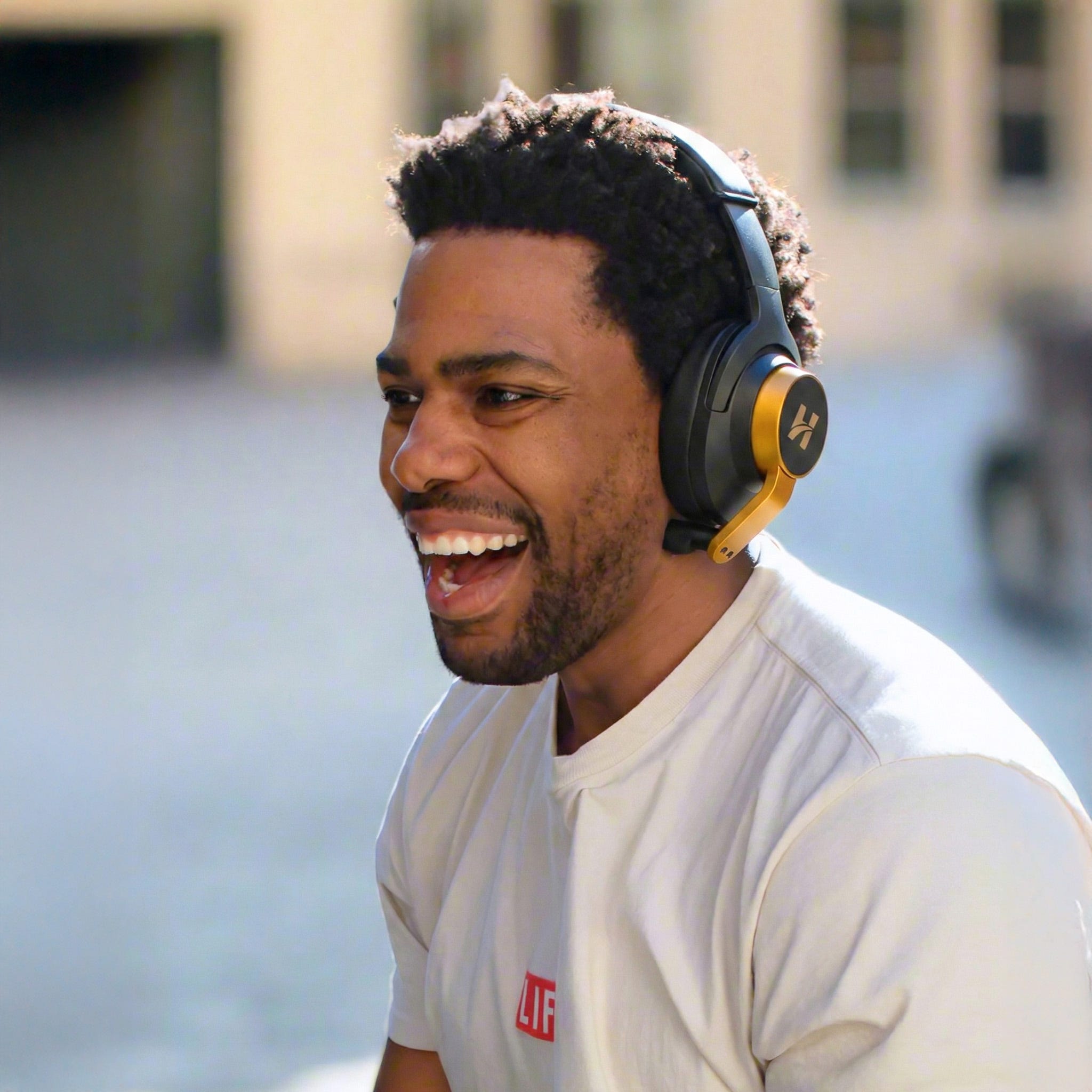
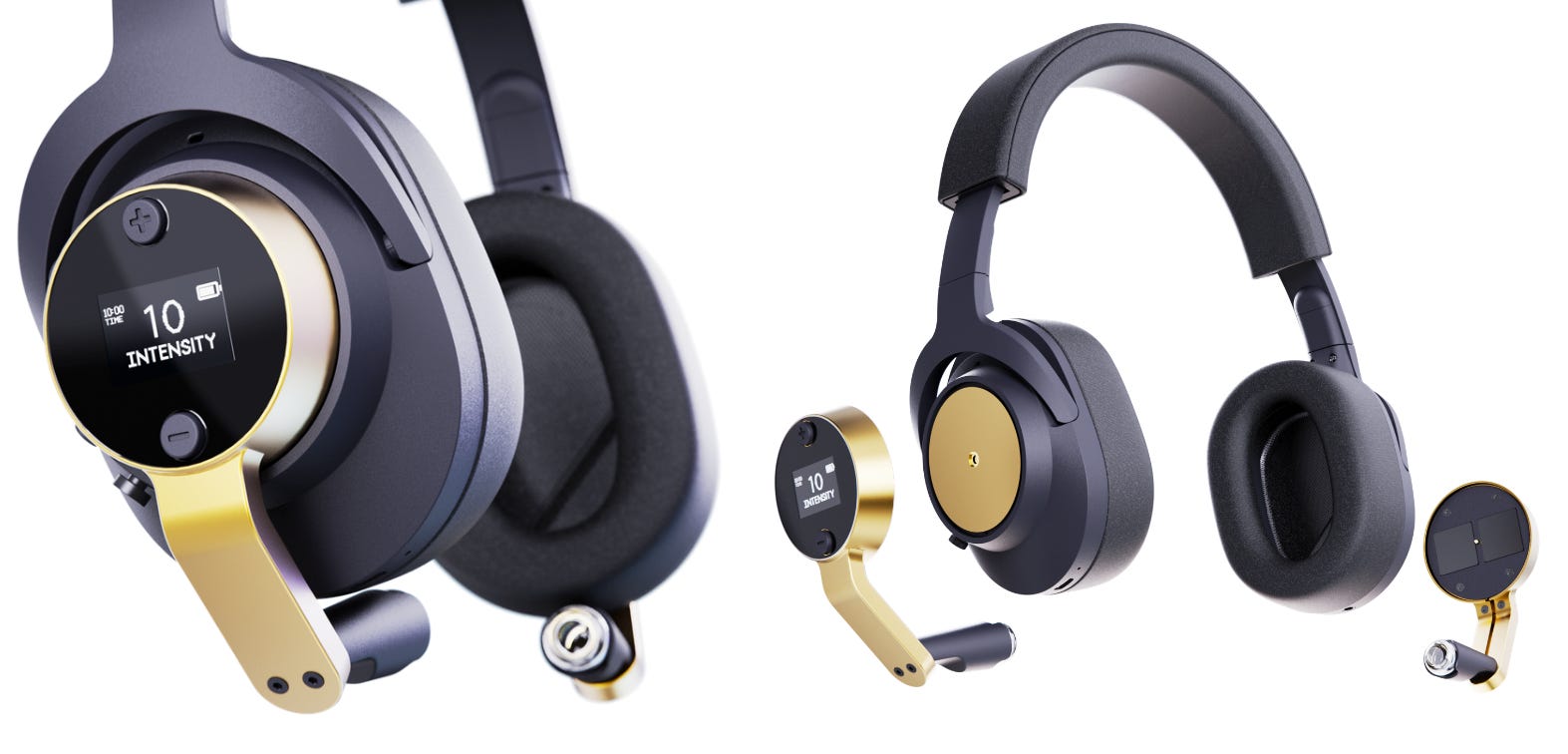
Here are some pictures of the Hoolest pro:
Here is a video featuring Nick Hool, CEO of Hoolest, explaining how the Hoolest pro works. This video also includes some video testimonials.
Here are the studies published by Hoolest:
Here is the current white paper Hoolest has put together that highlights the relevant foundational studies that led to the development of Hoolest, and the current studies that they completed on their own products.
📝Show Notes: During the interview with Nick, we discussed his personal journey as a former competitive golfer whose experience with performance-related stress and anxiety led him to pursue a PhD in biomedical engineering and ultimately build Hoolest Pro. Nick explained how the product was designed to address a major gap in modern performance and recovery programs: nervous system recovery, particularly the ability for athletes and high-stress professionals to downregulate quickly after intense competition or work demands.
We explored how Hoolest Pro uses targeted, high-potency vagus nerve stimulation to deliver fast, noticeable effects in real-world environments, with teams seeing benefits in sleep quality, stress reduction, mental focus, and pain management. Nick also shared his perspective on the rapidly growing vagus nerve stimulation market, highlighting how Hoolest Pro differentiates itself through precise anatomical targeting, higher energy delivery, and a wearable form factor built for elite use. Finally, we covered Hoolest’s business model, its alignment with professional teams, and Nick’s priorities for the next 12 months, which include increasing awareness, refining the user experience without adding complexity, and expanding adoption among athletes, practitioners, and other high-stress populations.
Here are the best quotes from the interview with Nick:
Q1. Background & What Led Him to Build Hoolest Pro
“I started the company entirely from my own personal experience dealing with stress and anxiety. When I was a teenager, I was a competitive golfer and, like most young athletes, I had dreams of going pro. I was practicing every day, traveling across the country, playing in the biggest tournaments I could, and doing well enough that I earned a verbal commitment to play golf at Arizona State when I was 16. For a kid from Arizona, that was the dream—Phil Mickelson, Jon Rahm, Paul Casey all went there.”
“A year later, the coach got fired, the new coach wiped the roster, and suddenly I lost that path. That’s when my anxiety really started, and what was confusing is that it wasn’t mental—it was physical. My heart rate would spike, my shoulders would lock up, my body would feel tense every time I stepped onto the course. Golf is a sport where you have to be calm and controlled, and my body just wouldn’t cooperate.”
“I tried everything—sports psychology, medication—but nothing truly solved the problem. The medication worked, but it sedated me, and that’s not acceptable in a performance environment. Eventually, I realized there had to be something physical happening inside the nervous system that wasn’t being addressed, and that’s what pushed me into biomedical engineering and eventually a PhD. I wanted to quantify the problem so I could actually solve it.”
Q2. What Hoolest Pro Does & Where It Fits in Performance and Recovery
“Recovery in professional sports has mostly been about the body—muscles, joints, soft tissue, inflammation. Those things matter, but the nervous system is what controls everything. If the nervous system is stuck in a stressed, overactivated state, you’re never going to fully recover physically, no matter how many recovery tools you use.”
“What we see with elite athletes is that it’s not always anxiety before games—it’s the inability to shut down afterward. They’re dealing with adrenaline, stimulants, lights, noise, pressure, and then the game ends and their nervous system stays elevated. That carries into sleep, travel, and the next day. Hoolest Pro is designed to actively bring the nervous system down in those real-world moments.”
“This isn’t something that requires 30 minutes in a quiet room. You put it on for about 10 minutes, whether you’re in the locker room, on the plane, or at home, and it helps the nervous system shift out of fight-or-flight and into a recovery state.”
Q3. Main Benefits & Highest-Impact Use Cases
“The first thing most athletes notice is sleep. When you calm the nervous system, they fall asleep faster and stay asleep longer. That alone has a massive impact on recovery, consistency, and how they feel day to day during the season.”
“The long-term benefit is mental performance. At the professional level, everyone is physically gifted. What separates athletes is focus—the ability to lock into the moment, filter out distractions, and perform under pressure. That’s not a muscle issue; that’s a nervous system issue.”
“Pain is another important use case. Pain is just a signal traveling through the nervous system. By changing how that signal is processed, athletes often feel an immediate reduction in pain perception, especially when this is combined with physical rehab or other recovery modalities.”
Q4. Vagus Nerve Stimulation Market & Differentiation
“To my knowledge, I’m the only PhD in vagus nerve stimulation who is actually building a commercial product. But beyond that, I’m very outcomes-focused. Most companies are limited by what’s already published in the research, and that research points to long, low-intensity protocols—20 to 30 minutes a day for weeks before people feel anything.”
“That doesn’t work for high-performance environments. Athletes and high-stress professionals don’t want to wait weeks—they need to calm down now. So we built the most potent vagus nerve stimulator on the market, not to be aggressive for no reason, but to create fast, noticeable results when it actually matters.”
“A lot of products claim vagus nerve stimulation but don’t even reach the nerve. They might help people relax, but not through the mechanism they’re advertising. Our differentiation is precise targeting, higher energy delivery, and a wearable form factor that fits seamlessly into real performance settings.”
Q5. Business Model & Working With Elite Teams
“Our model is straightforward. You buy the device, and the recurring component is the gel electrodes. We had to create a new water-based material so we could deliver higher power comfortably. Permanent electrodes just weren’t tolerable at that intensity.”
“Because teams and athletes use it at different frequencies, we built flexible replacement options—from very light use to aggressive daily use. Even at the high end, it’s still far less expensive than many supplements that sedate the nervous system instead of training it.”
“The key difference is that electrical stimulation promotes neuroplasticity. Over time, the nervous system becomes stronger and more resilient, so athletes often need the device less frequently. That’s very different from drugs, which create dependency rather than adaptation.”
Q6. Priorities & Next 12 Months
“Our biggest priority is awareness. People are confused about vagus nerve stimulation, and there’s a lot of noise in the market. We want people to experience what real nervous system regulation feels like and understand how powerful it can be when it’s done correctly.”
“We’re continuing to refine the experience—things like audio-synced stimulation and a companion app with guided content—but we’re very careful not to overcomplicate it. Simplicity is core to our philosophy.”
“The product itself is already strong. Over the next year, it’s less about reinventing it and more about getting it into the hands of athletes, practitioners, and high-stress professionals who genuinely need better tools to regulate their nervous systems.”
You may also like:


